Source 2024 Premium Luxury Used Sedan for fleets, rentals, and families
Explore 30 listings for the 2024 Premium Luxury Used Sedan with varied specs including SUV and sedan body styles, gasoline and electric fuel types, and automatic gearboxes. Buyers can compare models like the Jetta Vs5, T-oyota Vios, and Mercedes-Benz C-Class C200L based on displacement, power, and origin.
Key considerations
Products List


2023 Used-Lexus Es 260 Excellence Edition 5-Seat Midsize Luxury Sedan
$31800.00 - $32000.00
MOQ: 1 Pieces


Used BMW 5 Series 2023 530li Leading Luxury Sedan in Premium Condition
$38200.00 - $38400.00
MOQ: 1 Pieces


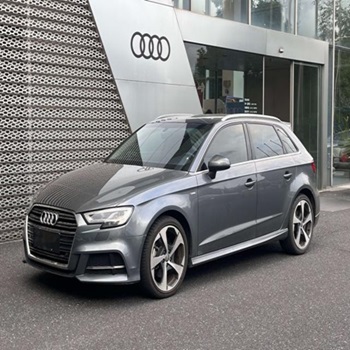
2015-2023 Excellent Engine Condition Used Au-di A3 2.0T AWD Compact Luxury Sedan
$12010.11 - $12722.57
MOQ: 1 units


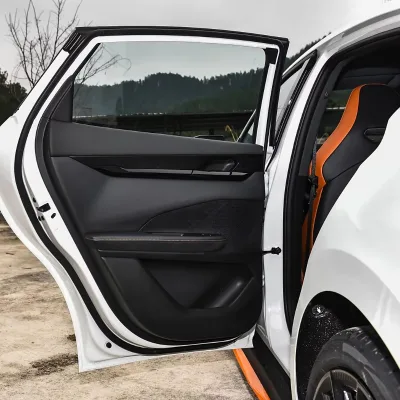
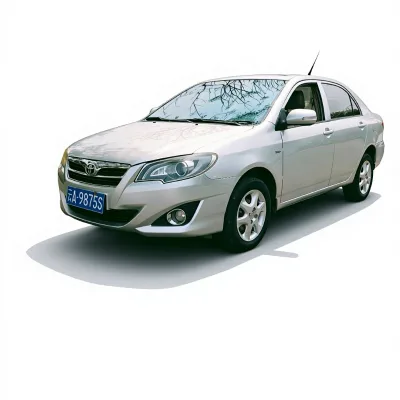


Exceptional Electric Luxury Sedan - Pristine Condition, Low Mileage
$29700.00 - $48000.00
MOQ: 1 Pieces


Comprehensive Sourcing Guide
Strategic Sourcing Framework for 2024 Premium Luxury Used Sedans
The procurement of a 2024 Premium Luxury Used Sedan represents a complex intersection of high-value asset acquisition and rigorous technical verification. In the global B2B market, buyers often seek vehicles that balance performance, comfort, and residual value. However, the term "premium luxury" encompasses a wide spectrum of engineering standards, from entry-level executive sedans to high-performance variants. Successful sourcing requires a disciplined approach that prioritizes verified specifications over marketing narratives. The following guide outlines the essential steps for evaluating supply chain options, analyzing technical data, and mitigating risks associated with acquiring pre-owned luxury vehicles.
Technical Specification Analysis and Verification
The foundation of any procurement strategy lies in the precise interpretation of technical specifications. When evaluating a used sedan, buyers must distinguish between the vehicle's original factory configuration and its current operational state. The market data indicates a diverse range of powertrains and dimensions that define the vehicle class. For instance, displacement ranges observed in the sector vary significantly, from 1.0-1.6L and 1600-2500CC units to larger 2.0-2.6L engines. These variations directly impact fuel consumption, maintenance costs, and regulatory compliance in different jurisdictions.
A critical area of focus is the engine configuration and power output. Listings may describe engines as 1.4t/L4/150HP or 1.5L Turbo L4 with a maximum power of 125kw (170PS). The presence of turbocharging, such as the "Intake Type: Turbocharged" attribute, is a common feature in modern luxury sedans designed to maximize efficiency and torque. Buyers should verify the "Max Torque" figures, as values like 250n·M are indicative of the vehicle's acceleration capabilities and load-handling potential. Furthermore, the "Fuel Type" is a primary differentiator; while some units are Gasoline, others may be Electric or Hybrid. The "Fuel Consumption" metric, such as 6.3L/100km, serves as a key operational cost indicator for fleet managers or individual buyers planning long-term usage.
Dimensional consistency is equally vital for logistics and usage planning. The "Overall Mass" of a vehicle, observed at 1790kg in certain models, affects shipping costs and road tax calculations. Exterior dimensions, often standardized in formats like 441818411616 or 4882x1820x1461mm, determine garage fitment and parking requirements. The "Wheelbase," noted at 2550mm in specific configurations, correlates directly with interior cabin space and ride stability. Buyers must cross-reference these physical attributes against the specific "prod_model" identifiers, such as the Jetta Vs5, T-oyota Vios, or 2023 Mercedes-Benz C-Class C200L, to ensure the vehicle matches the intended application.
Compliance, Certification, and Regulatory Standards
Navigating the regulatory landscape is a non-negotiable aspect of sourcing used luxury vehicles. Compliance ensures that the vehicle can be legally registered and operated in the target market. A primary concern is the "prod_standard," which often refers to dimensional or construction standards. In the provided data, these standards appear as specific measurement sets (e.g., 4435X1700X1490), which buyers must verify against local vehicle classification laws. Different regions have strict requirements regarding vehicle width, height, and length, particularly for commercial fleets.
Safety and braking systems are central to regulatory compliance. The "Braking System" may be described as either Electromagnetic or Mechanical. While both are functional, the type of system influences maintenance protocols and safety certification requirements. Buyers must confirm that the braking system meets the safety standards of the destination country. Additionally, the "Condition" of the vehicle, listed as "New" in some contexts, requires careful scrutiny. In the used car market, a "New" condition label may refer to a vehicle with minimal mileage or a specific certification status rather than a brand-new factory unit.
Environmental regulations are increasingly stringent. The "Fuel Type" classification—whether Gasoline, Electric, or Hybrid—determines eligibility for low-emission zones and tax incentives. For example, a vehicle with a "Fuel Type: Electric" designation may qualify for different import duties compared to a "Fuel Type: Gasoline" unit. Buyers should also verify the "Service Life" expectations, which range from 1-3 Years to 3-6 Years depending on the vehicle's age and usage history. This metric is crucial for calculating the total cost of ownership and ensuring the vehicle remains compliant with emission standards throughout its intended operational lifespan.
Cost Drivers and Pricing Dynamics
Understanding the cost structure of premium luxury used sedans is essential for budgeting and negotiation. The observed price range in the market spans from $1,729 to $75,000 USD. This wide variance reflects differences in brand prestige, model year, mileage, and condition. A vehicle priced at the lower end of the spectrum may be an entry-level luxury model or one with higher mileage, while the upper end likely represents high-performance variants or vehicles with exceptional preservation.
The "Mileage" is a primary cost driver, with observed ranges of 30,000-60,000 km. Vehicles within this range are often considered to have moderate usage, balancing depreciation with remaining service life. However, buyers must verify if the mileage is consistent with the vehicle's age and "Service Life" claims. A vehicle with 30,000 km but a "Service Life" of only 1-3 years may indicate heavy short-term usage or specific commercial application, which could affect long-term reliability.
Additional cost factors include the "prod_packing" method and logistics. Standard Export Packing and Container Film Wrapping are common methods to protect the vehicle during transit, but the associated costs vary by supplier and shipping route. The "Location" of the origin, such as Fujian, China, or general China origins, influences shipping lead times and freight costs. Buyers should also consider the "Customization" availability, as bespoke modifications can significantly increase the final acquisition cost. The "Drive Mode," whether Rwd or FWD, can also impact insurance premiums and maintenance expenses, particularly in regions with specific road conditions.
Typical Applications and Usage Scenarios
The intended application of a luxury sedan dictates the specific features and specifications required. The "Usage" category, often listed as "Family Car," suggests a focus on comfort, safety, and interior space. For family applications, the "Seats" configuration, typically 5 seats, is standard. The "Body Style," identified as SUV in some contexts but often Sedan for this keyword, influences the vehicle's center of gravity and handling characteristics. A sedan with a "Body Type: Closed" design offers superior aerodynamics and noise insulation compared to open-top variants.
For commercial or fleet applications, the "Road Conditions" attribute becomes critical. Vehicles designed for "Road" conditions may not be suitable for off-road or rough terrain environments. The "Drive" system, such as FWD or Rwd, affects traction and stability on different surfaces. A vehicle with "LHD / Rhd: LHD" configuration is essential for markets where left-hand traffic is the norm, while RHD models are required for right-hand traffic jurisdictions.
The "Color" of the vehicle, observed as Red or Black, can also influence resale value and marketability. Black is often preferred for corporate fleets due to its professional appearance and ability to hide dirt, while Red may be chosen for personal use or specific branding requirements. Buyers should align the vehicle's color and body style with the end-user's expectations to maximize the asset's utility and value retention.
Supplier Evaluation and Quality Control Protocols
Selecting the right supplier is a critical step in mitigating procurement risks. While specific supplier names should not be recommended, buyers must evaluate potential partners based on their ability to provide transparent documentation. Key evaluation criteria include the supplier's history of fulfilling orders, their adherence to "prod_packing" standards, and their ability to verify the "prod_model" and "prod_standard" details.
Quality control protocols should be established before finalizing any purchase. Buyers must verify the "Condition" of the vehicle through third-party inspections. This includes checking the "Braking System" for wear, testing the "Engine" performance, and confirming the "Fuel Consumption" figures against real-world data. The "Max Engine Power" and "Max Torque" specifications should be validated through dyno testing or manufacturer records to ensure the vehicle meets the advertised performance levels.
Furthermore, buyers should assess the supplier's ability to handle "Customization" requests. If a specific configuration is required, the supplier must demonstrate the capacity to modify the vehicle without compromising its structural integrity or safety standards. The "Service Life" warranty or guarantee provided by the supplier is also a key indicator of their confidence in the vehicle's quality. A supplier offering a longer service life guarantee may indicate a higher standard of pre-sale inspection and refurbishment.
Long-Term Procurement Considerations and Lifecycle Management
Sourcing a used luxury sedan is not merely a transaction but an investment in long-term asset management. Buyers must consider the "Service Life" and "Mileage" limits when planning for future replacements. A vehicle with a "Service Life" of 3-6 Years offers a longer operational window than one with a 1-3 Year lifespan, potentially reducing the frequency of procurement cycles. However, the "Condition" and "Mileage" must be monitored closely to ensure the vehicle remains within safe operating parameters.
Maintenance and repair costs are significant long-term factors. The "Fuel Type" and "Engine" specifications determine the availability and cost of spare parts. For example, a 1.5L Turbo L4 engine may have different parts availability compared to a 2.0-2.6L unit. Buyers should verify the "Gearbox" type, such as Automatic, and ensure that specialized maintenance services are available in the target market.
Finally, buyers should plan for the eventual disposal or resale of the vehicle. The "Body Style," "Color," and "Model" will influence the residual value. A vehicle with a "prod_model" like the Mercedes-Benz C-Class C200L may retain value better than a less recognized model. By understanding these lifecycle dynamics, buyers can optimize their procurement strategy to maximize the return on investment and ensure the vehicle serves its intended purpose effectively throughout its operational life.
FAQs
What is the price range for 2024 premium luxury used sedans?
The observed price range spans from 1729 to 75000 USD. This variance reflects differences in brand prestige, model year, and condition, with lower prices often indicating entry-level models or higher mileage units.
Which engine displacements are available for these vehicles?
Available displacement ranges include 1000-1600CC, 1600-2500CC, and 2.0-2.6L. Specific models may feature engines like a 1.4t/L4/150HP or a 1.5L Turbo L4, impacting fuel consumption and performance capabilities.
How does the braking system vary across listings?
Braking systems are listed as either Electromagnetic or Mechanical. Buyers must verify which type is present as it influences maintenance protocols and safety certification requirements for the target market.
Can buyers find vehicles with specific fuel types?
Yes, listings include Gasoline, Electric, and Hybrid fuel types. The fuel classification determines eligibility for low-emission zones and affects import duties, with some units offering fuel consumption around 6.3L per 100km.
What is the typical mileage range for these sedans?
Observed mileage ranges from 30000 to 60000 km. This moderate usage range balances depreciation with remaining service life, though buyers should verify consistency with the vehicle's age and service life claims.
Which body styles and types are offered in the market?
Listings include SUV and Sedan body styles with Closed body types. Specific models like the Jetta Vs5 or Mercedes-Benz C-Class C200L demonstrate the diversity in dimensions and configurations available for procurement.
How are these vehicles packed for export?
Packing methods include Standard Export Packing and Container Film Wrapping. These methods protect the vehicle during transit, but associated costs vary by supplier and shipping route from origins like Fujian, China.