Source 24v Silicon Nitride Facial Igniter for Industrial Heaters
Find and compare 30 listings for the 24v Silicon Nitride Facial Igniter, featuring CE and RoHS certifications. Evaluate options with 1-year warranties, 60-90 second ignition times, and high-temperature resistance up to 1300°C for reliable industrial heating applications.
Key considerations
Products List


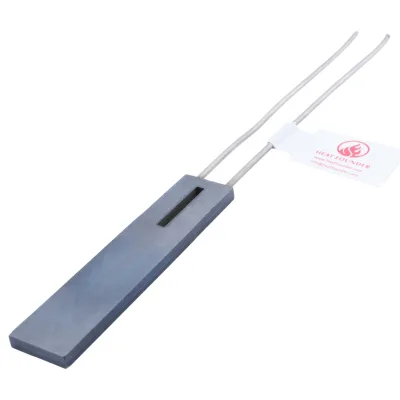
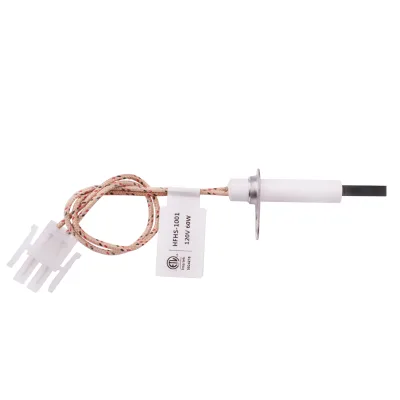
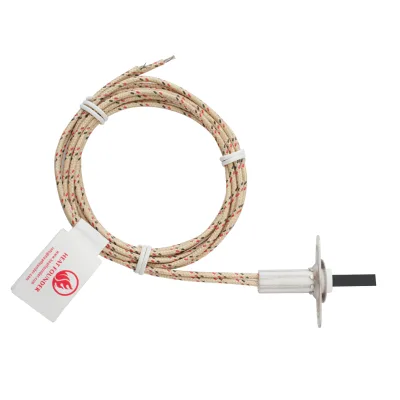
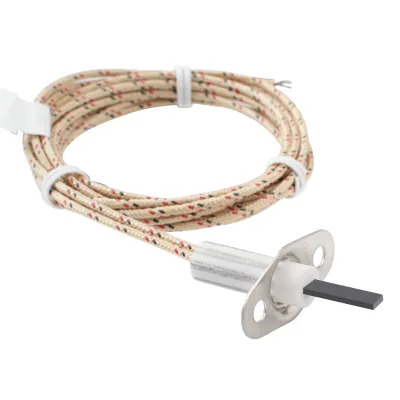
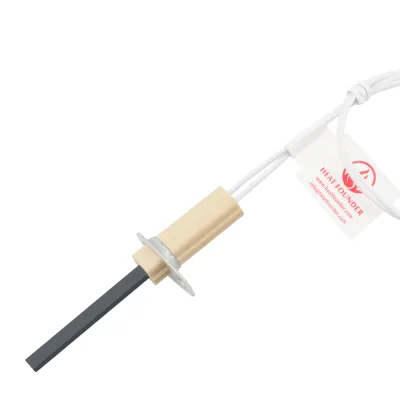
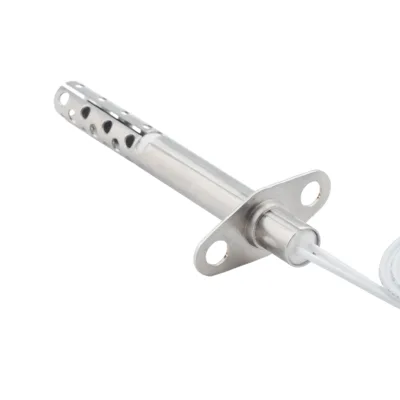


High Temperature Ceramic Nitride Heating Element Silicon Nitride Igniter New
$23.00 - $28.00
MOQ: 15 Pieces


High Temperature Ceramic Nitride Heating Element Silicon Nitride Igniter New4
$25.00 - $29.50
MOQ: 15 Pieces

High Temperature Ceramic Nitride Heating Element Silicon Nitride Igniter New4
$25.00 - $29.50
MOQ: 15 Pieces
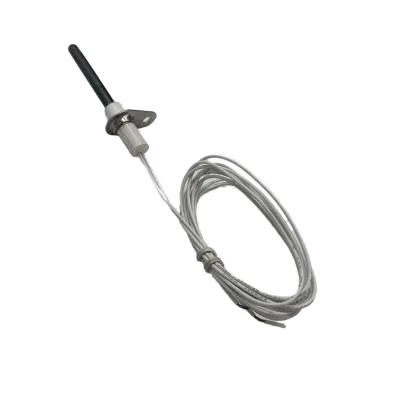


Electric 220V Ceramic Igniter Silicon Carbide Igniter China Manutacturer
$35.00 - $60.00
MOQ: 10 Pieces

Ceramic Igniter 220V 400W Ceramic Silicon Carbide Igniter Heater Manufacturer 767A-357
$35.00 - $60.00
MOQ: 10 Pieces


Comprehensive Sourcing Guide
24v Silicon Nitride Facial Igniter Sourcing Guide
Sourcing high-performance ignition components for industrial and commercial heating systems requires a precise understanding of material science, electrical specifications, and supply chain reliability. The 24v Silicon Nitride Facial Igniter represents a specialized category of heating elements designed for rapid, reliable ignition in gas-fired appliances. Unlike traditional ceramic igniters, silicon nitride offers superior thermal shock resistance and mechanical strength, making it ideal for applications where frequent cycling and high-temperature stability are critical. Buyers must navigate a market where product attributes vary significantly between suppliers, requiring careful verification of technical data to ensure compatibility with existing infrastructure. This guide provides a structured approach to evaluating these components, focusing on the specific signals found in current market listings and the technical due diligence necessary for successful procurement.
The transition to silicon nitride-based igniters is often driven by the need for longer service life and faster ignition times in demanding environments. These components are frequently utilized in gas water heaters, industrial burners, and specialized air heating systems where consistent performance under high thermal stress is non-negotiable. Procurement teams must distinguish between generic heating elements and true silicon nitride facial igniters, as the latter involves specific manufacturing processes that enhance durability. By understanding the core technical parameters and commercial terms associated with these products, buyers can mitigate risks related to premature failure, electrical incompatibility, and supply chain disruptions. The following sections detail the essential steps for validating product quality, ensuring regulatory compliance, and establishing sustainable supplier relationships.
Product Scope and Observed Listing Signals
Market analysis reveals a diverse range of ignition components, with observed price points ranging from $0.35 to $60 USD, reflecting variations in material quality, voltage ratings, and manufacturing complexity. The minimum order quantities (MOQ) typically span from 1 to 1000 units, indicating that suppliers cater to both prototype development and large-scale industrial production. Buyers should note that while some listings advertise generic "heating wires" or "ignition electrodes," the specific 24V silicon nitride facial igniters often carry distinct identifiers such as model numbers like TR128 or HF, and specific power ratings such as 60W or 600W. It is crucial to verify that the listed voltage matches the 24V requirement, as some suppliers offer a broader range including 12V, 120V, and 230V options, which may not be compatible with low-voltage control systems.
The physical characteristics of these igniters also vary, with observed dimensions described as "depends" or "different," and packaging formats ranging from individual foam sleeves to bulk cartons containing up to 3000 pieces. Weight specifications are generally low, with single unit weights reported around 0.07 to 0.2 kg, suggesting a compact design suitable for integration into tight appliance spaces. Buyers must carefully review the product name and type descriptions, as some listings may classify the item as an "air heater" or "piezoelectric ceramic," which could indicate a different functional mechanism than a resistive silicon nitride igniter. Confirming the exact form factor, such as plate or wire configurations, and ensuring the color and material specifications align with the intended application is a critical first step in filtering relevant suppliers.
Technical Specifications to Verify
Verifying the electrical and thermal specifications is paramount to ensuring the igniter functions correctly within the target appliance. The 24V rating is a key constraint, but buyers must also confirm the wattage and current draw to ensure compatibility with the power supply and control board. Some listings indicate a power source of "Electric" with specific wattages like 60W, while others may reference higher capacities such as 600W under standards like TR128. It is essential to cross-reference these electrical parameters with the appliance’s design specifications to prevent overheating or insufficient ignition energy. Additionally, the ignition time is a critical performance metric, with observed ranges of 60-90 seconds; buyers should verify if this aligns with their operational requirements for rapid startup and energy efficiency.
Thermal performance and material integrity are equally important considerations. Silicon nitride igniters are designed to withstand high temperatures, with observed working temperature ranges of 1100-1300°C and maximum temperatures up to 1300°C. Buyers must ensure that the igniter’s thermal expansion coefficient matches the surrounding components to avoid cracking during thermal cycling. The material composition should be explicitly confirmed as silicon nitride, as some listings may ambiguously refer to "quartz" or other ceramics, which have different thermal and electrical properties. Furthermore, the dimension and shape of the igniter, whether plate or wire, must be verified against the physical constraints of the burner assembly to ensure proper fit and effective heat distribution.
Compliance and Safety Documentation
Regulatory compliance is a non-negotiable aspect of sourcing industrial heating components, particularly those involving electrical and high-temperature operations. Buyers should prioritize suppliers who provide recognized certifications such as CE and RoHS, which indicate adherence to European safety, health, and environmental protection standards. The presence of ISO 9001 certification, while sometimes listed with varying confidence levels, suggests a structured quality management system, which is beneficial for ensuring consistent product quality. However, buyers must request valid certificates and verify their authenticity, as certification status can vary between different product lines or manufacturing batches.
In addition to certifications, documentation regarding machinery test reports and warranty terms provides insight into the supplier’s confidence in their product. Some listings indicate that machinery test reports are provided, which can offer valuable data on performance under simulated operating conditions. A standard warranty of one year is commonly observed, but buyers should clarify the terms and conditions, including coverage for defects and performance guarantees. It is also important to verify if the supplier offers OEM/ODM services, as this may indicate a higher level of customization capability and technical support, which can be crucial for integrating the igniter into specialized equipment.
Cost Drivers and Commercial Terms
The cost of 24V silicon nitride facial igniters is influenced by several factors, including material quality, manufacturing complexity, and order volume. The observed price range of $0.35 to $60 USD reflects the diversity in product specifications and supplier positioning. Buyers should analyze the cost per unit in the context of the total cost of ownership, considering factors such as energy efficiency, lifespan, and maintenance requirements. Higher-priced options may offer superior thermal stability or longer service life, which can reduce downtime and replacement costs in industrial applications. It is advisable to request detailed quotations that break down costs by unit price, tooling fees, and shipping charges to ensure transparency.
Commercial terms, including MOQ and lead times, also play a significant role in procurement planning. MOQs ranging from 1 to 1000 units allow for flexibility, but buyers should negotiate terms that align with their inventory management strategies. Lead times, such as the observed 30-day delivery period upon official order, should be factored into production schedules to avoid delays. Buyers should also inquire about payment terms, return policies, and after-sales support to mitigate financial risks. Understanding these commercial dynamics enables buyers to make informed decisions that balance cost efficiency with supply chain reliability.
Supplier Qualification and Quality Control
Evaluating supplier qualifications is essential for ensuring the long-term reliability of the ignition components. Buyers should assess the supplier’s manufacturing capabilities, including their experience with silicon nitride materials and their ability to maintain consistent quality across production batches. The origin of the products, often listed as Jiangsu or Shanghai, China, can provide insights into the regional manufacturing ecosystem and its reputation for quality. Buyers should request samples for rigorous testing before committing to large orders, verifying parameters such as ignition time, thermal resistance, and electrical stability.
Quality control processes should be transparent and well-documented. Suppliers should provide clear information on their inspection procedures, including incoming material checks, in-process monitoring, and final product testing. The availability of machinery test reports and warranty support indicates a commitment to quality assurance. Buyers should also consider the supplier’s responsiveness to technical inquiries and their ability to provide customization services, such as OEM/ODM options. Establishing a strong relationship with a qualified supplier can lead to better pricing, improved lead times, and enhanced technical support, ultimately contributing to the success of the procurement project.
Long-Term Procurement Checks
Sustainable procurement requires ongoing monitoring of supplier performance and product quality. Buyers should establish key performance indicators (KPIs) to track metrics such as defect rates, delivery punctuality, and customer satisfaction. Regular audits of the supplier’s quality management system can help identify potential issues before they impact production. It is also important to stay informed about industry trends and technological advancements in ignition technology, as these may influence future procurement decisions. By maintaining a proactive approach to supplier management, buyers can ensure a stable supply of high-quality 24V silicon nitride facial igniters.
Finally, buyers should consider the environmental and social impact of their procurement decisions. Suppliers who adhere to RoHS and other environmental standards demonstrate a commitment to sustainability, which aligns with broader corporate social responsibility goals. Buyers should also evaluate the supplier’s efforts to reduce waste and energy consumption in their manufacturing processes. By integrating these considerations into their procurement strategy, buyers can contribute to a more sustainable and responsible supply chain, while also securing a reliable source of critical heating components for their operations.
FAQs
What is the maximum operating temperature for this igniter?
The maximum operating temperature reaches 1300 degrees Celsius. This high-temperature capability allows the silicon nitride hot surface igniter to function reliably in demanding industrial heating applications requiring sustained thermal performance.
Can I customize the voltage specifications for this product?
Yes, customization is available for various voltage requirements. The product supports multiple voltage options including 12v, 24v, 120v, and 230V to ensure compatibility with different electrical systems and regional standards.
How long does the ignition process take for this device?
The ignition time typically ranges between 60 to 90 seconds. This duration ensures a stable and reliable start-up sequence for gas water heaters and other industrial ceramic appliances using this specific heating element.
What certifications does this silicon nitride igniter hold?
The product holds CE and RoHS certifications for safety and environmental compliance. These standards verify that the manufacturing process meets international requirements for hazardous substance restriction and electrical safety in the global market.
What is the warranty period for this heating component?
A one-year warranty is provided for this silicon nitride hot surface igniter. This coverage protects buyers against manufacturing defects and ensures product reliability during the initial period of operation in industrial settings.
Which packaging method is used for shipping this item?
Items are shipped using a foam sleeve inside a carton for protection. This packaging method ensures the fragile ceramic components remain undamaged during transit and can accommodate bulk orders of up to 3000 pieces per box.