Source 250ml Whiskey Shot Glasses for bars, offices, and events
Compare 30 listings of 250ml Whiskey Shot Glasses from verified suppliers. Buyers can evaluate options based on material, shape, customization, and pricing to find the right fit for bars, offices, or events.
Key considerations
Products List






Comprehensive Sourcing Guide
250ml Whiskey Shot Glasses Sourcing Guide
Sourcing 250ml Whiskey Shot Glasses requires a nuanced understanding of the distinction between standard shot volumes and larger serving vessels, as well as the specific material and design attributes that define quality in this category. While the term "shot glass" typically implies a smaller volume, the 250ml capacity places these items in the realm of highball or tumbler-style vessels, often used for whiskey on the rocks or mixed drinks. Buyers must navigate a market where product listings may vary significantly in terminology, with some suppliers labeling 250ml vessels as "highball glasses" or "whisky cups" rather than traditional shot glasses. This guide provides a structured approach to evaluating suppliers, verifying technical specifications, and ensuring compliance with international safety standards for glass and metal drinkware.
The procurement process for these vessels involves balancing aesthetic customization with functional durability. The observed market data indicates a wide range of product types, from clear glass highballs to double-wall insulated cups and metal tumblers with laser-engraved logos. Buyers should focus on verifying the actual capacity against the listed model numbers, as discrepancies between marketing terms and physical dimensions are common. Furthermore, understanding the customization options available, such as screen printing, laser engraving, and custom shapes, is critical for brands looking to differentiate their products in a competitive market. This guide outlines the essential steps to secure reliable supply chains for 250ml whiskey vessels that meet both quality and regulatory requirements.
Product Scope and Observed Listing Signals
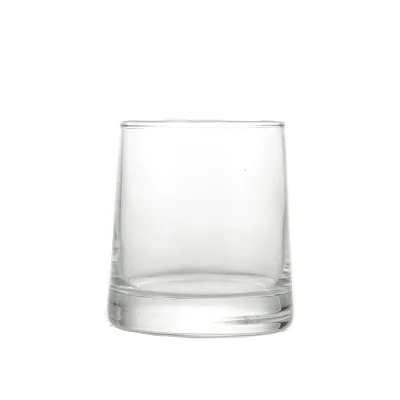
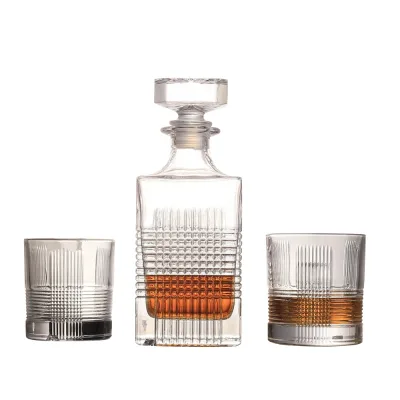
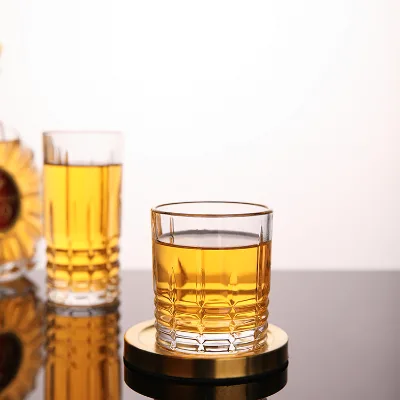
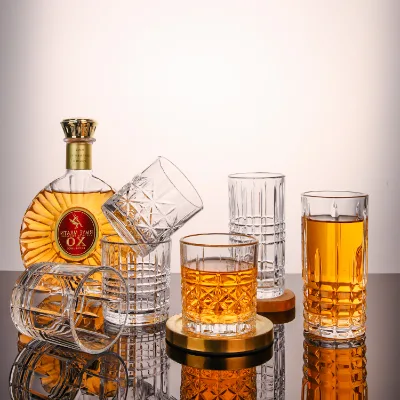
The current market for 250ml whiskey vessels exhibits significant diversity in material composition, shape, and intended usage. Observed listings include products categorized as "Highball Glass," "Wine Whisky Cup," and metal tumblers with cylindrical shapes. The material spectrum ranges from clear glass and crystal glass to metal options finished in silver or gold colors. This variety suggests that buyers are not limited to traditional glassware but can explore insulated double-wall glass options or durable metal alternatives that offer thermal retention properties. The presence of "Irregular Shape" and "Rectangular" attributes indicates that unique design elements are available for brands seeking distinctive packaging or shelf appeal.
Capacity and packaging details provide critical signals for inventory planning and logistics. Listings show capacities such as 10 oz, which is approximately 295ml, slightly exceeding the 250ml target, while other models specify standard 1oz/2oz sizes for smaller portions. Packaging methods vary from individual polybags to inner boxes, with some suppliers offering customized packing solutions. The observed minimum order quantities (MOQs) range from 100 to 5000 units, reflecting the flexibility of suppliers to accommodate both small trial orders and large-scale production runs. Buyers should carefully review the "prod_packing" and "prod_model" fields to ensure the physical dimensions and packaging align with their distribution channels and storage capabilities.
Technical Specifications to Verify
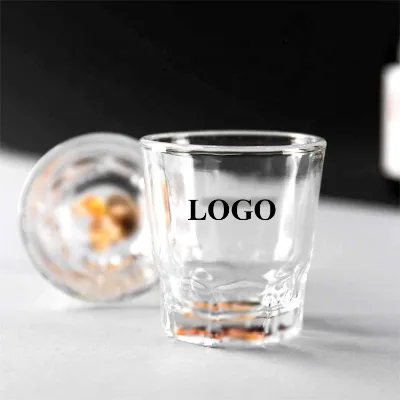
Verifying the technical specifications of 250ml whiskey vessels is essential to ensure they meet functional requirements and brand expectations. Key attributes to confirm include the glass type, wall construction, and decorative techniques. For glass products, buyers should distinguish between single-wall and double-wall constructions, as double-wall designs offer improved insulation and heat resistance, which is particularly beneficial for whiskey service. The presence of handles, as noted in some listings, adds a unique functional element that may appeal to specific market segments. Additionally, the "Screen Printing" and "Laser Engraved" techniques mentioned in the data indicate that branding options are robust, allowing for high-quality logo application that enhances product visibility.
Material integrity and weight are critical factors for durability and perceived value. Metal tumblers, for instance, are listed with specific weights such as 115g, which helps buyers assess the sturdiness of the product. For glass items, the clarity and finish, described as "Colorless" or "Crystal Glass," should be verified through samples to ensure there are no bubbles, cracks, or imperfections. The "Style" attributes, ranging from "Simple" to "Creative," suggest that buyers can choose between minimalist designs and more elaborate forms. It is also important to confirm the "prod_standard" and "prod_model" codes, as these identifiers often correlate with specific dimensional tolerances and capacity accuracies that must be validated before mass production.
Compliance and Safety Documentation
Compliance with international safety standards is non-negotiable for drinkware imported into major markets. The observed certifications include LFGB, ROHS, CE/EU, FDA, and REACH, which cover various aspects of material safety and chemical migration. LFGB and FDA certifications are particularly relevant for food-contact surfaces, ensuring that the glass or metal does not leach harmful substances into the beverage. ROHS and REACH certifications address the restriction of hazardous substances, which is crucial for environmental compliance and consumer safety. Buyers must request valid, up-to-date certificates from suppliers and verify that the certifications apply specifically to the materials used in the 250ml vessels, not just the supplier’s general product line.
Ethical and sterilization standards also play a role in the procurement process. Some listings explicitly state "Without Ethylene Oxide Sterilization," which is a positive indicator for buyers concerned about chemical residues, although this is more common in medical devices than drinkware. For glass and metal products, the focus should be on ensuring that the manufacturing process does not introduce contaminants. Buyers should also verify that the "Customization" options, such as printed designs or laser engravings, use inks and materials that are themselves compliant with food-safe standards. This holistic approach to compliance ensures that the final product meets all regulatory requirements in the destination market, avoiding potential customs delays or product recalls.
Cost Drivers and Commercial Terms
Understanding the cost drivers and commercial terms is vital for accurate budgeting and negotiation. The observed price range of $0.15 to $2.91 USD reflects the significant variation in product complexity, material quality, and order volume. Simple single-wall glass cups are likely at the lower end of this spectrum, while double-wall insulated glasses or metal tumblers with laser engraving will command higher prices. The MOQ is a primary cost driver, with lower MOQs often resulting in higher per-unit costs due to setup fees and smaller production runs. Buyers should leverage their expected order volume to negotiate better pricing, keeping in mind that larger orders typically benefit from economies of scale.
Payment terms and shipping methods also impact the total cost of ownership. Standard payment terms observed include a 30% advance payment with the balance due before shipping, which is a common practice in international trade. Buyers should also consider the price terms, such as EXW, FOB, and DDP, as these determine who bears the risk and cost of transportation. Sample costs, listed at $20 for some products, are a necessary upfront investment to verify quality before committing to a large order. Additionally, production times of up to 30 days and sample times of 7 days should be factored into the supply chain timeline to avoid stockouts. Understanding these commercial nuances allows buyers to structure deals that balance cost efficiency with supply chain reliability.
Supplier Qualification and Quality Control
Supplier qualification is the foundation of a successful procurement strategy. Buyers should prioritize suppliers who demonstrate transparency in their manufacturing processes and provide clear product specifications. The presence of detailed attributes such as "prod_origin" (e.g., China, Zhejiang) and "brand name" (e.g., CR) can help in assessing the supplier’s market position and reputation. It is advisable to request factory audits or third-party inspection reports to verify production capabilities and quality management systems. Suppliers who offer customization services, such as "as Your Requirement" design options, should be evaluated on their ability to maintain consistency across large production batches.
Quality control measures must be implemented at multiple stages of the production process. Pre-production samples should be thoroughly tested for capacity accuracy, structural integrity, and finish quality. During production, random inspections can help identify defects early, allowing for corrective actions before the entire batch is completed. Post-production, final random inspections should verify that the packaging, labeling, and quantity match the purchase order. Buyers should also establish clear acceptance criteria for defects, such as chips, cracks, or misprints, and communicate these standards to the supplier. By implementing rigorous quality control protocols, buyers can minimize the risk of receiving substandard products and ensure customer satisfaction.
Long-Term Procurement Checks
Long-term procurement success depends on continuous monitoring and relationship management with suppliers. Regular performance reviews should assess the supplier’s ability to meet delivery deadlines, maintain consistent quality, and respond to issues promptly. Buyers should track key performance indicators such as on-time delivery rate, defect rate, and responsiveness to customer service inquiries. Building a strong relationship with the supplier can lead to better pricing, priority production scheduling, and collaborative innovation in product design. It is also important to stay informed about changes in regulations and market trends that may affect the procurement of 250ml whiskey vessels.
Diversification of the supply base is a prudent strategy to mitigate risks associated with single-source dependency. Maintaining relationships with multiple suppliers can provide flexibility in case of disruptions, such as raw material shortages or logistical challenges. Buyers should also periodically re-evaluate the market for new technologies or materials that could enhance product value or reduce costs. Engaging in open communication with suppliers about future needs and challenges can foster a partnership approach that benefits both parties. By adopting a proactive and strategic approach to procurement, buyers can ensure a stable and efficient supply of high-quality 250ml whiskey vessels for their business.
FAQs
What certifications do the glass whiskey cups have?
The glass whiskey cups hold LFGB, ROHS, and EEC certifications. Some models also include CE EU and FDA approvals. These certifications ensure the products meet international safety and quality standards for food contact materials.
Can I customize the design of these shot glasses?
Yes, customization is available for the design of these shot glasses. Buyers can request specific shapes or printed logos like laser engraving. The standard allows for customized requirements to match your brand identity.
What is the minimum order quantity for these glasses?
The minimum order quantity ranges from 100 to 5000 units depending on the specific model. Some items start at 100 pieces while others require up to 5000. This flexibility accommodates both small trials and large bulk orders.
How long does production take for custom orders?
Production time is typically 30 days for custom orders. Sample preparation takes about 7 days before full manufacturing begins. This timeline applies to standard customization requests involving screen printing or specific packaging.
What materials are used to make these whiskey glasses?
These whiskey glasses are primarily made from clear glass. Some variations include metal materials with silver or gold colors. The glass type is specified as clear, ensuring transparency and a classic look for serving spirits.
How are the glasses packaged for shipping?
Each glass is packed individually in a polybag or inner box. Some metal variants use plastic bags with inner boxes for protection. This packaging ensures the items remain secure during transit and arrive in pristine condition.