Source 250V Ceramic Capacitor for Air Conditioner, Automobile, and High Voltage
Find 30 verified listings for the 250V Ceramic Capacitor suitable for high frequency coupling and tuning. Buyers can compare specifications, pricing, and lead times from multiple manufacturers to find the right component for air conditioners, automobiles, and general purpose applications.
Key considerations
Products List


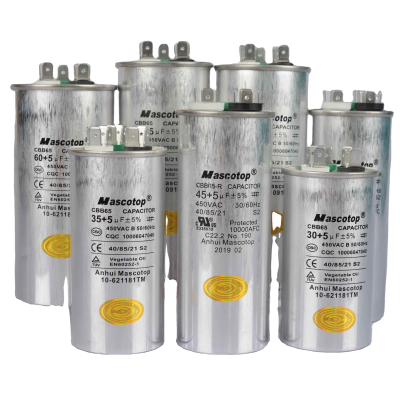
Comprehensive Sourcing Guide
250V Ceramic Capacitor Sourcing Guide
Procuring 250V ceramic capacitors requires a nuanced understanding of the diverse component landscape, as the term often encompasses various sub-types including multi-layer ceramic capacitors (MLCCs) and high-frequency specific variants. Buyers must distinguish between general-purpose surface mount devices and specialized through-hole components designed for high-voltage or high-frequency applications. The market offers a wide spectrum of options, ranging from standard bulk-packaged units to precision-tuned components for air conditioning and automotive systems. Understanding these distinctions is critical for aligning procurement with specific engineering requirements, ensuring that the selected capacitor meets both electrical performance standards and physical integration constraints.
The sourcing process is further complicated by the variability in manufacturing materials and structural designs observed across listings. While ceramic is the primary dielectric material for this category, some listings may conflate data with electrolytic or film capacitor specifications, necessitating rigorous verification of the actual product attributes. Buyers should focus on verifying the core material composition, such as ceramic for MLCCs, and confirm the structural integrity, whether fixed or tunable. This diligence prevents misalignment between the ordered component and the circuit design, particularly when dealing with high-voltage applications where dielectric strength and insulation resistance are paramount for system reliability and safety.
Product Scope and Observed Listing Signals
The observed product range indicates a significant diversity in packaging types and structural configurations, reflecting the broad utility of 250V capacitors in modern electronics. Listings frequently highlight both through-hole and surface mount packaging options, catering to different assembly technologies and board space constraints. For instance, some high-frequency ceramic capacitors are available in bulk packaging with specific standard dimensions, while others may be supplied in tape and reel formats for automated assembly. Buyers must carefully review the packaging type to ensure compatibility with their manufacturing processes, as switching between through-hole and surface mount solutions can impact production line efficiency and component handling requirements.
Application-specific signals in the market suggest that 250V ceramic capacitors are utilized in a variety of demanding environments, including air conditioners, automobiles, fans, and lighting systems. These applications often require components capable of handling high voltage and high-frequency coupling or bypassing tasks. The presence of models like TMCC02 and TMCC05 in listings points to specialized high-frequency ceramic capacitors, while other entries may reference general-purpose or AC/motor applications. Buyers should correlate these application signals with their specific use cases, ensuring that the capacitor’s intended usage, such as tuning or filtering, aligns with the functional demands of their end product.
Technical Specifications to Verify
Voltage rating and tolerance are fundamental technical parameters that must be strictly verified to ensure circuit stability and component longevity. A 250V rating is a common specification, but buyers must confirm whether this refers to DC or AC voltage, as the implications for dielectric stress and leakage current differ significantly. Additionally, tolerance levels, such as the Z tolerance observed in some listings, indicate the allowable deviation from the nominal capacitance value. Understanding these tolerances is essential for precision applications, where even minor deviations can affect the performance of high-frequency circuits or power management systems. Buyers should request detailed datasheets that explicitly state the voltage type and tolerance class to avoid operational failures.
Physical dimensions and terminal configurations are equally critical for mechanical integration and thermal management. Listings may specify dimensions such as 34x70mm or 36x70mm, along with terminal types like pin or lead configurations. These physical attributes determine how the capacitor fits into the enclosure and connects to the PCB or wiring harness. For high-voltage applications, the case material, such as bakelite or ceramic, also plays a role in insulation and heat dissipation. Buyers must verify these mechanical specifications against their design constraints, ensuring that the selected component not only fits physically but also meets the thermal and electrical isolation requirements of the assembly.
Compliance and Safety Documentation
Regulatory compliance is a non-negotiable aspect of sourcing electronic components, particularly for products destined for international markets. Standards such as ROHS, CE, and UL are frequently cited in product listings, indicating adherence to environmental and safety regulations. Buyers must verify that the supplier can provide valid certificates for these standards, ensuring that the capacitors are free from hazardous substances and meet electromagnetic compatibility requirements. The presence of multiple standards, such as UL, ROHS, and SGS, suggests a robust quality management system, but buyers should confirm the current validity of these certifications to avoid compliance risks during product audits or customs clearance.
Safety documentation also includes warranty terms and liability assurances, which provide a layer of protection for the buyer in case of component failure. A one-year warranty is a common offering, indicating the supplier’s confidence in the product’s durability. However, buyers should scrutinize the terms of the warranty, including coverage for manufacturing defects and response times for replacements. Additionally, understanding the supplier’s return policy and technical support capabilities is crucial for managing risk. Clear documentation of these commercial and safety terms helps establish a reliable supply chain and minimizes the financial impact of potential quality issues.
Cost Drivers and Commercial Terms
Pricing in the capacitor market is influenced by a variety of factors, including material costs, manufacturing complexity, and order volume. The observed price range is broad, reflecting the diversity of products from standard general-purpose capacitors to specialized high-frequency or high-voltage units. Buyers should analyze the cost structure in relation to the component’s specifications, such as voltage rating, tolerance, and packaging type. Higher performance specifications often command a premium, but buyers should also consider the total cost of ownership, including potential savings from reduced assembly time or improved reliability. Negotiating volume discounts and understanding the impact of MOQ on unit price are key strategies for optimizing procurement costs.
Commercial terms, such as MOQ and lead time, significantly impact supply chain planning and inventory management. MOQs can range from small quantities for prototyping to large volumes for mass production, with some listings specifying MOQs of 100 or 200 pieces. Lead times, typically ranging from two to three weeks, affect the ability to respond to market demand and manage production schedules. Buyers should align their ordering strategy with these commercial terms, ensuring that they can meet production deadlines without incurring excessive inventory holding costs. Clear communication regarding terms like EXW or other delivery conditions is essential to avoid unexpected logistics expenses and ensure smooth transaction execution.
Supplier Qualification and Quality Control
Supplier qualification is a critical step in mitigating supply chain risks and ensuring consistent product quality. Buyers should assess the supplier’s manufacturing capabilities, quality management systems, and track record in the industry. While ISO 9001 is a common standard, buyers should verify the supplier’s specific quality control processes, including incoming material inspection, in-process testing, and final product verification. The ability to provide detailed test reports and traceability information is a strong indicator of a supplier’s commitment to quality. Additionally, evaluating the supplier’s responsiveness and technical support capabilities can provide insights into their reliability as a long-term partner.
Quality control extends beyond initial qualification to include ongoing monitoring and performance evaluation. Buyers should establish clear quality metrics and inspection criteria, such as visual inspection standards and electrical testing protocols. Regular audits and sample testing can help identify potential issues early in the supply chain. Furthermore, fostering a collaborative relationship with the supplier, including open communication about quality concerns and continuous improvement initiatives, can enhance product reliability. By prioritizing supplier qualification and robust quality control measures, buyers can ensure that their 250V ceramic capacitors meet the required performance standards and support the integrity of their end products.
Long-Term Procurement Checks
Long-term procurement success depends on continuous monitoring of component availability and market trends. Buyers should stay informed about changes in raw material costs, manufacturing technologies, and regulatory requirements that may impact the supply of 250V ceramic capacitors. Diversifying the supplier base and maintaining relationships with multiple qualified vendors can mitigate the risk of supply disruptions. Additionally, tracking the performance of components in the field and gathering feedback from engineering teams can provide valuable insights for future procurement decisions. Proactive management of these factors ensures a resilient and adaptable supply chain.
Regular review of supplier performance and contract terms is essential for maintaining a competitive and reliable sourcing strategy. Buyers should periodically assess supplier adherence to quality standards, delivery performance, and cost competitiveness. Updating contracts to reflect current market conditions and regulatory requirements helps protect the buyer’s interests. Furthermore, investing in supplier development and collaboration can drive innovation and improve product quality over time. By implementing a structured approach to long-term procurement checks, buyers can optimize their sourcing operations and support the sustained success of their electronic products.
FAQs
What types of 250v ceramic capacitors are available?
High frequency ceramic capacitors and multi-layer ceramic capacitors are available. These units support applications like high voltage coupling and tuning while offering customization options for specific needs.
Can I find 250v ceramic capacitors with low MOQ?
Yes, minimum order quantities start at 100 pieces for some models. Other variants may require 200 pieces, allowing flexible procurement for small batch production or prototyping requirements.
How long is the lead time for these capacitors?
Lead times typically range from two to three weeks depending on the specific model. Bulk orders may require the full three weeks while other configurations can be delivered in two weeks.
Which packaging types are offered for these components?
Through hole and surface mount packaging types are available. Options include bulk, ammo, tape, and carton packaging to suit different assembly line requirements and storage preferences.
What certifications do these capacitors meet?
Products meet ROHS, UL, SGS, and CE standards. These certifications ensure compliance with international safety and environmental regulations for various industrial and consumer applications.
Where are these capacitors manufactured?
These components are manufactured in China. The origin ensures access to established supply chains while maintaining quality standards required for high frequency and high voltage applications.
What is the warranty period for these capacitors?
A one-year warranty is provided for these components. This coverage protects against manufacturing defects and ensures reliability for critical applications in motors, lighting, and general purpose circuits.