Source Transparent PETG Sheet for Thermoforming for Blister, Printing, Packaging
Compare 30 listings of Transparent PETG Sheet for Thermoforming with varying thickness, tensile strength, and customization options. Buyers can evaluate specifications like water absorption and surface finish from Jiangsu, China suppliers; compare the available evidence and request quotations based on your requirements.
Key considerations
Products List


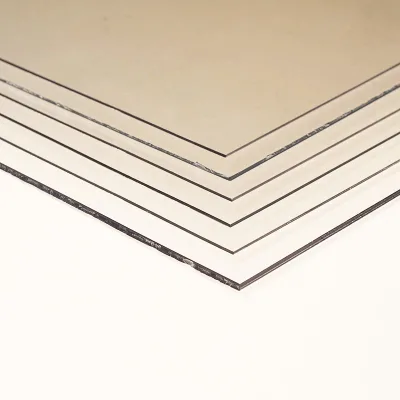


High-Gloss Thermoforming PETG Plastic Sheets for Furniture Decoration Custom
$1.09 - $1.51
MOQ: 1000 Meters


Comprehensive Sourcing Guide
Transparent PETG Sheet for Thermoforming Sourcing Guide
Procuring transparent PETG sheets for thermoforming requires a careful balance of optical clarity, mechanical strength, and processability. Buyers must distinguish between virgin and recycled materials, as the latter may compromise transparency and structural integrity. The market offers various grades, including rigid and flexible options, each suited for specific forming temperatures and pressures. Understanding these material distinctions is critical for selecting the right sheet for blister packs, cosmetic packaging, or display stands.
This guide focuses on verified product attributes and commercial realities observed in current listings. It highlights key technical parameters such as tensile strength, water absorption, and contraction percentage, which directly impact forming success rates. By aligning these specifications with application requirements, buyers can minimize waste and ensure consistent product quality. The following sections provide a structured approach to evaluating suppliers, verifying technical data, and negotiating favorable terms for high-volume PETG sheet orders.
Product Scope and Observed Listing Signals
The observed market for transparent PETG sheets includes a wide range of thicknesses, typically spanning from 0.15mm to 10mm, with common sizes like 1220mm x 2440mm readily available. Listings indicate that customization is widely supported, allowing buyers to specify exact dimensions and surface finishes, such as glossy or matte options. The product scope extends to both sheet and roll formats, with some suppliers offering widths up to 1500mm. This flexibility supports diverse thermoforming needs, from small medical blisters to large industrial trays.
Pricing signals suggest a competitive market, with observed ranges starting from low single digits to higher tiers depending on thickness and volume. Minimum Order Quantities (MOQs) vary significantly, ranging from 50 units for samples to 3000 units for bulk production, with some suppliers requiring a minimum weight of 1000kg. Buyers should note that "transparent" and "colorful" options are both available, but optical clarity is paramount for high-end packaging. Understanding these listing signals helps in filtering suppliers who can meet specific volume and customization demands.
Technical Specifications to Verify
Tensile strength is a critical mechanical property, with observed values ranging from 4150MPa for standard grades to 81130MPa for high-performance variants. Buyers must verify which grade aligns with their forming pressure and part complexity. Additionally, contraction percentage varies between <0.4% and 0.4%~1.4%, directly affecting dimensional accuracy after thermoforming. Low contraction is essential for tight-tolerance parts, while higher contraction may be acceptable for less precise applications. These mechanical properties dictate the sheet's durability and resistance to cracking during the forming process.
Water absorption rates are equally important, with observed values as low as <0.01% for premium grades and up to 1.5%~3.5% for others. High water absorption can lead to surface defects like silver streaks during heating. Density also varies, typically between 1.27g/cm3 and 1.35g/cm3, influencing the weight and cost per unit area. Buyers should request test reports for these specific parameters to ensure the material meets their processing equipment capabilities and final product performance standards.
Compliance and Safety Documentation
Regulatory compliance is non-negotiable for food-contact and medical packaging applications. Buyers should verify that suppliers hold relevant certifications, such as SGS and RoHS, which indicate adherence to international safety and environmental standards. These certifications often cover the absence of harmful substances like phthalates and heavy metals, ensuring the PETG sheets are safe for consumer products. Documentation should be current and specific to the batch or production line being supplied.
In addition to product certifications, buyers must ensure that the raw materials used are 100% virgin or clearly labeled as customized recycled content. Virgin materials generally offer superior clarity and consistency, which is crucial for transparent applications. Suppliers should provide Material Safety Data Sheets (MSDS) and declarations of conformity. Verifying these documents early in the sourcing process prevents regulatory hurdles and ensures that the final packaged goods meet destination market requirements.
Cost Drivers and Commercial Terms
Several factors influence the final cost of PETG sheets, including raw material prices, thickness, and customization requirements. Thicker sheets and wider widths typically command higher prices due to increased material usage and processing complexity. Surface treatments, such as matte finishes, may also add to the cost. Buyers should request detailed quotes that break down these variables to understand the true cost drivers and avoid hidden fees. Volume discounts are common, but the MOQ thresholds can be high, impacting cash flow for smaller buyers.
Commercial terms such as payment methods, lead times, and shipping options significantly affect the total procurement cost. Observed loading ports include Shanghai and Ningbo, with delivery available by air or sea. Lead times can vary based on order size and customization needs. Buyers should negotiate clear terms for sample costs, which are often free or low-cost, and clarify who bears the risk and cost of shipping. Understanding these commercial dynamics helps in budgeting accurately and managing supply chain risks effectively.
Supplier Qualification and Quality Control
Evaluating supplier qualifications involves assessing their production capabilities, quality control processes, and track record. Buyers should verify if the supplier uses standard export pallets and protective packaging like PE film and pearl wool to prevent damage during transit. Consistent quality control measures, such as in-line thickness monitoring and visual inspection for defects, are essential for maintaining product integrity. Suppliers with established quality management systems are more likely to deliver consistent batches that meet specified tolerances.
Requesting samples is a crucial step in supplier qualification. Buyers should test samples for forming behavior, clarity, and mechanical strength before placing large orders. Observing how the sheet responds to heat and pressure can reveal potential issues like warping or tearing. Additionally, buyers should inquire about the supplier's ability to handle custom orders and their responsiveness to technical queries. A reliable supplier will provide transparent communication and support throughout the procurement process, ensuring a smooth partnership.
Long-Term Procurement Checks
Establishing a long-term procurement strategy requires regular performance reviews and continuous improvement initiatives. Buyers should monitor key performance indicators such as on-time delivery, defect rates, and responsiveness to issues. Consistent quality and reliable supply are critical for maintaining production schedules and customer satisfaction. Building a strong relationship with suppliers can lead to better pricing, priority treatment during shortages, and collaborative innovation in material development.
Regular audits and re-verification of certifications ensure that suppliers maintain their compliance and quality standards over time. Buyers should also stay informed about market trends and technological advancements in PETG materials. This proactive approach helps in anticipating changes in demand and supply dynamics. By maintaining a diversified supplier base and fostering open communication, buyers can mitigate risks and secure a stable supply of high-quality transparent PETG sheets for their thermoforming operations.
FAQs
What thickness options are available for transparent PETG sheets?
Transparent PETG sheets are available in thicknesses ranging from 0.15mm to 3mm for standard models, with some specialized rolls offering 0.25mm to 10mm. These dimensions support various vacuum forming and blister packaging applications. Custom thicknesses can also be arranged to meet specific project requirements.
Can I get free samples before placing a large order?
Yes, free samples are typically provided to evaluate material quality before committing to bulk purchases. Stock samples or custom samples can be requested to verify properties like tensile strength and surface finish. This allows buyers to confirm suitability for thermoforming or printing processes without initial financial risk.
What certifications ensure the PETG sheets meet safety standards?
The sheets often carry SGS and RoHS certifications, ensuring compliance with international safety and environmental regulations. These credentials verify that the material is suitable for food-contact packaging and consumer goods. Buyers can rely on these documented standards to meet regulatory requirements in global markets.
How is the PETG sheet material packed for shipping?
Standard packaging includes a paper core, pearl wool, craft paper, and wrapping on an export pallet. Some variants use PE film combined with export pallets for added protection. This robust packaging ensures the sheets remain undamaged during transit by air or sea from loading ports like Shanghai.
What is the minimum order quantity for custom PETG sheets?
The minimum order quantity varies, with some listings requiring 1000kg for bulk rolls, while others accept MOQs as low as 50 units. Custom orders may have different thresholds based on specifications. Buyers should confirm specific MOQs with suppliers to align with their production volume and budget constraints.
Which applications are best suited for transparent PETG sheets?
These sheets are ideal for blister packaging, vacuum forming, printing, and general packaging solutions. Their high plasticity and light weight make them suitable for creating durable, transparent containers. The material's low water absorption and good tensile strength ensure performance in demanding thermoforming applications.