Source 3 Layer Modern Clothing Organizer for Bedroom, Living Room, Balcony
Compare 30 listings for the 3 Layer Modern Clothing Organizer featuring fabric and metal options. Buyers can evaluate customization, dimensions, and load capacity for storage in bedrooms, living rooms, and balconies.
Key considerations
Products List


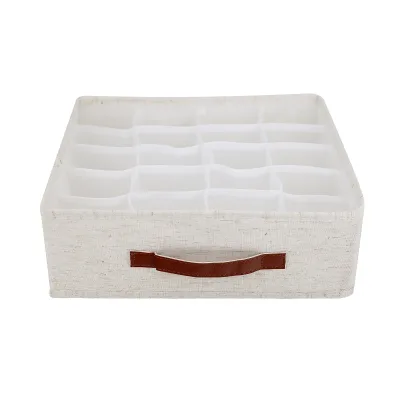
Fabric Clothing Folding Storage Box Organizers for Home Use Living Room
$0.80 - $1.80
MOQ: 1000 Pieces

Multifunction Closet Storage Washable Drawer Organizer for Clothes Storage Box
$0.80 - $1.80
MOQ: 1000 Pieces

Design Household Storage Foldable Storage Box Closet Organizer with Lid
$0.80 - $1.80
MOQ: 1000 Pieces

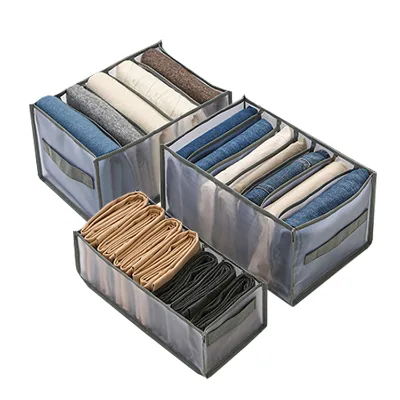
Storage Box Collapsible Clothes Organizer for Jeans Foldable Clothing Storage Box
$0.80 - $1.80
MOQ: 1000 Pieces

Storage Bag Garment Cover Storage Organizer Closet Organizer Package Bag
$2.00 - $2.80
MOQ: 100 Pieces


Hot Sale Modern Style Plastic Claothes Hangers Household Non Slip Suit Coat
$0.22 - $0.25
MOQ: 5000 pieces




Comprehensive Sourcing Guide
Strategic Sourcing Guide for 3-Layer Modern Clothing Organizers
Understanding Product Definitions and Core Attributes
When initiating a procurement strategy for a 3-layer modern clothing organizer, buyers must first establish a precise definition of the product category based on available market data. The term "clothing organizer" in a B2B context often encompasses a spectrum of storage solutions, ranging from rigid shelving units to flexible fabric bins. In the current supply landscape, products identified under this core keyword frequently exhibit specific attributes such as a "Modern" or "Simplicity" style, which aligns with contemporary interior design trends. The structural configuration is critical; while some listings describe "Rectangular" shapes, others specify "Multi-tier" designs, indicating that the "3-layer" requirement can be met through various architectural approaches, including hanging racks or freestanding units.
Material composition is a primary differentiator in this sector. The supply base includes options constructed from "Fabric," specifically "Non-Woven Fabric," as well as "Metal" variants. This distinction dictates the end-use application and durability profile. Fabric-based organizers often emphasize features like "Foldable" and "Dust-proof" capabilities, making them suitable for temporary or space-saving storage solutions. Conversely, metal constructions typically offer "Extra Heavy-duty" load capacities, exceeding 20kg, which is essential for storing dense items like winter clothing or heavy shoes. The "Original" style mentioned in some product profiles suggests a baseline aesthetic that can be customized, whereas "Modern" implies a specific design language often associated with sleek lines and functional minimalism.
Technical Specifications and Customization Parameters
Technical due diligence requires a granular analysis of the specifications provided by potential suppliers. A significant portion of the market offers "Customized" sizes, meaning the standard dimensions are not fixed. Buyers should verify if the supplier can accommodate specific footprint requirements, as observed standard dimensions in the market range from compact units like 405050 cm to larger configurations such as 583130 cm or even taller units reaching 170 cm in height. The "prod_standard" field often lists these exact measurements, serving as a baseline for comparison. However, the "Customized" attribute suggests that the 3-layer configuration is flexible; a buyer might request a specific height-to-width ratio to fit a niche closet or wardrobe system.
The "Sets" attribute is another technical variable to consider. Some product listings indicate availability in "1-3PCS" sets, while others are sold as a single unit ("1PC"). This impacts the logistics of bulk ordering and the assembly process at the destination. For a 3-layer organizer, the structural integrity of the layers is paramount. In fabric models, the "Installation Method" is often "Hanging," which requires specific mounting hardware or existing closet rods. In contrast, metal or rigid units may rely on a freestanding base. The "Folded" attribute is a key specification for logistics, as it allows for flat-pack shipping, significantly reducing volumetric weight and shipping costs. Buyers must confirm if the "Folded" state is a permanent shipping configuration or a temporary feature for storage, as this affects the unboxing experience for the end consumer.
Compliance, Certification, and Safety Standards
In the realm of B2B procurement for home organization products, compliance and certification are non-negotiable elements that protect the buyer from liability and ensure market access. The supply chain data indicates that certain manufacturers hold "BSCI" (Business Social Compliance Initiative) factory certifications. This is a critical indicator of ethical manufacturing practices, covering labor rights, health and safety, and environmental management. For buyers targeting Western markets, BSCI certification is often a prerequisite for entering major retail chains or e-commerce platforms that enforce strict supplier codes of conduct.
Beyond social compliance, product safety standards vary by material. For fabric-based organizers made from "Non-Woven Fabric," buyers should verify that the materials meet flammability and chemical safety standards relevant to their target market, such as REACH in Europe or CPSIA in the United States. While specific test results are not universally listed in the provided data, the presence of a "BSCI" certification suggests a facility that is likely audited for broader safety protocols. For metal organizers, the structural integrity and load-bearing claims (e.g., "Extra Heavy-duty") must be backed by engineering validation. Buyers should request proof of load testing to ensure that the "3-layer" design does not collapse under the stated weight limits, particularly when the "Load Capacity" is claimed to be over 20kg.
Cost Drivers and Pricing Dynamics
The pricing structure for 3-layer modern clothing organizers is influenced by a complex interplay of material costs, customization levels, and order volume. The observed price range in the market spans from $0.01 to $26.98 USD, a variance that reflects the diversity of product types. The lower end of this spectrum typically corresponds to simple, non-woven fabric bags or basic hanging organizers with minimal structural reinforcement. The higher end of the range likely encompasses metal units with advanced features, custom finishes, or complex assembly requirements.
The "MOQ" (Minimum Order Quantity) is a significant cost driver. The observed MOQ range is broad, extending from 20 units to 60,000 units. For buyers with smaller initial orders, suppliers with an MOQ of 20 or 100 units (as seen in specific product profiles) offer lower entry barriers but may carry a higher unit cost. Conversely, suppliers requiring an MOQ of 60,000 units typically offer the most competitive per-unit pricing, suitable for large-scale retail distribution. Customization is another factor that impacts cost. The availability of "Customized" logos and sizes often incurs additional setup fees or higher unit prices. Buyers must balance the desire for brand-specific customization against the economies of scale provided by standard SKUs.
Supplier Evaluation and Production Capabilities
Evaluating suppliers for clothing organizers requires a focus on their production flexibility and geographic location. The primary production origin for these items is identified as "China," with specific manufacturing hubs noted in "Zhejiang, China." This region is known for its robust textile and metalworking industries, offering a mature supply chain for both fabric and metal components. When assessing a supplier, buyers should verify their capacity to handle the "Customized" nature of the order. This includes their ability to produce "Customized" logos and adapt to specific size requirements without compromising lead times.
The "Packaging" method is a critical operational detail. Suppliers offer various packaging options, including "OPP Bag," "PE Bag," and "Carton Box." The choice of packaging affects the product's protection during transit and the unboxing experience. For fragile metal components, "Carton Box" or "Carton" packaging is essential to prevent deformation. For fabric items, "OPP Bag" or "PE Bag" may suffice, but buyers should ensure the packaging is durable enough to prevent tearing. Additionally, the "Sets" attribute (1-3PCS) indicates the supplier's ability to bundle components, which can simplify inventory management for the buyer. A supplier that can consistently deliver "Folded" products in the correct packaging configuration demonstrates a high level of operational maturity.
Quality Control and Long-Term Procurement Considerations
Implementing a robust quality control (QC) strategy is essential for maintaining the integrity of the 3-layer clothing organizer supply chain. Buyers should focus on inspecting the "Material" quality, specifically the density and durability of the "Non-Woven Fabric" or the gauge and finish of the "Metal." For fabric units, checking for loose threads, uneven stitching, and the strength of the hanging mechanisms is vital. For metal units, QC should verify the stability of the "Multi-tier" structure and the smoothness of any moving parts if the design includes adjustable features.
Long-term procurement considerations involve building a relationship with suppliers who can scale with demand. The wide range of "prod_model" identifiers (e.g., SU-SEB-007, AR001, FK2638-C) suggests a diverse product portfolio. Buyers should aim to work with suppliers who can maintain consistency across different models and ensure that the "Style" (e.g., "Modern," "Simplicity") remains consistent with brand guidelines over time. The "Application" of the product, which includes "Living Room," "Bedroom," and "Balcony," indicates that the product must withstand varying environmental conditions. For outdoor or balcony use, the material must be resistant to moisture and UV degradation.
Comparative Analysis of Product Variants
To assist in decision-making, the following table summarizes the key differentiators observed in the market for 3-layer modern clothing organizers. This comparison highlights the trade-offs between material, capacity, and customization.
| Feature | Fabric-Based Organizer | Metal-Based Organizer |
|---|---|---|
| Primary Material | Non-Woven Fabric | Metal |
| Style | Simplicity, Original | Modern |
| Load Capacity | Standard (Variable) | Extra Heavy-duty (>20kg) |
| Installation | Hanging | Freestanding / Hanging |
| Key Features | Foldable, Dust-proof | Adjustable, Durable |
| Packaging | OPP Bag, PE Bag | Carton Box |
| Customization | Logo, Size | Size, Finish |
| Typical Application | Clothing, Sundries | Heavy Storage, Multi-room |
This comparison underscores that while fabric organizers offer flexibility and space-saving benefits through their "Foldable" nature, metal organizers provide superior durability and load-bearing capabilities. The choice between the two depends heavily on the specific "Usage" requirements of the target market.
Final Procurement Recommendations
In conclusion, sourcing a 3-layer modern clothing organizer requires a balanced approach that considers technical specifications, supplier capabilities, and cost dynamics. Buyers should prioritize suppliers with verified "BSCI" certifications to ensure ethical compliance and quality standards. When negotiating, the "Customized" nature of the product should be leveraged to secure favorable terms on logo placement and sizing, while keeping an eye on the "MOQ" to optimize inventory levels. By carefully evaluating the "Material" and "Packaging" options, buyers can ensure that the final product meets the rigorous demands of the modern consumer market. The diversity of models and specifications available in the Chinese supply chain offers ample opportunity for strategic sourcing, provided that due diligence is maintained throughout the selection and production process.
FAQs
Can I customize the logo on these organizers?
Yes, logo customization is available for these storage units. Suppliers offer this service to help buyers brand their products, though specific setup fees may apply depending on the order volume and design complexity.
What materials are used for these clothing organizers?
These organizers are constructed from fabric, specifically non-woven fabric, or metal. Fabric versions often feature foldable and dust-proof attributes, while metal variants provide extra heavy-duty load capacities exceeding 20kg.
Which certification ensures ethical manufacturing practices?
BSCI factory certification is available for these products. This certification indicates compliance with social and ethical standards, covering labor rights and safety, which is often required for entering major Western retail markets.
How does the MOQ affect my order cost?
The minimum order quantity ranges from 20 to 60,000 units. Lower MOQs like 100 or 20 units allow smaller initial orders but may carry higher unit costs compared to large-scale bulk purchases.
What are the standard dimensions for these units?
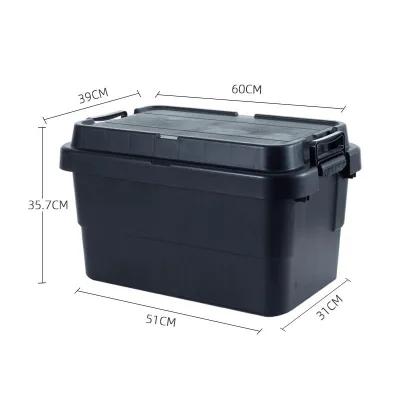
Standard sizes vary, with examples including 58*31*30 cm, 40*50*50 cm, and 18.5" H x 12.6" W x 14.3" L. Many suppliers also offer customized sizes to fit specific storage requirements.
Can these organizers be folded for shipping?
Yes, many fabric-based models are designed to be folded. This feature reduces volumetric weight during transit and allows for flat-pack shipping, significantly lowering logistics costs for buyers.
Where are these products manufactured?
The primary production origin is China, with specific manufacturing hubs located in Zhejiang. This region offers a mature supply chain for both fabric and metal components used in these organizers.