Source 3-Layer Anti-Static Phone Protective Film for Mobile, Tablet, GPS
Find 30 verified suppliers offering 3-Layer Anti-Static Phone Protective Film for mobile phones, tablets, and GPS devices. Compare specifications like thickness, viscosity, and adhesive types to select the right protective solution for your needs.
Key considerations
Products List


Idskin 360 Degree Protection Mobile Phone Screen Protector Film Cutter
$218.00 - $248.00
MOQ: 1 Pieces

Clear Polyester Film Pet Protective Film for Mobile Phones Surface Protection
$0.14 - $0.56
MOQ: 10000 Square Meters

Red Pet Protective Film with Silicone Adhesive for Phone Screen Protecting
$0.30 - $3.70
MOQ: 10000 Square Meters


TPU Screen Protector Film Anti UV Anti Blue Light Phone Screen Protector Roll Film
$5.99 - $11.00
MOQ: 1 Square Meters

TPU Screen Protector Film Anti Spy Mobile Phone Privacy TPU Screen Protector Film
$0.99 - $1.80
MOQ: 1 Pieces


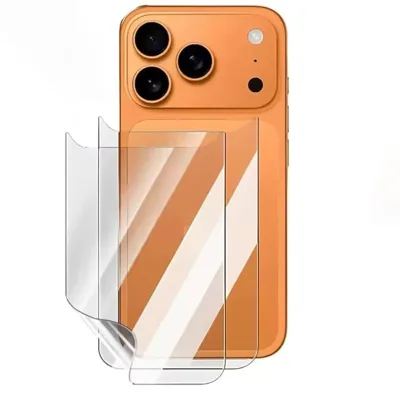

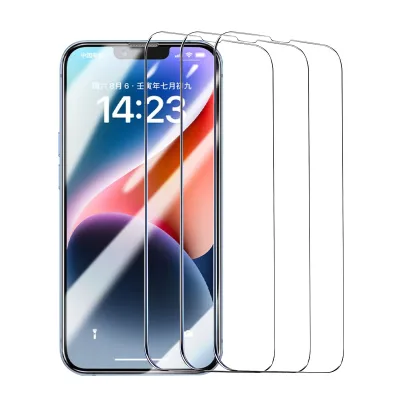
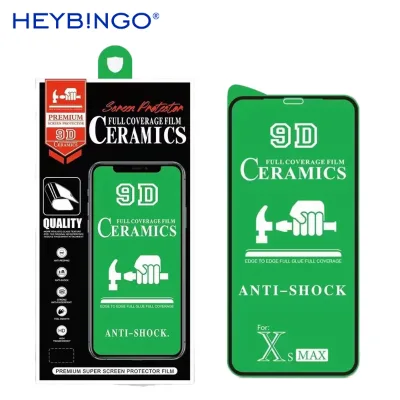


Comprehensive Sourcing Guide
Strategic Sourcing Guide for 3-Layer Anti-Static Phone Protective Film
Understanding the Technical Architecture of Multi-Layer Protection
When sourcing a product described as a "3-Layer Anti-Static Phone Protective Film," buyers must first recognize that the market often utilizes varying layer configurations to achieve specific performance goals. While the core keyword emphasizes a three-layer structure, the supplied product data reveals a diverse landscape of protective films, including four-layer composites and single-layer options. A critical distinction in the current market is the difference between simple polyethylene (PE) films and advanced composite materials. The data indicates that some high-performance options utilize a "4 Layers with Middle Line" configuration, often composed of TPU, PET, or PPF composite materials. These multi-layer systems are engineered to provide superior impact resistance and scratch protection compared to standard single-layer films.
The physical characteristics of these films are paramount for mobile device protection. The supplied facts highlight attributes such as "Ultra Thin Flexible" and "Self Adhesive Film" properties. For a three-layer anti-static solution, the buyer should verify the specific composition of each layer. Typically, the outer layer provides scratch resistance, the middle layer offers structural integrity and shock absorption, and the inner layer ensures adhesion to the device surface. The data notes an "Adhesive Classification" of Acrylate, which is a standard choice for clear, residue-free application. However, the viscosity of this adhesive varies significantly, ranging from "Medium Viscosity" to "Ultra High Viscosity." This variation dictates the film's repositionability and final bond strength. Buyers must confirm that the specific three-layer variant they select possesses the correct viscosity profile for their intended application, whether it is for a rigid phone body or a flexible screen.
Furthermore, the transparency and hardness of the film are non-negotiable for consumer electronics. The observed market data confirms that available films are "Transparent" and possess a "Soft" hardness rating, which is essential for maintaining the tactile feel of the device while providing protection. The "Anti Scratch" and "Impact Resistant" features are primary performance drivers. While the data explicitly mentions a "4 Layers" option, a true "3 layer" product would likely be a streamlined version of this composite technology, potentially omitting the middle reinforcement line or utilizing a different bonding agent. The buyer must scrutinize the product specifications to ensure the layer count matches the marketing claim, as the difference between three and four layers can significantly alter the film's flexibility and durability.
Compliance and Certification Verification Protocols
In the B2B procurement of protective films for consumer electronics, regulatory compliance is as critical as physical performance. The supplied product facts list a robust set of certifications, including SGS, ISO9001, ISO14001, Reach, and IATF16949. These certifications indicate that the manufacturing process adheres to international quality management, environmental standards, and automotive industry requirements, which often translate to high standards for consumer goods. When sourcing a 3-layer anti-static film, the buyer should explicitly request evidence of these certifications for the specific production batch.
The "Reach" certification is particularly relevant for films intended for the European market, ensuring that the chemical composition of the adhesive and the polymer layers does not contain restricted substances. Similarly, "ISO14001" confirms that the manufacturer has a certified environmental management system, which is increasingly important for corporate sustainability goals. The "IATF16949" certification, while originally designed for the automotive sector, suggests a rigorous defect-prevention mindset that benefits the electronics supply chain. Buyers should verify that the supplier's certification scope explicitly covers the production of protective films and not just general manufacturing.
Additionally, the data mentions "ROHS" as a low-confidence background fact. While this is a standard requirement for electronics accessories, the lack of high-confidence confirmation in the provided text means buyers cannot assume compliance without direct verification. The buyer must request a specific test report confirming RoHS compliance for the specific three-layer anti-static formulation. This is crucial because anti-static additives and adhesives can sometimes contain substances that violate RoHS limits if not carefully formulated. The absence of a specific "Anti-Static" certification in the high-confidence list suggests that the anti-static property is a functional characteristic rather than a certified standard, requiring the buyer to rely on the supplier's internal quality control data or third-party testing for this specific attribute.
Cost Drivers and Pricing Structure Analysis
The pricing landscape for protective films is highly variable, as evidenced by the observed range of 0.07 to 248 USD. This wide disparity is not merely a reflection of brand value but is driven by complex factors including material composition, layer count, and customization requirements. For a 3-layer anti-static film, the cost is heavily influenced by the choice of base material. The data indicates that products are made from PE, LLDPE, or composite materials like TPU and PET. TPU and PET composites are generally more expensive than standard PE or LLDPE due to their superior mechanical properties and clarity.
Customization is a primary cost driver. The supply data confirms that "Customization: Available" for thickness, width, length, and printing. The thickness range spans from 0.03mm to 0.3mm, with specific mentions of 10mic to 150mic. Thinner films often require more precise manufacturing processes, potentially increasing unit costs, while thicker films may incur higher material expenses. The "Customizable" nature of the width (1m-2.15m) and length (100m-2250m) also impacts pricing. Buyers ordering standard rolls may benefit from economies of scale, whereas custom dimensions will likely carry a premium.
The MOQ (Minimum Order Quantity) range of 1 to 30,000 units further complicates the cost analysis. A buyer seeking a small batch of 3-layer films for prototyping may face a higher per-unit cost compared to a large-scale manufacturer ordering 30,000 units. The "Free Sample" availability is a significant advantage for cost management, allowing buyers to validate the product before committing to a large order. However, the final price per unit will depend on the total volume and the specific technical requirements, such as the need for "Ultra High Viscosity" adhesives or specific "Anti Scratch" performance levels. Buyers should structure their procurement strategy to balance the need for customization with the cost benefits of standard specifications.
Typical Applications and Functional Use Cases
The versatility of protective films is evident in the diverse usage scenarios listed in the product data. While the core keyword focuses on "phone protective film," the actual applications extend far beyond mobile devices. The data lists uses in "Packaging Film," "Glass Protection," "Agriculture," "Industry," and "Gift Packaging." For the specific 3-layer anti-static variant, the primary application is clearly defined as "Mobile Phone," "Phone Screen Body," and "Metal Surface" protection. The "Anti Static" feature is particularly valuable in environments where dust attraction is a major concern, such as clean rooms or manufacturing lines for electronics.
The "Application Range" includes "Phone Screen Body," "Metal Surface," and "Home Appliances." This suggests that the film is suitable for protecting not just the glass screen but also the metal chassis of smartphones and other electronic devices. The "Self Adhesive" nature of the film makes it ideal for direct application on these surfaces without the need for additional mounting hardware. The "Def Protective Film" designation implies a role in preventing defects during the shipping and handling of finished goods.
Furthermore, the data mentions "Textile and Apparel" as a usage category, which might seem unrelated but could indicate the film's use in protecting delicate fabrics or as a component in smart clothing. The "PC/Notebook, Mobile Phone, MP3/MP4 Player, Camera, Video Game Player, GPS, PDA/Tablet PC" list highlights the broad applicability across the consumer electronics sector. Buyers should consider whether the 3-layer film's specific properties, such as its "Ultra Thin Flexible" nature, are suitable for curved screens or irregular surfaces, as the standard "12*18CM" size mentioned in the data may not fit all device models without customization.
Supplier Evaluation and Operational Capabilities
Evaluating a supplier for 3-layer anti-static films requires a deep dive into their operational capabilities and logistical support. The data indicates that the product origin is primarily "Jiangsu, Wuxi, China," a region known for its robust manufacturing infrastructure. However, the presence of multiple product models, such as "wf-117" and "IDskin," suggests that suppliers may offer a wide range of solutions. Buyers should verify that the specific supplier has the capacity to produce the "4 Layers with Middle Line" technology if the 3-layer requirement is a simplified version of this advanced process.
The "Processing Type" is listed as "Blow Molding," which is a standard method for creating films. Buyers should confirm that the supplier's blow molding equipment is capable of producing the precise thickness and layer bonding required for anti-static performance. The "After Sales" support is described as "Professional," and the supplier offers "Free Training Video" and "Operation" guidance. This is a critical factor for buyers who may need assistance with the application process, especially for complex "Fullbody Film" installations.
Logistical capabilities are also essential. The data mentions shipping via "DHL or FedEx," indicating a willingness to handle international shipments. However, the "Lead Time" is not explicitly provided in the high-confidence facts, so buyers must request this information directly. The "Customizable" packing options, such as "One Roll in One Carton," allow for flexible logistics planning. Buyers should also assess the supplier's ability to handle "Update Latest Models" for mobile devices, as the "Key Product" is described as a "Film to Make Cell Phone Cover." This implies a need for agility in the supply chain to keep up with the rapid release cycles of new smartphones.
Quality Control and Long-Term Procurement Strategy
Maintaining quality in the protective film supply chain requires a rigorous approach to quality control (QC). The "Feature" list includes "Moisture Proof," which is a critical attribute for films that must maintain their adhesive properties in varying humidity conditions. Buyers should implement incoming quality checks to verify the "Viscosity" and "Adhesive Classification" of each batch. The "Ultra High Viscosity" and "Medium Viscosity" options suggest that the supplier offers different grades, and mixing these up could lead to application failures.
For long-term procurement, the "Customizable" nature of the product offers a strategic advantage. Buyers can work with suppliers to develop proprietary specifications that differentiate their products in the market. The "Can Be Printed as Order" feature allows for branding opportunities, which can be a significant value-add. However, the buyer must ensure that the printing process does not compromise the "Anti Static" or "Anti Scratch" properties of the film.
The "Standard" of "5mm* 300m/customizable" and "12*18CM" indicates that the supplier can accommodate various roll sizes and pre-cut formats. This flexibility is essential for buyers serving different market segments, from bulk industrial users to individual consumers. To mitigate risks, buyers should establish a clear quality agreement that defines acceptable tolerances for thickness, transparency, and adhesion strength. Regular audits of the supplier's production line, particularly the "Blow Molding" process, can help ensure consistent quality. Finally, the "Free Sample" policy should be leveraged to conduct extensive testing before scaling up orders, ensuring that the 3-layer anti-static film meets all performance expectations for the intended application.
Comparative Analysis of Film Specifications
To aid in decision-making, the following table summarizes the key specifications observed in the market data, highlighting the variations that buyers must navigate when sourcing a 3-layer anti-static film.
| Specification Attribute | Observed Range/Options | Relevance to 3-Layer Anti-Static Film |
|---|---|---|
| Material Composition | PE, LLDPE, TPU, PET, PPF Composite | Determines flexibility, clarity, and scratch resistance. |
| Layer Count | 3 Layers (Target), 4 Layers with Middle Line | Critical for structural integrity and shock absorption. |
| Thickness | 0.03mm - 0.3mm (10mic - 150mic) | Thinner films offer better clarity; thicker offer more protection. |
| Adhesive Type | Acrylate (Medium to Ultra High Viscosity) | Affects repositionability and bond strength on metal/glass. |
| Transparency | Transparent | Essential for maintaining device aesthetics. |
| Hardness | Soft | Ensures tactile comfort and prevents scratching the device. |
| Certifications | SGS, ISO9001, ISO14001, Reach, IATF16949 | Validates quality, environmental, and safety compliance. |
| Customization | Width, Length, Color, Printing, Thickness | Allows tailoring to specific device models and branding needs. |
| Primary Application | Mobile Phone, Metal Surface, Home Appliances | Defines the target market and performance requirements. |
This comparison underscores the complexity of the market. A buyer seeking a "3-Layer Anti-Static Phone Protective Film" must carefully select the specific combination of material, thickness, and adhesive viscosity that aligns with their specific device requirements. The availability of "Customizable" options means that the standard "4 Layers" or "PE" options may need to be modified to achieve the desired 3-layer anti-static performance. By understanding these variables, buyers can make informed decisions that balance cost, quality, and functionality.
FAQs
What materials are used for 3-Layer Anti-Static Phone Protective Film?
The films are typically made from PE, LLDPE, or composite materials like TPU and PET. Some advanced options feature a four-layer structure with a middle line for enhanced impact resistance and scratch protection.
Which certifications do the protective film manufacturers hold?
Suppliers commonly hold SGS, ISO9001, ISO14001, Reach, and IATF16949 certifications. These standards ensure quality management, environmental compliance, and adherence to automotive industry defect-prevention mindsets.
How thick is the 3-Layer Anti-Static Phone Protective Film?
Thickness ranges from 0.03mm to 0.3mm, covering 10mic to 150mic specifications. Specific products may list 0.2mm to 0.3mm, while others offer customizable thickness within the 0.03mm to 0.12mm range.
Can I customize the size and packaging of the protective film?
Yes, customization is available for width, length, and packaging configurations. Buyers can select widths from 1m to 2.15m and lengths up to 2250m, with options like one roll in one carton.
Where are the protective film manufacturers located?
The primary production origin is Jiangsu, Wuxi, China. This region hosts factories capable of blow molding processes and offers professional after-sales support with free training videos for application.
What is the adhesive classification for these protective films?
The adhesive classification is Acrylate, which provides a clear and residue-free bond. Viscosity levels vary from medium to ultra-high, allowing selection based on repositionability and final bond strength requirements.