Source 3000w 4-in-1 laser welding machine for Auto, Electronics, and Manufacturing
Compare 30 portable 3000w 4-in-1 laser welding machines from verified Chinese suppliers. Options include 1500W to 3000W fiber laser sources with water cooling, suitable for stainless steel, aluminum, and silicon steel sheet welding in automotive and biomedical applications; compare the available evidence and request quotations based on your requirements.
Updated
Key considerations
Products List

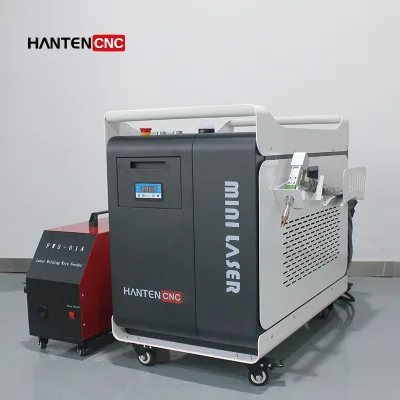
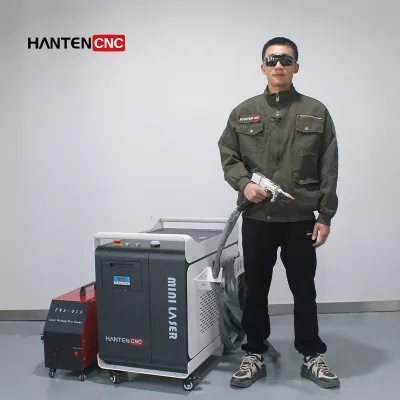
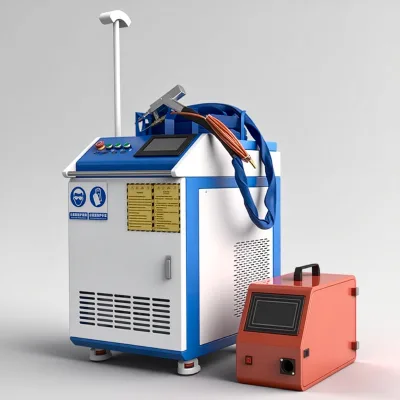
Laser Welding Machine for Metal 4 in 1 Laser Welder 3000W Laser Welding Machine
$2040.00 - $7102.00
MOQ: 1 Pieces

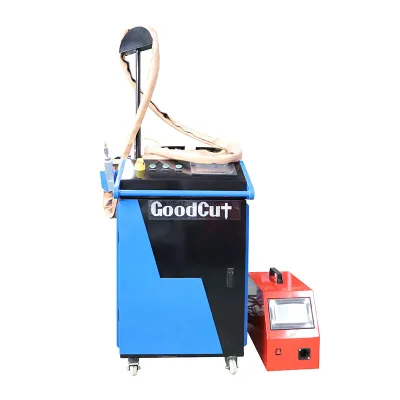
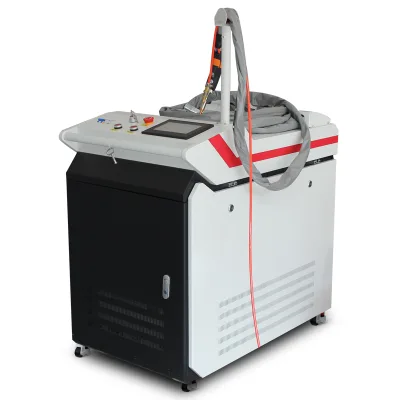


High Quality 4 in 1 Fiber Laser Welding Cleaning 2000W 3000W Laser Welding Machine with Good Price
$1300.00 - $4900.00
MOQ: 1 Sets

Laser Welding Machine for Metal 4in1 Laser Welding Machine for Metal 3000W with CE Certification
$1800.00 - $4050.00
MOQ: 1 Pieces

4in1 Laser Welding Machine Fiber laser Welding Machine 3000W From Factory Hot Sale Price
$1800.00 - $4050.00
MOQ: 1 Pieces

Laser Welders 3000W 4in1 Laser Welding Machine Laser Rust Removal Machine for Metal
$1800.00 - $3600.00
MOQ: 1 Sets

Handheld 1500W 2000W 3000W Laser Welder Fiber Laser Welding Machine 5in1
$1800.00 - $3600.00
MOQ: 1 Sets
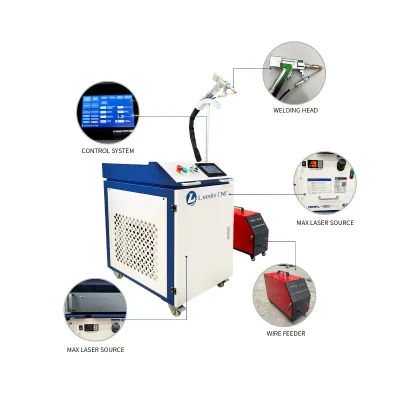
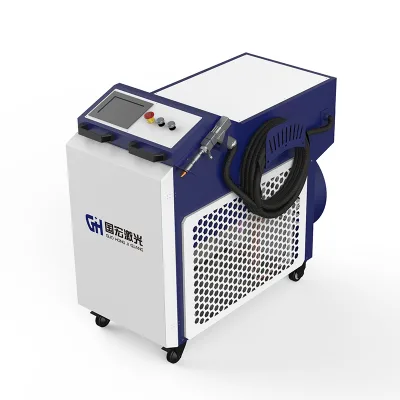


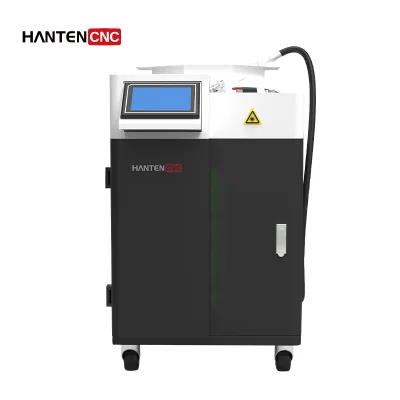
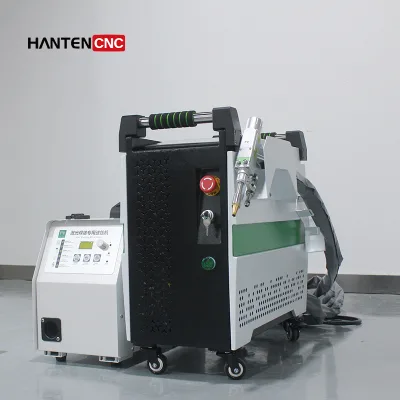
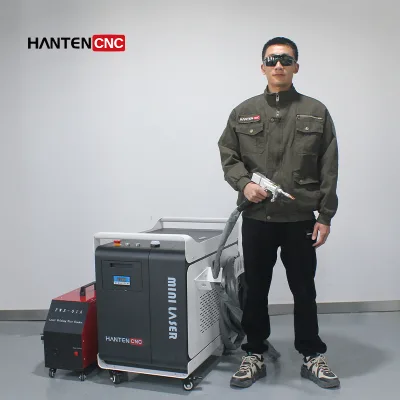
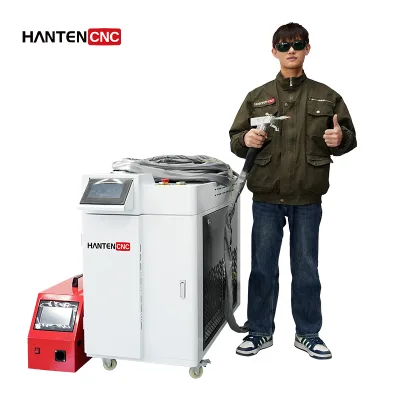
Comprehensive Sourcing Guide
3000w 4-in-1 Laser Welding Machine Sourcing Guide
Procuring a 3000w 4-in-1 laser welding machine requires careful evaluation of its versatility and power density capabilities. These units are typically classified as continuous wave fiber lasers, designed for deep fusion welding across various industrial sectors. Buyers should verify that the equipment supports manual or automatic control modes depending on their production line needs. The "4-in-1" designation often refers to an optional laser head configuration, enhancing flexibility for different welding tasks.
The observed market listings indicate a price range of $1,300 to $12,500 USD, with a minimum order quantity of one unit. This wide variance suggests differences in laser source brands, such as Max or Raycus, and overall build quality. Buyers must distinguish between basic portable models and more robust automatic systems. Understanding these distinctions is crucial for aligning the purchase with specific manufacturing, automotive, or electronic industry requirements.
Product Scope and Observed Listing Signals
The product scope encompasses portable and automatic laser welding machines capable of handling stainless steel, aluminum, and other metals. Listings frequently highlight a welding thickness range of 0.1 to 10mm, making them suitable for diverse material gauges. The core keyword implies a high-power configuration, yet observed models show power options ranging from 1000W to 3000W. Buyers should confirm the actual laser power output to ensure it meets their specific deep fusion welding demands.
Observed signals include various product models like SWT-HWD and SWT-HWD-1500, with weights varying from 90kg to 200kg. Some units are marketed with advantages like mini size and easy portability, while others are larger automatic systems. The cooling system is consistently water-cooled, which is standard for high-power fiber lasers. Buyers must verify the specific dimensions and weight to ensure compatibility with their facility’s space and handling infrastructure.
Technical Specifications to Verify
Buyers must verify the laser source brand and type, as listings mention both Max and Raycus as common suppliers. The laser classification is typically optical fiber laser, operating in continuous wave mode. It is essential to confirm the exact power rating, as some listings show 1500W or 2000W options alongside the 3000W model. Ensuring the laser source matches the required performance for thick metal welding is critical for operational efficiency and weld quality.
The control system can be either manual or automatic, depending on the specific model selected. Buyers should check the welding thickness capability, which is often cited as 0.1-10mm, to ensure it aligns with their material specifications. Additionally, the cooling system type, usually water-cooled, must be verified for compatibility with existing facility utilities. Confirming these technical details prevents mismatches between equipment capabilities and production requirements.
Compliance and Safety Documentation
Compliance documentation is a critical aspect of sourcing, with listings often citing CE, SGS, FDA, RoHS, and ISO certifications. Buyers must verify the validity and scope of these certificates, as they indicate adherence to international safety and quality standards. The presence of these certifications suggests that the manufacturer follows regulated manufacturing processes, which is vital for exporting equipment to strict markets.
Safety features and operational guidelines should be thoroughly reviewed before purchase. The equipment is designed for new condition operation, but buyers should ensure that all safety interlocks and laser protection measures are functional. Verifying that the machine meets local regulatory requirements in the destination country is essential. Proper documentation ensures that the equipment can be legally installed and operated without compliance risks.
Cost Drivers and Commercial Terms
Cost drivers for these machines include the laser source brand, power output, and control system type. Higher power options like 3000W and automatic controls typically command higher prices within the observed range. Buyers should also consider the packaging, which is often customized or provided in wooden cases, as this affects shipping costs and insurance premiums. Understanding these factors helps in negotiating better commercial terms and total cost of ownership.
Commercial terms often include a two-year warranty, which provides some assurance of product reliability. Buyers should clarify the warranty coverage, including parts and labor, to avoid unexpected maintenance costs. The minimum order quantity is typically one unit, offering flexibility for small-scale procurement. However, buyers should inquire about bulk discounts or additional support services that may be available for larger orders.
Supplier Qualification and Quality Control
Supplier qualification involves verifying the manufacturer’s reputation and production capabilities. Buyers should look for suppliers with a history of providing reliable laser welding machines and positive customer feedback. The origin of the products is typically China, so buyers must assess the supplier’s export experience and ability to handle international logistics. A qualified supplier should provide clear communication and responsive customer support throughout the procurement process.
Quality control measures should be established to ensure the equipment meets specified standards. Buyers may request pre-shipment inspections or third-party verification to confirm the machine’s performance and build quality. Checking the supplier’s ability to provide customized packing and technical support is also important. Establishing a robust quality control process helps mitigate risks associated with importing industrial machinery from overseas.
Long-Term Procurement Checks
Long-term procurement checks focus on the sustainability and support of the equipment. Buyers should verify the availability of spare parts and consumables, such as laser heads and cooling components. A reliable supply chain for these parts ensures minimal downtime and consistent production quality. Buyers should also inquire about the supplier’s ability to provide ongoing technical assistance and training for operators.
Monitoring the machine’s performance over time is essential for identifying potential issues early. Buyers should establish a maintenance schedule and keep records of all service activities. Regular checks of the water cooling system and laser source health can prevent costly repairs. By implementing these long-term checks, buyers can maximize the lifespan and efficiency of their laser welding investment.
FAQs
What power options are available for this laser welding machine?
The machine offers power options of 1000W, 1500W, 2000W, and 3000W to suit various industrial needs. These fiber laser sources allow for deep fusion welding on materials like stainless steel and aluminum. Users can select the specific wattage based on the required welding thickness and production speed requirements.
Which certifications does the laser welding machine hold?
This equipment holds multiple international certifications including CE, SGS, FDA, RoHS, and ISO standards. These documents verify that the machine meets safety and quality requirements for global manufacturing applications. Buyers can rely on these certifications when importing the unit for use in automotive or biomedical industries.
Can the machine be customized for specific manufacturing needs?
Yes, customization is available for this portable welding machine to fit unique production lines. The product features a water cooling system and comes in customized packing options like wooden cases. Buyers can request specific configurations to ensure the unit integrates smoothly with existing industrial workflows.
How heavy is the portable laser welding machine unit?
The standard unit weighs approximately 90 kilograms, making it relatively easy to carry and operate. Some larger models may weigh up to 200 kilograms depending on the specific configuration and power rating. This weight range supports its classification as a portable machine for various workshop environments.
What materials can this fiber laser welder process effectively?
The device is designed to weld all metals, including stainless steel, aluminum, and silicon steel sheets. It handles welding thicknesses ranging from 0.1mm to 10mm with precision. This versatility makes it suitable for applications in the electronic, automotive, and powder metallurgy sectors.
What is the warranty period for the laser welding equipment?
The manufacturer provides a two-year warranty for the laser welding machine to ensure long-term reliability. This coverage applies to the new condition units supplied from China. Buyers should verify specific terms with the supplier to understand the full scope of the warranty protection.