Source Air-Cooled Bench-Top Laser Engraving Machine for Jewelry, Metal, and Glass
Explore 30 air-cooled bench-top laser engraving machines from verified Chinese suppliers. Compare fiber laser options for metal, glass, and wood marking with varying power levels, software controls, and engraving speeds to find the ideal solution for your specific industrial or commercial application needs today.
Updated
Key considerations
Products List
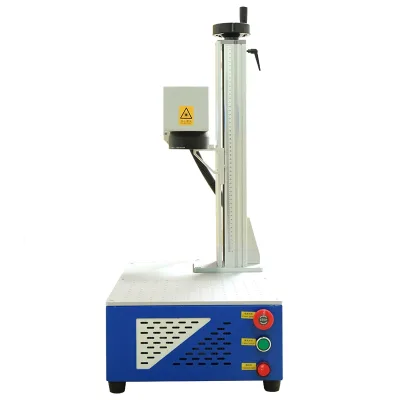
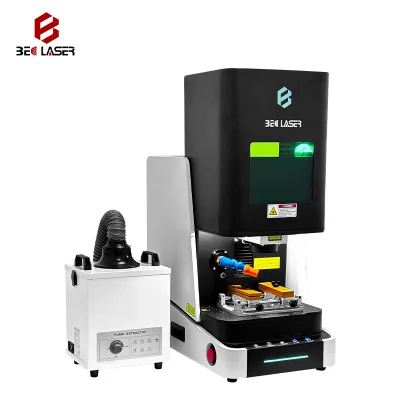
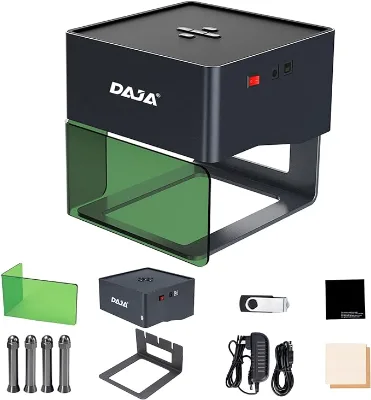

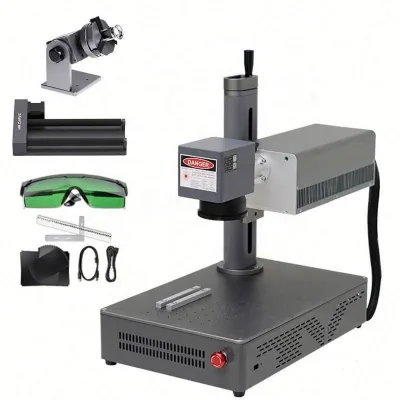


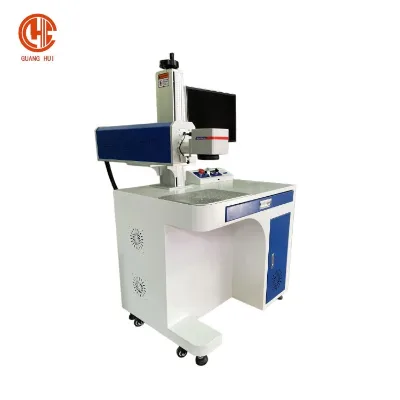
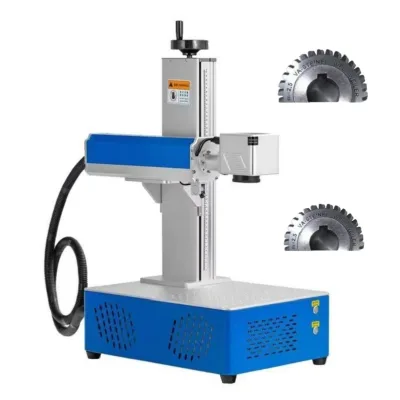
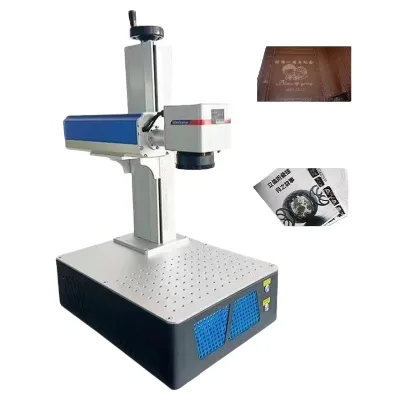
Optical Engraving Machines Including Laser Engraving Machines and Small Laser Engraving Machines
$764.2271 - $1626.8611
MOQ: 1 Minimum


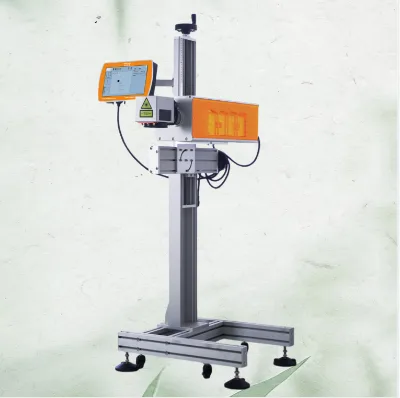

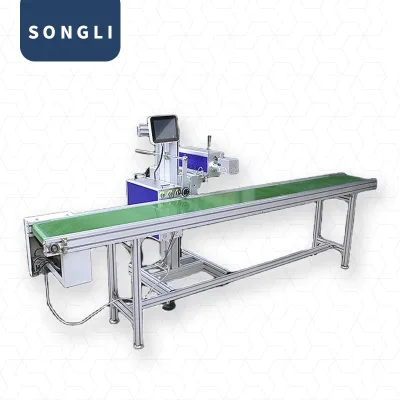

Laser Cutting Machine for Pipes Metal Tube Laser Engraving Machine
$28000.00 - $38000.00
MOQ: 1 Pieces

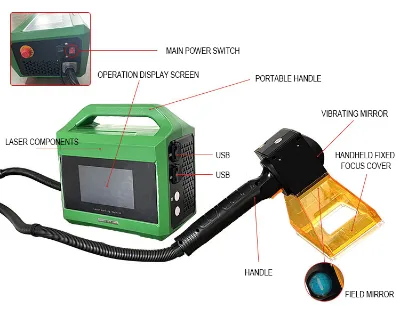
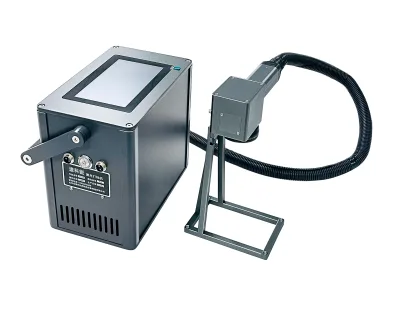

Comprehensive Sourcing Guide
Air-Cooled Bench-Top Laser Engraving Machine Sourcing Guide
Procuring an air-cooled bench-top laser engraving machine requires a careful balance between compact footprint and industrial-grade performance. These systems are designed for environments where floor space is limited, yet consistent marking quality is non-negotiable. The air-cooled configuration eliminates the need for external water chillers, reducing installation complexity and maintenance overhead. Buyers must evaluate whether the thermal management of the air-cooled system meets the demands of their specific production volume, ensuring that continuous operation does not lead to overheating or reduced laser source lifespan.
The bench-top form factor offers significant advantages for small to medium-sized enterprises and prototyping labs. It allows for easy integration into existing workstations without requiring dedicated machine rooms. However, the enclosed nature of many modern units necessitates strict adherence to safety protocols regarding ventilation and interlock systems. Sourcing decisions should prioritize machines that offer user-friendly interfaces and reliable software compatibility, as these factors directly impact operator training time and daily throughput efficiency in a busy manufacturing setting.
Product Scope and Observed Listing Signals
Market listings for these machines reveal a diverse range of specifications, particularly regarding laser power and marking area. Observed data indicates that power options typically span from 20W to 100W, with specific models offering 50W or 70W configurations. The marking area varies, with common dimensions including 110mm x 110mm and 150mm x 150mm. Buyers should verify the exact laser source brand, such as JPT, Raycus, or Maxphotonics, as this component significantly influences long-term reliability and marking speed capabilities.
Graphic format support is another critical signal for compatibility with existing design workflows. Supported formats often include AI, BMP, CDR, DXF, Dst, Dwg, and DXP, ensuring seamless integration with standard CAD and vector graphics software. The control system, frequently based on JCZ or EZCAD platforms, dictates the ease of operation and feature set available to the user. Additionally, the condition of the equipment is predominantly listed as new, with warranty periods ranging from one to two years, providing a baseline for risk assessment during the procurement phase.
Technical Specifications to Verify
When evaluating technical specifications, the laser type and cooling mode are paramount for operational suitability. Most observed units utilize fiber laser technology, which is ideal for metal marking applications. The cooling mode is consistently listed as air-cooled, which simplifies infrastructure requirements but requires adequate ambient ventilation. Buyers must confirm the marking speed, which typically ranges from 3000 to 7000 mm/s, and the working accuracy, often cited at 0.01mm, to ensure the machine meets precision requirements for detailed logos or serial numbers.
Material compatibility and engraving depth are also key verification points. While some units are specified for metal, others may support glass or wood, depending on the laser wavelength and power. Engraving depth generally falls between 0.1mm and 0.5mm, with some applications achieving less than 0.1mm for surface marking. The voltage requirements vary by region, with options for 110V 60Hz or 220V 50Hz, necessitating careful electrical planning. Additionally, the weight of the unit, observed around 78kg for certain models, impacts installation logistics and stability during high-speed operation.
Compliance and Safety Documentation
Safety compliance is a critical aspect of sourcing laser equipment, particularly for industrial environments. Buyers should request documentation confirming adherence to relevant laser safety standards, such as IEC 60825, which governs the safety of laser products. Although specific certification status may not always be explicitly listed in initial inquiries, verifying CE compliance is essential for markets in Europe and other regions requiring strict regulatory adherence. This ensures that the machine’s electrical components and laser emissions meet established safety thresholds.
The physical design of the machine also plays a role in safety. Many bench-top models feature fully enclosed structures to contain laser radiation and protect operators from moving parts. Buyers must verify the presence and functionality of safety interlocks that disable the laser when the enclosure is opened. Additionally, the control system should include software-level safety features, such as password protection and emergency stop integration. Ensuring that the supplier provides comprehensive safety manuals and training materials is vital for maintaining a secure operating environment.
Cost Drivers and Commercial Terms
Several factors influence the total cost of ownership for air-cooled bench-top laser engraving machines. The laser power and source brand are primary cost drivers, with higher wattage and premium brands commanding higher prices. The observed price range spans from approximately $143.71 to $38,000, reflecting the vast difference between entry-level desktop units and high-performance industrial systems. Buyers should align their budget with their specific throughput and precision requirements, avoiding over-specification that does not yield proportional operational benefits.
Commercial terms, including minimum order quantity (MOQ) and warranty coverage, also impact procurement strategy. Observed MOQs are often set at one unit, facilitating flexible purchasing for small businesses. Warranty periods typically range from one to two years, covering key components like the laser source and control system. Buyers should negotiate clear terms for spare parts availability and technical support response times. Understanding the selling units, which are often listed as single items, helps in planning inventory and cash flow for initial equipment acquisition.
Supplier Qualification and Quality Control
Evaluating supplier qualifications is essential to mitigate procurement risks. Buyers should verify the supplier’s place of origin, with common locations including Hubei and Guangdong in China, to assess the regional manufacturing ecosystem. Requesting video outgoing-inspection reports can provide visual confirmation of the machine’s condition and functionality before shipment. Although such reports are not always available, suppliers who proactively offer them demonstrate a commitment to transparency and quality assurance.
Quality control processes should include pre-shipment testing of marking speed, accuracy, and software compatibility. Buyers should inquire about the supplier’s testing protocols for the laser head and control system, ensuring that each unit meets specified performance criteria. Additionally, verifying the brand of critical components, such as the optical lens and marking head, helps ensure consistency and reliability. Suppliers with established reputations for user-friendly designs and competitive pricing are often better equipped to provide ongoing support and spare parts.
Long-Term Procurement Checks
Long-term procurement success depends on the availability of technical support and spare parts. Buyers should confirm the supplier’s ability to provide remote troubleshooting and on-site service if necessary. The control system brand, such as Beckhoff or JCZ, should have a robust ecosystem of software updates and driver support. Ensuring that the laser source brand offers a reliable supply chain for replacement units is crucial for minimizing downtime in case of failure.
Maintenance requirements for air-cooled systems include regular cleaning of lenses and ventilation fans to prevent dust accumulation. Buyers should establish a preventive maintenance schedule based on the manufacturer’s recommendations. Additionally, monitoring the warranty terms for extensions or upgrades can provide long-term cost savings. By focusing on these operational and support factors, buyers can ensure that their investment in an air-cooled bench-top laser engraving machine delivers sustained value and productivity over its lifespan.
FAQs
What graphic formats does the air-cooled bench-top laser engraving machine support?
The machine supports multiple graphic formats including BMP, CDR, DXF, PLT, Dst, AI, Dwg, and DXP. This compatibility allows users to import various design files directly into the control software for precise marking and engraving tasks without needing complex conversion steps.
Which laser types are available for air-cooled bench-top laser engraving machines?
Available laser types include fiber lasers and other options suitable for metal marking. Some models utilize specific laser source brands like Maxphotonics or JPT, ensuring high precision. The choice depends on the specific material requirements and desired engraving depth for the application.
Can the air-cooled bench-top laser engraving machine handle metal materials?
Yes, the machine is designed to mark metal materials effectively. It features an engraving depth of 0.1-0.5mm for metals, making it suitable for industrial marking applications. The fiber laser option is particularly effective for durable and precise metal identification tasks.
What is the marking speed of the air-cooled bench-top laser engraving machine?
The marking speed ranges from 3000 to 7000 mm/s depending on the specific model and configuration. This high speed ensures efficient production workflows. Users can adjust settings within this range to balance speed and precision based on the complexity of the engraving design.
What warranty is provided for the air-cooled bench-top laser engraving machine?
Warranty periods vary by manufacturer, with options including 1 year and 2 years coverage. This warranty typically covers manufacturing defects and ensures support for the machine's operational longevity. Buyers should verify the specific warranty terms with the supplier before finalizing the purchase agreement.
Where are air-cooled bench-top laser engraving machines typically manufactured?
These machines are primarily manufactured in China, with origins in regions like Hubei and Guangdong. This location offers a robust supply chain for laser components and assembly. Buyers can source directly from these manufacturing hubs to ensure competitive pricing and reliable supply chain logistics.