Source 90mm PCD ATV and Golf Car Steel Wheels for ATVs, Golf Carts, and UTVs
Find and compare 30 listings for 90mm PCD ATV and Golf Car Steel Wheels. Evaluate specifications such as wheel size, offset, and center hole dimensions to identify suitable components for utility vehicles and recreational carts.
Key considerations
Products List


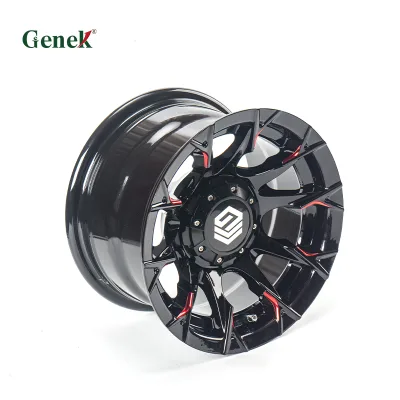


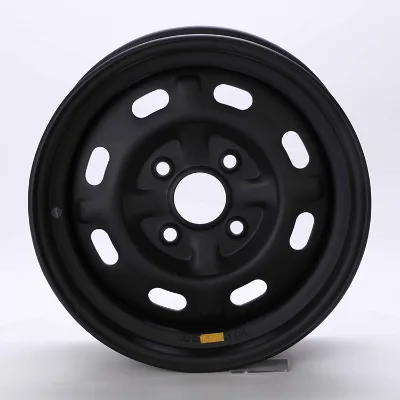


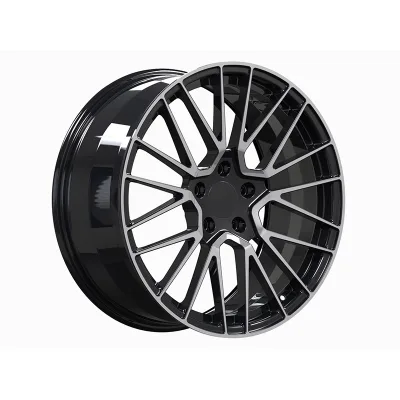
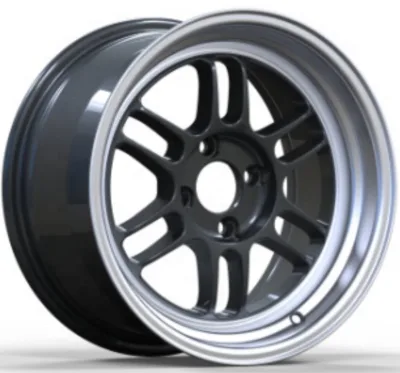
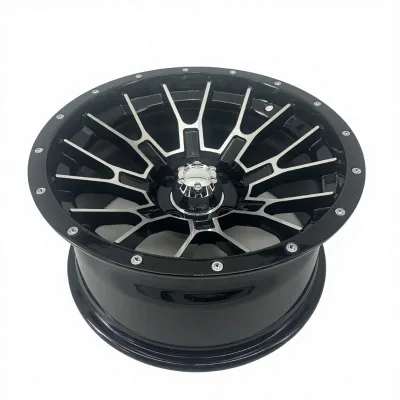
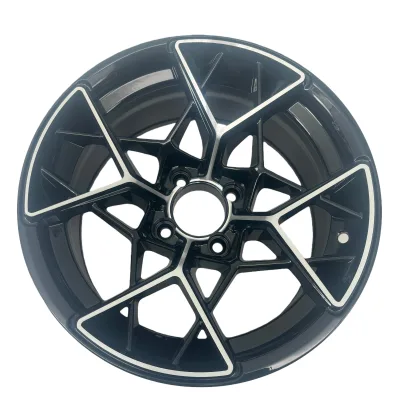

Comprehensive Sourcing Guide
90mm PCD ATV and Golf Car Steel Wheels Sourcing Guide
Sourcing steel wheels for all-terrain vehicles (ATVs) and golf cars requires a precise understanding of fitment geometry, material properties, and commercial terms. The 90mm PCD (Pitch Circle Diameter) specification is a critical identifier for wheel compatibility, particularly in markets where this bolt pattern is standard for smaller utility vehicles and recreational carts. Buyers must navigate a landscape where product listings often mix specifications, requiring careful verification of the center bore, offset, and rim width to ensure the wheel physically mounts to the vehicle hub without modification. This guide provides a structured approach to evaluating suppliers, interpreting technical data, and managing procurement risks for these specific components.
The following sections detail the essential steps for validating product scope, verifying technical specifications, ensuring compliance, analyzing cost drivers, qualifying suppliers, and establishing long-term procurement checks. By adhering to these evidence-based practices, procurement professionals can mitigate the risk of ordering incompatible parts, avoid quality disputes, and secure reliable supply chains for steel wheels that meet the operational demands of ATV and golf car fleets.
Product Scope and Observed Listing Signals
The observed market for 90mm PCD steel wheels includes a variety of rim sizes and configurations, with listed prices ranging from $4 to $198.75 USD and minimum order quantities (MOQs) varying from 1 to 500 units. This wide price and quantity range indicates a fragmented supplier base, offering both low-volume trial orders and bulk industrial supply. Buyers should note that while the core keyword specifies a 90mm PCD, many listings in this category also feature alternative PCDs such as 114.3mm, 110mm, and 101.6mm, necessitating strict filtering to isolate the correct 90mm variants. The presence of customization options suggests that suppliers may offer tailored finishes or packaging, which can be leveraged for branding or logistical efficiency.
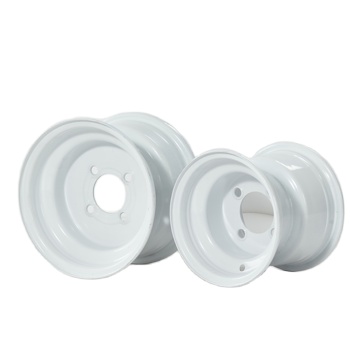
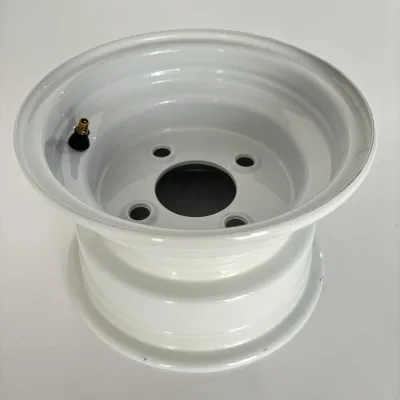
Product models observed in this segment include specific designations like "5.50X7 4P0 90X70" and "7.00x8 3P0 90X54," which encode the rim width, diameter, bolt pattern, and center hole dimensions. These model numbers serve as primary identifiers for verification, allowing buyers to cross-reference supplier claims with physical requirements. The material is consistently identified as steel, with some listings also mentioning aluminum alloy options, though the focus here remains on steel construction due to its durability and cost-effectiveness for utility applications. Packaging is typically listed as pallet or carton, which impacts shipping volume and handling requirements, especially for large orders.
Technical Specifications to Verify
Verification of the 90mm PCD is the primary technical hurdle, but it is insufficient on its own. Buyers must also confirm the center hole diameter, which varies significantly even among wheels with the same PCD. For instance, one observed model with a 90mm PCD has a center hole of 70mm, while another with the same PCD has a center hole of 54mm. This discrepancy is critical because a wheel with a larger center hole than the vehicle hub will require hub-centric rings to function safely, whereas a wheel with a smaller center hole will not fit at all. Procurement teams must match the center hole specification exactly to the vehicle’s hub diameter to avoid costly returns or unsafe installations.
Rim dimensions and offset are equally vital for proper fitment and vehicle dynamics. Observed specifications include rim sizes such as 5.50X7, 7.00X8, and 7.00X12, with offsets ranging from 0mm to -10mm. The offset determines how far the wheel mounts from the hub face, affecting track width and suspension clearance. For example, a -10mm offset pushes the wheel outward, which may be desirable for wider tires but requires verification of fender clearance. Additionally, load capacity and speed ratings, such as 400kgs at 100km/h or speed symbol S, must be aligned with the vehicle’s operational parameters. Buyers should request detailed dimension drawings for each SKU to confirm these attributes before placing orders.
Compliance and Safety Documentation
Certification is a key indicator of manufacturing quality and regulatory compliance. Observed products in this category frequently list certifications such as ISO, TUV, and DOT, which suggest adherence to international quality management and safety standards. However, buyers must verify the validity and scope of these certifications, as listing them does not guarantee that every batch or specific model is covered. TUV and DOT certifications are particularly relevant for road-legal vehicles, while ISO certifications indicate a structured quality management system. Procurement teams should request copies of these certificates and check their expiration dates and applicable product ranges to ensure they cover the specific 90mm PCD wheels being ordered.
Beyond certifications, buyers should inquire about testing protocols and quality control processes. While specific test results are not provided in the observed data, reputable suppliers should be able to describe their internal testing for structural integrity, corrosion resistance, and load bearing. For steel wheels, surface treatment and paint quality are critical for longevity, especially in outdoor or off-road environments. Buyers should ask for samples to inspect finish quality and verify that the wheels meet the stated load capacity and speed ratings. Documentation should also include material certificates to confirm the steel grade used, ensuring consistency and reliability in performance.
Cost Drivers and Commercial Terms
The price range of $4 to $198.75 USD reflects variations in rim size, thickness, surface treatment, and order volume. Larger rims, such as 7.00X12, typically command higher prices than smaller 5.50X7 rims due to increased material usage and manufacturing complexity. Buyers should analyze the cost per unit relative to the specifications, ensuring that lower prices do not compromise on critical attributes like wall thickness or coating quality. The MOQ range of 1 to 500 units offers flexibility, but bulk orders often yield better unit prices. Procurement teams should negotiate tiered pricing structures that reward larger commitments while maintaining the ability to reorder smaller quantities for replenishment.
Shipping and packaging costs are significant factors in the total landed cost. The observed packaging options of pallet or carton suggest that logistics planning is essential, especially for heavy steel wheels. Buyers should clarify whether packaging is included in the quoted price and request details on pallet dimensions and weight to calculate freight accurately. Additionally, customization options may incur additional costs, so buyers should assess whether branding or specific packaging requirements justify the expense. Payment terms and lead times should also be negotiated, with clear agreements on delivery schedules to avoid production delays for vehicle assembly or maintenance operations.
Supplier Qualification and Quality Control
Supplier qualification begins with verifying the place of origin and manufacturing capabilities. Observed products list origins such as China and Jiangsu, which are known hubs for wheel manufacturing. Buyers should conduct due diligence on the supplier’s production capacity, quality control systems, and track record. Requesting references or case studies from other clients in the ATV or golf car industry can provide insights into the supplier’s reliability and product consistency. It is also advisable to visit the factory or hire a third-party inspection service to verify that the manufacturing processes align with the claimed certifications and quality standards.
Quality control should be integrated into the procurement process through pre-shipment inspections and sample approvals. Buyers should establish clear acceptance criteria for dimensions, finish, and packaging, and require that the supplier adhere to these standards. Random sampling during production or before shipment can help detect defects early and prevent large-scale issues. Additionally, buyers should maintain open communication with the supplier regarding any changes in materials or processes, ensuring that modifications are approved and documented. Building a strong relationship with the supplier can facilitate better support for warranty claims and continuous improvement initiatives.
Long-Term Procurement Checks
Long-term procurement success depends on regular performance reviews and continuous monitoring of product quality. Buyers should track key metrics such as defect rates, delivery times, and supplier responsiveness to identify trends and areas for improvement. Establishing a feedback loop with end-users or internal teams can provide valuable insights into real-world performance, such as issues with corrosion, fitment, or durability. This data should be used to negotiate improvements with the supplier and adjust specifications as needed to meet evolving operational requirements.
Supply chain resilience is another critical aspect of long-term procurement. Buyers should diversify their supplier base to mitigate risks associated with single-source dependencies, especially for critical components like wheels. Maintaining relationships with alternative suppliers can provide flexibility in case of disruptions or quality issues with the primary supplier. Additionally, buyers should stay informed about industry trends and regulatory changes that may impact product requirements, ensuring that their procurement strategies remain aligned with market demands and safety standards. Regular audits and reviews of supplier performance will help maintain high standards and ensure a reliable supply of 90mm PCD steel wheels for ATV and golf car applications.
FAQs
What certifications do the steel wheels have?
The steel wheels carry ISO, TUV, and DOT certifications. These standards ensure the products meet international safety and quality requirements for use on ATVs and golf carts.
Can I request customization for these wheels?
Yes, customization is available for these steel wheels. Buyers can specify certain attributes to meet unique operational needs while maintaining the core structural integrity of the product.
Which wheel sizes are available for purchase?
Available wheel sizes include 5.50X7, 7.00X10, 5.00X8, 7.00X8, and 7.00X12. These dimensions cover various applications for ATVs and golf carts with specific bolt patterns.
How is the product packed for shipping?
The wheels are packed using pallets or cartons. This packaging method ensures the steel rims remain secure and undamaged during transit from the factory in Jiangsu, China.
What is the minimum order quantity for these wheels?
The minimum order quantity ranges from 1 to 500 units depending on the specific model. This flexibility allows buyers to start with small batches or place larger orders.
Which center hole dimensions are offered?
The wheels feature center holes of 70mm, 72mm, 90mm, and 54mm. These dimensions correspond to different vehicle hub requirements for proper fitment on ATVs and golf carts.
What is the load capacity of the 7.00x8 model?
The 7.00x8 model supports a load capacity of 400kgs at speeds up to 100km/H. This specification ensures safe operation under typical heavy-duty usage conditions.