Source ATV Motorcycle Oil Pump for Engines, Generators, and Pumps
Explore 30 verified listings for the ATV Motorcycle Oil Pump, comparing specifications like material, flow rate, and certifications. Buyers can evaluate options from manufacturers in Ningbo, China, with varying MOQs and delivery times to find the right fit for their equipment needs.
Key considerations
Products List




Comprehensive Sourcing Guide
Strategic Sourcing Guide for ATV Motorcycle Oil Pumps
Understanding Technical Specifications and Performance Requirements
When sourcing an oil pump for an All-Terrain Vehicle (ATV), the primary objective is to identify a component that ensures consistent lubrication under the extreme stress conditions typical of off-road environments. The core product category is defined as an oil pump, specifically designed for high-pressure performance. In the context of the available market data, these units are frequently categorized by their drive mechanism, with electric drive systems being a prominent configuration. This distinction is critical because the drive type directly influences the pump's integration with the ATV's engine management system and its ability to maintain a constant flow rate.
The performance metric of "High Pressure" is a recurring attribute in the observed product listings, indicating that these pumps are engineered to deliver oil at pressures sufficient to lubricate high-torque engines and complex transmission systems. A constant flow rate is another essential specification, ensuring that the engine receives a steady supply of lubricant regardless of RPM fluctuations, which is vital for preventing wear during rapid acceleration or steep inclines. Buyers must verify that the specific model they select matches the engine displacement and architecture of their target ATV. For instance, specific models are noted to fit particular engine configurations, such as the 2T 1PE40MB or Bitzer series variants, suggesting that compatibility is not universal across all pump types.
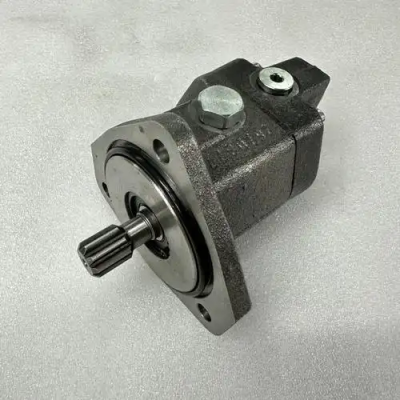
Material composition plays a significant role in the durability and weight of the pump. The observed market data highlights two primary materials: iron and aluminum. Iron pumps generally offer robustness and resistance to high mechanical stress, making them suitable for heavy-duty applications. Conversely, aluminum pumps provide a lighter weight profile, which can be advantageous for performance-oriented ATVs where reducing unsprung mass is a priority. The color of the unit, often observed as silver, is typically a result of the surface treatment or material finish, which may also contribute to corrosion resistance.
| Attribute | Observed Value | Sourcing Implication |
|---|---|---|
| Drive Type | Electric | Verify compatibility with engine ECU and power supply. |
| Flow Rate | Constant Pump | Essential for stable lubrication under varying RPMs. |
| Performance | High Pressure | Required for high-torque engines and complex gearboxes. |
| Material | Iron / Aluminum | Iron for durability; Aluminum for weight reduction. |
| Model Variants | 2T 1PE40MB, Bitzer F-G-H-J | Must match specific engine block and port configurations. |
Compliance, Certification, and Standard Verification
Navigating the regulatory landscape is a critical step in the procurement of automotive components. The supply chain for oil pumps in this sector often involves a complex web of certifications that validate the manufacturer's adherence to quality and safety standards. The observed data indicates a wide range of certifications, including ISO9001, CCC, and various international standards like DOT, CE, and RoHS. These certifications are not merely marketing labels; they serve as evidence that the manufacturing process meets specific quality management and environmental requirements.
ISO9001 is a foundational standard for quality management systems, ensuring that the supplier has consistent processes in place to produce reliable products. The presence of CCC (China Compulsory Certification) suggests that the product meets specific safety requirements for the Chinese market, which is often a prerequisite for export to certain regions. Additionally, certifications such as ISO/TS, ISOECE, and AMECA indicate compliance with technical specifications for automotive components and environmental regulations. Buyers must be vigilant, as the presence of a certification on a listing does not guarantee that every unit in a batch is certified; verification of the specific batch or production line is necessary.
Beyond general quality certifications, specific industry standards like SGS and FSC may appear in the documentation. SGS is a recognized inspection and verification company, and their involvement often implies third-party testing of the product's physical properties. The FSC certification, while more common in forestry, can appear in packaging contexts, indicating sustainable sourcing of packaging materials. It is also important to note that some listings reference "Standard" or "as your request" regarding product standards. This ambiguity requires the buyer to explicitly define the required standard in the purchase order, rather than assuming a default.
The certification landscape also includes environmental and safety standards such as HACCP, GSV, and GMP. While these are more common in food or general manufacturing, their inclusion in automotive listings suggests a high level of process control and supply chain security. Buyers should request copies of valid certificates and verify their expiration dates. Furthermore, the "LPI" standard mentioned in the data appears to be a specific brand or proprietary standard associated with the supplier's internal quality benchmarks. Understanding the hierarchy of these standards helps in prioritizing suppliers who demonstrate a commitment to comprehensive compliance rather than minimal regulatory adherence.
Cost Drivers and Pricing Dynamics
The pricing structure for ATV oil pumps is influenced by a variety of factors, ranging from raw material costs to logistical complexities. The observed price range in the market spans from $0.01 to $517.86, a variance that reflects differences in product complexity, material quality, and brand positioning. At the lower end of the spectrum, prices may correspond to basic models or generic components with minimal customization. The upper end likely represents specialized units, such as those with high-pressure capabilities, specific model fits like the Bitzer series, or those bundled with premium packaging and certification documentation.
Material costs are a primary driver of price variation. Aluminum pumps, being lighter and often more expensive to machine than iron equivalents, may command a higher price point. Similarly, pumps with advanced features, such as electric drive systems or high-pressure performance ratings, involve more complex engineering and manufacturing processes, which naturally increase the unit cost. The "High Quality Performance" and "OEM Quality" attributes observed in the listings suggest that premium pricing is associated with components that meet or exceed original equipment manufacturer specifications.
Minimum Order Quantity (MOQ) also plays a significant role in the effective cost per unit. The observed MOQ range is 1 to 1000 units, with a specific high-confidence fact noting an MOQ of 300 pieces for certain listings. Buyers ordering small quantities may face higher per-unit costs due to the fixed costs of setup and production runs. Conversely, larger orders can leverage economies of scale to reduce the unit price. The "Negotiable" price attribute indicates that the final cost is often subject to discussion based on order volume, payment terms, and long-term partnership potential.
Logistics and packaging add another layer to the total cost of ownership. The data mentions various packaging options, including "One Pump With a Carton," "Paper Box Carrier," and "Neutral Package /OPP Bag." Specialized packaging, such as Lpi Brand or OEM packaging, may incur additional costs but is essential for protecting the product during transit and maintaining brand integrity. The "One-Stop Source" advantage mentioned in the listings suggests that some suppliers may offer bundled services, such as sourcing related components, which can streamline the procurement process but may affect the overall pricing structure.
Typical Applications and Fitment Compatibility
The application of oil pumps in the ATV sector is diverse, covering a wide range of engine types and vehicle classes. The specific model numbers observed, such as 7260658, 7260647L, and 0936382, indicate that these pumps are designed for specific engine architectures. The "Fit for: 150z" attribute highlights the importance of matching the pump to the engine displacement and configuration. In the two-stroke (2T) engine category, the 1PE40MB model is explicitly mentioned, suggesting a specialized design for this engine type.
The Bitzer series, including models F, G, H, and J, represents another significant application area. These models are often associated with refrigeration or specialized industrial applications, but their presence in the ATV oil pump context suggests they may be adapted for specific high-performance or heavy-duty ATV engines. The origin of these pumps, noted as Ningbo, China, indicates a concentration of manufacturing expertise in this region, which is known for its robust automotive component supply chain.
Compatibility is not limited to the engine model; it also extends to the vehicle's overall system. The "Electric" drive type implies that the pump integrates with the vehicle's electrical system, requiring specific voltage and current ratings. Buyers must ensure that the pump's electrical specifications match the ATV's power supply to avoid operational failures. Additionally, the "Constant Pump" flow rate is crucial for maintaining consistent lubrication across different driving conditions, from low-speed crawling to high-speed trail riding.
The "Main Market" data points to North America and South America as key regions for these products. This suggests that the pumps are designed to meet the regulatory and performance standards prevalent in these markets. The "Professional" service and "Oversea Office" presence in Germany and America indicate that suppliers are equipped to handle international logistics and customer support, which is essential for ensuring that the correct fitment is achieved for global buyers.
Supplier Evaluation and Operational Capabilities
Evaluating a supplier for ATV oil pumps requires a comprehensive assessment of their operational capabilities, geographic location, and service infrastructure. The data indicates that the primary place of origin is China, with specific mentions of Ningbo and Chongqing as key manufacturing hubs. Ningbo, in particular, is highlighted as a major shipping port, which facilitates efficient logistics for international buyers. The presence of branch offices in Chongqing and overseas offices in Germany and America suggests a global operational footprint, which can be beneficial for managing supply chain disruptions and providing localized support.
The "One-Stop Source" advantage is a significant factor in supplier selection. This capability implies that the supplier can provide not only the oil pump but also related components or services, streamlining the procurement process. The "Professional" service attribute further reinforces the idea that the supplier offers technical support and guidance, which is crucial for ensuring the correct selection and installation of the pump.
Lead time is another critical operational metric. The observed delivery time of 30 days provides a benchmark for planning production schedules. Buyers should verify if this lead time is consistent across different order volumes and if it includes time for quality control and packaging. The "Free Sample Available" attribute is a valuable tool for supplier evaluation, allowing buyers to physically inspect the product before committing to a larger order. This practice helps in verifying the quality, fitment, and performance of the pump against the stated specifications.
The "Trading Term" of FOB/CIF indicates the flexibility in shipping arrangements. FOB (Free on Board) allows the buyer to control the shipping process from the port of origin, while CIF (Cost, Insurance, and Freight) includes the cost of shipping and insurance to the destination port. Understanding these terms is essential for calculating the total landed cost and managing logistics risks.
Quality Control and Long-Term Procurement Strategies
Ensuring the long-term reliability of ATV oil pumps requires a robust quality control strategy. The "12 Months" warranty is a standard offering observed in the market, providing a baseline guarantee of product durability. However, buyers should look beyond the warranty period and establish a comprehensive quality assurance program. This includes verifying the "High Quality Performance" and "High Quality & OEM Quality" claims through independent testing or third-party inspections.
The "Customization: Available" attribute offers an opportunity for buyers to tailor the product to their specific needs. This could involve modifications to the drive mechanism, material composition, or packaging. Customization can enhance the fitment and performance of the pump but requires clear communication with the supplier to ensure that the modifications do not compromise the product's integrity or certification status.
For long-term procurement, building a strategic partnership with the supplier is essential. The "Negotiable" price and "Free Sample" policies indicate a willingness to collaborate. Buyers should leverage these opportunities to establish long-term contracts that secure favorable pricing and priority production slots. Regular audits of the supplier's manufacturing processes and quality control systems can help maintain high standards and prevent quality issues from arising.
Finally, the "Main Market" focus on North and South America suggests that the suppliers are experienced in meeting the demands of these regions. Buyers should ensure that the pumps comply with the specific regulations and standards of their target markets. By combining technical verification, certification checks, and strategic supplier evaluation, buyers can secure a reliable supply of high-performance oil pumps for their ATV operations.
FAQs
What certifications do these oil pumps hold?
Many units hold ISO9001, CCC, and CE certifications. Some listings also include DOT, RoHS, and SGS standards. Buyers should verify specific batch certificates as not all units in a listing may carry every certification.
Which materials are used for ATV oil pumps?
Pumps are commonly manufactured from iron or aluminum. Iron offers robustness for heavy-duty stress, while aluminum provides a lighter profile. The color is typically silver due to surface treatment or material finish.
Can I customize the packaging for these pumps?
Yes, customization is available for packaging options. Buyers can choose from Lpi Brand, OEM packaging, neutral boxes, or OPP bags. Specific requests like paper box carriers are also supported by suppliers.
What is the typical lead time for delivery?
The standard delivery time is approximately 30 days. This duration applies to orders meeting the minimum quantity requirements. Buyers should confirm exact timelines based on their specific order volume and shipping port.
How do I find pumps for specific engine models?
Select pumps based on model numbers like 2T 1PE40MB or Bitzer series variants. Compatibility is critical, so match the pump to the engine displacement and architecture. Specific fitment data like 150z is also available.
What is the minimum order quantity for these pumps?
The minimum order quantity ranges from 1 to 1000 units depending on the supplier. Some specific listings require a minimum of 300 pieces. Prices are often negotiable based on the order volume.
Where are these oil pumps manufactured?
The primary place of origin is China, with Ningbo being a key manufacturing hub. Some listings specify Ningbo, Zhejiang, China. Shipping ports include Ningbo, Shanghai, and other main Chinese ports.