Source 3D Car Emblem for Auto Branding, Racing Decals, and Custom Badges
Compare 30 listings for 3D Car Emblem options including die casting, ABS plastic, and plating finishes. Buyers can evaluate customization, lead times, and packaging for company identification or sporting sticker applications.
Key considerations
Products List


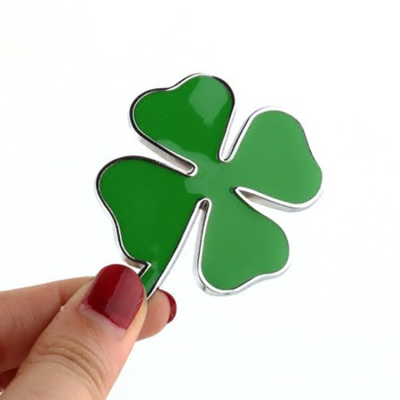


Comprehensive Sourcing Guide
Strategic Sourcing Guide for 3D Car Emblems
Understanding the Technical Landscape of 3D Automotive Badges
The market for 3D car emblems is defined by a diverse array of manufacturing techniques and material compositions that directly influence the final aesthetic and durability of the badge. When sourcing these components, buyers must first distinguish between the primary production methods observed in current listings. The two dominant technical approaches are die casting and stamping. Die casting typically involves molten metal being forced into a mold, resulting in a solid, heavy, and highly detailed emblem often associated with premium vehicle branding. Stamping, conversely, involves pressing sheet metal into a specific shape, which is a cost-effective method for producing flatter, yet still three-dimensional, designs.
Material selection is the second critical technical variable. The supply chain for these emblems frequently utilizes metal as the base material, providing the necessary rigidity and metallic luster expected by automotive manufacturers. However, a significant segment of the market also incorporates ABS plastic, particularly for applications requiring complex geometries or where weight reduction is a priority. The choice between metal and ABS often dictates the plating process and the overall finish. For instance, metal substrates are commonly plated with brass, silver, gold, nickel, copper, or antique finishes to achieve specific visual effects. The plating technique itself is a crucial observation; some products are described simply as "plated," while others specify the exact metal alloy used, such as chrome or antique gold.
The physical form of the emblem is equally variable. While many standard emblems adhere to a round shape, the capability for custom shapes is a widespread feature in the modern market. This flexibility allows for the creation of geometric designs that align with specific brand identities. Furthermore, the depth of the 3D effect is a key differentiator. Some products are explicitly marketed with a "3D" feature, which may involve layered construction or raised elements that catch light differently than flat badges. The surface finish often includes soft enamel, imitation hard enamel, or hard enamel applications, which add color and texture to the design. Buyers should verify that the specific product listing confirms the desired combination of shape, material, and plating, as these attributes are not universal across all suppliers.
Compliance Verification and Certification Standards
Navigating the compliance landscape for automotive accessories requires a rigorous approach to verifying standards and certifications. In the context of 3D car emblems, the "standard" attribute often refers to the design specification rather than a regulatory body. Many suppliers operate under "Customer Designs," meaning the product is manufactured to the buyer's specific blueprints rather than a pre-existing industry standard. However, this does not negate the need for material safety and quality certifications.
One specific certification mentioned in the available data is SGS, a global inspection, verification, testing, and certification company. If a supplier claims SGS compliance, it implies that the product has undergone third-party testing for quality and safety. Buyers should request proof of this certification rather than accepting the claim at face value. Additionally, the concept of "Eco-Friendly" is frequently cited as a product feature. While this is a positive attribute, it requires clarification. Buyers must determine what specific environmental standards the product meets, such as restrictions on hazardous substances or the recyclability of the materials used.
The regulatory environment for automotive parts is strict, particularly regarding emissions and material safety. While the provided data mentions "REACH" in a low-confidence background context, it is prudent for buyers to understand that REACH (Registration, Evaluation, Authorisation and Restriction of Chemicals) is a critical regulation for products entering the European market. Even if a specific listing does not explicitly state REACH compliance, any metal or plastic component intended for automotive use should be scrutinized for compliance with such regulations. The absence of a specific certification claim in a product listing should not be interpreted as a lack of compliance, but rather as a signal to request documentation. Buyers should verify that the supplier can provide test reports confirming that the plating materials and adhesives used do not contain prohibited substances.
Cost Drivers and Pricing Dynamics
The pricing structure for 3D car emblems is influenced by a complex interplay of material costs, manufacturing complexity, and order volume. The observed price range in the market is exceptionally broad, spanning from $0.10 to $1,000 per unit. This variance is not arbitrary; it reflects the difference between simple, mass-produced plastic stickers and high-end, custom-die-cast metal emblems with intricate enamel work.
Material cost is a primary driver. Metal emblems, particularly those plated with precious metals like gold or nickel, inherently cost more than their ABS plastic counterparts. The plating process itself adds significant value; a simple silver plating is less expensive than a multi-layer antique gold finish. Furthermore, the customization level plays a pivotal role. Products described as "Customized" or "Customer Designs" often command a premium due to the tooling and setup costs involved in creating unique molds or dies.
Order volume is another critical factor. The Minimum Order Quantity (MOQ) observed in the market ranges from 1 to 1,000 units. Suppliers offering an MOQ of 1 are typically catering to prototyping or small-batch needs, which carries a higher per-unit cost. Conversely, suppliers with an MOQ of 50 sets or higher are positioned for bulk procurement, where economies of scale can significantly reduce the unit price. Buyers should be aware that the "Factory low price" advantage often cited by suppliers is contingent on meeting these volume thresholds.
Lead time also impacts cost. The data indicates a sample production time of 10 days and a mass production lead time of 16 days. These timelines are relatively standard but can vary based on the complexity of the design and the current workload of the manufacturer. Rush orders or expedited shipping will inevitably increase the total cost of procurement. Buyers must balance the urgency of their needs against the budget constraints, understanding that faster delivery often comes at a premium.
Typical Applications and Functional Requirements
3D car emblems serve a variety of functional and aesthetic purposes beyond simple brand identification. The primary application is company identification, where the emblem acts as a visual marker of corporate identity or vehicle ownership. In this context, the durability and visibility of the badge are paramount. The observed "Use Life" of 5-8 years suggests that these products are designed to withstand long-term exposure to environmental elements, including UV radiation, rain, and temperature fluctuations.
Another significant application is as a promotion gift. In this scenario, the emblem serves as a marketing tool, often distributed at trade shows or as part of a corporate gifting program. The "Gift" attribute highlights the potential for these items to be packaged in decorative boxes, such as gift boxes or cartons, to enhance their perceived value. The packaging details, such as "2PCS/Poly Bag, 80 PCS/Gift Box," indicate that the product is often sold in bulk units for distribution purposes.
For automotive enthusiasts and customizers, the emblem functions as a decoration sticker. The "Rear Sticker Type" and "Body Stickers" classifications point to their use in personalizing vehicles. The "Easy" installation feature is a critical requirement for this application, as end-users typically install these badges without professional tools. The adhesive strength and the backing material must be sufficient to ensure the badge remains attached under various driving conditions.
The "Sporting Sticker" category suggests a niche application for performance vehicles or racing teams, where the emblem may denote a specific class or team affiliation. In these cases, the design often incorporates geometric shapes and bold colors to ensure high visibility. The "Flashing" feature observed in some listings adds a dynamic element, though this is less common for standard emblems and more typical for specialized lighting accessories. Buyers should carefully match the application requirements with the product specifications to ensure the chosen emblem meets the intended use case.
Supplier Evaluation and Quality Assurance
Evaluating suppliers for 3D car emblems requires a multi-faceted approach that goes beyond price comparison. The geographic origin of the product is a key indicator of supply chain dynamics. The majority of the observed products originate from China, with specific mentions of Guangdong as a manufacturing hub. This region is known for its robust manufacturing infrastructure and expertise in metalworking and plastic molding. However, buyers should verify the specific factory location to ensure it aligns with their logistical and ethical sourcing requirements.
Quality control is paramount in this sector. The "Bubble Bag" and "OPP Bag" packaging options indicate that suppliers are aware of the need to protect the product during transit. However, the level of protection should be commensurate with the value of the item. For high-end metal emblems, more robust packaging, such as foam bags or rigid boxes, may be necessary to prevent damage. Buyers should request samples to evaluate the packaging quality firsthand.
The "Advantage" of a "Factory low price" should be scrutinized. While cost efficiency is desirable, it should not come at the expense of quality. Buyers should verify the supplier's production capabilities, including their equipment for die casting and stamping. The ability to produce "Custom Size" and "Custom Shape" items indicates a flexible manufacturing process, but it also requires a robust quality assurance system to ensure consistency across different designs.
Communication and responsiveness are also critical indicators of supplier reliability. The "Fast and Safe" delivery claim suggests a focus on logistics, but buyers should confirm the specific shipping methods and insurance options available. A supplier that can provide clear documentation, including material safety data sheets and quality inspection reports, is generally more reliable than one that cannot.
Long-Term Procurement Considerations
Sourcing 3D car emblems is not merely a transactional activity but a strategic decision that impacts long-term brand perception and operational efficiency. The "Modern" age classification of the products suggests that they are designed to meet current aesthetic trends, but buyers must consider the longevity of these designs. Automotive trends can shift rapidly, and a design that is popular today may become obsolete tomorrow. Therefore, suppliers with the capability to adapt quickly to design changes are highly valuable.
Sustainability is an increasingly important factor in long-term procurement. The "Eco-Friendly" attribute is a positive sign, but buyers should look for concrete evidence of sustainable practices, such as the use of recycled materials or energy-efficient manufacturing processes. The "Use Life" of 5-8 years is a strong selling point, as it reduces the frequency of replacement and minimizes waste. However, buyers should verify that the materials used are durable enough to meet this lifespan claim under real-world conditions.
Scalability is another consideration. As a buyer's business grows, their demand for emblems will likely increase. A supplier with a high production capacity and a flexible MOQ structure can support this growth without the need to switch vendors. The observed MOQ range of 1 to 1,000 units suggests that many suppliers can accommodate both small and large orders, but buyers should confirm the maximum production capacity to avoid bottlenecks during peak demand periods.
Finally, the relationship with the supplier should be viewed as a partnership. A supplier that offers design support, rapid prototyping, and consistent quality control can become a strategic asset. The "Customized" nature of the products means that the supplier plays a significant role in the final outcome. Buyers should invest time in building a strong relationship with their supplier to ensure that the long-term procurement goals are met efficiently and effectively.
FAQs
What materials are used for 3d car emblems?
The emblems are primarily made of metal or ABS plastic. Metal options include brass plating, while ABS is used for specific designs. Buyers should verify the material listed for each product to ensure it meets durability requirements.
How long does mass production take for these emblems?
Mass production typically requires 16 days for completion. Sample production takes 10 days before the full order begins. These timelines apply to standard orders and may vary based on design complexity.
Can I get custom shapes and sizes for the emblems?
Yes, custom shapes and custom sizes are available for these products. The standard supports customer designs allowing for geometric or specific brand shapes. This flexibility enables unique branding without compromising the 3D feature.
What plating options are available for the metal emblems?
Available plating options include gold, nickel, copper, antique gold, and antique nickel. Some listings also specify silver plating. The choice of plating affects the final aesthetic and should be selected based on the desired finish.
What is the minimum order quantity for these emblems?
The minimum order quantity ranges from 1 to 1000 units depending on the supplier. Some specific listings require 50 sets as the minimum. Lower MOQs are often available for prototyping, while bulk orders may have different thresholds.
How are the emblems packaged for shipping?
Packaging options include bubble bags, OPP bags, and gift boxes. Some suppliers use poly bags with 2 pieces per bag and 80 pieces per gift box. The packaging is designed to protect the product during transit.
Are these emblems suitable for company identification purposes?
Yes, the emblems are explicitly designed for company identification and decoration. They feature a use life of 5 to 8 years, ensuring long-term visibility. The easy installation makes them practical for various corporate applications.