Source 3D Cartoon Print Bed Sheet for Home Hotel Wedding
Compare 30 listings for 3D Cartoon Print Bed Sheet from verified suppliers. Options include polyester and cotton materials with various GSM weights and set configurations for home, hotel, and wedding use.
Key considerations
Products List


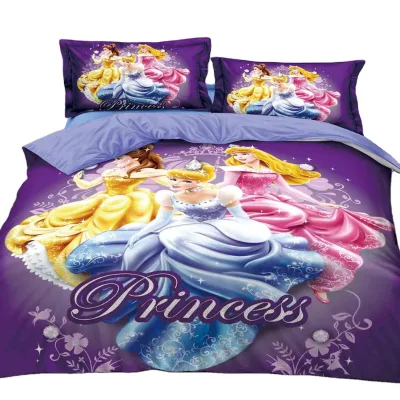


Indonesia/Thailand Market Hot Sales Cartoon Design 100 Polyester Bed Sheet Fabric
$0.51 - $0.55
MOQ: 5000 Meters
Comprehensive Sourcing Guide
3D Cartoon Print Bed Sheet Sourcing Guide
Sourcing 3D cartoon print bed sheets requires a nuanced understanding of both the visual technology used to create the illusion of depth and the textile properties that ensure durability and comfort. Buyers must distinguish between true high-resolution digital printing that mimics three-dimensional effects and standard flat prints that may be marketed with similar terminology. The visual appeal of cartoon motifs, often targeting younger demographics or those seeking playful interior aesthetics, demands precise color matching and sharp edge definition to maintain the integrity of the design. This guide provides a structured approach to evaluating suppliers, verifying technical specifications, and ensuring that the final product meets both aesthetic expectations and functional requirements for home or hospitality use.
The procurement process for these items involves balancing artistic complexity with manufacturing feasibility. Suppliers often utilize disperse rotary printing or reactive printing techniques, each offering distinct advantages in terms of color vibrancy, fabric hand feel, and environmental impact. Understanding the specific printing method is crucial, as it directly influences the fabric weight, GSM (grams per square meter), and the overall cost structure. Furthermore, the choice of material, whether polyester, cotton, or blends, plays a pivotal role in how the print adheres to the fabric and how the bedding performs after repeated washing cycles. This guide aims to equip buyers with the necessary knowledge to navigate these variables effectively.
Product Scope and Observed Listing Signals
The market for 3D cartoon print bed sheets encompasses a variety of configurations, ranging from simple two-piece sets to comprehensive six-piece ensembles. Observed listings indicate that sets typically include a duvet cover, bedsheet, and pillowcases, with the number of pieces varying based on the specific product model and customer preference. For instance, some configurations offer a duvet cover paired with two pillowcases, while others may include additional components like fitted sheets or extra pillowcases. The flexibility in set composition allows buyers to tailor orders to specific market demands, whether for individual consumers or bulk hospitality procurement.
Visual attributes are a primary driver in this category, with printed patterns being the standard feature. The "3D" aspect often refers to the depth and realism of the cartoon imagery, which requires high-quality printing technology to achieve. Listings frequently highlight customization options, allowing buyers to request specific cartoon characters, color palettes, or layout adjustments. This level of customization is supported by OEM (Original Equipment Manufacturer) services, enabling brands to create unique product lines that stand out in competitive markets. However, buyers should verify the minimum order quantities (MOQ) associated with custom designs, as these can be significantly higher than those for standard stock items.
Technical Specifications to Verify
Fabric composition is a critical technical specification that determines the performance and feel of the bed sheet. Common materials observed in this category include 100% polyester, 100% cotton, and blends such as polyester/acrylic. Polyester-based fabrics are often preferred for their durability, shrink-resistance, and ability to hold vibrant prints, while cotton offers superior breathability and a natural hand feel. Buyers must verify the exact material composition, as discrepancies between stated and actual materials can lead to customer dissatisfaction. Additionally, the fabric weight, measured in GSM, varies across products, with observed values ranging from 80 GSM to 120 GSM, and some listings indicating weights up to 110 GSM.
Printing techniques and bed styles are equally important technical considerations. Disperse rotary printing and reactive printing are common methods, each affecting the color fastness and texture of the final product. Disperse printing is often used for polyester fabrics, providing excellent color penetration and vibrancy, while reactive printing is suitable for cotton and offers a softer hand feel. The "3D" effect is achieved through high-resolution digital printing or specialized rotary printing processes that create depth and shading. Buyers should request samples to evaluate the print quality, ensuring that the cartoon details are sharp and the colors are accurate. Furthermore, specifications such as thread count (e.g., 200tc) and yarn count (e.g., 40s) provide additional insights into the fabric's density and quality.
Compliance and Safety Documentation
Safety and compliance are paramount when sourcing bed sheets, especially those with cartoon prints that may appeal to children or families. While specific certification statuses vary by supplier, buyers should ensure that products comply with relevant international standards for textile safety, including restrictions on harmful substances such as formaldehyde, heavy metals, and azo dyes. Documentation such as test reports from accredited laboratories can verify that the dyes and fabrics used are safe for skin contact and do not pose health risks. Buyers should request these documents during the supplier qualification phase to mitigate potential regulatory and liability issues.
Environmental and ethical considerations are increasingly important in the textile industry. Buyers may seek suppliers who adhere to sustainable manufacturing practices, such as using eco-friendly dyes or reducing water consumption during the printing process. Certifications like OEKO-TEX Standard 100 can provide assurance that the products are free from harmful levels of toxic substances. Additionally, compliance with labor standards and ethical sourcing practices should be verified, particularly if the products are marketed to environmentally and socially conscious consumers. Buyers should inquire about the supplier's policies and certifications related to sustainability and ethical manufacturing to align with their brand values.
Cost Drivers and Commercial Terms
The cost of 3D cartoon print bed sheets is influenced by several factors, including material costs, printing complexity, and order volume. Polyester and cotton materials have different price points, with cotton generally being more expensive due to its natural origin and processing requirements. The complexity of the 3D print design can also impact costs, as intricate patterns may require more time and resources to produce accurately. Additionally, the GSM of the fabric affects the material usage and, consequently, the cost per unit. Buyers should analyze these variables to understand the cost structure and negotiate favorable pricing based on their specific requirements.
Commercial terms, such as MOQ and lead times, play a significant role in the procurement process. Observed MOQs for customized products can range from 200 sets to 70,000 units, depending on the supplier and the level of customization required. Standard items may have lower MOQs, making them suitable for smaller orders or trial purchases. Lead times are also variable, influenced by factors such as production capacity, material availability, and shipping logistics. Buyers should establish clear communication with suppliers regarding these terms to ensure that orders are fulfilled within the desired timeframe. Payment terms, packaging options, and shipping methods should also be negotiated to align with the buyer's operational needs.
Supplier Qualification and Quality Control
Supplier qualification is a critical step in ensuring the reliability and consistency of 3D cartoon print bed sheets. Buyers should conduct thorough due diligence, including verifying the supplier's business license, production capabilities, and quality management systems. Site visits or virtual audits can provide insights into the manufacturing processes, equipment, and workforce skills. Additionally, reviewing the supplier's track record, including customer testimonials and case studies, can help assess their reputation and reliability. Buyers should prioritize suppliers who demonstrate a commitment to quality and continuous improvement.
Quality control measures are essential to maintain product consistency and meet customer expectations. Buyers should establish clear quality standards and inspection criteria, including checks for print accuracy, fabric defects, and stitching quality. Pre-production samples should be approved before bulk manufacturing begins to ensure that the final product meets the agreed specifications. During production, random inspections can help identify and address any issues early on. Post-production, final inspections should be conducted to verify that the products meet all quality requirements before shipment. Implementing a robust quality control process helps minimize defects and ensures customer satisfaction.
Long-Term Procurement Checks
Long-term procurement success depends on building strong relationships with suppliers and maintaining open communication. Regular performance reviews can help assess supplier reliability, product quality, and responsiveness to issues. Buyers should establish key performance indicators (KPIs) to measure supplier performance, such as on-time delivery rates, defect rates, and customer satisfaction scores. These metrics can provide valuable insights into areas for improvement and help drive continuous improvement efforts. Additionally, fostering a collaborative relationship with suppliers can lead to better pricing, priority production, and access to new innovations.
Market trends and consumer preferences are constantly evolving, requiring buyers to stay informed and adaptable. Monitoring changes in design trends, material preferences, and regulatory requirements can help buyers anticipate market shifts and adjust their sourcing strategies accordingly. Engaging with suppliers to explore new technologies, such as advanced printing techniques or sustainable materials, can provide a competitive edge. Buyers should also consider diversifying their supplier base to mitigate risks associated with single-source dependencies. By maintaining a proactive and strategic approach to procurement, buyers can ensure long-term success in the 3D Cartoon Print Bed Sheet market.
FAQs
What materials are used for 3d cartoon print bed sheets?
The available materials include 100% polyester and 100% cotton options. Some sets feature a blend of polyester and acrylic with a polyester filling. The fabric weight varies between 80GSM and 120GSM depending on the specific model selected.
Can I customize the design and packaging for these sets?
Yes, customization is available for both the product design and the packaging. You can choose from PVC bags, OPP bags, or cartons. OEM services are acceptable, allowing you to tailor the product to your specific branding needs.
Which sizes are offered for the 3D Cartoon Print Bed Sheet sets?
The sets come in Queen size and specific dimensions like 2.3 by 2.5 meters. The composition of the set varies, offering options with 3, 4, or 6 pieces including duvet covers, bedsheets, and pillow cases.
How many pieces are included in a standard set?
A standard set typically contains 3, 4, or 6 pieces depending on the configuration. Common details include one duvet cover, one bedsheet, and two pillow cases. Some variations may include only a bedsheet and two pillow cases.
What printing techniques are used for the cartoon patterns?
The printing techniques include Disperse Rotary Print, Reactive Print, and Disperse Print. These methods ensure the cartoon patterns are vibrant and suitable for home, hotel, or wedding usage. The fabric is woven to support these detailed designs.
Are there specific features like shrink resistance or anti-static properties?
Yes, certain models feature shrink-resistant properties to maintain size after washing. Other options include anti-static and anti-pilling features. These characteristics ensure durability and comfort for adult users across four seasons.
What is the minimum order quantity for these bed sheet sets?
The minimum order quantity ranges from 1 to 70,000 pieces depending on the supplier. Specific models may have a set MOQ of 200 sets. Buyers should verify the exact MOQ for their chosen model and customization requirements.