Source 3D Cartoon PLA Cookie Cutters for baking, parties, and crafts
Compare 11 listings of 3D Cartoon PLA Cookie Cutters from Zhejiang suppliers. Buyers can review custom sizes, cartoon shapes, and eco-friendly PLA materials for baking, parties, and crafts.
Key considerations
Products List


Comprehensive Sourcing Guide
3D Cartoon PLA Cookie Cutters Sourcing Guide
Sourcing 3D Cartoon PLA Cookie Cutters requires a nuanced understanding of the intersection between biodegradable material science and functional bakery tool design. Unlike traditional metal or rigid plastic cutters, PLA (Polylactic Acid) offers a distinct value proposition centered on sustainability and aesthetic appeal, making it particularly suitable for eco-conscious brands and specialized confectionery applications. Buyers must navigate the specific physical properties of PLA, such as its thermal sensitivity and structural rigidity, to ensure the final product meets both operational efficiency and environmental claims. This guide provides a structured approach to evaluating suppliers, verifying technical specifications, and managing commercial risks associated with this niche category of kitchenware.
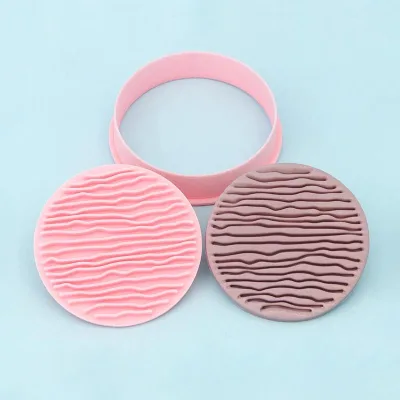
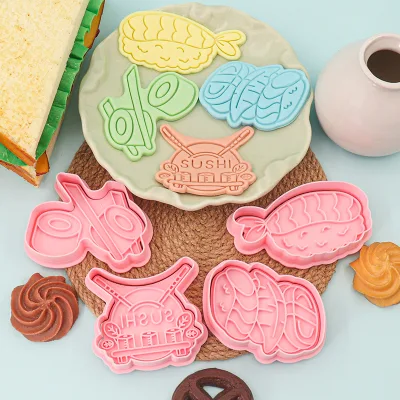
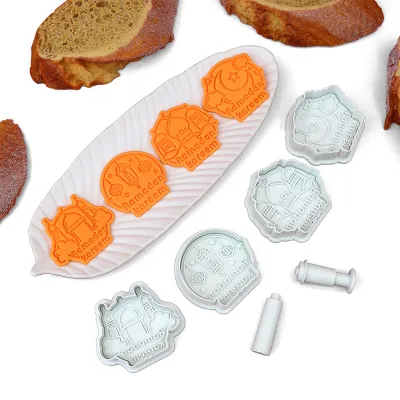
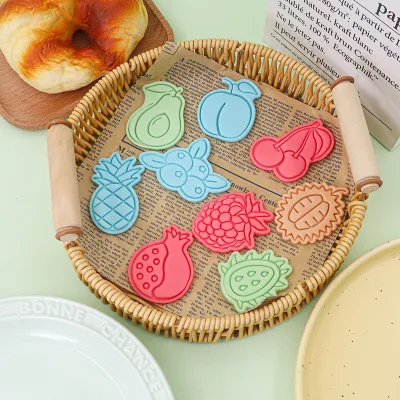
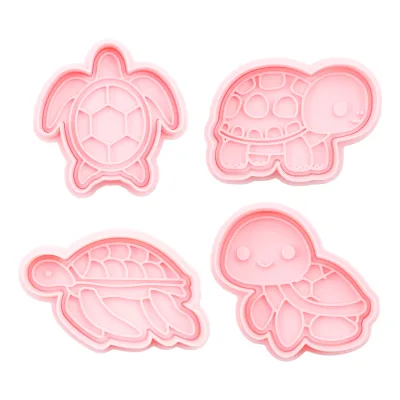
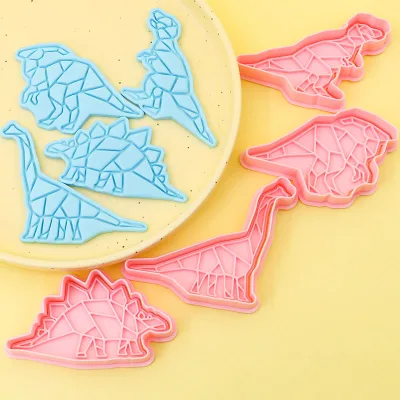
The market for these tools is characterized by a high degree of customization, with suppliers frequently offering OEM and ODM services to accommodate unique brand identities. Observed listings indicate a strong preference for cartoon shapes and vibrant color options, such as pink and white variants, which cater to the visual demands of modern baking and party planning. Procurement teams should focus on verifying the authenticity of the "Eco-Friendly" claims and ensuring that the 3D structural integrity of the cutters does not compromise their durability during repeated use. Understanding these market signals is the first step in building a reliable supply chain that aligns with corporate sustainability goals and product quality standards.
Product Scope and Observed Listing Signals
The current market landscape for 3D Cartoon PLA Cookie Cutters reveals a diverse range of product configurations, primarily driven by model numbers such as K-914, K-3592, and K-3336. These identifiers often correspond to specific design iterations, with variations in package dimensions and piece counts indicating different usage scenarios. For instance, some listings specify a single piece per package with dimensions around 8x8x3 cm, while others offer sets with multiple pieces in larger packaging. Buyers should interpret these variations not just as product differences, but as indicators of the supplier’s manufacturing flexibility and capacity to handle complex, multi-component orders. The presence of "Custom Size" and "Custom Weight" attributes suggests that suppliers are equipped to tailor products to specific client requirements, which is a critical factor for brands seeking unique market differentiation.
Color and style are significant differentiators in this category, with observed listings highlighting options like "Pink-K-914" series and "White" variants, often described with styles such as "Morden" or "Cartoon shape." These aesthetic choices are not merely decorative; they influence the target demographic and the perceived value of the final baked goods. The "Eco-Friendly" and "Stocked" attributes suggest that some suppliers maintain inventory for faster turnaround, while others may operate on a made-to-order basis. Procurement professionals must carefully distinguish between these operational models, as they directly impact lead times and inventory management strategies. Additionally, the mention of "High Qualtiy" and "Disposable" features in some contexts requires careful verification, as PLA is generally reusable but may degrade under certain conditions, necessitating clear communication with suppliers about expected product lifespan.
Technical Specifications to Verify
Verifying the technical specifications of PLA cookie cutters is essential to ensure they perform adequately in real-world baking environments. The material composition, explicitly stated as PLA, dictates specific handling requirements, such as the inability to withstand high oven temperatures, with some listings noting a non-safe range for temperatures between 4 and 220 degrees Celsius. Buyers must confirm the thermal stability of the PLA used, as excessive heat can cause warping or deformation, compromising the cutter’s shape and functionality. Furthermore, the "3D" aspect of the design introduces structural considerations, including wall thickness and edge sharpness, which affect how cleanly the cutter slices through dough. It is crucial to request detailed dimensional data and material grade information to ensure the product meets the mechanical demands of frequent use without breaking or bending.
Packaging and labeling specifications also play a vital role in the procurement process, with observed options ranging from simple OPP bags to more protective blister packaging. The single package sizes, such as 9x8x3 cm or 11x9x3 cm, indicate the physical footprint of the product, which impacts shipping costs and storage efficiency. Buyers should verify the gross weight, often listed around 0.020 kg per unit, to accurately calculate logistics expenses. Additionally, the availability of custom logos and OEM/ODM services allows for brand integration, but this requires precise technical drawings and approval processes. Ensuring that the packaging is durable enough to protect the 3D structure during transit is equally important, as damage to the cartoon shapes can render the product unsellable. Clear communication on these technical details prevents discrepancies between ordered specifications and delivered goods.
Compliance and Safety Documentation
Compliance and safety are paramount when sourcing food-contact products, even those made from biodegradable materials like PLA. Buyers must ensure that suppliers provide appropriate documentation confirming that the PLA used is food-grade and safe for direct contact with dough and other ingredients. While the supplied facts do not specify exact certification standards, it is standard industry practice to require compliance with relevant food safety regulations, such as FDA or EU standards, depending on the target market. Procurement teams should request certificates of analysis (CoA) and material safety data sheets (MSDS) to verify the absence of harmful additives or contaminants in the PLA resin. This due diligence is critical to maintaining brand reputation and avoiding legal liabilities associated with food safety violations.
Additionally, the "Eco-Friendly" claim must be substantiated with credible evidence, such as certifications from recognized biodegradability testing bodies. Buyers should inquire about the specific biodegradation conditions required for the PLA product, as industrial composting facilities often have different temperature and humidity requirements than home composting environments. Misleading claims about environmental benefits can lead to regulatory scrutiny and consumer backlash. It is also important to verify that the manufacturing process adheres to environmental standards, minimizing waste and energy consumption. By rigorously checking these compliance documents, buyers can confidently market their products as truly sustainable, aligning with growing consumer demand for environmentally responsible kitchenware.
Cost Drivers and Commercial Terms
Understanding the cost drivers for 3D Cartoon PLA Cookie Cutters involves analyzing the interplay between material costs, customization complexity, and order volume. The use of PLA, while eco-friendly, can be more expensive than conventional plastics, and the 3D manufacturing process may involve additional tooling or molding costs. Observed MOQ ranges from 2 to 3000 pieces indicate significant flexibility, allowing buyers to start with small test orders or scale up to large production runs. However, lower MOQs often come with higher per-unit costs, while larger orders may benefit from economies of scale. Buyers should negotiate pricing based on their specific volume requirements and customization needs, keeping in mind that custom logos and unique shapes may incur setup fees.
Commercial terms such as sample times, payment conditions, and shipping arrangements also influence the total cost of ownership. Sample times of 5-7 days suggest a relatively quick turnaround for prototyping, which is beneficial for rapid product development cycles. Buyers should clarify whether sample costs are refundable upon placing a bulk order. Payment terms should be structured to mitigate risk, potentially using escrow services or partial payments. Shipping costs can be significant due to the volume-to-weight ratio of the packaging, so optimizing package dimensions and consolidating shipments can help reduce expenses. Clear agreement on these commercial terms ensures transparency and prevents unexpected costs from eroding profit margins.
Supplier Qualification and Quality Control
Supplier qualification is a critical step in ensuring the reliability and consistency of 3D Cartoon PLA Cookie Cutters. Buyers should assess suppliers based on their manufacturing capabilities, quality control processes, and track record in producing food-contact items. Visiting factories or requesting detailed audits can provide insights into the production environment and adherence to safety standards. Suppliers with OEM/ODM expertise are preferable for custom projects, as they demonstrate the ability to handle complex design requirements and maintain consistency across batches. It is also important to evaluate their responsiveness and communication skills, as these factors contribute to a smooth procurement process and effective problem-solving.
Quality control measures should be clearly defined and enforced throughout the production process. Buyers should specify acceptance criteria for dimensions, color accuracy, and structural integrity, and request pre-shipment inspections to verify compliance. Implementing a robust quality assurance protocol, including random sampling and defect rate monitoring, helps identify and address issues early. Suppliers should have clear procedures for handling non-conforming products, including replacement or refund policies. By establishing strong quality control practices, buyers can minimize the risk of receiving defective goods and ensure that their customers receive high-quality, durable products. This proactive approach to quality management builds trust and strengthens the buyer-supplier relationship.
Long-Term Procurement Checks
Long-term procurement success with 3D Cartoon PLA Cookie Cutters depends on continuous monitoring and adaptation to market changes. Buyers should regularly review supplier performance metrics, including on-time delivery, product quality, and responsiveness to issues. Establishing a feedback loop with end-users can provide valuable insights into product performance and customer satisfaction, informing future purchasing decisions. Additionally, staying informed about advancements in PLA technology and biodegradable materials can help buyers identify opportunities for product improvement and cost reduction. Regularly updating supplier contracts to reflect current market conditions and regulatory requirements ensures ongoing compliance and competitiveness.
Sustainability is a key long-term consideration, and buyers should work with suppliers to continuously improve the environmental footprint of their products. This may involve exploring new biodegradable materials, optimizing packaging to reduce waste, or implementing recycling programs. Building a resilient supply chain requires diversifying suppliers and maintaining strong relationships with key partners. By focusing on long-term value creation rather than short-term cost savings, buyers can secure a steady supply of high-quality, eco-friendly cookie cutters that meet evolving consumer demands. This strategic approach ensures sustained growth and profitability in the competitive kitchenware market.
FAQs
What material are the 3D Cartoon PLA Cookie Cutters made from?
The 3D Cartoon PLA Cookie Cutters are made from PLA plastic, which is an eco-friendly material. Some listings also specify general plastic construction, but the primary feature highlighted is the use of biodegradable PLA for sustainable baking tools.
Can I order custom sizes and shapes for these cookie cutters?
Yes, you can order custom sizes and shapes as the product supports OEM and ODM customization. The specifications list custom size and custom weight options, allowing buyers to request specific cartoon shapes tailored to their branding needs.
What is the minimum order quantity for these cookie cutters?
The minimum order quantity varies by product listing, ranging from 2 pieces to 3000 pieces. Specific models show MOQs as low as 2 pieces or 50 pieces, depending on the supplier and the specific model number selected for purchase.
How long does it take to receive a sample of the cookie cutters?
It takes 5 to 7 days to receive a sample of the cookie cutters. This sample time applies to the production of custom designs or standard models before proceeding with a larger bulk order from the manufacturer in Zhejiang, China.
Are these cookie cutters safe to use in a dishwasher?
No, these cookie cutters are not dishwasher safe and require hand washing. The care instructions explicitly state that they should be cleaned by hand to maintain their shape and quality, as they are not designed for high-temperature dishwasher cycles.
Which colors are available for the 3D Cartoon PLA Cookie Cutters?
The available colors include pink and white options across various model numbers. Specific listings show pink variants for models like K-914 and K-3592, while other entries indicate white is also an available color choice for custom orders.
What is the packaging type for these cookie cutters?
The packaging types include OPP bags, blister packaging, and standard single item packing. Specific models are shipped in OPP bags or blister packs, with single package sizes ranging from 8x8x3 cm to 11x9x3 cm depending on the set.