Source 3D Effects Plastic Invitation Card for Events, Weddings, and Parties
Compare 30 listings for 3D Effects Plastic Invitation Card options with customizable designs and printing types. Buyers can review specifications like material, size, and lead times from verified suppliers in China to find the best fit for their needs.
Key considerations
Products List


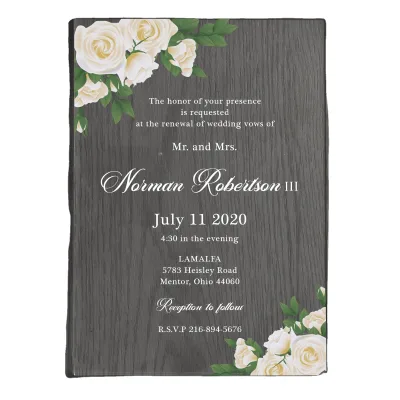
Custom Printed Frosted Acrylic Invite Card for Wall Decoration or Wedding
$1.00 - $10.00
MOQ: 10 Pieces


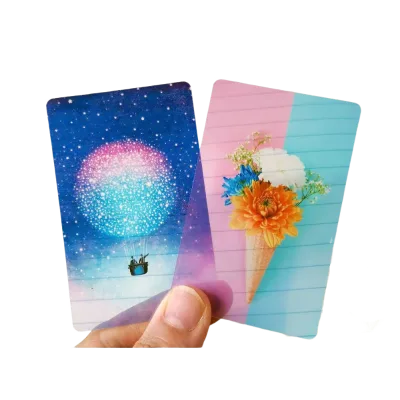


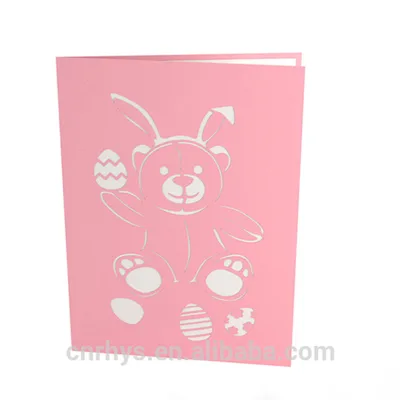


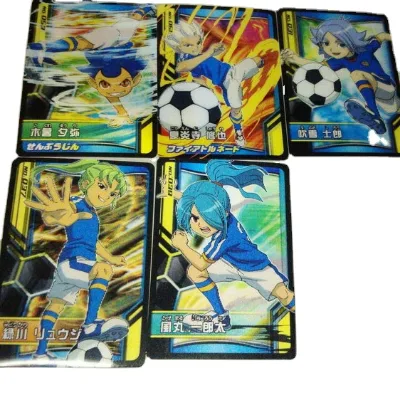
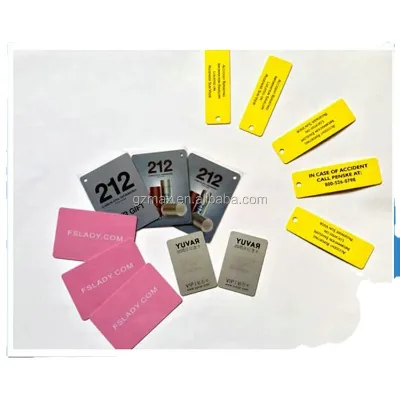



Comprehensive Sourcing Guide
Strategic Sourcing Guide for 3D Effects Plastic Invitation Cards
Understanding Product Definitions and Material Composition
When sourcing 3D effects plastic invitation cards, buyers must first distinguish between the core material composition and the visual finishing techniques that create the perceived depth. The supplied product data indicates that the primary material for these items is plastic, with specific observations noting acrylic as a variant material used in similar decorative contexts. Acrylic offers a rigid, transparent, or translucent base that is ideal for embossing and layering techniques required to achieve three-dimensional visual effects. The standard thickness for these plastic cards is observed in the range of 0.76mm to 0.84mm, though customization allows for alternative gauges depending on the desired structural rigidity.
The "3D effect" in this context is not merely a digital print illusion but often involves physical processing. The product attributes highlight "Hot Stamping" as a specific technical process, which is frequently used to add metallic or textured layers that catch light differently, enhancing the depth perception. Additionally, the surface finish is described as "Glossy," which is critical for reflecting light and accentuating the 3D layers. Buyers should verify if the specific supplier utilizes physical embossing or if the 3D effect is achieved solely through high-resolution offset printing. The data confirms that printing types include both Offset Printing and Screen Printing, suggesting that complex multi-layer designs can be produced. The product standard dimensions vary significantly, with some entries listing 85.554mm (standard credit card size) and others noting 178127mm or 90*190mm, indicating that the form factor is highly customizable to fit specific event themes or display requirements.
Technical Specifications and Customization Capabilities
The technical viability of 3D effects plastic invitation cards relies heavily on the precision of the printing and the flexibility of the customization options. The supplied facts confirm that customization is available, with specific options including text customization, photo insertion, and pattern selection. For a 3D effect to be successful, the design files must meet high-resolution standards. The product attributes specify that acceptable design formats include PDF, AI, CDR, and TIFF files with a minimum resolution of 300dpi. This resolution requirement is non-negotiable for maintaining the sharpness of the layered 3D elements, as low-resolution images will appear pixelated when printed on plastic substrates.
Furthermore, the production process involves specific handling of the material. The "Hardness" attribute is noted as "Partial Hard," which suggests a balance between rigidity and flexibility. This is essential for cards that may need to be folded or handled frequently without cracking. The "Chip" attribute indicates that while the base product is a standard plastic card, it can be equipped with chips if the invitation serves a dual purpose as an access pass or ID card, such as for a work permit or event entry. This versatility allows buyers to source a single product type that can serve as both a decorative invitation and a functional credential. The thickness specification of 0.76mm or 0.84mm is standard, but the ability to request "Customized" thickness is a key differentiator for buyers seeking premium, heavy-stock invitations that feel more substantial.
| Specification Category | Standard Observation | Customization Availability |
|---|---|---|
| Material | Plastic, Acrylic | Yes |
| Thickness | 0.76mm / 0.84mm | Yes (Customized) |
| Dimensions | 85.554mm, 178127mm, 90*190mm | Yes (Customized) |
| Surface Finish | Glossy | Yes |
| Printing Type | Offset, Screen | Yes |
| Design Files | PDF, AI, CDR, TIFF (300dpi) | Yes |
Cost Drivers and Pricing Dynamics
The pricing structure for 3D effects plastic invitation cards is influenced by several distinct variables, primarily material type, order volume, and the complexity of the customization. The observed listed price range in the market data spans from $0.02 to $16.90 USD. This wide variance is not indicative of a single product tier but rather reflects the difference between simple plastic cards and complex, multi-layered acrylic invitations with advanced finishing. The lower end of the price spectrum likely corresponds to standard offset-printed plastic cards with minimal customization, while the higher end reflects items requiring screen printing, hot stamping, acrylic materials, and custom dimensions.
Minimum Order Quantity (MOQ) is another significant cost driver. The observed MOQ range is between 10 and 5000 units. Buyers with smaller event needs may find suppliers with lower MOQs, but they should anticipate a higher unit cost. Conversely, larger orders benefit from economies of scale, potentially bringing the unit price closer to the lower observed range. The lead time also impacts cost; standard lead times are noted as 5-7 days or 5-9 working days after design approval. Rush orders or complex customizations that require additional design work or specialized tooling for hot stamping may extend these timelines and incur additional fees. Buyers should also consider the packaging costs, as the standard packing involves a paper box and carton, which adds to the overall unit cost but is essential for protecting the glossy, 3D-finished surfaces during transit.
Compliance, Certification, and Safety Verification
When sourcing plastic-based invitation cards, compliance with safety and environmental standards is a critical, yet often overlooked, aspect of procurement. While the supplied product facts do not explicitly list specific certification numbers or compliance badges, buyers must verify that the plastic and acrylic materials used are free from harmful substances such as BPA or phthalates, especially if the invitations are intended for children's events or food-related gatherings. The product origin is listed as China, which necessitates a rigorous check for export compliance standards required in the buyer's destination market, such as REACH in Europe or CPSIA in the United States.
Buyers should specifically request Material Safety Data Sheets (MSDS) for the plastic and acrylic substrates to ensure they meet local safety regulations. The "Waterproof" attribute is listed as "Not Waterproof" in some observations, which implies that the materials may be susceptible to moisture damage. This is a crucial compliance and usability factor; if the invitations are to be used in outdoor settings or humid environments, the buyer must verify if the supplier can apply a waterproof coating or if the plastic material itself is inherently water-resistant. Additionally, the "Display Place" attribute mentions "Indoor or Outdoor," creating a potential contradiction with the "Not Waterproof" claim. Buyers must clarify this discrepancy with the supplier to ensure the product can withstand the intended environmental conditions without degrading or losing its 3D visual effect.
Supplier Evaluation and Quality Control Protocols
Evaluating a supplier for 3D effects plastic invitation cards requires a focus on their technical capabilities and quality assurance processes. The data indicates that suppliers offer "Free Design" services or accept files in AI, CDR, PDF, and TIFF formats. A reliable supplier should have an in-house design team capable of converting standard files into print-ready 3D layouts, ensuring that the depth effects are accurately rendered before production begins. The lead time of 5-7 days suggests a relatively agile production line, but buyers should verify the supplier's capacity to handle the specific volume required without compromising the "Glossy" finish or the precision of the "Hot Stamping" process.
Quality control should be centered on the visual fidelity of the 3D effect and the durability of the print. Since the surface is glossy, any scratches or smudges during production or packaging will be highly visible. Buyers should request pre-production samples to verify the "Partial Hard" texture and the accuracy of the color reproduction. The packaging standard of "Paper Box+Carton" is a good baseline, but for high-value 3D cards, additional protective measures such as individual sleeves or rigid dividers may be necessary to prevent layer shifting or surface damage. The supplier's ability to provide a "Customized" product standard, including specific dimensions and thickness, is a strong indicator of their flexibility and technical competence. Buyers should also check the supplier's history with similar materials, as working with acrylic and plastic requires different handling than paper-based invitations.
Typical Applications and Long-Term Procurement Strategy
The versatility of 3D effects plastic invitation cards makes them suitable for a wide range of applications beyond traditional paper invitations. The product attributes list "Business Card," "Credit Card," "Home Decoration," "Art & Collection," and "Holiday Gifts" as usage scenarios. This broad applicability suggests that these cards can serve as premium event invitations, corporate branding tools, or even collectible art pieces. The "Theme" of "Nature" and the "Style" of "Trend" indicate that these products are often designed for modern, aesthetic-focused events such as weddings, galas, or corporate launches where a high-impact visual presentation is desired.
For long-term procurement, buyers should consider the scalability of the supplier relationship. The ability to customize text, photos, and patterns allows for recurring orders with slight variations, which is ideal for annual events or multi-stage campaigns. The "Season: All" attribute confirms that these products are not limited to specific times of the year, allowing for year-round inventory planning. However, buyers must be mindful of the "Leadtime" variations, which can range from 5 to 9 working days. Establishing a clear communication channel for design approvals is essential to maintain this timeline. Furthermore, the "OEM: Yes" attribute indicates that suppliers are open to branding the products, which is a significant advantage for companies looking to create branded merchandise or exclusive event materials. By focusing on suppliers who offer robust customization, clear quality control, and flexible lead times, buyers can secure a reliable supply chain for high-quality 3D effects plastic invitation cards that meet both aesthetic and functional requirements.
FAQs
What printing types are used for 3D Effects Plastic Invitation Card?
Offset Printing and Screen Printing are the primary methods used. These techniques allow for complex multi-layer designs required to achieve the 3D visual effect on plastic substrates.
Can I customize the size of the 3D Effects Plastic Invitation Card?
Yes, the size is fully customizable to meet specific event needs. Standard dimensions include 85.5*54mm, 178*127mm, or 90*190mm, but alternative sizes are available upon request.
What is the lead time for producing 3D Effects Plastic Invitation Card?
The standard lead time is normally 5 to 7 days after design approval. Some variations may require 5 to 9 working days depending on the complexity of the customization and material used.
Which design file formats are accepted for 3D Effects Plastic Invitation Card?
Accepted formats include PDF, AI, CDR, and TIFF files. These files must have a minimum resolution of 300dpi to ensure the sharpness of the layered 3D elements during printing.
How thick are the 3d effects plastic invitation cards typically made?
The standard thickness ranges from 0.76mm to 0.84mm. Buyers can also request customized thickness to achieve a specific structural rigidity or premium feel for their invitations.
What customization options are available for 3D Effects Plastic Invitation Card?
Options include text customization, photo insertion, and pattern selection. Additional elements can be added to the design, allowing for unique branding or thematic requirements for the event.
Is the 3D Effects Plastic Invitation Card waterproof?
The product is generally not waterproof according to standard specifications. Buyers should verify with the supplier if a waterproof coating is available if the cards are intended for outdoor use.