Source 3D Effect Handmade Rhinestone Patch for garments bags and accessories
Compare 30 listings for 3D Effect Handmade Rhinestone Patch options featuring glass stones and sequined techniques. Buyers can review customization sizes, iron-on styles, and MOQs from Guangdong suppliers.
Key considerations
Products List
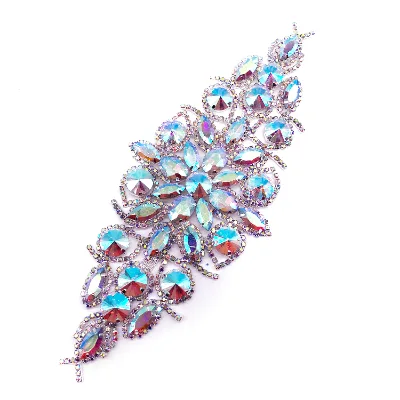
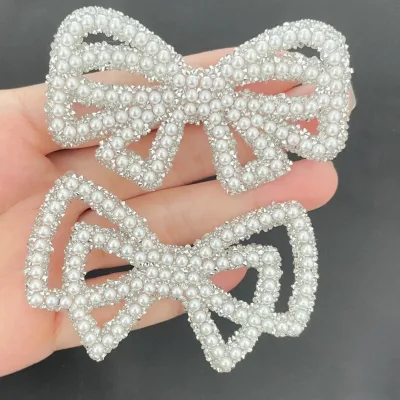
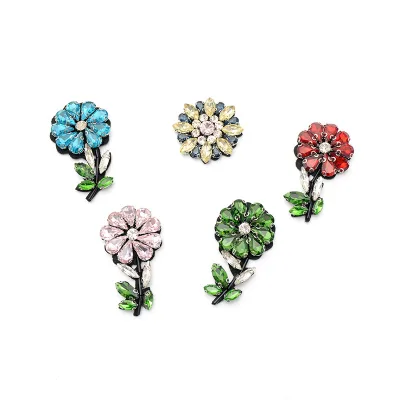
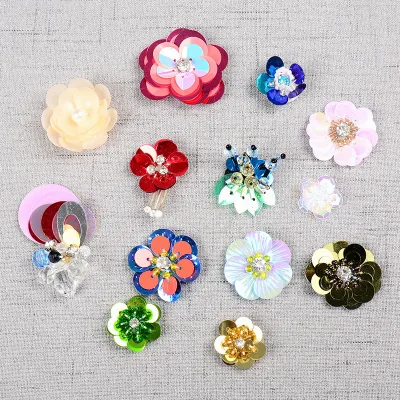



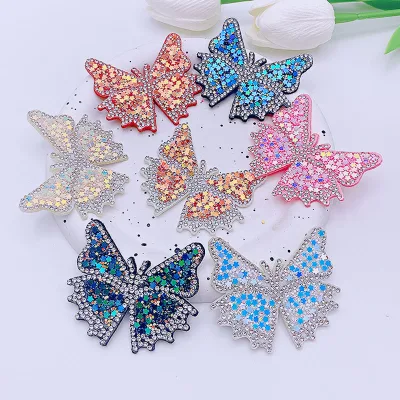
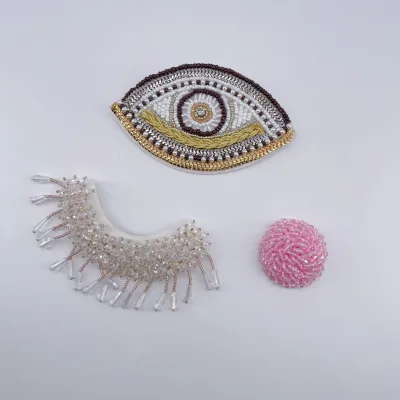
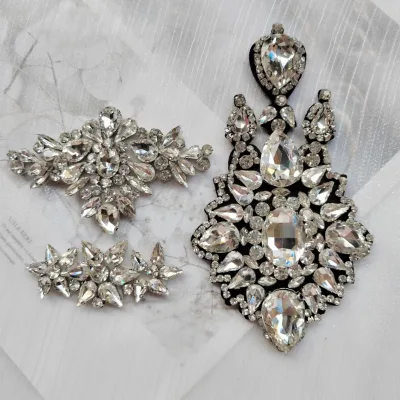
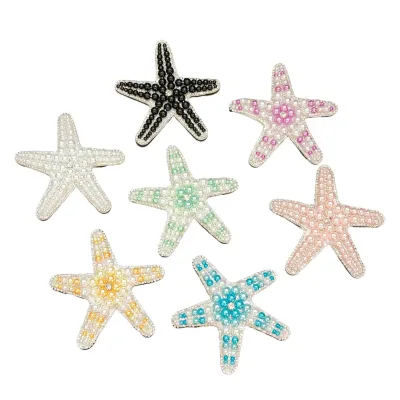

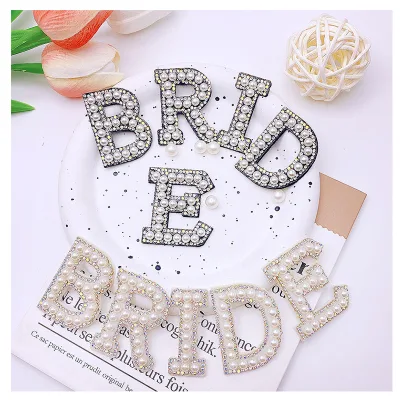

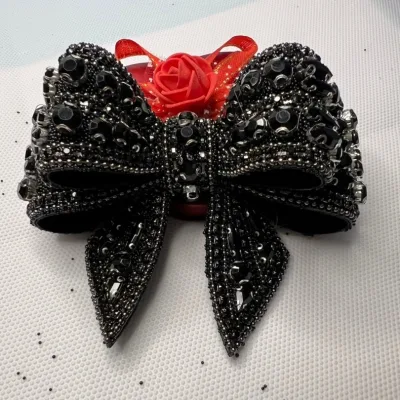


High Quality Rhinestones Applique Patch Hot Fix Flower Applique Handmade
$2.25 - $6.50
MOQ: 100 Pieces


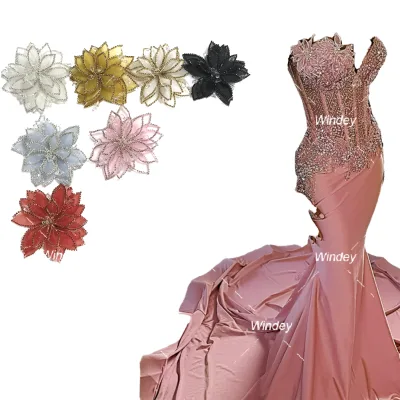


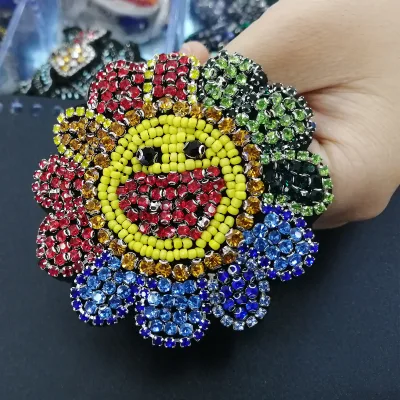

Comprehensive Sourcing Guide
3D Effect Handmade Rhinestone Patch Sourcing Guide
Sourcing high-quality 3D effect handmade rhinestone patches requires a nuanced understanding of both the aesthetic demands of modern fashion and the technical realities of adhesive-backed embellishments. These patches serve as premium garment accessories, offering a tactile and visual upgrade that distinguishes them from standard printed or woven labels. Buyers must recognize that the "3D effect" is not merely a marketing term but a structural characteristic achieved through specific material layering and application techniques. The primary value proposition lies in the durability of the rhinestone attachment and the precision of the handmade assembly, which together create a product that can withstand wear while maintaining its decorative integrity.
The procurement process for these items is heavily influenced by the customization capabilities of the supplier and the logistical constraints of shipping fragile, glass-based components. Unlike mass-produced textile labels, rhinestone patches often involve complex supply chains involving glass beads, resin stones, and specialized adhesives. Buyers need to establish clear communication channels regarding design files, color matching, and size tolerances before committing to large orders. Furthermore, the handmade nature of these products introduces variability that must be managed through rigorous quality control protocols, ensuring that every piece meets the brand’s aesthetic standards before leaving the factory.
Product Scope and Observed Listing Signals
The market for 3D effect handmade rhinestone patches encompasses a variety of styles, including bow motifs, abstract shapes, and custom logos, all unified by their use of glass beads and resin stones. Observed listings indicate a diverse range of product attributes, with some items featuring iron-on applications that require precise heat activation, while others are designed for sewing onto garments. The materials cited often include a combination of fabric bases, glue layers, and various types of rhinestones, such as glass beads or plastic stones, which significantly impact the final weight, durability, and visual appeal of the patch. Buyers should carefully review the specific material composition of each listing, as the distinction between glass and plastic stones affects both cost and perceived quality.
Listing signals also reveal significant variability in packaging and shipping parameters, which are critical for calculating landed costs. Products are typically packed in OPP bags or standard export packaging, with single package sizes ranging from compact dimensions to larger boxes that accommodate bulkier 3D designs. The gross weight per batch or per unit is a key metric for logistics planning, as the density of rhinestones can add substantial weight compared to standard fabric patches. Additionally, the presence of specific model numbers and brand names in listings suggests that some suppliers offer proprietary designs or standardized SKUs, which can simplify reordering but may limit customization options for buyers seeking unique, exclusive patterns.
Technical Specifications to Verify
Verifying the technical specifications of 3D effect handmade rhinestone patches is essential to ensure compatibility with the buyer’s manufacturing processes. The application method is a primary technical consideration, with options including iron-on, sew-on, and adhesive-backed styles. For iron-on patches, the activation time and temperature are critical; some listings specify an iron-on time of 12-16 seconds, which indicates a specific adhesive formulation that must be matched to the buyer’s heat press equipment. Buyers must confirm the fabric type and glue composition to ensure that the adhesive will bond securely to the target garment material without damaging the fabric or causing residue buildup during washing.
Size and shape customization are also key technical factors that require precise verification. While some products offer standard sizes, many suppliers provide customization options for both shape and dimensions, allowing for bespoke designs that align with brand identity. However, customization introduces potential tolerances that must be defined in the purchase agreement. Buyers should request detailed technical drawings or physical samples to verify the exact dimensions, particularly for complex shapes like bows or intricate logos. Additionally, the plating options for the rhinestones, such as gold, silver, or rose gold, must be confirmed to ensure color consistency across the production batch, as variations in plating can lead to noticeable aesthetic discrepancies in the final product.
Compliance and Safety Documentation
Compliance and safety documentation are non-negotiable for importing rhinestone patches, particularly those intended for children’s clothing or items that come into direct contact with skin. Buyers must request relevant test reports to verify that the materials used, including the glass beads, resin stones, and adhesives, meet international safety standards. Some listings mention certificates such as S/G/S TEST, which may indicate compliance with specific regulatory requirements, but buyers should verify the scope and validity of these certificates with the issuing laboratory. It is crucial to ensure that the patches do not contain hazardous substances that could pose a risk to consumers, especially in markets with strict chemical regulations.
In addition to chemical safety, buyers should assess the physical safety of the patches, particularly regarding the security of the rhinestone attachment. Loose stones can pose a choking hazard, especially for younger consumers, so the durability of the handmade assembly must be tested. Buyers should inquire about the testing methods used to verify the strength of the adhesive and the stability of the stone setting. Furthermore, compliance with labeling requirements in the destination market must be addressed, ensuring that the patches are correctly identified and that any care instructions associated with the garment are not compromised by the presence of the rhinestone embellishment.
Cost Drivers and Commercial Terms
The cost of 3D effect handmade rhinestone patches is driven by several factors, including the type and quantity of rhinestones used, the complexity of the design, and the level of customization required. Handmade assembly adds labor costs, which can vary depending on the intricacy of the pattern and the skill level of the artisans. Buyers should expect price ranges that reflect these variables, with observed listings showing significant variation based on material quality and design complexity. Understanding these cost drivers allows buyers to negotiate more effectively and allocate their budget appropriately, balancing cost with quality and aesthetic requirements.
Commercial terms, including minimum order quantities (MOQ) and payment methods, also play a significant role in the procurement process. MOQs can range from small quantities for sample orders to larger volumes for production runs, with some suppliers offering flexibility for in-stock items. Buyers should clarify the MOQ requirements for customized designs, as these may be higher than for standard products. Payment terms typically include options such as PayPal, Western Union, and Telegraphic Transfer (T/T), each with its own implications for security and convenience. Additionally, lead times for samples and production should be confirmed, as handmade products may require longer processing times compared to mass-produced items.
Supplier Qualification and Quality Control
Supplier qualification is a critical step in ensuring the reliability and consistency of 3D effect handmade rhinestone patches. Buyers should assess the supplier’s production capabilities, including their experience with handmade assembly and their ability to handle complex designs. Visiting the factory or requesting detailed information about their production process can provide insights into their quality control practices. Suppliers with a strong track record in producing high-quality rhinestone patches are more likely to deliver products that meet the buyer’s expectations, reducing the risk of defects and delays.
Quality control measures should be clearly defined and agreed upon before production begins. This includes establishing acceptance criteria for color, size, and attachment strength, as well as defining the procedures for sampling and inspection. Buyers should request pre-production samples to verify the quality of materials and craftsmanship, and conduct random inspections during production to catch any issues early. Post-production inspections should also be performed to ensure that the final products meet all specifications before shipment. By implementing robust quality control protocols, buyers can minimize the risk of receiving substandard products and maintain the integrity of their brand.
Long-Term Procurement Checks
Long-term procurement checks are essential for maintaining a sustainable and efficient supply chain for 3D effect handmade rhinestone patches. Buyers should regularly review supplier performance, including metrics such as on-time delivery, product quality, and responsiveness to issues. Establishing a feedback loop with the supplier can help identify areas for improvement and foster a collaborative relationship that benefits both parties. Additionally, buyers should stay informed about changes in market trends, material availability, and regulatory requirements that may impact the procurement process.
Continuous improvement in the procurement process can be achieved by periodically reassessing supplier options and exploring new sources for rhinestone patches. This may involve attending trade shows, networking with industry peers, or leveraging online platforms to discover new suppliers. By maintaining a diverse supplier base and staying agile in response to market changes, buyers can mitigate risks and ensure a steady supply of high-quality products. Furthermore, investing in strong relationships with key suppliers can lead to better pricing, priority production, and access to new designs, providing a competitive advantage in the marketplace.
FAQs
What materials are used for these handmade rhinestone patches?
The main materials include rhinestone, glass beads, resin stones, and glue. Some variants also utilize woven fabric as the base. The plastic type is specified as glass stone or glass beads depending on the specific style selected for the garment accessory.
Can I order samples before placing a bulk order?
Yes, sample orders are available with a lead time of 7 days. This allows buyers to verify the quality of the handmade rhinestone patch before committing to larger quantities. The sample process supports the customization needs of the product.
Which shipping methods are supported for these patches?
Supported shipping methods include DHL, UPS, and FEDEX. These carriers ensure reliable delivery for the garment accessories. Buyers can select the most suitable logistics option based on their specific location and urgency requirements for the order.
What is the minimum order quantity for these patches?
The minimum order quantity is typically 100 pieces per style, though some listings indicate 200 or 500 pieces. Small orders may be considered if stock is available. The selling units are often structured as multiples of 100 for bulk transactions.
How are these patches attached to clothing?
These patches are designed for iron-on application with a recommended time of 12 to 16 seconds. They can also be sewn on as a style option. The 3D effect is achieved through the appliqué and sequined techniques used in the manufacturing process.
What certifications do these products hold?
The products hold S/G/S TEST certification. This ensures compliance with specific safety and quality standards for the rhinestone patches. Buyers can rely on these documented certifications when sourcing for international markets requiring verified product safety.
Where are these handmade patches manufactured?
The place of origin is Guangdong, China. This region is known for producing high-quality garment accessories and patches. The manufacturing location supports the availability of various customization options and competitive pricing for international buyers.