Source 3D Embroidered Gold Lace Trim for Apparel, Home Textiles, and Crafts
Find and compare 30 listings for 3D Embroidered Gold Lace Trim suitable for apparel, home textiles, and crafts. Options include polyester tulle, cotton crochet, and OEKO-TEX certified fabrics with various widths and customization available.
Key considerations
Products List


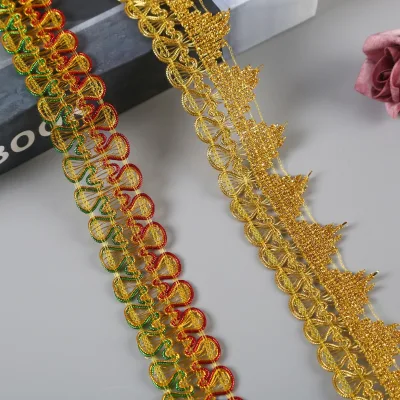
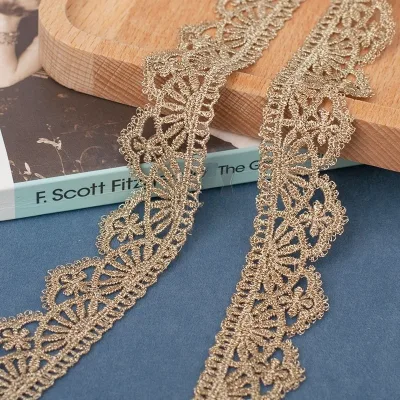
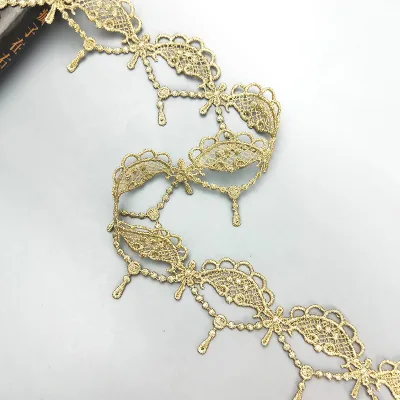
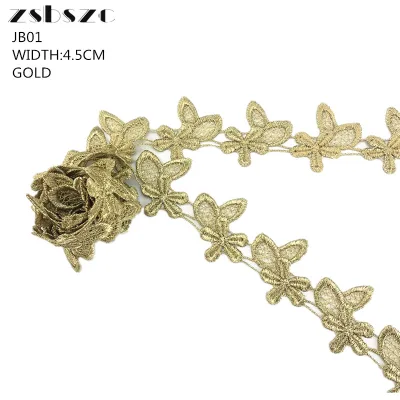
Gold Metallic Flower Design Cotton Embroidery Lace Trim for Fancy Garment
$0.50 - $0.80
MOQ: 6000 Yards




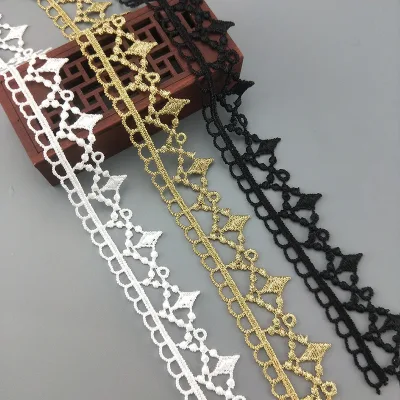
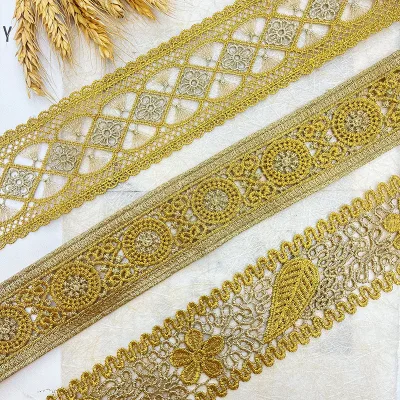
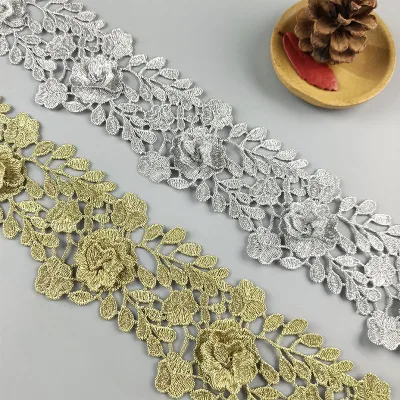
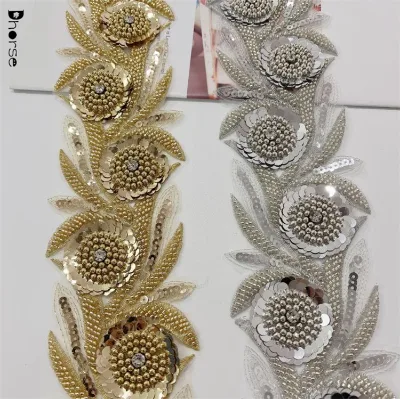


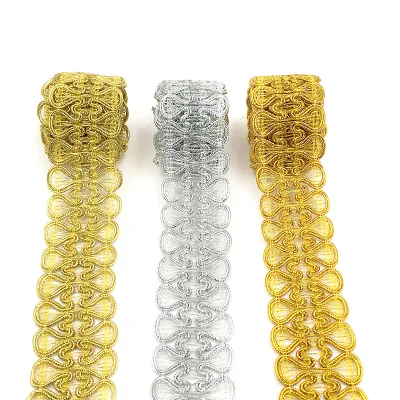
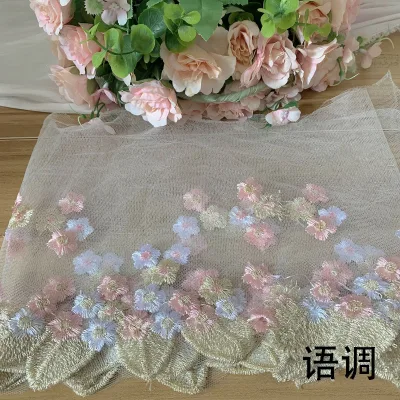


Comprehensive Sourcing Guide
3D Embroidered Gold Lace Trim Sourcing Guide
The procurement of 3D Embroidered Gold Lace Trim requires a clear distinction between standard flat embroidery and raised, dimensional designs that add texture to garments and home textiles. While the supplied product data confirms the availability of 3D embroidery lace and polyester floral embroidery lace, buyers must verify that the specific "gold" aesthetic is achieved through metallic thread integration or specific dyeing processes rather than relying on generic descriptions. The observed product range includes styles with bead embellishments and sequins, which often accompany 3D effects to enhance visual depth, but the exact composition of the metallic element must be confirmed against the supplier's technical sheet to ensure durability and colorfastness.
Sourcing decisions should also account for the variability in ground fabrics, as the supplied facts indicate options ranging from 75D chiffon to cotton and polyester bases. The choice of ground fabric significantly impacts the drape and structural integrity of the final trim, particularly when the design involves complex 3D floral patterns or geometric motifs. Buyers should prioritize suppliers who can demonstrate the ability to maintain the dimensional structure of the embroidery without distorting the underlying fabric, ensuring that the trim remains suitable for its intended application in summer wear or home textiles.
Product Scope and Observed Listing Signals
The market for 3D Embroidered Gold Lace Trim encompasses a diverse range of specifications, including models like JH-3439S and YZ-3918, which feature distinct standards such as polyester floral embroidery and 3D embroidery lace respectively. Listings often highlight specific attributes like "beads" or "sequins" as part of the style, suggesting that the gold aesthetic may be enhanced with additional decorative elements. However, the observed data also includes variations in width, such as 3-7cm or 120cm, and different packing methods like rolled in bales or 15 yards per card, indicating that buyers must carefully match the physical dimensions and packaging to their production line requirements.
Buyers should be aware that the "gold" designation in listings may refer to the color production method, which is observed as "dyed" in some contexts, or it may imply a specific metallic thread application not explicitly detailed in all product summaries. The presence of "customized" standards and the availability of samples suggest that many suppliers offer tailored solutions for specific color and design needs. It is critical to verify whether the gold color is a standard offering or a custom request, as this distinction can influence the minimum order quantity and the lead time required for production.
Technical Specifications to Verify
When evaluating 3D Embroidered Gold Lace Trim, the primary technical verification must focus on the stitch density and the height of the embroidery to ensure the 3D effect is consistent across the roll. The supplied facts mention "Embroidery Lace" as a craft and "Crochet" as a technic in other listings, but for 3D designs, the specific machine settings and thread tension are crucial to prevent flattening during the cutting or sewing process. Buyers should request physical samples to test the resilience of the raised patterns, ensuring that the gold thread does not snag or break when the trim is manipulated or attached to garments.
Width and length specifications are equally critical, as the observed data shows a wide variance from 3.3cm to 130cm, with some products packed in rolls of 30-45 yards and others in smaller card units. The ground fabric composition, such as 75D chiffon or cotton, must be verified to ensure compatibility with the embroidery weight; a lightweight chiffon base may not support heavy 3D embroidery without puckering. Additionally, the manual process codes and specific model numbers like WP00174 or MJ10079 should be cross-referenced with the supplier's current production capabilities to confirm that the specific gold thread and 3D structure are available in the requested width.
Compliance and Safety Documentation
Safety compliance for 3D Embroidered Gold Lace Trim is paramount, especially when the product is intended for clothing applications or home textiles that come into direct contact with skin. The supplied facts explicitly mention OEKO-TEX certification for certain products, which serves as a verified benchmark for the absence of harmful substances in the fabric and threads. Buyers should insist on seeing valid OEKO-TEX certificates for any batch containing metallic threads or dyed components, as these materials can sometimes contain heavy metals or allergens that require strict regulatory adherence.
Beyond material safety, the documentation must cover the origin and manufacturing standards to ensure ethical sourcing practices. The observed data indicates that products originate from China, specifically Guangdong, a major hub for textile manufacturing, but buyers should verify that the specific factory holds relevant social compliance certifications. For products labeled as "customized" or those with complex embellishments like beads and sequins, additional documentation regarding the safety of these attachments is necessary to prevent choking hazards or skin irritation, particularly for children's wear or sensitive applications.
Cost Drivers and Commercial Terms
The cost of 3D Embroidered Gold Lace Trim is heavily influenced by the complexity of the 3D structure and the type of metallic thread used, which often commands a premium over standard flat embroidery. The observed minimum order quantities (MOQ) range significantly, from 200 yards per color to 6000 yards, with some suppliers offering lower MOQs of 100 yards or 300 yards if stock is available. Buyers must calculate the total landed cost by factoring in these MOQ thresholds, as ordering below the standard threshold may result in higher per-unit prices or require a custom production run that extends the lead time.
Lead times and payment terms are also significant cost drivers, with the observed delivery time set at three weeks after receiving the purchase order for standard items. However, customized orders involving specific gold colors or unique 3D patterns may require additional time for sample approval and production setup. The packing method, whether rolled in bales or packed in poly bags, can also affect shipping costs and storage requirements, so buyers should negotiate terms that align with their logistics capabilities to avoid unnecessary expenses.
Supplier Qualification and Quality Control
Supplier qualification for 3D Embroidered Gold Lace Trim requires a rigorous assessment of their production capacity and quality control protocols, particularly regarding the consistency of the 3D embroidery height and color. The observed data shows a mix of standard and customized products, indicating that suppliers must have flexible manufacturing lines capable of handling both high-volume standard orders and smaller, bespoke requests. Buyers should verify the supplier's ability to maintain the "gold" color consistency across different batches, as metallic threads can vary in shade depending on the dye lot or thread source.
Quality control checks should include a detailed inspection of the lace craft, ensuring that the embroidery is secure and that the ground fabric is free from defects that could compromise the trim's integrity. The observed manual processes, such as "around" or "embroidery lace fabric" handling, suggest that some finishing steps may be manual, which introduces variability. Buyers should implement a sampling protocol that tests the trim for colorfastness, tensile strength, and the durability of the 3D elements under stress, ensuring that the final product meets the required performance standards before full-scale production begins.
Long-Term Procurement Checks
Establishing a long-term procurement relationship for 3D Embroidered Gold Lace Trim involves regular audits of the supplier's ability to maintain consistent quality and meet evolving market demands. The observed product range includes various styles and applications, from clothing to home textiles, suggesting that the supplier must be adaptable to different design trends and material requirements. Buyers should schedule periodic reviews of the supplier's inventory levels and production schedules to ensure that the specific gold lace trim remains available without significant delays or quality degradation.
Continuous improvement in the supply chain also requires monitoring the supplier's adherence to updated safety standards and environmental regulations. As the industry evolves, new certifications or material restrictions may emerge that impact the production of metallic threads and 3D embroidery. Buyers should maintain open communication channels with suppliers to stay informed about any changes in raw material sourcing or manufacturing processes that could affect the cost, quality, or compliance status of the 3D Embroidered Gold Lace Trim.
FAQs
What materials are used for 3D Embroidered Gold Lace Trim?
The lace trim is primarily made from polyester or tulle, with some variations using cotton. These materials provide the necessary durability and texture for 3D embroidery effects. The gold appearance is often achieved through dyed threads or metallic embellishments integrated into the embroidery process, ensuring a consistent finish across different fabric bases.
Can I customize the width of the 3D Embroidered Gold Lace Trim?
Yes, customization is available for the lace trim specifications. Standard widths observed include 3-7cm for trimming applications and 4.5cm or 3.3cm for specific floral lace trims. Buyers can request specific dimensions to suit their design needs, ensuring the trim fits perfectly into their garment or home textile projects without compromising the 3D embroidered structure.
What is the typical lead time for 3D Embroidered Gold Lace Trim orders?
The standard delivery time is three weeks after receiving the purchase order. This timeline allows for the production of custom embroidery patterns and quality checks. For items already in stock, such as certain models, the lead time may be significantly shorter, potentially allowing for immediate shipment depending on the specific model availability and order volume.
What certifications are available for 3D Embroidered Gold Lace Trim?
Some 3D Embroidered Gold Lace Trim products are certified under OEKO-TEX standards. This certification ensures the fabric is free from harmful substances, making it safe for direct skin contact and suitable for children's clothing or sensitive applications. Buyers requiring specific safety standards should verify the certification status with the supplier before placing large orders.
What are the minimum order quantities for 3D Embroidered Gold Lace Trim?
Minimum order quantities vary by product and stock status. For custom colors, the MOQ is typically 100 or 200 yards per color. For items in stock, the MOQ may be set at 300 yards. These requirements help suppliers manage production efficiency and inventory levels, so buyers should plan their orders accordingly to meet these thresholds.
How is 3D Embroidered Gold Lace Trim packaged for shipping?
Packaging methods depend on the specific product type. Some trims are rolled in bales for bulk efficiency, while others are packed at 15 yards per poly bag or 15 yards per card. Custom packaging requests, such as 30-45 yards per roll, are also available. Proper packaging protects the delicate 3D embroidery from damage during transit and storage.