Source 3D Felt Chenille Patches for Uniforms, Bags, and Clothes
Compare 30 listings for 3D Felt Chenille Patches featuring custom designs, embroidered and woven techniques, and various backing options like iron-on or hook-and-loop. Buyers can evaluate specifications such as size, material, and eco-friendly features to find suitable suppliers.
Key considerations
Products List


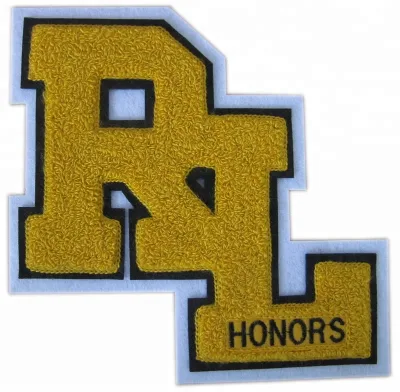
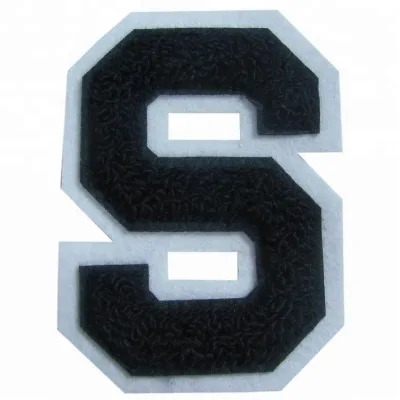
Wholesale Custom Patch Fabric Custom Embroidered Letter Chenille Patches
$0.08 - $0.13
MOQ: 500 Pieces




Comprehensive Sourcing Guide
3D Felt Chenille Patches Sourcing Guide
Sourcing 3D Felt Chenille Patches requires a nuanced understanding of both the tactile aesthetic and the technical manufacturing processes involved. These patches are distinct from standard woven or embroidered badges due to their raised, plush texture, which is achieved through specific stitching techniques that create a three-dimensional effect. Buyers must recognize that while the term "chenille" often implies a specific yarn type, in the context of patches, it frequently refers to the visual and tactile outcome rather than the raw material composition alone. The supply chain for these items is heavily concentrated in manufacturing hubs such as Xiamen and Guangdong in China, where specialized embroidery machinery and skilled labor converge to produce high-volume, customizable goods.
The procurement process for these items is characterized by a high degree of customization and variability in technical specifications. Unlike off-the-shelf components, 3D Felt Chenille Patches are typically made-to-order, with designs, sizes, and backing types tailored to the buyer’s specific branding needs. This customization extends to the border style, which can range from merrowed edges to die-cut finishes, and the attachment method, which includes iron-on, hook-and-loop, or sew-on options. Consequently, buyers must engage in detailed technical discussions with suppliers early in the sourcing process to ensure that the desired aesthetic and functional requirements are aligned with the manufacturer’s capabilities and production constraints.
Product Scope and Observed Listing Signals
The market for 3D Felt Chenille Patches exhibits a wide range of product variations, as evidenced by the diversity of model numbers and specifications available from suppliers. Listings frequently reference specific model identifiers such as EP003, EP005, EP008, and WWY230802, indicating that manufacturers maintain distinct production lines or design templates for different client requests. These models often correspond to specific size constraints, such as the commonly observed 3.8x3cm dimension, or custom sizes tailored to unique design requirements. The presence of multiple model numbers suggests that buyers should not assume uniformity across all listings, even if the product category remains the same, and should verify the exact specifications associated with each SKU.
Observed listing signals also highlight the importance of material composition and finishing techniques in defining the final product. While the core keyword suggests felt and chenille, actual product attributes reveal a mix of materials, including polyester and general fabric bases, with techniques ranging from embroidered to woven constructions. This discrepancy underscores the need for buyers to look beyond the product title and examine the detailed attribute lists for accuracy. Features such as "Eco-Friendly," "Handmade," and "Nickel-Free" are frequently cited, appealing to brands with sustainability and safety mandates, while the availability of custom colors and logos confirms the primary use case for brand identity and uniform customization.
Technical Specifications to Verify
When evaluating technical specifications, the backing type is a critical decision point that affects both the application process and the durability of the patch. Suppliers offer various backing options, including iron-on adhesive, hook-and-loop fasteners, and sew-on configurations, each suited to different end-use scenarios. For instance, iron-on backings provide a quick and secure attachment for garments and bags, while hook-and-loop options allow for removable branding on tactical gear or uniforms. Buyers must verify the specific backing material and its compatibility with the target fabric to prevent issues such as adhesive residue, poor adhesion, or damage to delicate materials during application.
The border style and shape of the patch also play significant roles in the final aesthetic and functional quality. Common border options include merrow borders, which provide a finished, durable edge suitable for woven patches, and die-cut borders, which offer a clean, precise outline for embroidered designs. The shape can be customized to the buyer’s request, allowing for intricate logos or text-based designs. Additionally, the production technique, whether embroidered or woven, impacts the texture and detail resolution of the patch. Buyers should confirm whether the desired 3D effect is achieved through embroidery techniques, as this influences the depth and tactile quality of the final product.
Compliance and Safety Documentation
Compliance and safety considerations are paramount when sourcing patches for apparel and accessories, particularly for products intended for children or sensitive skin. Buyers should verify that the patches are free from harmful substances, such as nickel, which can cause allergic reactions upon contact with skin. The attribute "Nickel-Free" is a key indicator of safety compliance, but buyers should also request documentation or test reports confirming the absence of other regulated chemicals, such as lead, phthalates, or formaldehyde, depending on the target market’s regulations. This is especially important for exports to regions with strict chemical safety standards, such as the European Union or North America.
Environmental sustainability is another growing concern in the procurement of textile accessories. Many suppliers highlight their products as "Eco-Friendly," which may refer to the use of recycled materials, non-toxic dyes, or sustainable manufacturing processes. However, the term "Eco-Friendly" is not standardized, and buyers should seek clarification on what specific practices or materials contribute to this claim. Requesting information on the environmental certifications of the raw materials or the manufacturing facility can provide greater assurance of the product’s sustainability profile. This due diligence helps brands align their sourcing practices with their corporate social responsibility goals and meet the expectations of environmentally conscious consumers.
Cost Drivers and Commercial Terms
The cost of 3D Felt Chenille Patches is influenced by several factors, including the complexity of the design, the quantity ordered, and the specific customization requirements. The observed minimum order quantity (MOQ) ranges from 1 to 1000 pieces, with some suppliers setting specific MOQs such as 50 pieces or 300 pieces. Lower MOQs may incur higher per-unit costs due to the setup time and material waste associated with small batch production. Buyers should negotiate MOQs based on their inventory needs and budget constraints, keeping in mind that larger orders typically benefit from economies of scale, reducing the unit price significantly.
Commercial terms also include sampling time and shipping methods, which impact the overall procurement timeline and cost. Sampling times are typically reported as 5-7 days, allowing buyers to evaluate the quality and appearance of the patches before committing to a full production run. Shipping options such as DHL, UPS, and FedEx are commonly available, offering varying levels of speed and cost. Buyers should factor in these shipping costs and lead times when planning their inventory replenishment cycles. Additionally, packaging details, such as poly bags, outer boxes, or bulk carton quantities (e.g., 300PCS/CTN), should be confirmed to ensure efficient storage and handling upon receipt.
Supplier Qualification and Quality Control
Supplier qualification is a critical step in ensuring the reliability and consistency of 3D felt chenille patch orders. Buyers should verify the supplier’s location, with many manufacturers based in Xiamen and Guangdong, China, regions known for their textile and embroidery expertise. Assessing the supplier’s production capacity and technical capabilities is essential, particularly for complex designs or large volume orders. Buyers may request factory audits or virtual tours to evaluate the quality of machinery, the skill level of workers, and the overall cleanliness and organization of the production environment.
Quality control measures should be clearly defined and agreed upon before production begins. This includes establishing clear acceptance criteria for color accuracy, stitching quality, and dimensional tolerance. Buyers should request pre-production samples and, if necessary, conduct third-party inspections during or after production to ensure that the final products meet the specified standards. Communication regarding any defects or deviations should be prompt and documented to facilitate timely resolutions. Establishing a robust quality control process helps minimize the risk of receiving substandard products and ensures that the patches meet the brand’s quality expectations.
Long-Term Procurement Checks
Long-term procurement success with 3D Felt Chenille Patches depends on building a sustainable and adaptable supply chain. Buyers should regularly review supplier performance metrics, including on-time delivery rates, product quality consistency, and responsiveness to issues. Maintaining open communication channels with suppliers can help address any emerging challenges, such as changes in raw material availability or shifts in production capacity. Regularly updating design specifications and staying informed about new techniques or materials can also help buyers remain competitive and innovative in their branding efforts.
As market trends and consumer preferences evolve, buyers should be prepared to adapt their sourcing strategies accordingly. This may involve exploring new suppliers, negotiating better terms, or diversifying the types of patches used in their products. Staying informed about regulatory changes and sustainability standards in key markets is also crucial for maintaining compliance and brand reputation. By proactively managing these long-term factors, buyers can ensure a stable and efficient supply of high-quality 3D Felt Chenille Patches that support their brand’s growth and success.
FAQs
Can I get custom sizes for 3D Felt Chenille Patches?
Yes, custom sizes are available for these patches. The product specifications indicate that size can be customized according to your specific request, allowing for flexibility in design dimensions beyond standard measurements.
What customization options are available for the logo?
You can request a customized logo design for these patches. The product details confirm that the logo is fully customizable, enabling you to incorporate your unique branding or specific graphic elements into the final product.
Which backing types are offered for these patches?
Multiple backing types are offered including iron-on, hook and loop, and sew-on options. Some specific models feature iron-on backing, while others may have no backing, giving you flexibility in how you attach them to garments.
How is the minimum order quantity determined for these patches?
The minimum order quantity varies by supplier and specific product model. Observed MOQ ranges from 50 pieces to 300 pieces, with some listings showing a range up to 1000, depending on the customization level and manufacturer.
What materials are used to make these chenille patches?
These patches are primarily made from twill and polyester materials. The product attributes list both twill and polyester as the main materials, ensuring durability and a specific texture suitable for embroidery and 3D effects.
Can I order patches with eco-friendly features?
Yes, eco-friendly features are available for these patches. The product attributes explicitly list eco-friendly as a key feature, indicating that sustainable production methods or materials are utilized in the manufacturing process.
What is the sampling time for custom orders?
The sampling time is typically 5 to 7 days for custom orders. This duration allows the manufacturer to produce a sample based on your specific design requests before proceeding with the full production run.
Which border styles are available for these patches?
Available border styles include merrow border and die cut border. The product specifications mention these distinct border options, allowing you to choose the finish that best complements your design aesthetic.