Source 3D Model BB Hammer for Machinist, Roofing, and Household Use
Compare 30 listings for the 3D Model BB Hammer featuring rubber heads, fiberglass handles, and various weights. Buyers can evaluate specifications like face diameter, length, and customization options for machinist, roofing, and household applications; compare the available evidence and request quotations based on your requirements.
Updated
Key considerations
Products List


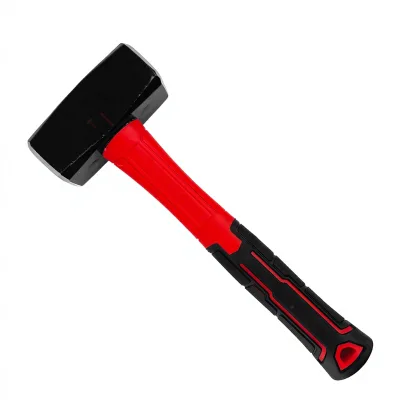
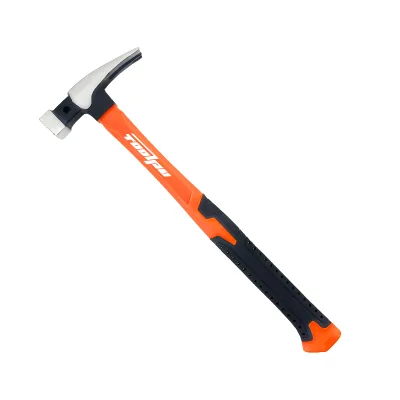
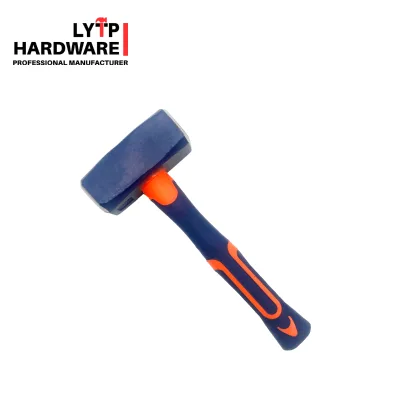
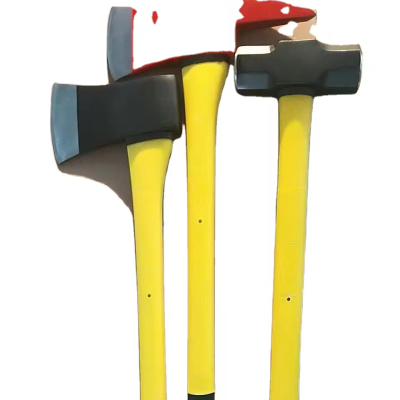


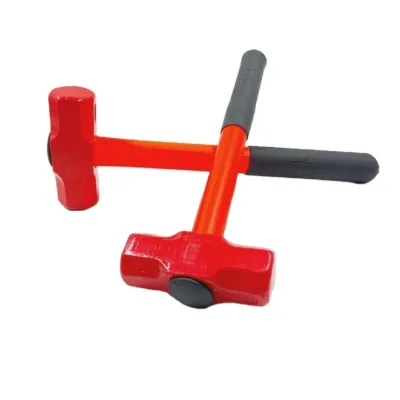
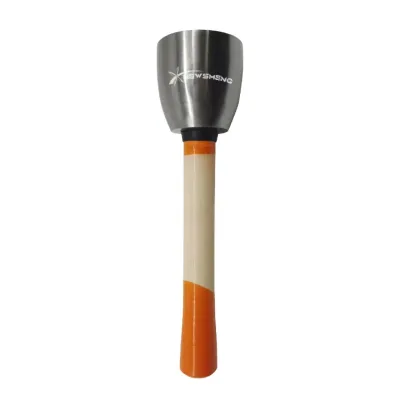
$1.8633 - $2.5528
MOQ: 200 Minimum





Comprehensive Sourcing Guide
3D Model BB Hammer Sourcing Guide
Sourcing specialized hammer tools requires a disciplined approach to verifying technical attributes and supplier capabilities. Buyers must navigate a market where product listings often mix industrial-grade equipment with general-purpose hardware. The core keyword suggests a need for precise digital modeling or specific industrial applications, yet the available data points toward a diverse range of manual tools. Understanding the distinction between digital design assets and physical manufacturing capabilities is the first step in effective procurement.
This guide focuses on tangible procurement strategies for hammer tools observed in current market listings. It emphasizes the verification of material composition, origin, and customization options. By aligning technical specifications with commercial terms, buyers can mitigate risks associated with mismatched product expectations. The following sections provide a structured framework for evaluating suppliers, ensuring that the final product meets both functional requirements and quality standards.
Product Scope and Observed Listing Signals
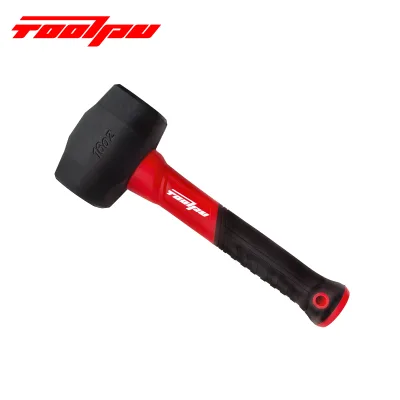
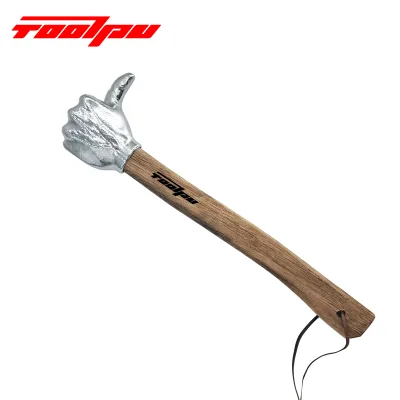
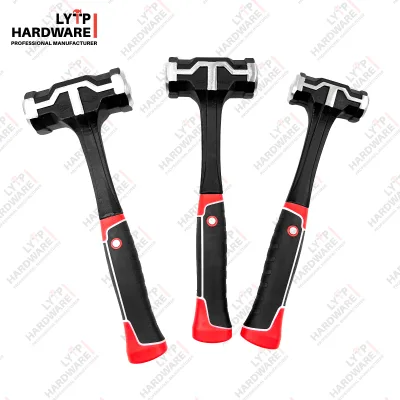
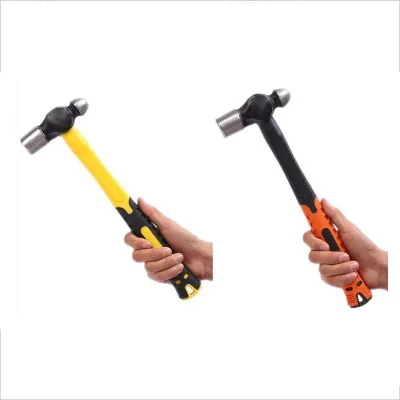
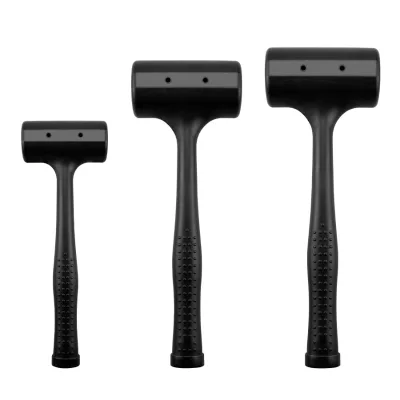
The current market landscape for hammer tools reveals a wide spectrum of product types, ranging from rubber-headed mallets to traditional machinist hammers. Listings indicate that products are available with various handle materials, including wood and fiberglass, catering to different user preferences for durability and shock absorption. The observed product attributes suggest that buyers can find tools suitable for diverse applications, from building decoration to household use, with specific models designed for machinists and roofing tasks.
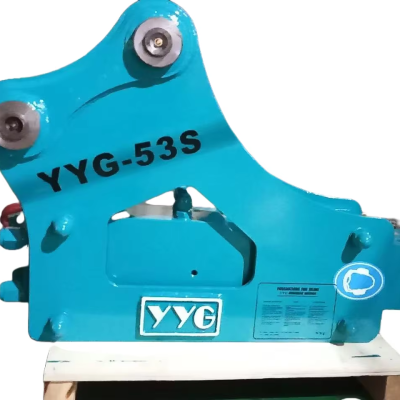
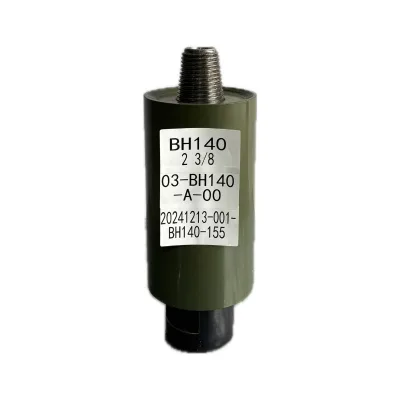
Brand presence is notable, with specific manufacturers like YYG appearing in the data, offering products with customizable logos and OEM support. This indicates a mature supply chain capable of handling branded orders. The compatibility with major heavy equipment brands such as Terex, Komatsu, and Liebherr suggests that some listed items may serve industrial maintenance roles, although the primary focus remains on manual hand tools. Buyers should carefully distinguish between general household tools and specialized industrial hammers when reviewing product catalogs.
Technical Specifications to Verify
Technical verification begins with confirming the hammer’s material composition and dimensional accuracy. Key attributes to validate include the hammer head material, which may be rubber or steel, and the handle construction, which can be wood or fiberglass. The standard weights observed range from 100g to 1000g, with specific models like the HHT-H-02 and AM19012M. 008 offering distinct specifications. Buyers must ensure that the selected model matches the required weight and size for the intended application, whether it is precision work or heavy-duty striking.
Dimensional standards are critical for compatibility and performance. Listings show standards such as 25-45mm and 8oz / 25mm, indicating that size variations are common. The face diameter and shape, such as square or round, also play a significant role in tool functionality. Additionally, the system type, typically metric, should be confirmed to avoid measurement discrepancies. Buyers should request detailed technical drawings or 3D models to verify these specifications before placing bulk orders, ensuring that the physical product aligns with digital representations.
Compliance and Safety Documentation
Safety compliance is a paramount consideration when sourcing hammer tools, particularly those intended for industrial or professional use. Buyers must verify whether the products are explosion-proof, as this attribute varies significantly across listings. Some hammers are explicitly marked as explosion-proof, while others are not, which is crucial for environments with flammable materials. Ensuring that the selected tool meets the safety requirements of the work environment is essential to prevent accidents and ensure regulatory compliance.
Documentation such as inspection reports and warranty terms provide additional layers of assurance. A one-year warranty is commonly offered, indicating a baseline level of product reliability. Buyers should also inquire about outgoing inspection procedures, which are provided in some listings, to ensure that quality control measures are in place. Verifying that the supplier adheres to relevant safety standards and provides necessary documentation helps mitigate risks associated with product liability and workplace safety incidents.
Cost Drivers and Commercial Terms
Cost structures for hammer tools are influenced by material choices, customization levels, and order quantities. The observed price range spans from $0.22 to $20,000, reflecting the diversity from simple household items to specialized industrial equipment. Minimum order quantities (MOQ) typically range from 1 to 1500 units, allowing for flexibility in procurement strategies. Buyers should consider the trade-off between unit price and MOQ, especially when seeking customized products with specific branding or design modifications.
Commercial terms such as packaging and shipping details also impact the total cost of ownership. Products are often packed in cartons, with specific quantities per carton, such as 60 pieces. Buyers should negotiate clear terms regarding packaging customization and shipping logistics to avoid unexpected expenses. Understanding the cost drivers and negotiating favorable commercial terms can significantly enhance the profitability of the procurement process, ensuring that the final product remains competitive in the market.
Supplier Qualification and Quality Control
Supplier qualification involves assessing the manufacturer’s capability to deliver consistent quality and meet customization requests. The presence of OEM and ODM support indicates that suppliers are equipped to handle bespoke orders, which is valuable for buyers seeking unique product designs. Buyers should verify the supplier’s production capacity, quality control processes, and track record in delivering products that meet specified standards. A robust quality control system ensures that each hammer meets the required specifications for weight, material, and finish.
Origin and location are also critical factors in supplier evaluation. Products are sourced from regions like Guangdong and Shandong in China, which are known for their manufacturing expertise. Buyers should conduct due diligence on suppliers from these regions, verifying their business licenses and production facilities. Establishing a strong relationship with a qualified supplier ensures long-term reliability and consistent product quality, reducing the risk of supply chain disruptions and ensuring that procurement goals are met efficiently.
Long-Term Procurement Checks
Long-term procurement success depends on continuous monitoring of product performance and supplier reliability. Buyers should establish key performance indicators (KPIs) to track product quality, delivery times, and customer feedback. Regular audits and inspections can help identify potential issues early, allowing for corrective actions before they impact the supply chain. Maintaining open communication with suppliers ensures that any changes in product specifications or market conditions are addressed promptly, fostering a collaborative partnership.
Adapting to market trends and technological advancements is essential for staying competitive. Buyers should stay informed about new materials, designs, and safety standards that may influence product development. By proactively engaging with suppliers and staying updated on industry developments, buyers can ensure that their procurement strategies remain effective and aligned with business objectives. This proactive approach helps in building a resilient supply chain that can withstand market fluctuations and meet evolving customer demands.
FAQs
What materials are used for 3D Model BB Hammer heads?
The product listings indicate that hammer heads are primarily made from rubber. Some models feature a rubber head combined with a fiberglass handle, while others utilize wood for the handle. These material choices support applications in building decoration and household tool sets, ensuring durability for machinist and roofing tasks.
Can I customize the logo on these hammers?
Yes, customization is available for these tools. The suppliers offer OEM support, allowing buyers to add a customized logo to the product. This service is explicitly listed as a supported feature, enabling brands to personalize the hammers for specific market needs or corporate identity requirements without compromising the standard product specifications.
What is the typical warranty period for these hammers?
The standard warranty provided for these hammers is one year. This coverage applies to the general product line, ensuring buyer protection against manufacturing defects. Buyers should verify specific terms with individual suppliers, as warranty conditions may vary slightly depending on the specific model and the supplier's local policies in regions like Guangdong or Shandong.
Which brands are compatible with these hammer tools?
These hammers are designed to be compatible with major equipment brands including Terex, Atlas Copco, Liebherr, Komatsu, Manitou, Wacker Neuson, Kobelco, Metso, Doosan, and XGMA. This broad compatibility ensures that the tools can be integrated into existing workflows involving machinery from these well-known manufacturers for various industrial and construction applications.
What are the standard weight options for these hammers?
Standard weight options include 100g, 200g, 300g, 400g, 500g, 600g, 800g, and 1000g. Specific models also feature weights such as 0.5kg or 920g. These variations allow buyers to select the appropriate mass for different tasks, ranging from delicate household use to heavier-duty machinist or roofing hammer applications.
Are these hammers explosion-proof?
The product specifications indicate that some models are not explosion-proof, while others are explicitly listed as explosion-proof. Buyers must check the specific product attributes for each model to determine its safety rating. This distinction is critical for applications in hazardous environments where explosion-proof equipment is required for safety compliance and operational security.