Tricky Fun Chicken Decompression Toy Suppliers and Manufacturers
Explore 16 verified options for Tricky Fun Chicken Decompression Toy from Guangdong and Zhejiang factories. Compare response times, lead times, certifications like EN 71 and ASTM F963, and pricing to find the right partner. Contact suppliers directly to request samples.
Updated
Suppliers List
Guangzhou Baolilong Toys Trading Co., Limited
- Trading Company
- Guangdong, China
- Lead time45 days
- Avg. response≤ 7h
Main productspromotion toys,dollar chain shop toys,OEM and ODM,candy toy,capsule toy
Main marketsNorthern Europe(35.00%), Mid East(25.00%), Eastern Europe(25.00%), South Asia(10.00%), South America(5.00%)
Yongkang Xiaotongban Toys Gifts Co., Ltd.
- Verified by SGS Group
- Manufacturer, Trading Company
- Lead time25 days
- Avg. response≤ 5h
Main productsPlastic Toys, Rubber bath Toys, Fidget Toy, Bounce Ball, Animal Craft
Main marketsNorth America(80%), Western Europe(15%), South Asia(2%)

Fuzhou Dachion Import & Export Co., Ltd.
- Verified by SGS
- Trading Company
- China Fujian
- Lead time15 days
- Avg. response≤ 5h
Main productsBackpacksGift & Paper Shopping
Main marketsEurope,North America

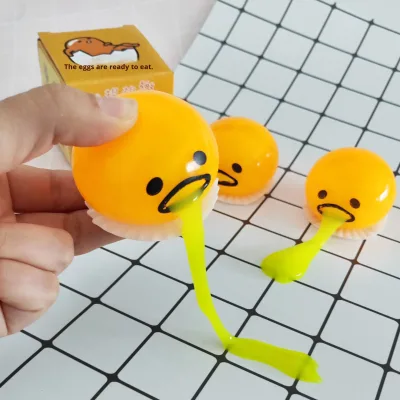
Chick Toys Squeeze Toys Fidget Decompression Cup Cage Stress Relieve Stress Toy
$1.00 - $2.20
MOQ: 100 pieces


- Verified by SGS
- Trading Company
- China Zhejiang
- Lead time15 days
- Avg. response≤ 6h
Main productsJewelry, Cap Hat, Key Chain, Mobile Phone Shell
Main marketsSouth America,Domestic,Europe,North America
Jieyang City Rongcheng District Jixin Toy Factory
- Verified by Intertek
- Manufacturer, Trading Company
- Lead time30 days
- Avg. response≤ 1h
Main productsBathing Toys, Rubber Figurine Toys, Decompression Toys, Doll Toys, Educational Toys

- Verified by SGS
- Trading Company,Manufacturer/Factory
- China Guangdong
- Lead time23 days
- Avg. response≤ 3h
Main productsBeauty Devices, Skin Care Instrument, LED Face Masks, Makeup Tools, Beauty Instrument (OEM/ODM), OEM / ODM Electronics, Beauty Device, Home Air Care Appliances, Furniture, Electric Bakhoor Burners
Main marketsSouth America,Eastern Europe,Mid East,North America,Southeast Asia,Eastern Asia,Oceania,Western Europe,Africa

2026 New Arrival Cake Shaped Squishy Stress Relief Toy Foy Squeeze Decompression
$0.60 - $1.20
MOQ: 48 Pieces


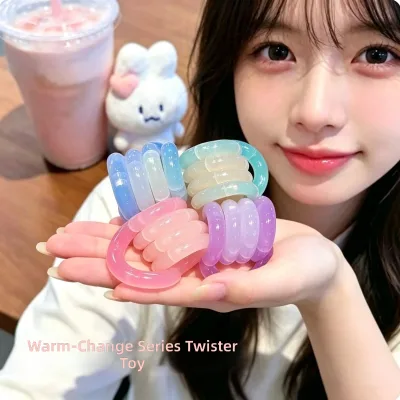
Wholesale Decompression Toy Colorful Rotatable Spinyrelief Stress Fidget Squeeze Toys
$0.84 - $1.02
MOQ: 100 Pieces


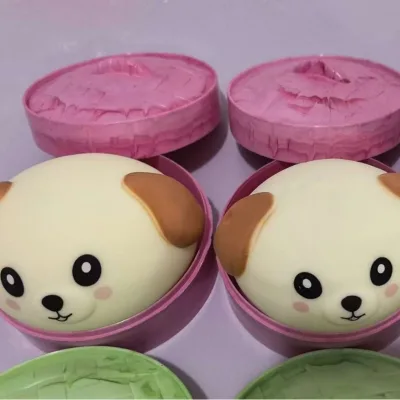
Decompression Toys with Many Expressions and Slow Rebounding Feature - Simulated Steamed Buns
$0.61 - $0.85
MOQ: 100 Pieces
Yiwu Xingxin International Trade Co., Ltd.
- Trading Company
- Zhejiang, China
- Lead time0 days
- Avg. response≤ 4h
Main productsPLUSH TOY,CARTOON KEYCHAIN,ACTION FIGURE,PLASTIC TOY
Main marketsNorth America(50.00%), Eastern Europe(10.00%), Southeast Asia(10.00%), South America(5.00%), Western Europe(5.00%), Southern Europe(5.00%), Mid East(3.00%), Eastern Asia(3.00%), Oceania(2.00%), Central America(2.00%), South Asia(2.00%), Africa(1.00%), Northern Europe(1.00%), Domestic Market(1.00%)

- Verified by TUVRHEINLAND
- Combined
- China Guangdong
- Lead time15 days
- Avg. response≤ 5h
Main marketsSouth America,Southeast Asia/ Mideast,Europe,North America
Shenzhen Yihong Bo Electronic Technology Co,.Ltd
- Manufacturer, Trading Company, Agent, Distributor/Wholesaler, Other
- guangdong, China
- Lead time5 days
- Avg. response≤ 3h
Main productsKids Toy,Custom Toy,Pets Toy,Electronic products,Animal Toy
Main marketsWestern Europe(20.00%), Eastern Europe(15.00%), South Asia(10.00%), North America(10.00%), Eastern Asia(10.00%), Oceania(10.00%), Southern Europe(10.00%), Domestic Market(5.00%), Central America(5.00%), South America(5.00%)
Dongyang Yixin Trading Co., Ltd.
- Trading Company
- Zhejiang, China
- Lead time3 days
- Avg. response≤ 1h
Main productsKeychain,Toys,gift,Arts and Crafts,Holiday Decorations
Main marketsCentral America(40.00%), Eastern Europe(10.00%), Western Europe(10.00%), South America(10.00%), North America(10.00%), Southern Europe(4.00%), Northern Europe(4.00%), Eastern Asia(2.00%), Domestic Market(2.00%), South Asia(2.00%), Africa(2.00%), Southeast Asia(2.00%), Mid East(2.00%)

Guangxi Peirou Technology Information Co., Ltd.
- Verified by BV
- Trading Company
- China Guangxi
- Lead time15 days
- Avg. response≤ 3h
Main productsToy, Plush Toy, Customized Toys, Wholesale Plush Toy, Plush Bear, Plush Doll Toy, Plush Toy Bear, Pet Toy
Main marketsEast Asia(Japan/ South Korea),Europe,Australia,North America

- Verified by BV
- Manufacturer/Factory
- China Guangdong
- Lead time15 days
- Avg. response≤ 6h
Main productsOutdoor and Indoor Lighting, Bar Lights, Festival Lights, Pet Products, Kid Toys
Main marketsSouth America,Eastern Europe,Mid East,North America,Southeast Asia,Eastern Asia,Oceania,Western Europe,Africa


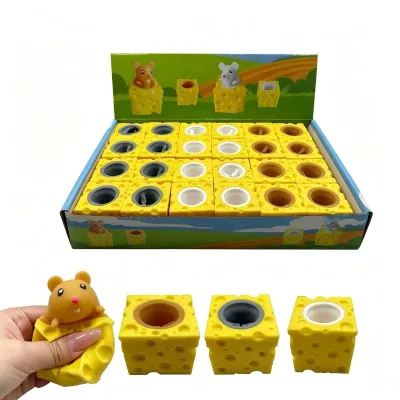
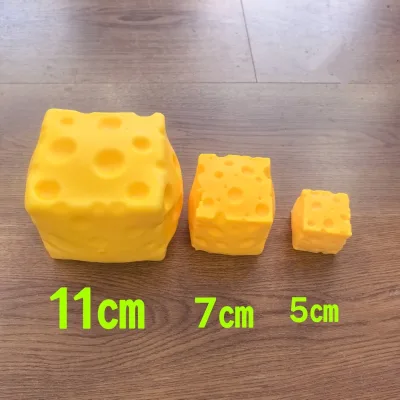
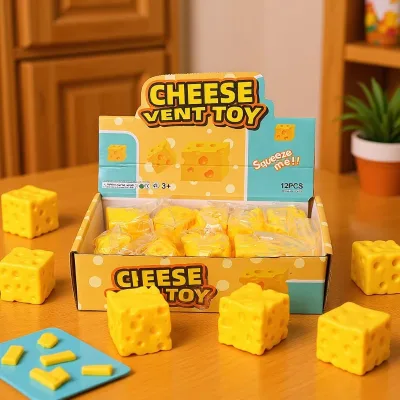
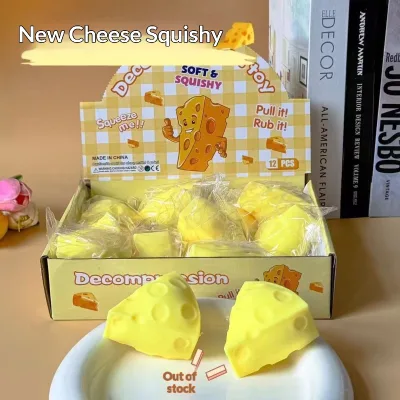
Popular Vaseline Squishy Cheese Slow Rebound Decompression Cheese Stress Squeeze Toys
$0.60 - $1.80
MOQ: 100 Pieces

$0.30 - $1.50
MOQ: 100 Pieces
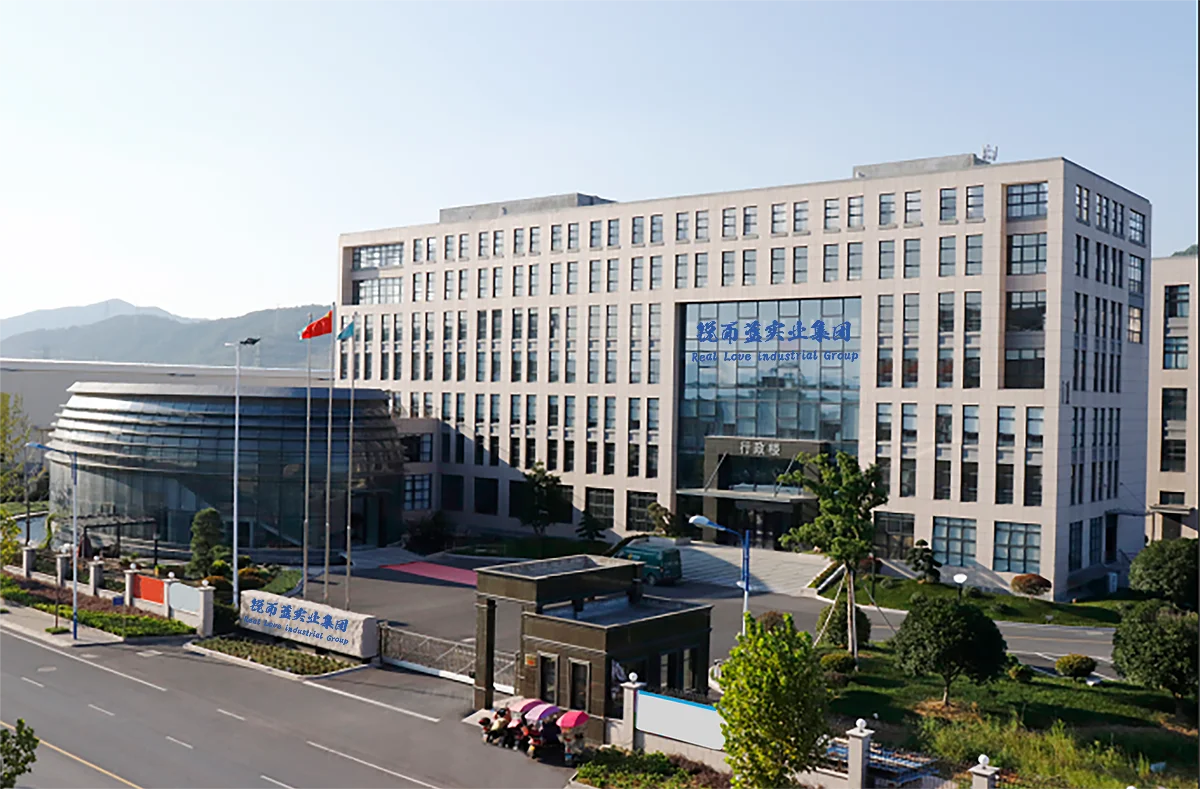
Real Love Industrial Factory Groups
- Manufacturer, Trading Company
- Zhejiang, China
- Lead time0 days
- Avg. response≤ 1h
Main productsHardware,Fabrics,Bags,Toys,Materials
Main marketsSouth America(20.00%), North America(20.00%), Eastern Europe(10.00%), Northern Europe(8.00%), Central America(5.00%), Domestic Market(5.00%), Eastern Asia(5.00%), Mid East(5.00%), Oceania(5.00%), Southeast Asia(5.00%), Southern Europe(4.00%), Western Europe(3.00%), Africa(3.00%), South Asia(2.00%)
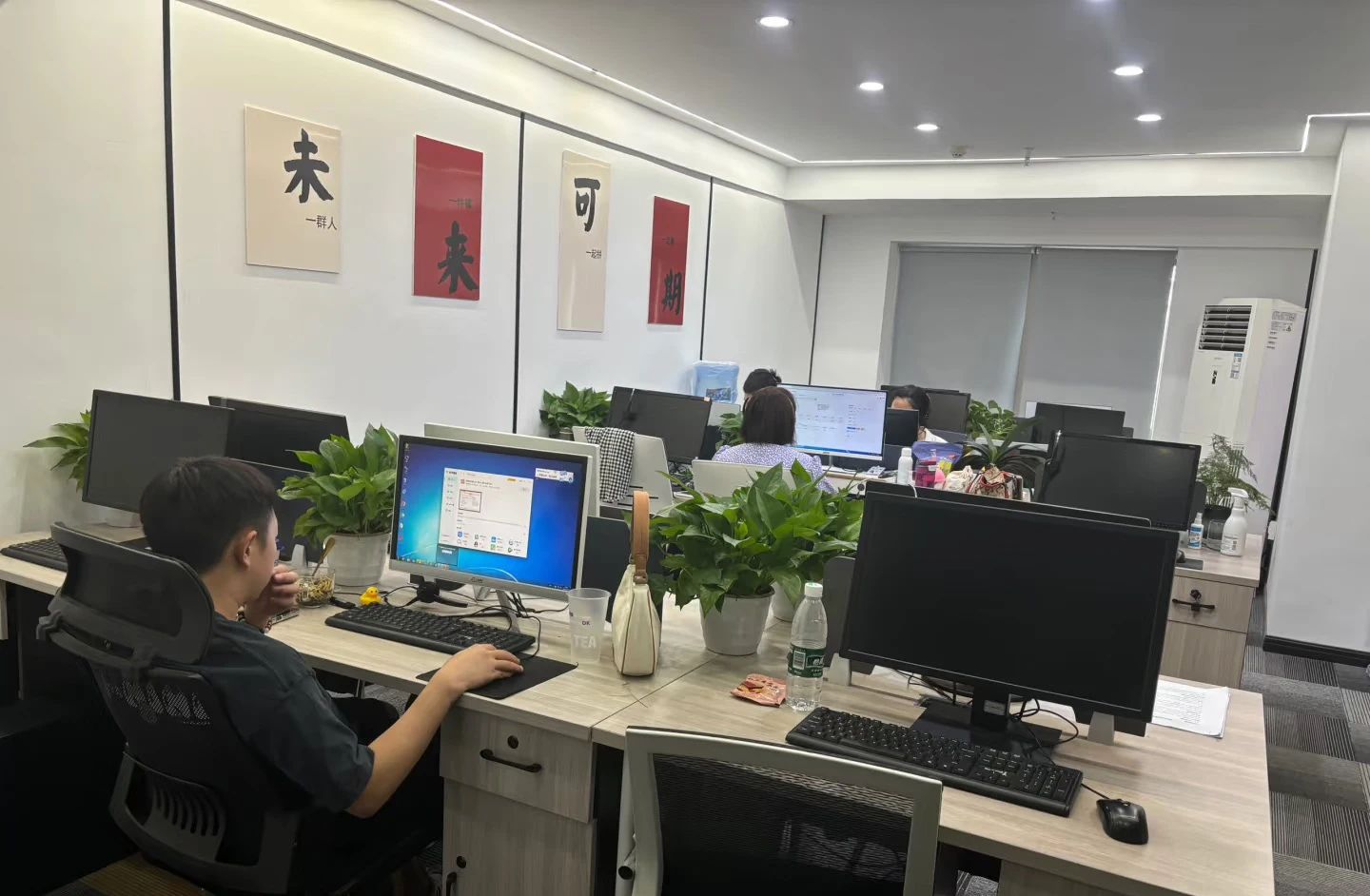
Yiwu Lucky Star Crafts Co., Ltd.
- Trading Company
- Zhejiang, China
- Lead time5 days
- Avg. response≤ 6h
Main productsGifts,Plastic ornaments,keychain,toy,Plush doll
Main marketsNorth America(45.00%), South America(25.00%), Southern Europe(5.00%), Northern Europe(5.00%), Central America(5.00%), Western Europe(5.00%), Oceania(5.00%), Eastern Europe(5.00%)

Guangdong qunlong technology co., ltd
- Manufacturer
- China Guangdong
- Lead time15 days
- Avg. response≤ 1h
Main productsOEM/Design Toys, Plastic Products
Main marketsDomestic

Huizhou Shenghui Plastic Product Co., Ltd
- Verified by SGS
- Trading Company
- China Guangdong
- Lead time30 days
- Avg. response≤ 4h
Main productsCustomized Plastic Figure, Plastic Toy, Plastic Figure
Main marketsSoutheast Asia/ Mideast

Squishy PU Material Decompression Toy with Slow Rebound and Flour Filling Effect
$1.00
MOQ: 3000 Pieces


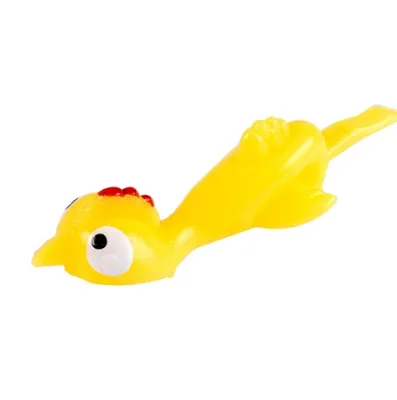
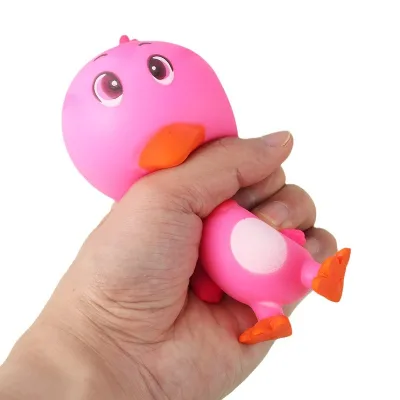
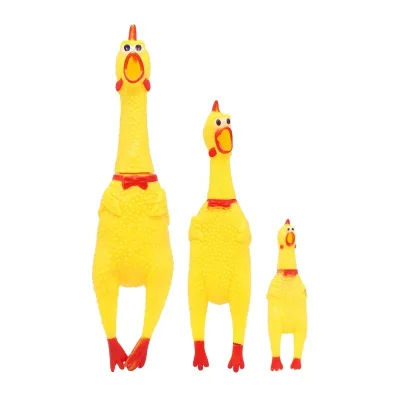
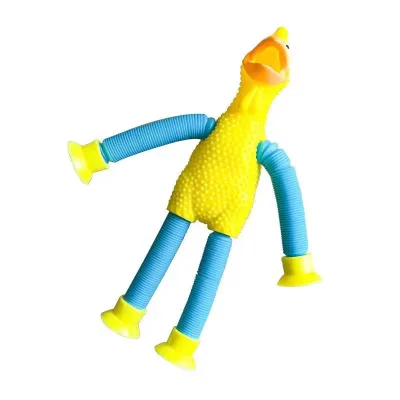






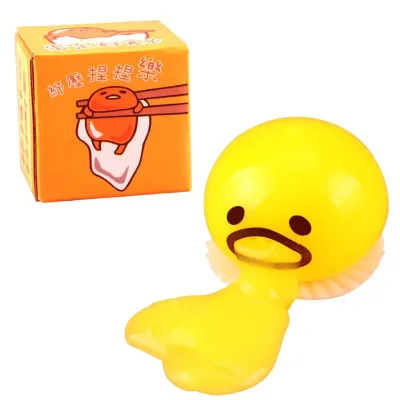
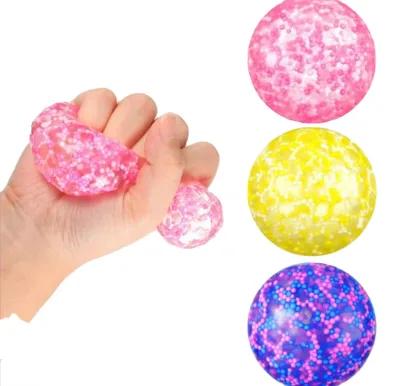
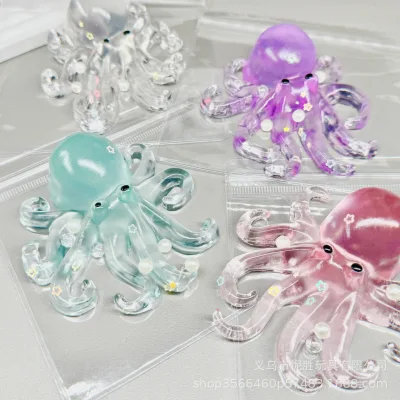
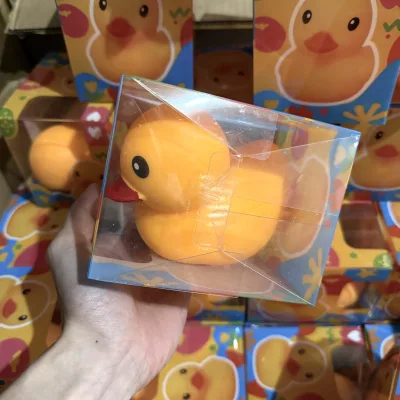


Comprehensive Sourcing Guide
Tricky Fun Chicken Decompression Toy Supplier Concentration and Factory Types
The current supplier landscape for tricky fun chicken decompression toys reveals a distinct mix of manufacturing capabilities and trading structures. Evidence indicates that some entities operate as pure trading companies, focusing on aggregation and sales, while others identify as both manufacturers and trading companies. This dual classification suggests that certain factories may handle direct production while also managing their own export channels. The presence of trading companies implies a layer of intermediation that can affect pricing flexibility and communication speed. Buyers must carefully distinguish between these entity types to understand who is actually responsible for quality control and production scheduling. A trading company might offer a broader catalog of novelty items, whereas a manufacturer might provide deeper customization options for specific toy molds.
Location data further clarifies the industrial concentration of these suppliers. Results show origins in Guangdong and Zhejiang provinces in China. Guangdong is a well-known hub for plastic and rubber toy manufacturing, often associated with established supply chains for electronics and novelty items. Zhejiang is also a significant region for plastic goods and fidget toys. When evaluating suppliers, buyers should note the specific province listed in the product attributes or company profile. This geographic information helps in assessing logistics costs and lead times. It also provides context for the type of industrial ecosystem the supplier is embedded in. Understanding whether a supplier is based in a major manufacturing cluster can influence expectations regarding raw material availability and skilled labor.
How to Verify Tricky Fun Chicken Decompression Toy Suppliers
Verification is a critical step in ensuring that the supplier meets your quality and compliance standards. One key indicator of reliability is the presence of third-party verification badges. Some suppliers in this category display verification from SGS Group, which adds a layer of credibility to their business operations. This verification process typically involves checking the legal status and operational capacity of the company. Buyers should look for these badges prominently displayed on the supplier’s profile page. It serves as an initial filter to separate established businesses from potentially risky entities. However, verification alone does not guarantee product quality, so it must be combined with other checks.
Certifications are another vital aspect of supplier verification, especially for toys intended for children. The data shows that some suppliers hold certifications such as EN 71, ASTM F963, CPC, and CE. These standards are crucial for ensuring that the toys meet safety requirements in different markets. EN 71 is the European standard, while ASTM F963 is the US standard. The CPC (Children’s Product Certificate) is required for children’s products in the United States. Buyers should request copies of these certificates and verify their validity with the issuing bodies. Additionally, checking the response time can provide insight into the supplier’s professionalism. A faster response time, such as five hours, often correlates with better customer service and operational efficiency.
What to Compare Across Tricky Fun Chicken Decompression Toy Suppliers
When comparing suppliers, lead time is a significant factor that impacts your inventory planning. The observed lead times vary, with some suppliers indicating a lead time of 45 days, while others offer a faster turnaround of 25 days. This difference can be critical for time-sensitive orders or seasonal products. Buyers should align their order placement with the supplier’s stated lead time to avoid delays. It is also important to confirm whether this lead time includes production, testing, and shipping preparation. A shorter lead time might come with higher costs or stricter minimum order quantities, so this trade-off needs evaluation.
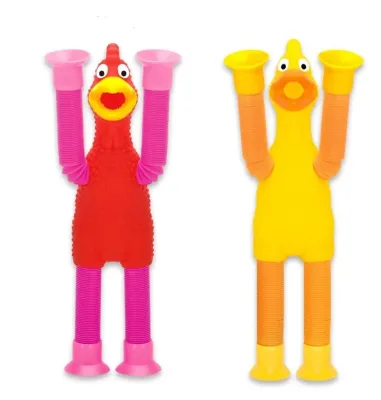
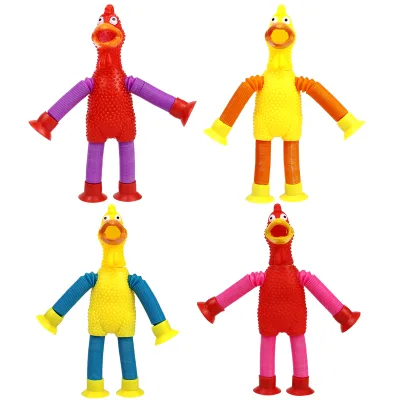
Minimum Order Quantity (MOQ) and pricing are other key comparison points. MOQs in this category range from 1,000 to 5,000 units. Suppliers with lower MOQs might be more accessible for small businesses or testing new markets. Pricing also varies, with some items priced around $0.05 to $0.07 per unit, while others are higher at $0.22 to $0.50. These price differences often reflect variations in material quality, such as TPR plastic versus rubber, or additional features like suction cups or telescopic tubes. Buyers should compare the total landed cost, including shipping, rather than just the unit price. Response time is another metric to consider, with some suppliers responding within 5 to 7 hours, which can facilitate quicker negotiations and problem resolution.
Common Tricky Fun Chicken Decompression Toy Sourcing Risks
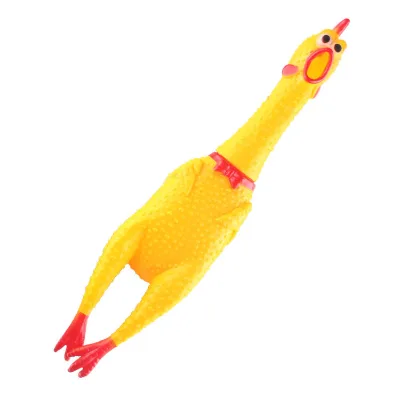
One common risk in sourcing novelty toys is the inconsistency in material quality. Products are described using materials like TPR, rubber, and plastic. While these are common, the specific grade and safety of these materials can vary between suppliers. Some toys are marketed as stress relievers or fidget toys, which may involve different manufacturing processes. Buyers must ensure that the materials used are non-toxic and durable. The risk of breakage or degradation over time can lead to customer complaints and returns. It is essential to request samples to physically inspect the material quality and durability before placing a large order. This hands-on verification can prevent costly mistakes later in the supply chain.
Another risk is the accuracy of product specifications and packaging. The data shows variations in product dimensions and packaging details, such as opp bags or net bags. Inaccurate specifications can lead to logistical issues, such as containers not being fully utilized or products not fitting retail displays. For example, single package sizes range from small opp bags to larger boxes. Buyers should verify that the supplier’s stated dimensions match the actual product. Additionally, the risk of intellectual property infringement exists with novelty toys. Some designs might be copies of popular trends. Buyers should ensure that the supplier has the right to produce and sell the specific design to avoid legal issues. Clear communication of design requirements and approval processes is necessary to mitigate this risk.
Tricky Fun Chicken Decompression Toy Regional Sourcing and Logistics
Sourcing from China involves navigating logistics from specific manufacturing hubs. Suppliers are located in Guangdong and Zhejiang provinces. Guangdong is a major port region, which can offer efficient shipping options to global destinations. Zhejiang is also a key manufacturing area with good logistical infrastructure. Buyers should consider the proximity of the supplier to major ports when calculating shipping costs and times. The location can influence the availability of freight forwarders and the speed of customs clearance. Understanding the regional logistics network helps in planning the supply chain more effectively. It also allows for better coordination with local suppliers for any urgent changes or additional orders.
Logistics planning should also account for the packaging dimensions and weight. The data indicates that single gross weights and package sizes vary significantly. Some items are lightweight, such as 0.006 kg, while others are heavier, like 22.000 kg for a single item package. These variations affect shipping costs, which are often calculated by volume or weight. Buyers should work with their freight forwarders to optimize container loading. Efficient packaging design can reduce shipping costs and minimize damage during transit. Additionally, considering the lead time and logistics together is crucial. A supplier with a short lead time might still have long shipping times depending on the destination. Buyers should plan for the total time from order placement to delivery.
Tricky Fun Chicken Decompression Toy Commercial Terms and Order Planning
Commercial terms such as payment methods and customization options are important for order planning. Some suppliers accept payment terms like T/T, which is a common method for international trade. Buyers should clarify the payment schedule, including deposit and balance payments, to manage cash flow effectively. Customization is another key aspect, with some suppliers welcoming OEM and ODM services. This allows buyers to create unique products with their own branding or design modifications. The data shows that logo printing is welcome, which is essential for brand building. Buyers should discuss customization requirements early in the negotiation process to ensure feasibility and cost implications.
Order planning should also consider the supplier’s capacity for sample processing and graphic processing. Some suppliers offer customized on-demand services, which can be beneficial for developing new products. Buyers should plan for sample orders to test the product before committing to large volumes. This step helps in verifying quality and making any necessary adjustments. Additionally, understanding the supplier’s main products can help in assessing their expertise. Suppliers focusing on plastic toys, rubber bath toys, and fidget toys may have more experience in this niche. Buyers should align their order volume with the supplier’s production capacity to ensure timely delivery. Clear communication of order details and expectations is key to a successful partnership.
FAQs
What is the price range for chicken decompression toys?
Prices for these toys typically range from $0.05 to $0.50 per unit. The lowest cost options are simple TPR squeeze toys, while more complex designs with suction cups or telescopic tubes cost slightly more. Buyers should expect variations based on material quality and specific functional features included in the final product design.
What are the minimum order quantities for these items?
Minimum order quantities generally start at 1,000 units for standard rubber squeeze toys. Some suppliers require a higher threshold of 5,000 units for specific models or custom branding options. Buyers should verify the exact MOQ with the supplier before placing an order to ensure it aligns with their inventory requirements.
How long does production take for these toys?
Production lead times vary between 25 and 45 days depending on the supplier and order volume. Manufacturers with faster turnaround times often have established capacity for sample processing and graphic customization. Buyers should confirm the specific lead time with their chosen supplier to plan their inventory and shipping schedules effectively.
Are these toys safe for children aged five and up?
Yes, many suppliers certify their products with EN 71, ASTM F963, and CE standards, ensuring safety for children aged five and up. Some products are also suitable for older age groups, including eight to thirteen years. Buyers should always request current certification documents to verify compliance with local safety regulations.
Can I customize the logo or design of these toys?
Most suppliers welcome OEM and ODM services, allowing for custom logo printing and design modifications. Buyers can request specific colors, packaging details, or functional adjustments to meet their brand requirements. It is advisable to discuss customization options and any associated costs directly with the supplier during the inquiry phase.
Where are these toys typically manufactured?
These toys are primarily manufactured in Guangdong and Zhejiang provinces in China. Suppliers in these regions offer a wide range of materials, including rubber, plastic, and TPR. Buyers can expect efficient logistics and a high concentration of specialized manufacturers in these key industrial hubs for novelty and gag toys.