Source 3d woven iron on shoe and hat patch for Clothing, Bags, and Hats
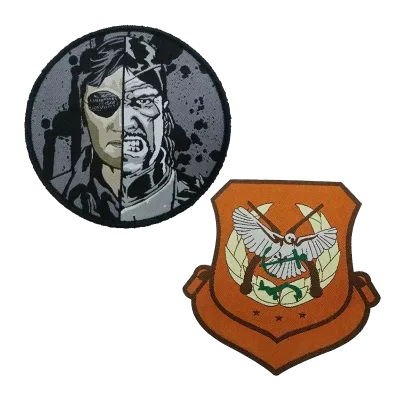
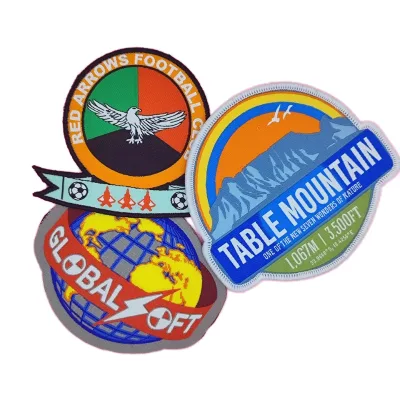
Compare 30 listings for 3d woven iron on shoe and hat patch options featuring custom sizes, eco-friendly materials, and various backing types like iron-on or hook-and-loop. Buyers can evaluate woven and embroidered styles with merrow or hot cut borders for apparel accessories.
Key considerations
Products List









Comprehensive Sourcing Guide
Strategic Sourcing Guide for 3D Woven Iron-On Shoe and Hat Patches
Understanding Product Specifications and Technical Attributes
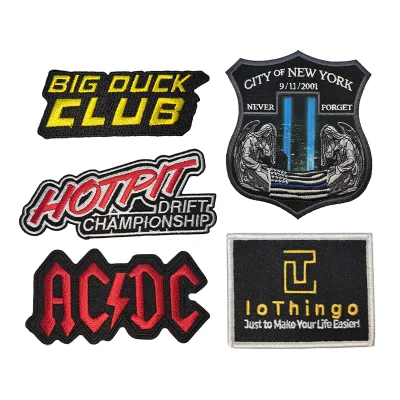
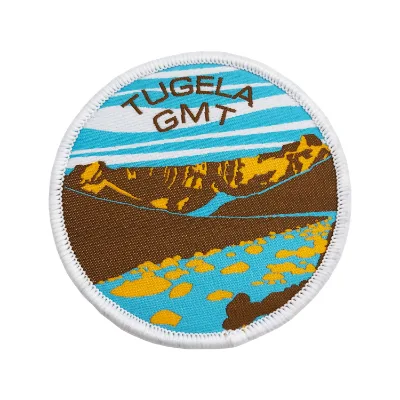
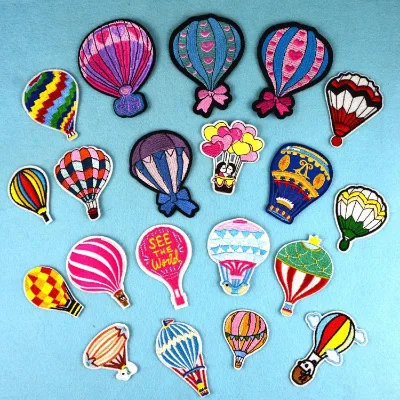
When sourcing 3D woven iron-on patches for footwear and headwear, buyers must first distinguish between the specific manufacturing techniques and material compositions that define the final product. The core keyword implies a dual requirement: the visual depth of a 3D element and the structural integrity of a woven construction. Based on available market data, the "Woven" technic is a distinct category where threads are interlaced to create a fabric base, often utilizing Polyester yarn or Cotton Twill as the primary material. This differs significantly from "Embroidered" patches, which rely on needlework over a backing. For a 3D effect, the sourcing profile often indicates the use of specific thread densities or layered stitching to create relief, though the underlying fabric remains woven.
The backing mechanism is critical for the "Iron-On" application. While some products list "Iron on" as a primary backing, others offer a triad of options including "Hook & Loop" and "Sew on." For shoe and hat applications, the iron-on adhesive must be robust enough to withstand the thermal stress of application and the mechanical stress of wear. The observed product attributes indicate that "Merrow Border" and "Hot Cut" are common finishing techniques. A Merrow border provides a durable, overlocked edge that prevents fraying, which is essential for patches that will be subjected to the friction of shoe soles or hat brims. Conversely, a hot-cut edge offers a cleaner, more modern aesthetic but may require careful handling to ensure the adhesive does not bleed during the ironing process.
The customization landscape for these items is extensive. Buyers can expect "Custom" sizes and shapes, with specific model numbers like "003," "008," and "112" often denoting specific design templates or production runs. The color palette is typically flexible, with "Custom" color options and the ability to match specific thread colors from provided files. However, the material composition varies; while Polyester is a dominant material for its durability and color retention, some listings specify "Cotton," "Cotton Twill," or even "Fabric" as the main material. It is vital to verify the specific material composition for each order, as the thermal conductivity and adhesion properties of cotton differ from those of synthetic polyester.
Compliance, Certification, and Safety Standards
In the B2B procurement of textile accessories, verifying compliance and safety standards is paramount, particularly for products intended for direct contact with clothing and accessories worn by consumers. The supplied data highlights "Eco-Friendly" as a recurring feature across multiple product listings. This attribute suggests that the dyes and adhesives used may meet specific environmental criteria, but buyers must not assume this status without verification. The term "Eco-Friendly" is an observation of the product listing rather than a guaranteed certification. Procurement teams should request documentation to substantiate claims regarding the absence of hazardous substances, such as heavy metals or allergens, which is further supported by the "Nickel-Free" attribute frequently noted in the product descriptions.
Regarding standards, the market data indicates a mix of "custom" standards and specific dimensional requirements. Some listings reference a standard size of "1.6" wide*3.0" high," while others explicitly state "Custom per Customer Request." This variability underscores the need for buyers to define their own technical specifications clearly in the purchase order. There is no universal industry standard cited in the provided facts that applies to all 3D woven patches; therefore, the buyer's responsibility is to establish a quality standard that aligns with their brand's requirements. This includes defining acceptable tolerances for the "3D" relief height and the bond strength of the iron-on adhesive.
Safety certifications for the adhesive used in iron-on patches are often region-specific. While the data mentions "Made in China" as the origin for the majority of these products, it does not list specific certifications like OEKO-TEX or REACH compliance. Buyers should explicitly ask suppliers for test reports confirming that the adhesive and thread materials are free from harmful substances, especially since these patches are often applied to items worn close to the skin or in contact with food (in the case of hats used in dining settings). The "High Quality" attribute listed in some descriptions is a marketing claim rather than a verified metric; therefore, third-party testing or factory audit reports are necessary to validate quality claims.
Cost Drivers and Pricing Dynamics
The pricing structure for 3D woven iron-on patches is influenced by several variable factors, primarily driven by customization levels, material selection, and order volume. The observed price range in the market data spans from $0.03 to $1.80 per unit. This wide disparity indicates that the base cost is heavily dependent on the complexity of the design and the quantity ordered. The lower end of the spectrum likely corresponds to simple, standard designs with minimal 3D elements and high-volume production runs. Conversely, the higher price points are associated with complex 3D embroidery, custom shapes, and specialized materials like high-grade cotton twill or unique thread colors.
The Minimum Order Quantity (MOQ) is a significant cost driver. The data shows an MOQ range from 1 to 1000 units, with a specific observation of 50 pieces as a common threshold. Suppliers offering an MOQ of 50 pieces may charge a premium per unit compared to those requiring 1000 pieces. For buyers testing new designs or launching small collections, the ability to order in smaller batches is crucial, even if the unit cost is higher. The "Factory Directly" advantage mentioned in the product attributes suggests that sourcing directly from the manufacturer can reduce intermediary markups, potentially lowering the overall cost. However, this benefit is most realized when the order volume is sufficient to justify the production setup.
Packaging requirements also impact the final landed cost. The observed packaging options include "Poly Bag and Outer Box" or "Carton." Custom packaging, such as branded boxes or specific labeling, will incur additional charges. The "Variable" packing option noted in some listings implies flexibility, but buyers should clarify the exact packaging specifications to avoid unexpected costs. Additionally, the "Custom" nature of the product means that design setup fees may apply for new molds or digitized patterns, which should be factored into the total cost of ownership.
Typical Applications and Functional Use Cases
The versatility of 3D woven iron-on patches makes them suitable for a broad spectrum of applications, particularly in the apparel and accessory sectors. The primary use cases identified in the data include "Clothes," "Bag," and specifically "Shoe and Hat" applications. For footwear, these patches are often applied to the tongue, side panels, or heel counters of sneakers and boots. The "3D" feature adds a tactile and visual dimension that enhances the aesthetic appeal of the shoe, making it a popular choice for streetwear and athletic brands. The "Iron-On" backing allows for easy application, though the durability of the bond is critical given the high-flex nature of shoe materials.
In the headwear category, patches are frequently used on baseball caps, beanies, and bucket hats. The "Sew on" and "Hook & Loop" backing options provide alternatives for buyers who prefer a more permanent or removable attachment method. The "Sew on" option is often preferred for heavy-duty hats that undergo frequent washing, as the mechanical bond of stitching can be more durable than adhesive. The "Hook & Loop" backing offers versatility, allowing the patch to be moved or replaced, which is useful for promotional items or customizable merchandise.
Beyond apparel, the data notes usage in "Gift, Decoration, and Souvenirs." This indicates that these patches are also utilized in the corporate gifting and event merchandise sectors. The "Eco-Friendly" attribute makes them particularly attractive for brands aiming to align with sustainability goals. The "Customized" shape and size capabilities allow for unique branding opportunities, such as company logos, event dates, or custom slogans. The "Solid Color" feature ensures that the patches can be easily matched to existing brand color palettes, maintaining visual consistency across product lines.
Supplier Evaluation and Quality Control Protocols
Evaluating suppliers for 3D woven iron-on patches requires a rigorous assessment of their technical capabilities and quality control processes. The "High-Quality" and "Factory Directly" attributes suggest that suppliers should have direct control over the production process, from weaving to finishing. Buyers should verify the supplier's ability to handle the "Woven" technic with precision, ensuring that the 3D elements are consistent and the edges are properly finished with either "Merrow" or "Hot Cut" borders. The "Nickel-Free" claim should be backed by material safety data sheets (MSDS) or third-party test reports to ensure compliance with safety regulations.
Quality control should focus on several key areas: the integrity of the adhesive, the consistency of the 3D relief, and the color fastness of the threads. Since the "Backing" can vary between "Iron on," "Sew on," and "Hook & Loop," buyers must test the specific backing type under conditions that simulate real-world use. For iron-on patches, this includes testing the bond strength after exposure to heat, moisture, and mechanical stress. The "Thread Colors" should be verified against the provided files to ensure color accuracy, as variations in dye lots can lead to inconsistencies in the final product.
The "Customized" nature of the product means that communication with the supplier is critical. Buyers should establish clear specifications for size, shape, and material composition before production begins. The "prod_model" numbers, such as "003" or "HS1211018," serve as reference points for specific designs, but buyers must ensure that the supplier understands the exact requirements for their custom order. Regular sampling and inspection during the production process can help identify and rectify any quality issues before the final shipment.
Long-Term Procurement and Supply Chain Considerations
For long-term procurement, buyers must consider the scalability and reliability of their supply chain. The "Made in China" origin indicates that the majority of these products are sourced from a specific manufacturing hub, which offers a wide range of capabilities but also presents logistical challenges. Lead times can vary based on the complexity of the order and the current production capacity of the supplier. Buyers should establish clear lead time expectations and build in buffer time for potential delays, especially for custom orders that require design approval and sampling.
The "Custom" standard and "Variable" packing options highlight the need for flexibility in the supply chain. As market trends evolve, buyers may need to adjust their product specifications, such as changing the material from Polyester to Cotton Twill or altering the backing type. A supplier with a flexible production line can accommodate these changes more efficiently, reducing the risk of obsolescence. Additionally, the "Eco-Friendly" trend suggests that buyers should plan for future sustainability requirements, such as the use of recycled materials or biodegradable adhesives.
Building a strong relationship with the supplier is essential for long-term success. Regular communication, clear contracts, and mutual understanding of quality standards can lead to better pricing, faster turnaround times, and higher product quality. Buyers should also consider the environmental impact of their procurement decisions, seeking suppliers who demonstrate a commitment to sustainable practices. By focusing on these long-term considerations, buyers can ensure a stable and reliable supply of 3D woven iron-on patches that meet their evolving business needs.
FAQs
What materials are used for 3d woven iron on shoe and hat patch?
Polyester and Cotton Twill are the primary materials used for these patches. Some listings also specify Cotton Thread or Fabric as main components, while others list Iron for specific decorative elements. Buyers must verify the exact material composition for each order to ensure compatibility with their application.
How can I customize the size and shape of these patches?
You can request custom sizes and shapes as the product attributes explicitly state customization is available. The standard specifications often allow for unique requests, with model numbers like 003 or 112 serving as reference points for specific design templates or production runs.
Which backing options are available for iron-on shoe and hat patches?
The available backing options include Iron-on, Sew-on, and Hook & Loop. While Iron-on is the primary method for direct application, the other options provide alternatives for buyers who prefer a more permanent bond or a removable attachment method for their footwear and headwear.
Can I find eco-friendly and nickel-free options for these patches?
Yes, many listings feature Eco-Friendly and Nickel-Free attributes as standard observations. These features suggest the use of dyes and adhesives that may meet environmental criteria, but buyers should request documentation to substantiate these claims before finalizing procurement decisions.
What is the typical minimum order quantity for these patches?
The minimum order quantity typically ranges from 1 to 1000 units, with 50 pieces often cited as a common threshold. Lower MOQs allow for testing new designs, while higher volumes may reduce the unit cost, though setup fees for custom molds may still apply.
How are these patches packaged for shipment?
Patches are commonly packaged in Poly Bags with Outer Boxes or Cartons. Some listings indicate variable packing options, meaning buyers should clarify exact packaging specifications to avoid unexpected costs and ensure the items arrive safely for their specific distribution needs.