Source 4 Row Gasoline Seeder with Seed Feeder for Corn Wheat Beans
Compare 30 listings of the 4 Row Gasoline Seeder with Seed Feeder designed for efficient sowing in agriculture. Buyers can evaluate specifications like row count, power source, and capacity to find the right equipment for corn, wheat, and bean planting.
Key considerations
Products List


Tractor Driven 2 Row Corn Seeder with Fertilizer
$340.00 - $1725.00
MOQ: 1 Pieces
Shandong Liying Agricultural Technology Development Co., Ltd.


$96.50 - $101.00
MOQ: 50 Pieces

$40.00 - $42.00
MOQ: 50 Pieces




Comprehensive Sourcing Guide
4 Row Gasoline Seeder with Seed Feeder Sourcing Guide
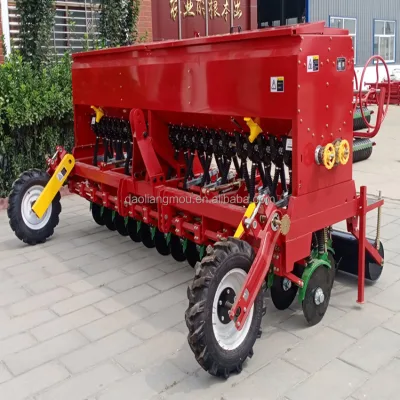
Sourcing a 4-row gasoline-powered seeder with an integrated seed feeder requires careful evaluation of mechanical compatibility and operational efficiency. Buyers must prioritize machines that align with their specific crop types, such as corn, wheat, beans, or peanuts, as listed in current market observations. The power source is a critical differentiator; while some units rely on tractor PTOs, others utilize independent gasoline engines, offering greater mobility for small to medium-sized farms. Understanding this distinction ensures the selected equipment matches the farm’s existing infrastructure and fuel logistics.
The seed feeder mechanism directly impacts planting accuracy and uniformity, making it a focal point for quality assessment. Observations indicate that models vary significantly in row configuration, with options ranging from single-row manual units to multi-row semi-automatic systems. Buyers should verify that the seed metering system is robust enough to handle the specific seed sizes of their target crops without clogging or uneven distribution. This verification step is essential for maintaining consistent crop stands and maximizing yield potential across the planted area.
Product Scope and Observed Listing Signals
Current market listings reveal a wide spectrum of planting machinery, with prices ranging from approximately $1 to over $4,600 USD, reflecting diverse capabilities and build qualities. Minimum order quantities (MOQs) are notably flexible, often starting at just one unit, which facilitates trial purchases for smaller agricultural operations. This accessibility allows buyers to test performance before committing to larger fleet expansions. The observed data suggests that while high-end multi-row machines command higher prices, entry-level options provide viable solutions for basic sowing needs.
Origin data predominantly points to manufacturers in Shandong Province, China, a hub for agricultural machinery production. Listings frequently cite certifications such as CE and ISO9001, indicating adherence to international quality and safety management systems. However, buyers should treat these certifications as indicators of factory processes rather than guarantees of individual unit performance. The presence of customization options and various packing methods, from iron boxes to containers, suggests that suppliers are adaptable to specific logistical requirements and buyer preferences.
Technical Specifications to Verify
When evaluating a 4-row gasoline seeder, the row configuration and spacing are paramount for field efficiency. Buyers must confirm that the machine supports the exact row count required, with observed models offering configurations like 3, 5, 10, or 15 rows, though specific 4-row variants may require custom verification. The ditching depth and sowing depth settings are critical for seed placement; typical observed ranges include ditching depths of 60-80mm and sowing depths of 30-50mm. These parameters must be adjustable to accommodate different soil conditions and crop requirements.
The power transmission and fuel system details also demand scrutiny. While some units are tractor-mounted, gasoline-powered models offer independence but require regular maintenance of the engine. Buyers should verify the capacity of the seed box and fertilizer tank, as observed capacities vary significantly, with some units featuring tanks around 86 liters for fertilizer. Ensuring the seed feeder mechanism is compatible with the gasoline engine’s power output is essential to prevent jams and ensure consistent seed flow across all four rows during operation.
Compliance and Safety Documentation
Safety documentation is non-negotiable for agricultural machinery, particularly those with moving parts and internal combustion engines. Buyers must request comprehensive operation manuals that detail safe handling procedures, emergency shutdown protocols, and routine maintenance schedules. The presence of CE certification, as noted in some listings, implies compliance with European safety directives, but buyers should verify that the specific model shipped meets the regulatory standards of their destination country. This verification prevents legal liabilities and ensures operator safety.
Quality management systems, such as ISO9001, provide assurance regarding the manufacturing process but do not replace the need for individual unit inspection. Buyers should inquire about the testing procedures conducted before shipment, including functional tests of the seed metering and fertilizer distribution systems. Requesting video evidence of the machine in operation can provide valuable insights into its performance and reliability. This due diligence helps mitigate the risk of receiving equipment that fails to meet operational expectations upon arrival.
Cost Drivers and Commercial Terms
The final cost of a 4-row gasoline seeder is influenced by several factors, including the complexity of the seed feeder, the quality of the gasoline engine, and the materials used in construction. Higher-priced units often feature more durable components and advanced metering systems that reduce seed waste. Buyers should analyze the total cost of ownership, including fuel consumption, spare parts availability, and expected maintenance intervals. A lower initial price may result in higher long-term costs if the machine requires frequent repairs or inefficient fuel usage.
Commercial terms such as delivery time and payment conditions also play a significant role in procurement planning. Observed delivery times range from 1-4 days for some items to 15 days for others, depending on stock availability and customization requirements. Buyers should negotiate clear terms regarding shipping responsibilities, insurance, and warranty coverage. Understanding these terms helps in budgeting accurately and avoiding unexpected expenses related to logistics or post-purchase support.
Supplier Qualification and Quality Control
Supplier qualification involves verifying the manufacturer’s production capabilities and quality control processes. Buyers should assess whether the supplier has a dedicated factory or operates as a trading company, as this impacts product consistency and support. Requesting references from previous international clients can provide insights into the supplier’s reliability and after-sales service. Suppliers with a history of exporting to diverse markets are often more adept at handling international compliance and logistics challenges.
Quality control measures should be explicitly defined in the purchase agreement. Buyers may consider third-party inspections before shipment to verify that the machine meets the specified technical requirements. This is particularly important for custom orders or high-value equipment. Establishing a clear protocol for handling defects or performance issues post-delivery is also crucial. A proactive approach to quality assurance helps ensure that the investment yields the expected agricultural benefits without unexpected disruptions.
Long-Term Procurement Checks
Long-term success with agricultural machinery depends on the availability of spare parts and technical support. Buyers should confirm that the supplier offers a steady supply of critical components, such as seed meters, belts, and engine parts. This ensures minimal downtime during the planting season. Additionally, access to technical documentation and troubleshooting guides is essential for maintaining the machine over its lifespan. Suppliers that provide comprehensive support packages can significantly enhance the operational efficiency of the seeder.
Regular performance reviews and feedback loops with the supplier can help identify areas for improvement or future upgrades. Buyers should monitor the machine’s performance over multiple seasons to assess its durability and reliability. This data can inform future purchasing decisions and help negotiate better terms with the supplier. Building a strong relationship with a reliable supplier ensures access to the latest innovations and best practices in agricultural seeding technology, supporting long-term farm productivity.
FAQs
What power sources are available for 4 row gasoline seeders?
Available power sources include tractor, manual labour, and gasoline options. Specific models like the DB-SO3-5 utilize gasoline power, while others rely on tractor power. Buyers should verify the exact power source required for their specific field conditions before purchasing.
Which certifications do these agricultural machines typically hold?
Many units carry CE and ISO9001 certifications indicating compliance with safety and quality standards. These certifications are often listed alongside a condition of new. Buyers should confirm specific certification documents for each supplier to ensure regulatory compliance in their region.
Can I customize the row configuration for my planting needs?
Customization is available for various row configurations including 2, 3, 4, 5, 6, and 8 rows. Some models support 10 or 15 rows depending on the specific machine type. Buyers must specify their required row count during the ordering process to ensure the correct configuration.
What is the typical delivery time for these seeder machines?
Delivery times vary significantly, ranging from 1 to 4 days for some models up to 15 days for others. The specific lead time depends on the manufacturer and current order volume. Buyers should confirm the exact delivery schedule with the supplier before finalizing the purchase agreement.
Where are these agricultural machines manufactured and shipped from?
Most units originate from Shandong Province, China, with some listings specifying Shan Dong as the origin. This region is a known hub for agricultural machinery production. Buyers should verify the exact shipping location to calculate accurate freight costs and import duties for their destination.
What is the minimum order quantity for purchasing these seeders?
Minimum order quantities range from 1 unit to 100 units depending on the specific supplier and model. Some vendors require a minimum of 50 units while others allow single unit purchases. Buyers must check the specific MOQ requirements listed for each product listing to plan their procurement budget.
How is the fertilizer tank capacity defined for these machines?
Specific models feature a fertilizer tank capacity of 86 liters to support continuous operation. The seed box capacity is noted as 8.5 by 4 liters for certain configurations. Buyers should verify the tank dimensions to ensure they match the scale of their intended agricultural operation.