Source 4 Players Indoor Golf Simulator for Amusement Parks, Shopping Malls, Game Centers
Compare 30 listings for the 4 Players Indoor Golf Simulator designed for amusement parks, shopping malls, and game centers. Buyers can evaluate specifications, pricing, and customization options from verified suppliers in Guangdong, China.
Key considerations
Products List


Factory Price Indoor Golf Simulator Business Sports Zone Golf Simulator
$8999.00 - $10000.00
MOQ: 2 sets
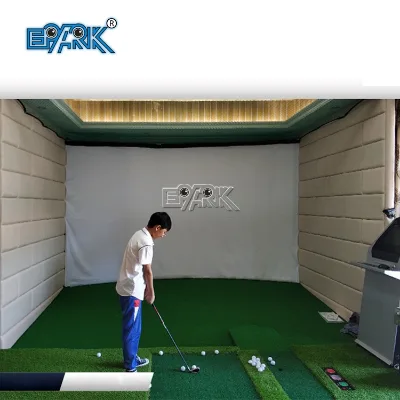
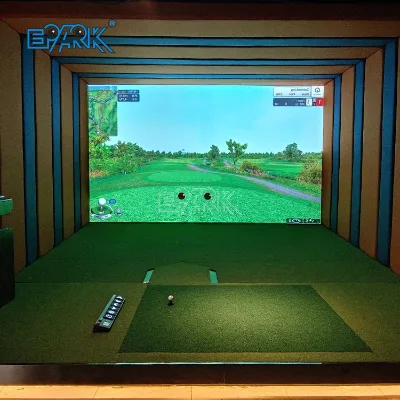
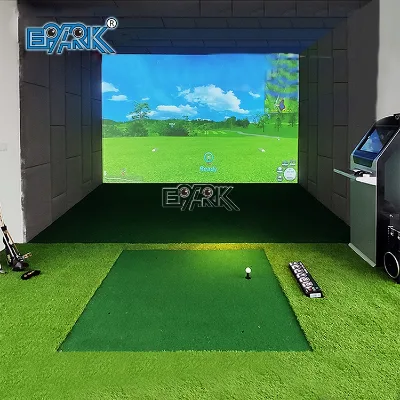


Factory Golf Simulator Indoor Equipment Golf training Sports Simulator
$9000.00 - $9800.00
MOQ: 1 Pieces


Virtual Golf Simulator Screen Projection Golf Simulator Indoor Golf Game Machine
$10000.00 - $12000.00
MOQ: 1 Sets


Popular Indoor Golf Simulator Manufacturer Projection Interaction Screen
$10000.00 - $12000.00
MOQ: 1 Sets

3D Indoor Screen Golf Simulator System Indoor Golf Training Aids Professional Screen
$10000.00 - $12000.00
MOQ: 1 Sets

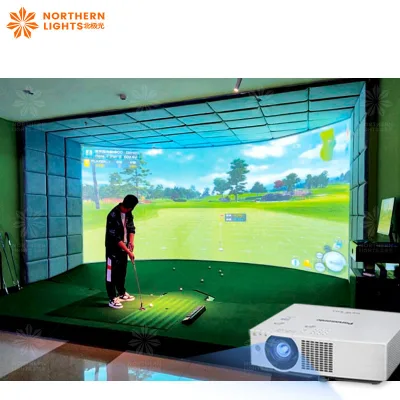
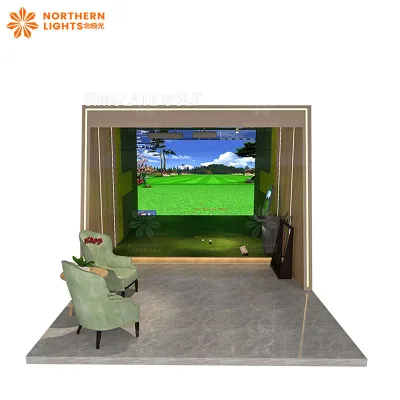

High Performance Golf Simulator Enclosure for Serious Indoor Golf Enthusiasts
$12000.00 - $13000.00
MOQ: 1 Sets

Durable Indoor Golf Simulator Enclosure for High Performance Simulation
$12000.00 - $13000.00
MOQ: 1 Sets

Customized Color Indoor Golf Simulator Enclosure for Professional Use
$12000.00 - $13000.00
MOQ: 1 Sets

Professional Golf Simulator Enclosure for Unmatched Indoor Entertainment Quality
$12000.00 - $13000.00
MOQ: 1 Sets

Advanced Indoor Golf Simulator Enclosure for Exceptional Luxury Entertainment
$12000.00 - $13000.00
MOQ: 1 Sets

Professional Supply Indoor Entertainment High Quality Golf Simulator Enclosure
$12000.00 - $13000.00
MOQ: 1 Sets
Comprehensive Sourcing Guide
4 Players Indoor Golf Simulator Sourcing Guide
Sourcing a multi-player indoor golf simulator requires a careful balance between technical precision, spatial planning, and commercial viability. The market for these systems is diverse, ranging from compact home units to large-scale commercial installations designed for high-traffic venues like amusement parks, shopping malls, and dedicated VR theme parks. Buyers must navigate a landscape where product attributes vary significantly, including size, customization options, and underlying technology. This guide provides a structured approach to evaluating suppliers and products, ensuring that the selected simulator meets both operational requirements and safety standards.
The procurement process begins with a clear definition of the intended use case. Whether the goal is to provide a leisure activity in a playhouse, a professional training tool for golf enthusiasts, or an entertainment attraction for game centers, the specifications must align with the application. Key factors such as voltage requirements, warranty periods, and after-sales service availability play a critical role in the long-term success of the installation. By focusing on verified facts and observable listing signals, buyers can make informed decisions that mitigate risk and ensure a smooth integration into their facility.
Product Scope and Observed Listing Signals
The current market for indoor golf simulators presents a wide range of options, with observed listing prices ranging from $2,800 to $34,000 USD. This significant variance reflects differences in technology, build quality, and included features. Buyers should note that while some listings may suggest lower entry points, the final cost often depends on customization, shipping, and installation requirements. The minimum order quantity (MOQ) for these products typically ranges from 1 to 2 sets, indicating that suppliers are generally flexible for initial purchases or pilot installations. This flexibility allows buyers to test the product in a real-world environment before committing to larger orders.
Product attributes observed in the market include various sizes, with some units measuring approximately 6x3x2.6 meters, while others offer custom dimensions to fit specific spatial constraints. The material composition is another critical factor; while some products are described as inflatable, others are rigid structures designed for permanent or semi-permanent installation. The color options often include green to mimic traditional golf courses, and the style is typically categorized as golf leisure. Buyers should carefully review the product model numbers, such as "golf simulator P6" or "EP-golf simulator," to identify specific features and capabilities. It is also important to verify the player capacity, as some units are designed for single-player use, while others support multiple players simultaneously.
Technical Specifications to Verify
When evaluating technical specifications, buyers must prioritize the physical dimensions and weight of the simulator. Standard sizes observed include 250x300x420 cm and 6x3x2.6 meters, with weights around 600 kg for larger units. These dimensions directly impact the space required for installation, including clearance for the swing area and spectator viewing. Buyers should confirm the exact footprint and height requirements with the supplier to ensure the product fits within the designated area. Additionally, the voltage requirement is typically 220V, which must be compatible with the local power infrastructure. Failure to verify this can lead to significant installation delays or the need for additional electrical modifications.
The productive technology used in manufacturing, such as injection molding, influences the durability and finish of the simulator. Buyers should inquire about the materials used in construction, as some listings mention inflatable materials while others imply rigid structures. The packaging details are also crucial for safe transportation, with common methods including air bubble film, stretch films, and strong wood frames. Buyers should verify the single volume and gross weight to calculate shipping costs accurately. Furthermore, the supply ability of suppliers, often cited as 200 sets per month, indicates their production capacity and potential lead times. Understanding these technical details helps buyers avoid surprises during the delivery and installation phases.
Compliance and Safety Documentation
Compliance with international standards is essential for indoor golf simulators, particularly those intended for commercial use. Buyers should verify that the product holds relevant certifications, such as CE and GS, which indicate adherence to European safety and quality standards. Some listings also mention ISO certification, which suggests a commitment to quality management systems. Additionally, RoHS certification may be present, indicating that the product is free from certain hazardous substances. Buyers should request copies of these certificates to ensure they are valid and applicable to the specific model being purchased. This documentation is crucial for insurance purposes and for meeting regulatory requirements in the destination country.
Safety features and user guidelines are another critical aspect of compliance. Buyers should ensure that the simulator is designed for the intended age group, with some products specified for users over 12 years old. The allowable passenger count should be clearly defined, with some units supporting less than a specific number of users to ensure safety and optimal performance. Buyers should also verify the warranty period, which is typically 12 months, and understand the terms and conditions for coverage. After-sales service, including 24-hour support, is a valuable feature that can help resolve technical issues quickly. By prioritizing compliance and safety, buyers can protect their investment and ensure a safe experience for users.
Cost Drivers and Commercial Terms
The cost of an indoor golf simulator is influenced by several factors, including customization, size, and included features. Buyers should be aware that custom sizes and specific color options may incur additional charges. The payment terms are typically structured with a 30% deposit via T/T, with the balance due before shipment. This structure is common in international trade and helps mitigate risk for both buyers and suppliers. Buyers should also consider the port of dispatch, which is often Guangzhou or Shenzhen, and factor in shipping costs and import duties when calculating the total landed cost.
Lead times are another important commercial consideration, with delivery times typically ranging from 7 to 10 days for production. However, this does not include shipping time, which can vary significantly depending on the destination. Buyers should clarify the exact lead time with the supplier, including any potential delays due to customization or high demand. The supply ability of 200 sets per month suggests that suppliers have the capacity to handle larger orders, but buyers should confirm availability for their specific timeline. By understanding these commercial terms, buyers can plan their procurement process more effectively and avoid unexpected costs or delays.
Supplier Qualification and Quality Control
Supplier qualification is a critical step in the sourcing process, especially for complex products like indoor golf simulators. Buyers should verify the supplier's location, with many manufacturers based in Guangdong, China, a hub for electronics and amusement equipment. The brand name, such as EPARK, can provide insights into the supplier's reputation and market presence. Buyers should also check the supplier's service offerings, including OEM/ODM capabilities, which indicate their ability to customize products to specific requirements. This flexibility can be valuable for buyers looking for unique features or branding options.
Quality control measures should be clearly defined and communicated by the supplier. Buyers should inquire about the testing procedures used to ensure the simulator meets performance and safety standards. The feature of "Effective Golf Training Tools" suggests that the product is designed for serious use, but buyers should verify the accuracy and reliability of the simulation technology. Additionally, the advantage of "Ultimate Challenge" may indicate advanced gameplay features, but buyers should request demonstrations or video evidence to confirm these claims. By conducting thorough due diligence, buyers can select a supplier that delivers high-quality products and reliable support.
Long-Term Procurement Checks
Long-term procurement success depends on ongoing supplier performance and product reliability. Buyers should establish clear communication channels with the supplier to address any issues that arise after installation. The availability of 24-hour after-sales service is a key indicator of the supplier's commitment to customer satisfaction. Buyers should also monitor the product's performance over time, noting any maintenance needs or software updates required to keep the simulator running smoothly. Regular check-ins with the supplier can help identify potential problems early and ensure that the product continues to meet operational standards.
As the buyer's needs evolve, they may require additional units or upgrades to existing simulators. Buyers should maintain a relationship with their supplier to facilitate future purchases and ensure consistency in product quality. The customization options available, such as custom sizes and colors, allow for flexibility in expanding the fleet or adapting to new venue requirements. By focusing on long-term partnerships and continuous evaluation, buyers can maximize the value of their investment and ensure a successful operation of their indoor golf simulator.
FAQs
Can I customize the size of the indoor golf simulator?
Yes, the product supports custom sizes to meet specific demand. The standard dimensions are 6x3x2.6 meters, but you can request custom specifications for your venue. This flexibility allows for tailored installation in various indoor spaces.
What certifications does the golf simulator hold?
The equipment holds CE, GS, ISO, and RoHS certifications. These standards ensure safety and quality compliance for international markets. Buyers can verify these documents to confirm the product meets required regulatory frameworks before purchase.
How long is the delivery time for this simulator?
The standard delivery time is 7 to 10 days after order confirmation. This lead time applies to the manufacturing and preparation process. Buyers should account for shipping duration separately when planning their installation schedule.
What is the minimum order quantity for this product?
The minimum order quantity is one set. This low MOQ allows buyers to test the market or equip a single location without large initial commitments. It is suitable for small game centers or individual amusement parks.
Where is the product manufactured and shipped from?
The product originates from Guangdong, China, and ships from Guangzhou or Shenzhen ports. This location provides access to established logistics networks for international export. Buyers can expect efficient shipping routes from these major Chinese ports.
What warranty is provided for the indoor golf simulator?
A 12-month warranty is included with the purchase. This coverage protects against manufacturing defects during the first year of operation. Buyers also receive 24-hour after-sales service support for technical assistance and troubleshooting.