Source 4-Way Stretch Alpaca Microfiber Fabric for Apparel, Home Textile, and Lining
Find 30 listings for 4-Way Stretch Alpaca Microfiber Fabric suitable for garment, home textile, and dress applications. Compare specifications including weight, density, and packing options from suppliers in China to identify the best fit for your sourcing needs; compare the available evidence and request quotations based on your requirements.
Key considerations
Products List


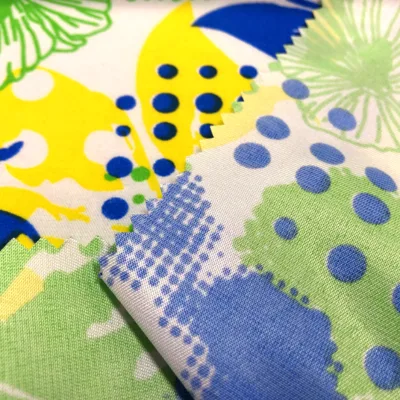


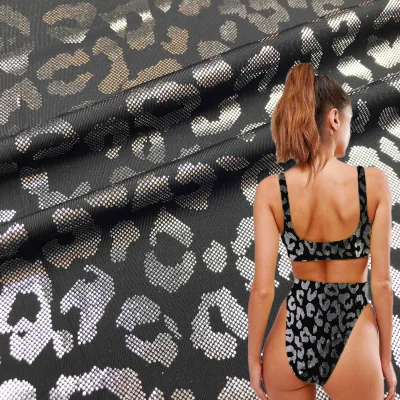

Comprehensive Sourcing Guide
4-Way Stretch Alpaca Microfiber Fabric Sourcing Guide
Sourcing specialized textiles like 4-way stretch alpaca microfiber fabric requires a nuanced understanding of material composition and performance characteristics. While the core keyword suggests a blend involving alpaca fiber and microfiber technology, the available market data indicates a strong prevalence of 100% polyester and polyester-spandex blends in this category. Buyers must carefully distinguish between natural fiber claims and synthetic performance fabrics, as many listings labeled with similar terminology actually feature high-performance synthetic weaves designed to mimic softness or provide specific functional benefits.
The procurement process for these materials involves verifying the exact fiber content, as "alpaca" may be used descriptively rather than literally in some commercial contexts. It is essential to confirm whether the fabric contains actual animal fiber or if it is a synthetic microfiber engineered for stretch and durability. This distinction impacts not only the cost structure but also the care instructions, end-use applications, and sustainability certifications required by your supply chain.
Product Scope and Observed Listing Signals
The observed product landscape reveals a diverse range of textile options, with models such as YY-M51 and MF-034 representing common variants in the market. These products often feature specifications like 75D yarn count and widths of 57/58 inches, indicating a focus on standard garment and home textile applications. The presence of thousands of colors in stock suggests a high degree of customization availability, allowing buyers to select specific shades for branding or design purposes without long lead times.
Functional attributes are a key differentiator in this segment, with many fabrics offering tear-resistant, flame-retardant, and heat-insulation properties. Some listings highlight features such as waterproofing, anti-static capabilities, and blackout functionality, catering to specialized uses in workwear, automotive interiors, or home decoration. The availability of plain, printed, and plain dyed styles further expands the scope, enabling buyers to match aesthetic requirements while maintaining the desired mechanical performance of the material.
Technical Specifications to Verify
When evaluating technical specifications, buyers should prioritize the verification of knitting or weaving techniques, as these determine the fabric's drape and elasticity. Options include weft knitting, tricot, and woven structures, each offering distinct advantages in terms of stretch recovery and dimensional stability. For instance, 4-way stretch capabilities are often associated with tricot or specific woven constructions that incorporate spandex or elastane fibers, ensuring the fabric moves comfortably with the wearer.
Weight and density are critical parameters that influence the fabric's suitability for different end products. Observed weights range from 100 GSM to 200 GSM, with densities such as 133×72 providing insight into the tightness of the weave. Buyers must also confirm the packing methods, which can vary from roll packing with plastic bags to loose packing, as this affects storage efficiency and potential damage during transit. Verifying these details ensures the selected fabric meets both functional and logistical requirements.
Compliance and Safety Documentation
Compliance with safety and quality standards is non-negotiable for textiles entering global markets. Buyers should request documentation for recognized standards such as SGS, which verifies material integrity and performance claims. Additionally, certifications like OEKO-TEX and BSCI may be relevant depending on the end-use and regional regulations, ensuring the fabric is free from harmful substances and produced under ethical labor conditions. These certifications provide assurance of quality and social responsibility, which are increasingly important to consumers and retailers.
It is crucial to verify the specific test results associated with these certifications, particularly for functional claims like flame retardancy or waterproofing. Buyers should ask for detailed test reports that outline the methods used and the results achieved, rather than relying solely on the presence of a certification logo. This due diligence helps mitigate risks related to product liability and ensures that the fabric performs as advertised in real-world applications, protecting brand reputation and customer satisfaction.
Cost Drivers and Commercial Terms
Cost structures for these fabrics are influenced by several factors, including material composition, complexity of finishing, and order volume. The observed price range of $0.32 to $7 per unit reflects significant variation based on these variables. Buyers should analyze the cost per meter or kilogram to understand the true value, considering that higher-priced items may offer superior durability, specialized finishes, or exclusive color options. Understanding these drivers helps in budgeting and negotiating effectively with suppliers.
Commercial terms such as Minimum Order Quantity (MOQ) and lead times also play a significant role in procurement planning. MOQs can range from 100 meters to 5000 meters per color, impacting inventory management and cash flow. Lead times are typically around 15 days, but this can vary based on customization requirements and production capacity. Buyers should clarify these terms early in the negotiation process to avoid delays and ensure alignment with their production schedules and market launch timelines.
Supplier Qualification and Quality Control
Qualifying suppliers involves assessing their manufacturing capabilities, quality control processes, and responsiveness to customization requests. Buyers should verify the supplier's origin, with many manufacturers located in regions like Keqiao, China, known for textile production. It is important to evaluate their ability to handle make-to-order requests and provide free samples or color cards for evaluation. This step ensures that the supplier can meet specific design and quality expectations before committing to large orders.
Quality control measures should be clearly defined, including inspection protocols for defects, color consistency, and dimensional stability. Buyers should inquire about the supplier's process for handling non-conforming goods and their willingness to provide detailed production updates. Establishing a robust quality assurance framework helps minimize the risk of receiving substandard materials and ensures that the final product meets the required specifications. Regular communication and clear expectations are key to maintaining a successful supplier relationship.
Long-Term Procurement Checks
Long-term procurement success depends on continuous monitoring of supplier performance and market trends. Buyers should regularly review supplier reliability, including adherence to delivery schedules and consistency in product quality. Establishing key performance indicators (KPIs) for delivery times, defect rates, and communication responsiveness helps in objectively evaluating supplier contributions. This data-driven approach enables informed decisions about continuing or diversifying the supplier base.
Additionally, staying informed about advancements in textile technology and sustainability practices is essential for maintaining a competitive edge. Buyers should explore opportunities for innovation, such as eco-friendly materials or new functional finishes, to enhance product offerings. Regularly updating specifications and requirements based on market feedback and regulatory changes ensures that the procurement strategy remains aligned with business goals and customer expectations. This proactive approach fosters resilience and adaptability in a dynamic supply chain environment.
FAQs
What is the minimum order quantity for this fabric?
The minimum order quantity is 100 meters per color for some items, while others require 1000 meters per color. Buyers should verify the specific model requirements before placing an order to ensure compliance with supplier policies.
Can I get free samples of this fabric?
Free samples are available for many products, including free color cards for specific styles. Buyers can request these samples to verify quality and color options before committing to a larger bulk purchase order.
What are the main features of this fabric?
This fabric offers tear resistance, flame retardancy, and heat insulation properties. It also features memory, waterproofing, and anti-static capabilities, making it suitable for various garment and home textile applications.
How long does delivery take for this fabric?
The standard delivery time is 15 days from the order confirmation date. This lead time applies to standard production runs, though custom orders may require additional processing time depending on the specific customization requested.
What materials are used to make this fabric?
The fabric is primarily made from 100% polyester or a polyester and spandex blend. These materials provide durability and stretch, ensuring the fabric meets the requirements for various garment and home textile applications.
Is customization available for this fabric?
Yes, customization is available for this fabric to meet specific buyer requirements. Buyers can request custom colors, packing, or specifications, allowing for tailored solutions for their unique product needs and design preferences.
Where is this fabric manufactured?
This fabric is manufactured in China, specifically in the Keqiao region of Zhejiang province. This location is known for its extensive textile industry and provides access to a wide range of fabric production capabilities.