Source 48 Strand Braid Mountaineering Buckle for Hiking Camping Climbing
Explore 30 listings for the 48 Strand Braid Mountaineering Buckle designed for outdoor enthusiasts. Buyers can compare specifications, materials, and prices to find the right gear for hiking, camping, and climbing adventures.
Key considerations
Products List
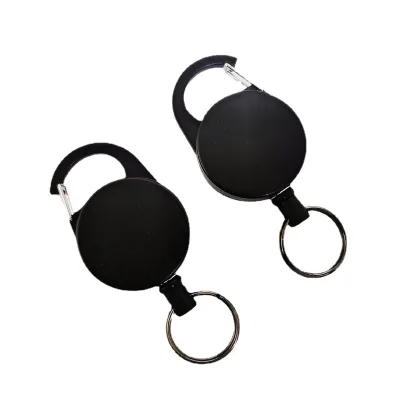
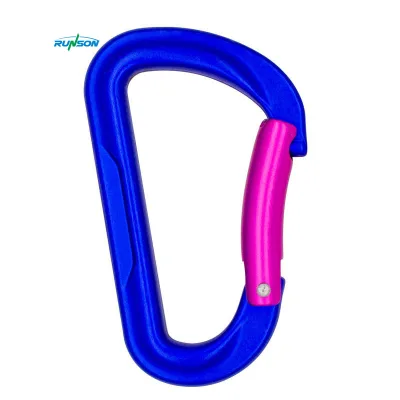
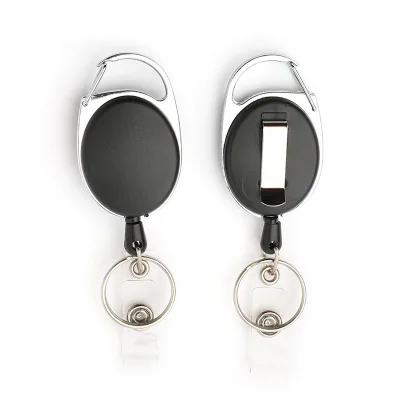
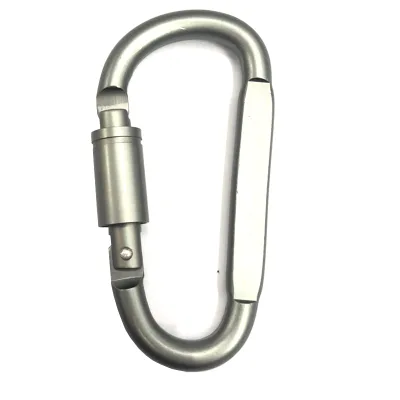
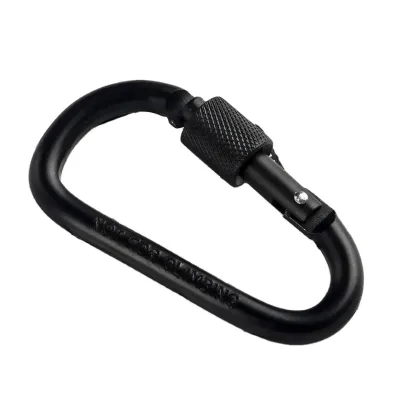
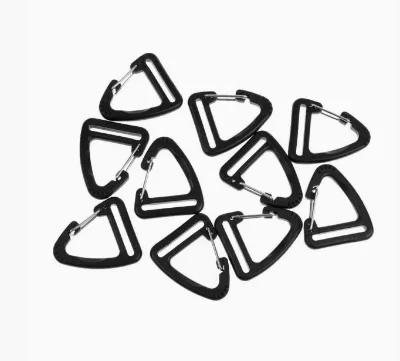
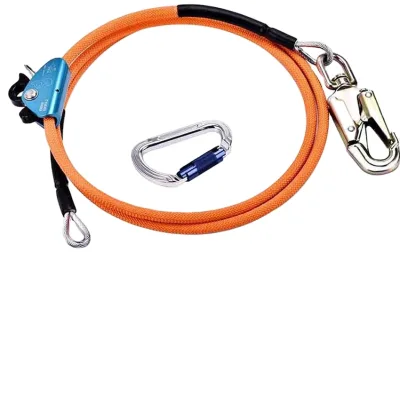
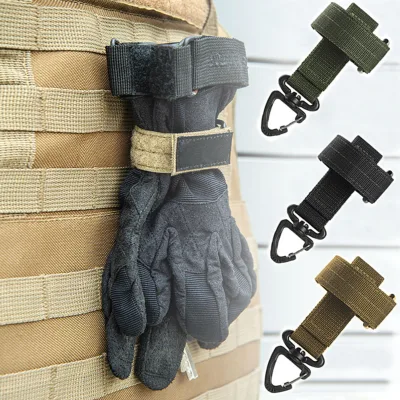
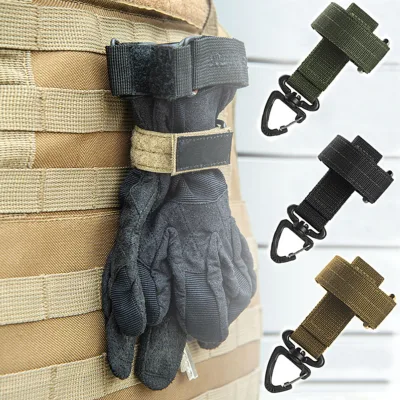
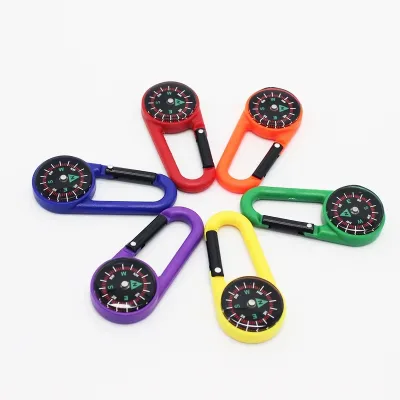


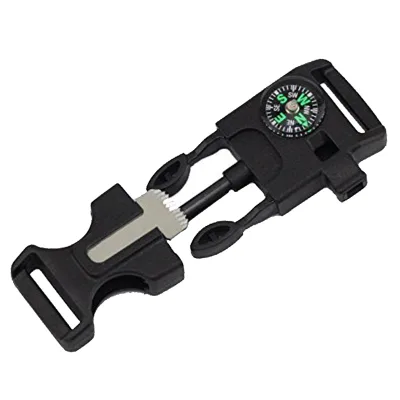


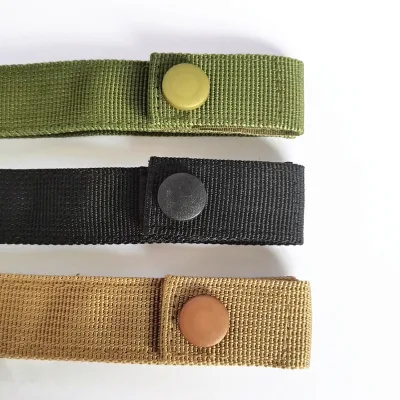


Comprehensive Sourcing Guide
Strategic Sourcing Guide for 48 Strand Braid Mountaineering Buckles
The procurement of specialized hardware for mountaineering and outdoor applications requires a rigorous approach that balances technical precision with supply chain reliability. When sourcing a "48 Strand Braid Mountaineering Buckle," buyers must navigate a market where terminology can vary significantly between suppliers. The core keyword suggests a specific construction method involving a braided element, likely integrated with a metal buckle mechanism to provide secure attachment points for climbing gear, ropes, or equipment. This guide provides a structured framework for evaluating potential suppliers, understanding the technical nuances of the product, and ensuring that the final procurement meets the stringent safety and performance standards required for high-altitude and outdoor activities.
Technical Specifications and Material Composition
The foundation of any reliable mountaineering buckle lies in its material composition and dimensional accuracy. Based on observed market data for similar hardware, the primary materials typically include aluminum alloys, stainless steel, or combinations such as ABS plastic reinforced with steel or zinc. For a 48 strand braid configuration, the integrity of the braid is critical; it must be tightly woven to prevent fraying under dynamic loads while maintaining flexibility. The metal components, often the buckle body or the locking mechanism, are frequently manufactured from aluminum alloy to ensure a high strength-to-weight ratio, which is essential for climbers where every gram counts.
Dimensional specifications vary widely depending on the intended application. Observed product data indicates sizes ranging from compact units measuring approximately 4.1 cm by 1.25 cm to larger configurations reaching 75 mm by 45 mm. For a 48 strand braid buckle, the buyer must verify the specific dimensions of the braid loop and the buckle gate opening. The weight of individual units in this category often falls between 20g and 23g, though larger models may exceed this. It is imperative to request detailed technical drawings that specify the gauge of the braid strands and the tensile strength of the metal alloy. The "48 strand" designation implies a specific weave density; buyers should confirm that the supplier can consistently produce this strand count without compromising the structural integrity of the connection points.
Compliance, Certification, and Safety Standards
Safety is the paramount concern when sourcing equipment for mountaineering. While specific certification data for the exact "48 strand braid" configuration may not be universally standardized across all listings, buyers must demand evidence of compliance with recognized international standards. In the context of climbing and mountaineering hardware, standards such as EN 359 (personal fall protection equipment), EN 564 (carabiners), and EN 795 (anchor devices) are frequently referenced as benchmarks for quality and safety. However, these standards are not automatically applied to every product listed; they must be explicitly verified.
Buyers should not assume that a product labeled as "mountaineering" automatically meets these rigorous standards. Instead, the procurement process must include a direct request for valid certification documents from the manufacturer. The supplier must provide test reports from accredited laboratories confirming that the buckle and its braid assembly can withstand the required static and dynamic loads. If a supplier cannot provide specific test data for the 48 strand braid configuration, the buyer should consider this a significant risk factor. Additionally, the "Waterproof Standard" is a relevant attribute for outdoor gear, ensuring that the braid does not absorb water or degrade in wet conditions, which could lead to failure during critical moments.
Cost Drivers and Pricing Structures
The pricing of mountaineering buckles is influenced by several factors, including material costs, manufacturing complexity, and order volume. The observed price range for similar hardware in the market spans from approximately $0.23 to $53.11 USD. This wide variance indicates that price is not a reliable indicator of quality on its own; the lower end of the spectrum may represent basic, non-certified components, while the higher end likely reflects premium materials, rigorous testing, and specialized branding.
The primary cost driver for a 48 strand braid buckle is the precision required in the braiding process and the quality of the metal alloy. Aluminum alloys and high-grade steels are more expensive than standard plastics or lower-grade metals. Furthermore, the Minimum Order Quantity (MOQ) significantly impacts the unit cost. Market data suggests MOQs can range from as low as 10 units for samples to 5,000 units for bulk production, with a common threshold around 1,000 pieces. Buyers must calculate the total cost of ownership, including the MOQ commitment, rather than focusing solely on the per-unit price. Customization costs, such as adding a specific logo or color, will also add to the final price. It is essential to negotiate based on the total volume and the complexity of the customization rather than just the base unit price.
Typical Applications and Usage Scenarios
Understanding the intended application of the 48 Strand Braid Mountaineering Buckle is crucial for selecting the right product. These components are designed for a variety of outdoor activities, including camping, hiking, climbing, and mountaineering. The braid provides a flexible yet strong connection point, making it suitable for attaching gear to backpacks, securing ropes, or creating anchor points. The "Universal" applicability mentioned in product attributes suggests that these buckles are designed to fit a wide range of users and equipment types, from general backpackers to professional climbers.
The functional use cases extend beyond simple attachment. In mountaineering, the buckle may be used in systems requiring quick release or adjustable tension. The braid's ability to distribute load across multiple strands makes it ideal for scenarios where dynamic movement is expected. Buyers should ensure that the specific buckle they source matches the intended load requirements of their application. For instance, a buckle used for light camping gear may not have the same safety margins as one intended for technical climbing. The product's suitability for "Outdoor Climbing Hiking Travelling" and "Camping" confirms its versatility, but the specific strain rating must be verified against the buyer's specific use case.
Supplier Evaluation and Quality Control
Selecting the right supplier is as important as selecting the right product. Buyers should prioritize suppliers who demonstrate transparency in their manufacturing processes and provide clear documentation. Key evaluation criteria include the supplier's location, with a high concentration of such hardware originating from Zhejiang, China, known for its manufacturing capabilities. The sample time, typically ranging from 5 to 7 working days, is a useful metric for assessing the supplier's responsiveness and production capacity.
Quality control measures must be rigorous. Buyers should request a sample of the 48 strand braid buckle before committing to a bulk order. This sample should be inspected for consistent strand count, uniform braiding, and the absence of sharp edges or defects in the metal components. The supplier's ability to accept customized logos and colors indicates a level of flexibility, but it should not come at the expense of quality. The packaging method, often simple Opp bags, should be evaluated to ensure it protects the product during transit without compromising the integrity of the braid. Additionally, the supplier's track record in handling "Target End User" segments, such as backpackers or professional climbers, can provide insight into their understanding of market needs.
Long-Term Procurement Considerations
Sourcing mountaineering hardware is a long-term commitment that requires careful planning for scalability and consistency. Buyers must consider the lead times for production, which can vary based on order volume and customization requirements. While sample times are short, bulk production lead times may extend significantly. It is advisable to establish a relationship with a supplier who can guarantee consistent quality over multiple production runs. The "Single package size" and "Single gross weight" data points are essential for logistics planning, helping buyers calculate shipping costs and storage requirements accurately.
Furthermore, the potential for product evolution should be considered. As technology advances, new materials or braiding techniques may emerge that offer improved performance. A forward-thinking supplier will be able to adapt their manufacturing processes to incorporate these innovations. Buyers should also consider the environmental impact of the materials used, particularly if the end market is increasingly focused on sustainability. The "Applicable People: Universal" attribute suggests a broad market appeal, but buyers should ensure that the product remains relevant as consumer preferences shift. Finally, maintaining a clear communication channel with the supplier for ongoing quality assurance and technical support is vital for the long-term success of the procurement strategy.
Comparative Analysis of Product Attributes
To facilitate a clearer decision-making process, the following table summarizes key attributes observed in the market for similar mountaineering buckles. This comparison highlights the variability in specifications and helps buyers identify the critical factors that align with their specific needs.
| Attribute | Observation A | Observation B | Observation C |
|---|---|---|---|
| Material | ABS + Steel | Aluminum Alloy | ABS + Zinc |
| Weight | 23g | 21g | 20g |
| Size | 4.1*1.25cm | 75mm*45mm | 65*35mm |
| Color | Black | Purple | Customized |
| Brand | RUNSON | JAXY | Generic |
| MOQ | 1000pcs | 10pcs | 5000pcs |
| Sample Time | 5-7 Days | 5-7 Working Days | Variable |
| Usage | Camping, Hiking | Mountaineering | Outdoor Climbing |
This table illustrates that while the core function remains consistent, the specific attributes vary significantly. Buyers must prioritize the attributes that are non-negotiable for their application, such as material strength and weight, over secondary features like color or brand name. The variability in MOQ and sample times also underscores the need for early engagement with suppliers to align expectations. By carefully analyzing these attributes against the specific requirements of the 48 Strand Braid Mountaineering Buckle, buyers can make informed decisions that ensure safety, performance, and cost-effectiveness.
FAQs
What materials are used for 48 strand braid mountaineering buckles?
These buckles typically use aluminum alloy, ABS plus steel, or ABS plus zinc. The specific material depends on the model, with aluminum alloy offering a high strength-to-weight ratio for climbing applications.
How much does a 48 Strand Braid Mountaineering Buckle weigh?
Individual units generally weigh between 20g and 23g. This lightweight design is essential for mountaineering and hiking where minimizing gear weight is a critical factor for performance.
Can I get a customized logo on the mountaineering buckle?
Yes, suppliers accept customized logos on these products. This allows buyers to brand the hardware for their specific outdoor equipment lines or corporate merchandise needs.
What is the sample time for ordering these buckles?
The sample time is typically 5 to 7 working days. This short turnaround allows buyers to verify product quality and specifications before committing to a larger bulk order.
Which locations manufacture these mountaineering buckles?
High-confidence facts indicate production originates from Zhejiang, China. This region is known for its manufacturing capabilities in producing outdoor hardware and keychain accessories.
What is the minimum order quantity for these buckles?
MOQs range from 10 units for samples up to 5000 units for bulk production. A common threshold for standard orders is around 1000 pieces, depending on the supplier.
Are these buckles waterproof for outdoor use?
Some models meet a waterproof standard suitable for outdoor conditions. This ensures the braid and metal components do not degrade or absorb water during hiking or climbing activities.