Source 4G LTE Dash Cam with Mobile App for fleet, rideshare, and delivery
Find 30 models of 4G LTE Dash Cam with Mobile App featuring dual lenses, GPS tracking, and parking mode. Buyers can compare resolutions, connectivity options, and sensor types to select the right device for fleet management, rideshare, or delivery operations.
Key considerations
Products List


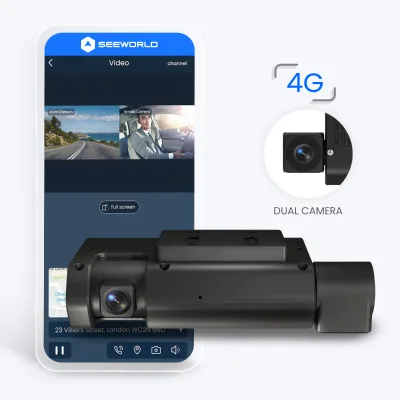
4G Dashcam Front and Rear Camera Real Time GPS Tracking Device Tracker
$126.00 - $130.00
MOQ: 1 Pieces


Comprehensive Sourcing Guide
Strategic Sourcing Guide for 4G LTE Dash Cams with Mobile App Integration
The global shift toward connected vehicle ecosystems has elevated the demand for 4G LTE dash cams equipped with robust mobile application integration. These devices serve as critical data nodes, transforming passive video recording into active fleet management and personal security tools. For B2B procurement professionals, sourcing these units requires a nuanced understanding of connectivity protocols, data security, and the specific hardware capabilities that enable real-time telemetry. This guide outlines the essential criteria for evaluating suppliers and products, ensuring that the selected dash cams meet rigorous operational standards without relying on unverified market claims.
Technical Architecture and Connectivity Protocols
The defining characteristic of a 4G LTE dash cam is its ability to transmit data beyond the local storage of the device. Unlike traditional dash cams that rely solely on SD card storage, 4G-enabled units utilize cellular networks to stream live video, upload incident footage, and transmit vehicle telemetry to a cloud server or a dedicated mobile application. When evaluating technical specifications, buyers must verify the presence of built-in GSM and 4G LTE modules, as well as compatibility with 5G SIM cards for future-proofing. The supplied product data indicates that viable models support built-in Wi-Fi, 3G/4G SIM cards, and 5G SIM cards, often alongside SD card interfaces for local redundancy.
Connectivity is not merely about signal strength; it involves the protocol used to communicate with the mobile app. Successful integration requires the device to support specific app control features, including remote live viewing, remote playback, and GPS trajectory tracking. The mobile application acts as the user interface for these functions, allowing fleet managers or individual users to receive alerts for fatigue driving, over-speed warnings, and emergency accident locks. The hardware must also support data communication protocols that facilitate the transmission of driving data recording, such as speed, location, and acceleration metrics. Buyers should confirm that the device supports the necessary video compression standards, such as MPEG-4, to ensure efficient data transmission over cellular networks without excessive bandwidth consumption.
Optical Performance and Sensor Specifications
While connectivity is the differentiator, the core function of the device remains video recording. High-resolution imaging is essential for capturing license plates and identifying details in the event of an accident. The market offers a range of resolutions, from 1080P to 4K Ultra HD. Procurement decisions should align with the specific use case; for instance, 4K resolution is preferable for front-facing cameras where detail is paramount, while 1080P may suffice for rear-facing or dual-lens configurations where bandwidth conservation is a priority. The supplied data highlights models with dual-lens systems combining 4K front and 1080P rear cameras, utilizing F1.8 apertures to enhance light intake.
Sensor technology plays a critical role in low-light performance. Night vision capabilities are often marketed as a standard feature, but the underlying technology varies. Buyers should look for devices equipped with CMOS sensors and Wide Dynamic Range (WDR) technology to handle high-contrast environments, such as entering a tunnel or driving at night with oncoming headlights. The field of view is another critical optical parameter. While a 150-degree angle is common, some advanced models offer a 160-degree wide-angle lens to minimize blind spots. Additionally, the presence of an F1.8 large aperture is a specific indicator of enhanced night vision performance, allowing the sensor to capture clearer footage in low-light conditions. The physical placement of the camera, typically on the windshield, must be optimized to avoid obstructing the driver's view while maximizing the capture area.
Functional Capabilities and Safety Features
Modern dash cams are evolving into intelligent driving assistants. The supplied product attributes reveal a suite of advanced functions that go beyond simple recording. These include Accident Recording and Analyzing, which automatically locks video files during impact events to prevent overwriting. Fatigue Driving Warning and Over Speed Warning are critical for fleet safety, utilizing onboard sensors and GPS data to alert the driver. The integration of ADAS (Advanced Driver Assistance Systems) features, such as Lane Departure Warning System (LDWS) and Forward Collision Warning (FCW), adds a layer of proactive safety.
Furthermore, the "Park Mode" functionality is essential for vehicles that remain stationary. This feature allows the device to monitor the vehicle 24 hours a day, utilizing motion detection and collision detection to trigger recording even when the engine is off. The presence of a G-sensor is a standard requirement for this functionality, as it detects sudden changes in velocity or impact. Some models also feature built-in batteries or capacitors to ensure the device can complete a recording cycle during a power interruption. Voice interaction and remote control capabilities further enhance the user experience, allowing for hands-free operation and immediate response to alerts via the mobile application.
Compliance, Certification, and Regulatory Standards
For B2B procurement, compliance is non-negotiable. Devices intended for international markets must adhere to specific regional certifications. The supplied data confirms that reputable models carry CE, ROHS, UKCA, CCC, and EMC certifications. These certifications indicate that the product meets European safety and environmental standards, UK regulatory requirements, Chinese safety standards, and electromagnetic compatibility norms. Additionally, management certifications such as ISO are indicative of a supplier's commitment to quality management systems.
Buyers must verify that the certifications are current and applicable to the specific model being procured. The presence of these marks on the product packaging and documentation is a primary verification step. It is also crucial to ensure that the device complies with local traffic laws regarding the placement of dash cams on windshields and the recording of audio or video in public spaces. The use of 4G LTE modules must also comply with regional telecommunications regulations, ensuring that the device operates on approved frequency bands.
Cost Drivers and Procurement Economics
The cost of 4G LTE dash cams is influenced by several factors, including the resolution of the camera, the complexity of the connectivity module, and the inclusion of advanced safety features like ADAS. The observed price range for these products spans from $5 to $162.86, reflecting the diversity in feature sets and build quality. Lower-priced units may offer basic 1080P recording with limited connectivity, while premium models command higher prices for 4K resolution, dual-lens setups, and comprehensive cloud integration.
Minimum Order Quantities (MOQ) are another significant economic factor. The observed MOQ range varies from 1 to 1000 units, offering flexibility for both small-scale pilots and large fleet deployments. Buyers should negotiate based on volume, as higher quantities often unlock better pricing tiers and more favorable lead times. The acceptance of small orders is a positive indicator of supplier flexibility, allowing buyers to test the product before committing to a large-scale rollout. However, buyers must balance the cost of the hardware with the ongoing costs of data plans and cloud storage services required to fully utilize the 4G connectivity.
Supplier Evaluation and Quality Assurance
Selecting the right supplier requires a rigorous evaluation process that goes beyond the product specifications. Buyers should assess the supplier's ability to provide customization, as indicated by the "Available" status in the product data. Customization options may include branding, firmware modifications, or specific feature configurations tailored to the buyer's operational needs. The model numbers provided, such as iSV-D8 Plus and iSV-G4D, suggest a structured product line, but buyers should verify the consistency of quality across different batches.
Quality control measures should be a central part of the procurement agreement. This includes verifying the durability of the device, particularly its waterproof rating and shockproof capabilities, which are essential for withstanding the harsh conditions of a vehicle environment. The presence of a touch screen or the lack thereof should be confirmed against the specific operational requirements of the end-users. For instance, a fleet manager may prefer a device without a screen to reduce distractions, while an individual user might value the convenience of a 3.5-inch touch screen for local playback.
Long-Term Procurement and Scalability
The longevity of the procurement relationship depends on the supplier's ability to support the product over its lifecycle. This includes firmware updates to address security vulnerabilities, add new features, or improve connectivity stability. The mobile application must remain compatible with the latest operating systems on smartphones and tablets to ensure continued functionality. Buyers should also consider the scalability of the solution; as the fleet or user base grows, the cloud infrastructure and data management capabilities must scale accordingly.
The integration of data recording and analysis features provides valuable insights for long-term operational improvements. By analyzing driving data, fleet managers can identify risky behaviors and implement targeted training programs. The ability to store and retrieve video footage remotely ensures that evidence is preserved for insurance claims and legal proceedings. Ultimately, the decision to source 4G LTE dash cams should be driven by a clear understanding of the total cost of ownership, including hardware, connectivity, and maintenance, ensuring a sustainable and effective solution for the organization's safety and security needs.
FAQs
What connectivity options do these 4g lte dash cams support?
These devices support built-in Wi-Fi, 3G, 4G, and 5G SIM cards alongside SD card interfaces. This ensures reliable data transmission and local storage redundancy for fleet management applications.
Which certifications are standard for these dash cam models?
Reputable models carry CE, ROHS, UKCA, CCC, and EMC certifications. These marks confirm compliance with European, UK, and Chinese safety and electromagnetic compatibility standards for international procurement.
Can these units record video in dual lens configurations?
Yes, many models feature dual lens systems with 4K front and 1080P rear cameras. This setup captures comprehensive footage while optimizing bandwidth usage for cellular data transmission.
How do these dash cams handle parking mode functionality?
They offer 24-hour time-lapse parking monitoring with collision detection capabilities. A G-sensor triggers recording during impacts even when the engine is off to protect against theft.
What resolution options are available for these recording devices?
Available resolutions range from 1080P to 4K Ultra HD depending on the specific model. Higher resolutions provide better detail for license plate identification during accident analysis.
Are small order quantities accepted for these products?
Yes, suppliers accept small orders with minimum quantities starting from just one unit. This flexibility allows buyers to test products before committing to large fleet deployments.