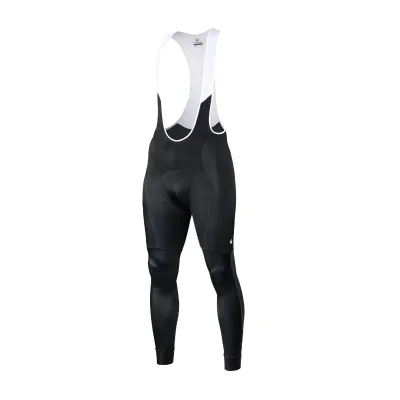
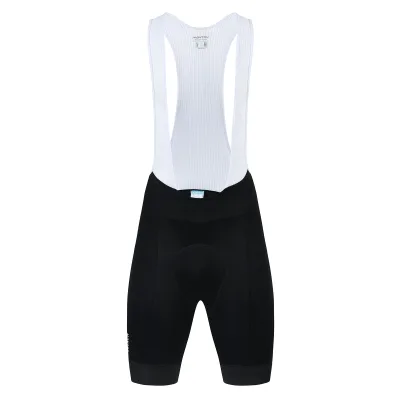
Source 4D Padding Breathable Cycling Pants for Road Cycling, Training, Racing
Find and compare 30 listings for 4D Padding Breathable Cycling Pants designed for road cycling, training, and racing. Buyers can evaluate specifications like material, size, and packing options from suppliers in Fujian, China.
Key considerations
Products List


Men MTB Mountain Bike Cycling Pants Mbx Pants for Outdoor Cycling Racing
$4.50 - $5.50
MOQ: 1000 Pieces


Wholesale Printed Breathable Stretchable Padded Reflective Zippered Pocket Cycling Pants
$7.16 - $8.01
MOQ: 150 pieces

Wholesale High-Compression Breathable Quick-Dry Comfortable Men Bike Wear Cycling Pants
$6.86 - $7.67
MOQ: 150 pieces


Hot Sale High-Performance Breathable Quick-Dry Men Women's Cycling Pants
$8.01 - $8.95
MOQ: 150 pieces

Hot Selling Men's Breathable Quick-Dry Stretchable Lightweight Cycling Pants
$6.68 - $7.46
MOQ: 150 pieces




Comprehensive Sourcing Guide
Strategic Sourcing Guide for 4D Padding Breathable Cycling Pants
The global demand for high-performance cycling apparel has driven a significant evolution in product design, with a specific focus on comfort, aerodynamics, and durability. For procurement professionals seeking "4D Padding Breathable Cycling Pants," the market offers a diverse array of options ranging from professional-grade racing gear to recreational training wear. This guide provides a structured approach to sourcing these products, grounded in observed market data and technical realities. Buyers must navigate a complex landscape where material composition, padding technology, and manufacturing standards vary significantly between suppliers. The following sections detail the critical factors that define successful procurement in this category.
Technical Specifications and Material Composition
Understanding the technical specifications of cycling pants is the first step in ensuring the product meets the intended use case. The core keyword implies a specific construction: pants featuring advanced padding (often referred to as 4D or multi-density chamois) designed for long-duration comfort, combined with breathable fabrics to manage heat and moisture. Based on observed product attributes, the material composition is a primary differentiator. Common materials identified in the market include Polyester, Spandex/Nylon blends, and Poly-cotton blends.
Polyester is frequently cited for its durability and moisture-wicking capabilities, making it suitable for high-intensity activities. Spandex and Nylon blends are often preferred for their elasticity and "Body Shape" retention, which is critical for a snug fit that reduces drag. The "Feel" of the fabric is another observable attribute, with "Smooth" textures being a standard expectation to prevent chafing during extended rides. When evaluating potential suppliers, buyers should verify the specific ratio of these materials. For instance, a higher Spandex content generally correlates with better stretch and recovery, while Nylon adds abrasion resistance.
The padding itself is a critical component. While the term "4D" suggests a multi-dimensional structure designed to mimic the contours of the rider's anatomy, the actual implementation varies. Buyers must look for attributes such as "Quick-Drying" and "Moisture-Wicking" in the product description, as these are essential for maintaining comfort during summer or high-exertion rides. The "Function" of the pants often includes "Wear-Resistant" properties, ensuring the garment withstands the friction of the saddle and the elements. Additionally, "Anti-Static" features are increasingly common, particularly in synthetic blends, to prevent discomfort in dry conditions.
Compliance, Standards, and Certification Verification
In the B2B apparel sector, compliance is not merely a formality but a prerequisite for market access and brand safety. Sourcing from regions like Fujian, China, which is a known origin for a significant portion of these products, requires rigorous verification of standards. The observed data indicates that many products adhere to "International/EU/UK Standard" guidelines. However, these are broad categories, and buyers must drill down into specific regulatory requirements relevant to their target markets.
For European markets, compliance with REACH (Registration, Evaluation, Authorization, and Restriction of Chemicals) is essential to ensure that no harmful substances are present in the dyes or finishes. In the United States, compliance with CPSIA (Consumer Product Safety Improvement Act) regarding lead and phthalates is critical. While the supplied facts mention "International/EU/UK Standard," they do not list specific certification numbers or test report dates. Therefore, buyers must explicitly request valid test reports from suppliers rather than accepting generic claims.
Packaging standards also play a role in compliance and logistics. Observed packing methods include "1PC /Bag, 10PC/Carton," "OPP Bag," and "PE Polybag." These packaging choices must align with the destination country's environmental regulations regarding plastic waste. For example, the EU has strict directives on single-use plastics, which may necessitate the use of biodegradable bags or specific labeling on the "Carton" packaging. Buyers should verify that the "Standard" dimensions provided for packaging, such as "60CM40CM50CM" or "26CM26CM50CM," match the logistical requirements of their distribution centers to optimize freight costs.
Cost Drivers and Pricing Dynamics
The pricing of cycling pants is influenced by a complex interplay of factors, including material costs, labor, and the complexity of the padding technology. The observed price range in the market spans from $3.30 to $40.23 USD. This wide variance highlights the difference between basic training gear and high-end professional equipment. The lower end of the spectrum typically corresponds to products with simpler constructions, perhaps using Poly-cotton blends or standard padding, while the higher end reflects advanced 4D chamois technology, premium breathable fabrics, and rigorous quality control.
Minimum Order Quantity (MOQ) is another significant cost driver. The observed MOQ range is between 15 and 1000 units. Suppliers with lower MOQs (e.g., 15 units) often charge a higher unit price to cover setup costs and maintain flexibility. Conversely, suppliers requiring an MOQ of 1000 units can offer more competitive pricing due to economies of scale. Buyers must balance their budget constraints with their inventory needs. For new market entrants, starting with a lower MOQ might be necessary to test the market, even if the per-unit cost is higher.
Customization is a key factor that can influence cost. The data confirms that "Customization: Available" is a standard offering, with options for "Stitching Color" and "Sleeve Length" to be accepted as OEM (Original Equipment Manufacturer). Customizing colors, patterns (such as "Pure Colour" or "Patterned"), and branding adds to the production cost. The "Feature" set, including "Rip-Stop" and "Windproof" capabilities, also adds value and cost. Buyers should request detailed cost breakdowns to understand how much of the price is attributed to the padding versus the fabric and labor.
Typical Applications and Usage Scenarios
Cycling pants are not a one-size-fits-all product; they are designed for specific use cases that dictate their technical requirements. The observed data categorizes usage into "Ball Sports, Soccer, Racing, Cycling," with a specific focus on "Road Cycling" and "Training." This distinction is vital for procurement. Pants designed for "Racing" prioritize aerodynamics and minimal weight, often featuring a "Smooth" feel and "Quick-Drying" properties. In contrast, pants for "Training" or "Ball Sports" may prioritize durability and "Wear-Resistant" features.
The "Suitable Season" is another critical application factor. Many products are explicitly marked for "Summer," emphasizing "Breathable" and "Moisture-Wicking" functions. However, the market also offers "Windproof" options, which are essential for cooler climates or high-speed riding where wind chill is a factor. The "Pants Length" is specified as "Shorts" in some contexts, indicating that the term "cycling pants" in this dataset often refers to bib shorts or tight-fitting shorts rather than full-length trousers. Buyers must clarify the exact length and coverage required for their target demographic.
The "Age" and "Gender" specifications further refine the application. Most observed products are for "Adults" and are "Unisex," suggesting a broad market appeal. However, specific designs may cater to different body shapes, as indicated by the "Body Shape" feature. Understanding the specific riding habits of the end-user—whether they are commuting, racing, or engaging in off-road cycling—will determine the necessary feature set, such as the density of the padding or the breathability of the fabric.
Supplier Evaluation and Production Capabilities
Selecting the right supplier is paramount to securing a consistent supply of high-quality cycling pants. The observed data points to "Fujian, China" as a primary production hub. This region has a mature supply chain for textiles and sportswear, but buyers must conduct due diligence to ensure the supplier's capabilities match their requirements. Key evaluation criteria include the supplier's ability to handle "OEM" requests, their quality control processes, and their production capacity.
The "Quality" attribute varies across the market, with descriptions ranging from "Good" to "High Quality" and "Excellent Quality." These terms are subjective and must be validated through objective measures. Buyers should request samples to assess the "Feel," "Stitching," and overall construction. The "Standard" of the product, whether it adheres to "International/EU/UK Standard," should be verified through third-party testing. Additionally, the "Feature" set, such as "Rip-Stop" and "Anti-Static," should be tested for durability over time.
Production flexibility is another crucial factor. The availability of "Customization" for "Stitching Color" and "Sleeve Length" indicates that the supplier can adapt to specific design requirements. However, buyers should confirm the lead times associated with these customizations. The "Packing" methods, such as "OPP Bag" or "Carton," should be evaluated for their ability to protect the product during transit. A supplier that offers flexible packaging options can help reduce damage rates and improve the unboxing experience for the end customer.
Quality Control and Long-Term Procurement Strategy
Implementing a robust quality control (QC) strategy is essential for maintaining brand reputation and minimizing returns. Given the wide range of observed quality descriptors, buyers should establish clear acceptance criteria before production begins. This includes defining acceptable tolerances for "Size" (ranging from S to 2XL), "Color" (Black, Red, Green, Blue), and "Pattern" (Pure Colour, Patterned). The "Function" of the pants, such as "Moisture Wicking" and "Windproof," must be verified through performance testing, not just visual inspection.
Long-term procurement considerations involve building a sustainable relationship with suppliers. This includes negotiating favorable terms for "MOQ" and "Lead Time," ensuring consistent quality across batches, and planning for scalability. The "Standard" dimensions for packaging, such as "60CM40CM50CM," should be optimized for container loading to maximize shipping efficiency. Buyers should also consider the environmental impact of their sourcing decisions, particularly regarding the "Material" and "Packing" choices.
To ensure long-term success, buyers should implement a phased approach to sourcing. Start with small orders to validate the supplier's quality and delivery performance. Once confidence is established, gradually increase the order volume to leverage better pricing. Regular audits and sample testing should be conducted to ensure that the "Quality" remains consistent. By focusing on these strategic elements, buyers can secure a reliable supply of high-performance cycling pants that meet the demands of the modern market.
Comparative Analysis of Product Attributes
To facilitate decision-making, the following table summarizes the key attributes observed in the market for 4D Padding Breathable Cycling Pants. This comparison highlights the variability in specifications and helps buyers identify the features most relevant to their specific needs.
| Attribute Category | Observed Options | Key Considerations for Buyers |
|---|---|---|
| Material | Polyester, Spandex/Nylon, Poly-cotton Blend | Verify stretch recovery and moisture management capabilities. |
| Padding | 4D (implied), Wear-Resistant | Assess density and comfort for long-duration rides. |
| Function | Moisture Wicking, Windproof, Quick-Drying, Anti-Static | Match functions to the intended climate and riding intensity. |
| Size Range | S, M, L, XL, 2XL | Ensure the size chart aligns with the target demographic. |
| Packing | OPP Bag, PE Polybag, Carton, 1PC/Bag | Check for compliance with destination country regulations. |
| Customization | Stitching Color, Sleeve Length, OEM | Confirm lead times and costs for custom orders. |
| Origin | Fujian, China | Verify supplier location and logistics capabilities. |
| Standard | International/EU/UK Standard | Request specific test reports for compliance verification. |
By carefully analyzing these attributes and adhering to the strategic guidelines outlined above, procurement professionals can effectively navigate the complex market for 4D Padding Breathable Cycling Pants. This disciplined approach ensures that the final product meets the highest standards of quality, performance, and compliance, ultimately delivering value to the end consumer.
FAQs
What materials are used for 4D Padding Breathable Cycling Pants?
Common materials include Polyester, Spandex/Nylon blends, and Poly-cotton blends. These fabrics offer moisture-wicking, quick-drying, and body-shape retention properties essential for comfort during summer rides.
Which sizes are available for these cycling pants?
Available sizes range from S to 2XL, including M and L options. Buyers can also request custom sizing or sleeve lengths through OEM customization services provided by the manufacturers.
Can I customize the stitching color and packaging?
Yes, customization is available for stitching color and sleeve length. Packaging options include OPP bags, PE polybags, or cartons with dimensions like 60CM*40CM*50CM, depending on supplier capabilities.
What standards do these pants meet for international markets?
Products often adhere to International, EU, and UK standards. Buyers should verify specific compliance documents like REACH or CPSIA reports rather than relying solely on general standard claims.
How does the price range vary for these products?
Prices typically range from 3.3 to 40.23 USD per unit. The cost depends on material quality, padding technology, and order volume, with higher MOQs often yielding lower per-unit prices.
What are the minimum order quantities for sourcing?
MOQs generally range from 15 to 1000 units. Lower MOQs allow for market testing but may carry higher unit costs, while larger orders benefit from economies of scale.
Where are these cycling pants typically manufactured?
Most products originate from Fujian, China. This region offers a mature supply chain for textiles and sportswear, though buyers must verify specific factory capabilities and quality control processes.