Find 4x2 Airport Fire Fighting Truck for airports, seaports, and industrial sites
Source 30 verified 4x2 Airport Fire Fighting Truck units from Chinese manufacturers. Buyers can compare specifications including volume, horsepower, and chassis options to select the right vehicle for emergency response.
Key considerations
Products List


Hot Sale 4X2 Water Tank Fire Truck with Fire Control Fighting Equipment
$20000.00 - $32000.00
MOQ: 1 Pieces


Keyu 6*4 Firefighting and Rescue Service Vehicles Airport Fire Truck
$20000.00 - $21000.00
MOQ: 1 pieces


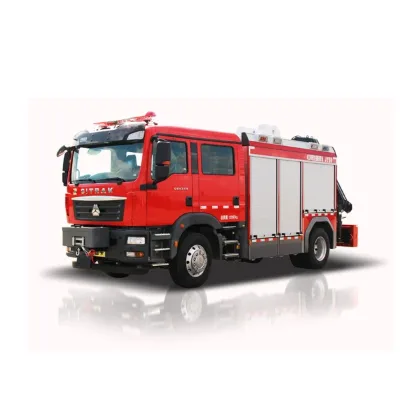


China Manufacturers 4X4 Airport Arff Rapid Intervention Fire Fighting Diesel Fire Truck
$250000.00 - $300000.00
MOQ: 1 Pieces

China Factory 5.5 Ton Airport Fire Heavy Duty Fire Truck for Sale
$450000.00 - $500000.00
MOQ: 1 Pieces


Factory Direct Sales DFAC 4*2 1-3ton Airport Fire Truck Fire Fighting Truck Price
$8300.00 - $12300.00
MOQ: 1 unit


DFAC 4X4 Fire Fighting Truck, Optional Left and Right Drive, Factory Direct Sales, Global Delivery
$26789.00 - $36889.00
MOQ: 1 Pieces


I Suzu 4X4 3 Ton 4WD Foam Fire Fighting Truck with Crew Cabin for Forest Fire Rescue
$100000.00 - $389997.00
MOQ: 1 Pieces

Versatile 6X4 3 Ton Fire Fighting Truck for Emergency Forest Response
$24000.00 - $126000.00
MOQ: 1 Pieces

Isu 4X4 Fire Truck China Forest Rescue Vehicle Water Foam Fire Fighting Truck
$36000.00 - $53000.00
MOQ: 1

Sinotruck 4X2 6X4 Good Quality Water Foam Fire Rescue Fighting Truck
$36000.00 - $53000.00
MOQ: 1 Pieces


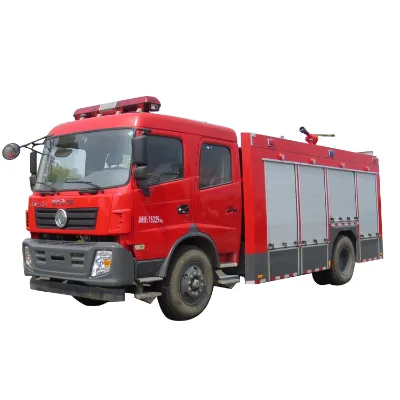

Comprehensive Sourcing Guide
Strategic Sourcing Guide for 4x2 Airport Fire Fighting Trucks
Understanding the 4x2 Configuration for Airport Operations
The 4x2 configuration represents a specific chassis architecture where two wheels provide propulsion and steering, while the remaining two wheels are non-driven. In the context of airport fire fighting trucks, this configuration is often selected for specific operational niches where extreme maneuverability on paved surfaces is prioritized over the all-terrain traction of 6x4 or 8x4 systems. The observed market data indicates that suppliers offer a variety of driving types, including 42, 62, 64, 84, 86, 44, and 6*6, allowing buyers to select the drive wheel configuration that best matches their runway surface conditions and vehicle weight requirements.
For airport environments, the 4x2 truck typically operates on hardened concrete or asphalt taxiways and aprons. The selection of this configuration often correlates with the Gross Weight and Curb Weight specifications of the vehicle. For instance, observed listings show a Gross Weight of 7135kg with a Curb Weight of 4260kg for certain models, suggesting a payload capacity of approximately 2500kg. This payload capacity is critical for carrying the necessary water and foam agents required for initial attack scenarios. Buyers must verify that the 4x2 chassis can support the specific volume requirements of the fire suppression system, as the vehicle's structural integrity depends on the balance between the chassis weight and the liquid load.
Technical Specifications and Performance Parameters
When evaluating a 4x2 Airport Fire Fighting Truck, technical specifications must be scrutinized against the operational demands of the airfield. The product data reveals a wide range of dimensions and capacities, indicating that there is no single "standard" size for this vehicle class. Lengths observed in the market range from approximately 5200mm to over 10,000mm, with widths typically between 2510mm and 2550mm. Heights vary significantly, from 2100mm to 3570mm, which is a crucial factor for hangar clearance and bridge loading limits at specific airports.
The propulsion system is another vital technical component. The available horsepower ranges from 150hp to 250hp, a spectrum that directly influences the vehicle's acceleration and maximum speed. While one observed specification lists a maximum speed of 40km/h, other models in the same category may possess higher performance capabilities. The transmission type is also a variable, with both Manual and Automatic options available in the market. Buyers should verify the braking distance, with observed data indicating a 7m braking distance for certain configurations, ensuring the vehicle can stop safely within the tight confines of an airport taxiway.
Water and foam tank capacities are the defining metrics for fire fighting efficacy. The data shows volume options ranging from 3001-5000L to 5001-7000L. Specific configurations list a water tank capacity of 2.5cbm, with foam tank capacities varying from 0.75cbm to 2.5cbm depending on the model. Some advanced configurations feature a rear foam water tank capacity of 1.75cbm. These figures must be cross-referenced with the specific fire rating requirements of the airport, such as the ICAO Category requirements, to ensure the truck can deliver the necessary suppression agent volume within the mandated response time.
Compliance, Certification, and Emission Standards
Compliance with international and local regulations is non-negotiable for airport fire fighting equipment. The supply chain for these vehicles is heavily regulated, and buyers must verify that the manufacturer holds valid certifications. Observed product attributes list several key certifications, including ISOCCC, TSEPA, EEC, RoHS, and CE. The presence of ISOCCC and TSEPA suggests adherence to specific quality and environmental management systems, while EEC and CE indicate compliance with European Economic Community standards, which are often used as a benchmark for global safety and performance.
Emission standards are equally critical, particularly for vehicles operating in urban or airport environments where air quality is strictly monitored. The data indicates that these trucks generally adhere to Euro emission standards and utilize Diesel fuel. Buyers must confirm the specific Euro level (e.g., Euro 4, Euro 5, or Euro 6) required by their local environmental agency, as this can impact the vehicle's registration and operational lifespan. The "Condition" of the vehicles is listed as "New," which implies that the units are manufactured to current standards rather than being refurbished, ensuring that all safety systems and emission controls are fully functional and up to date.
Cost Drivers and Procurement Economics
The pricing for 4x2 airport fire fighting trucks is influenced by a complex interplay of factors, including chassis origin, tank capacity, and customization levels. The observed price range in the market spans from 8,300 USD to 1,000,000 USD. This vast disparity is not indicative of a single product line but rather reflects the difference between smaller, specialized units and large, fully equipped heavy-duty fire engines. The lower end of the range may correspond to vehicles with smaller tank capacities (e.g., 2.5cbm) and basic configurations, while the higher end likely represents vehicles with larger volumes (5001-7000L), advanced foam systems, and premium chassis brands.
The Minimum Order Quantity (MOQ) for these specialized vehicles is observed to be 1 unit, which is typical for heavy machinery where each order is often a custom project. However, buyers should be aware that customization is available, which can significantly impact the final cost. The "prod_packing" varies between "Nude" and "Wooden Box," with the latter likely adding to the shipping and handling costs. Additionally, the origin of the vehicle, listed as China, suggests that logistics and import duties will be significant cost drivers. Buyers must factor in the total landed cost, including freight, insurance, and customs clearance, rather than focusing solely on the ex-works price.
Supplier Evaluation and Chassis Selection
Selecting the right supplier involves more than just comparing prices; it requires a deep dive into the supplier's capability to provide the correct chassis and after-sales support. The product data highlights several chassis options, including Dongfeng, FAW, and HOWO, which are prominent Chinese manufacturers. The brand name "Forland" is also observed, indicating the availability of different OEM options. Buyers should evaluate the supplier's ability to integrate these chassis with the fire fighting body and equipment seamlessly.
After-sales service is a critical differentiator in this sector. The data confirms that "Video Technical Support" is provided, which is a valuable resource for troubleshooting and maintenance guidance. However, for airport operations, the availability of on-site technical support and spare parts logistics is paramount. Buyers should verify the supplier's track record in delivering vehicles to similar environments and their ability to provide training for local fire crews. The "Customization: Available" attribute suggests that suppliers are willing to tailor the vehicle to specific airport needs, but this requires a rigorous evaluation of the supplier's engineering capabilities and project management skills.
Quality Control and Long-Term Procurement Considerations
Quality control in the manufacturing of airport fire fighting trucks must be rigorous, given the life-safety nature of the equipment. The "Condition: New" status and the presence of multiple certifications (ISOCCC, TSEPA, EEC, RoHS, CE) provide a baseline for quality assurance. However, buyers should insist on a comprehensive inspection protocol before shipment. This includes verifying the structural integrity of the tank, the reliability of the pump systems, and the accuracy of the measurement instruments. The "prod_standard" dimensions and "prod_model" numbers serve as reference points for these inspections, ensuring the delivered vehicle matches the ordered specifications.
Long-term procurement considerations extend beyond the initial purchase. The "After-Sales Serviceprovided: Video Technical Support" is a starting point, but a robust maintenance plan is essential. Buyers should negotiate service level agreements (SLAs) that include regular maintenance checks, warranty terms, and the availability of spare parts. The "Nude" or "Wooden Box" packing method should be evaluated for its ability to protect the vehicle during transit and storage. Furthermore, the "Wheel Base" and "Wheelbase" dimensions (ranging from 3308mm to 5100+1350 mm) must be maintained in the long term to ensure the vehicle remains compliant with airport infrastructure standards.
Comparative Analysis of Vehicle Configurations
To assist buyers in making informed decisions, the following table compares key attributes observed in the market for 4x2 and related configurations. This comparison highlights the variability in specifications and helps in aligning the vehicle choice with specific operational requirements.
| Attribute | Configuration A (Light/Compact) | Configuration B (Heavy/Standard) | Configuration C (High Capacity) |
|---|---|---|---|
| Volume | 3001-5000L | 5001-7000L | Variable (Custom) |
| Horsepower | 150-250hp | 150-250hp | 150-250hp |
| Emission Standard | Euro | Euro | Euro |
| Fuel Type | Diesel | Diesel | Diesel |
| Transmission | Manual / Automatic | Manual / Automatic | Manual / Automatic |
| Water Tank | 2.5cbm | 2.5cbm | 1.75cbm (Rear) |
| Foam Tank | 0.75cbm - 2.5cbm | 0.75cbm - 2.5cbm | 0.75cbm - 2.5cbm |
| Length | ~5200mm | ~10360mm | ~1017cm |
| Gross Weight | 7135kg | 32000 Kg | 11000 Kg |
| Chassis Options | Dongfeng, FAW, HOWO | Dongfeng, FAW, HOWO | Dongfeng, FAW, HOWO |
| Certifications | ISOCCC, TSEPA, EEC, RoHS, CE | ISOCCC, TSEPA, EEC, RoHS, CE | ISOCCC, TSEPA, EEC, RoHS, CE |
This table illustrates that while the core components like fuel type and emission standards remain consistent, the physical dimensions and capacities vary widely. Buyers must carefully match these attributes to the specific fire fighting category required by their airport. For instance, a 32,000 Kg vehicle with a 10,360mm length is suitable for major airport incidents, whereas a 7,135 Kg vehicle with a 2.5cbm tank might be better suited for rapid response or smaller airfields.
Final Procurement Recommendations
Sourcing a 4x2 Airport Fire Fighting Truck requires a methodical approach that balances technical specifications, regulatory compliance, and long-term operational needs. Buyers should begin by defining the exact volume and performance requirements of their airport, ensuring the selected vehicle meets the necessary ICAO or local fire safety categories. The verification of certifications such as ISOCCC, TSEPA, EEC, RoHS, and CE is essential to ensure the vehicle meets international safety standards.
When engaging with suppliers, buyers should prioritize those who offer transparent customization options and robust after-sales support, including video technical assistance. The wide range of chassis options, from Dongfeng to HOWO, allows for flexibility, but the final selection should be based on the supplier's ability to integrate these components reliably. Finally, the total cost of ownership, including maintenance, spare parts, and logistics, must be calculated to ensure the procurement decision is sustainable over the vehicle's lifecycle. By adhering to these guidelines, buyers can secure a 4x2 Airport Fire Fighting Truck that delivers the performance and reliability required for safe airport operations.
FAQs
What certifications do 4x2 airport fire fighting trucks have?
These trucks typically hold ISOCCC, TSEPA, EEC, RoHS, and CE certifications. Buyers must verify that the specific unit matches these standards for international compliance and safety requirements.
Which transmission types are available for these vehicles?
Both Manual and Automatic transmission types are available in the market. Buyers should select the option that best suits their operational preferences and driver training capabilities.
How much water and foam capacity do these trucks offer?
Water tank capacities range from 2.5cbm to over 7000 liters depending on the model. Foam tank capacities vary between 0.75cbm and 2.5cbm to meet specific fire suppression needs.
Can I customize the chassis for specific airport requirements?
Customization is available for chassis selection including Dongfeng, FAW, and HOWO options. Buyers can specify drive types like 4x2 or 6x4 to match runway conditions and weight limits.
What is the typical price range for these fire trucks?
The observed price range spans from 8,300 USD to 1,000,000 USD. Costs vary significantly based on tank volume, horsepower, and specific customization levels required for the airport.
Which emission standards do these diesel trucks meet?
These diesel-powered trucks generally adhere to Euro emission standards. Buyers must confirm the specific Euro level required by their local environmental regulations before procurement.
What after-sales support is provided for these vehicles?
Video technical support is provided as a standard after-sales service. Buyers should verify if additional on-site support or spare parts logistics are available for critical airport operations.