Source 4WD Remote Control Agricultural Tractor for Farming, Gardening, and Landscaping
Find and compare 30 listings for the 4WD Remote Control Agricultural Tractor, featuring options like the KS454 and KS1304 models. Evaluate specifications including engine types, tire sizes, and emission standards to select the right machinery for your operational needs.
Key considerations
Products List


High Performance 4WD Agricultural Tractor 220HP Agricultural Tractor 4 Wheel Tractor
$10800.00 - $10900.00
MOQ: 1 Pieces


Agricultural Machinery 90 Horsepower Four-Wheel Drive Agricultural Tractor
$9000.00 - $9500.00
MOQ: 1 Pieces


Agricultural Machinery Four-Wheel Tractor, Four-Wheel Drive with Cheap Price
$4500.00 - $5000.00
MOQ: 1 Pieces


Agricultural Machinery Multipurpose Mini Tractor Four-Wheel Drive Agricultural Tractor
$14500.00 - $15500.00
MOQ: 1 Pieces




Comprehensive Sourcing Guide
4WD Remote Control Agricultural Tractor Sourcing Guide
Procuring a 4WD Remote Control Agricultural Tractor requires a careful balance between operational efficiency and technical verification. While the market offers various models, buyers must distinguish between standard agricultural machinery and specialized units equipped with remote operation capabilities. The core keyword suggests a focus on automation or remote assistance, yet the available product data primarily highlights traditional mechanical configurations such as hydraulic steering, three-point linkages, and specific engine types. Therefore, the sourcing strategy must prioritize verifying the actual remote control integration, as this feature is not explicitly detailed in the standard specifications provided. Buyers should approach listings with a critical eye, ensuring that the "remote control" aspect is a functional, certified system rather than a marketing term for standard hydraulic controls.
The decision to invest in a 4WD tractor with remote capabilities often hinges on the need for enhanced safety and precision in difficult terrain. Remote operation allows operators to maintain a safe distance from hazardous environments, such as steep slopes or unstable ground, while still maintaining full control over the machinery. However, the supplied facts indicate a wide range of tractor sizes, from small garden tractors weighing 1650kg to large farm tractors weighing 4500kg. This variance implies that remote control systems will differ significantly in complexity and power requirements. Buyers must align the tractor’s weight class and engine power with the specific remote control technology required for their operational environment, ensuring that the system can handle the torque and hydraulic loads of the selected model.
Product Scope and Observed Listing Signals
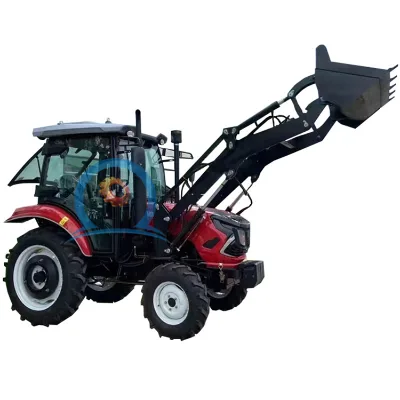
The current market landscape for these tractors reveals a diverse range of specifications, primarily centered around Chinese manufacturing hubs like Weifang. Listings indicate a price range of $2,200 to $16,000 USD, reflecting the disparity between smaller, subcompact units and larger, heavy-duty farm tractors. For instance, the KS454 model is a small, green wheel tractor powered by a Laidong or Yunnei 4-cylinder engine, weighing 1650kg and featuring a 36.8kw rated power. In contrast, the KS1304 model is a substantial red farm tractor equipped with a Weichai 6-cylinder engine, weighing 4500kg and delivering 103kw of power. These distinct categories serve different agricultural needs, from small-scale gardening to large-scale farming operations, and the remote control feature must be evaluated within the context of these specific mechanical profiles.
Observations from the product listings show that customization is a key selling point, with options for color, engine type, and potentially operational features. The availability of customization suggests that buyers can tailor the tractor to their specific brand or operational requirements, but it also introduces complexity in verifying the remote control system’s compatibility. The listed emission standards vary, with some models meeting Euro III standards and others adhering to Euro II, which impacts where the tractor can be legally operated. Buyers must carefully review the product descriptions to confirm that the remote control system is integrated into the specific engine and hydraulic architecture of the chosen model, as retrofitting or mismatching components can lead to operational failures.
Technical Specifications to Verify
When evaluating the technical aspects of a 4WD Remote Control Agricultural Tractor, the engine and powertrain are critical components to scrutinize. The supplied data highlights engines such as the Laidong/Yunnei 4-cylinder and the Weichai 6-cylinder, both of which are water-cooled, vertical, 4-stroke, and direct injection types. Buyers must verify that the remote control system is compatible with the engine’s electronic control unit (ECU) or mechanical governor, ensuring that throttle and shutdown commands are executed reliably. Additionally, the rated power and revolution speeds, such as 2400 R/Min for the smaller model and 2200 R/Min for the larger one, must be matched with the remote control’s response time and precision. A mismatch here could result in delayed responses or erratic power delivery, compromising safety and efficiency.
The hydraulic and transmission systems are equally important for remote operation, as they dictate the tractor’s maneuverability and load-handling capacity. The listings mention hydraulic steering and three-point linkages, which are essential for attaching implements and steering the vehicle remotely. Buyers should confirm the PTO speed options, such as 540/720rpm or 540/1000rpm, and ensure that the remote control system can manage the engagement and disengagement of the PTO safely. Furthermore, the tire specifications, ranging from 7.5-16 front tires on smaller models to 13.6-24 on larger ones, affect traction and stability. The remote control system must account for these physical dynamics, providing operators with accurate feedback on wheel slip and traction to prevent accidents during remote operation.
Compliance and Safety Documentation
Compliance with international standards is a non-negotiable aspect of sourcing agricultural machinery, particularly when remote control features are involved. The product listings indicate certifications such as ISO and CE, which are crucial for ensuring that the tractor meets basic safety and quality requirements. However, buyers must verify that the CE marking specifically covers the remote control system, as this component introduces additional risks related to signal interference, emergency stop functionality, and operator safety zones. The ISO certification likely pertains to the manufacturing process, but it does not guarantee that the remote control integration meets specific safety standards for automated or remotely operated machinery. Buyers should request detailed documentation that outlines how the remote control system complies with relevant safety regulations, such as ISO 12100 for machinery safety.
Safety documentation should also include comprehensive manuals and training materials for the remote control operation. Given the potential hazards of operating heavy machinery remotely, such as the 4500kg KS1304 model, operators must be trained on emergency procedures, signal loss protocols, and visual monitoring techniques. Buyers should ensure that the supplier provides clear instructions on how to establish a secure communication link between the remote controller and the tractor, including fail-safe mechanisms that automatically stop the tractor if the signal is lost. Additionally, the documentation should specify the operational limits of the remote control system, such as maximum distance and line-of-sight requirements, to prevent misuse and ensure safe operation in various agricultural environments.
Cost Drivers and Commercial Terms
The cost of a 4WD Remote Control Agricultural Tractor is influenced by several factors, including the engine type, tractor size, and the complexity of the remote control system. The observed price range of $2,200 to $16,000 USD reflects these variations, with smaller, less powerful models being more affordable and larger, high-power tractors commanding higher prices. Buyers should consider the total cost of ownership, which includes not only the initial purchase price but also maintenance, spare parts, and potential upgrades to the remote control system. The availability of customization options, such as different engine brands or colors, may also impact the price, as bespoke features often incur additional costs.
Commercial terms, such as MOQ and lead times, are critical for planning procurement activities. The listings indicate an MOQ of 1, which suggests that buyers can purchase single units, making it easier to test the remote control system before committing to larger orders. However, buyers should negotiate for favorable payment terms and warranty coverage, especially for the remote control components, which may be more prone to technical issues than traditional mechanical parts. It is also advisable to clarify the shipping and packaging details, as the listed professional package and dimensions (e.g., 3540mm x 1510mm x 2290mm for the KS454) will affect logistics costs and handling requirements. Understanding these commercial terms helps buyers budget accurately and avoid unexpected expenses during the procurement process.
Supplier Qualification and Quality Control
Selecting a reliable supplier is paramount when sourcing a 4WD Remote Control Agricultural Tractor, as the quality of the remote control system directly impacts operational safety and efficiency. Buyers should verify the supplier’s manufacturing capabilities and quality control processes, particularly for the integration of electronic and hydraulic components. The fact that products originate from Weifang, China, a known hub for agricultural machinery, suggests a mature supply chain, but buyers must still conduct due diligence to ensure that the supplier adheres to strict quality standards. Requesting factory audits or third-party inspection reports can provide insights into the supplier’s ability to produce consistent, high-quality remote control systems.
Quality control should extend to the testing and validation of the remote control system before shipment. Buyers should insist on pre-shipment inspections that include functional tests of the remote control, hydraulic systems, and engine performance. These tests should simulate real-world operating conditions to identify any potential issues, such as signal delays or hydraulic leaks, that could compromise safety. Additionally, buyers should verify the supplier’s after-sales support capabilities, including the availability of technical assistance, spare parts, and repair services. A robust after-sales support system is essential for maintaining the remote control system and ensuring long-term operational reliability, especially in remote agricultural settings where immediate technical support may not be available.
Long-Term Procurement Checks
Long-term procurement success depends on establishing a sustainable relationship with the supplier and continuously monitoring the performance of the 4WD Remote Control Agricultural Tractor. Buyers should implement a regular maintenance schedule that includes inspections of the remote control system, hydraulic lines, and engine components. This proactive approach helps identify wear and tear early, preventing costly breakdowns and ensuring that the tractor remains in optimal working condition. Buyers should also stay informed about updates to the remote control software or hardware, as technological advancements can enhance safety and efficiency. Engaging with the supplier for regular feedback and support can help address any emerging issues and improve the overall procurement experience.
Furthermore, buyers should evaluate the tractor’s performance in the field over time, assessing factors such as fuel efficiency, operational reliability, and user satisfaction. This data can inform future procurement decisions, helping buyers refine their specifications and negotiate better terms with suppliers. It is also important to monitor changes in regulatory requirements, such as emission standards or safety regulations, to ensure that the tractor remains compliant throughout its service life, which is estimated at 6-10 years. By maintaining a focus on long-term value and continuous improvement, buyers can maximize the return on their investment in 4WD remote control agricultural tractors and contribute to more efficient and sustainable agricultural operations.
FAQs
What engine options are available for these tractors?
The tractors offer flexible engine configurations including Laidong, Yunnei, and Yangdong brands. These engines are typically water-cooled, vertical, four-stroke, and direct injection types. Specific models feature four-cylinder or six-cylinder variants with rated powers ranging from 36.8kw to 103kw. Buyers can select based on required horsepower and operational needs.
Can the tractor color be customized to specific requests?
Yes, customization is available for the tractor color. While standard options include green and red, buyers can request specific colors according to their preferences. This customization service allows for branding alignment or personal preference adjustments. The product attributes confirm that color options are open to customer requests for tailored appearances.
What is the typical service life of these agricultural tractors?
The typical service life for these tractors is estimated between 6 to 10 years. This duration depends on usage intensity, maintenance practices, and operating conditions. The new condition of the units ensures they start with optimal performance. Regular maintenance of the hydraulic steering and three-point linkage can help sustain this longevity effectively.
Which certifications do these tractors hold for compliance?
These tractors hold ISO and CE certifications, ensuring compliance with international standards. The CE mark indicates conformity with health, safety, and environmental protection standards for products sold within the European Economic Area. ISO certification reflects adherence to quality management systems. These credentials provide buyers with confidence in the manufacturing quality and regulatory compliance of the equipment.
What are the drive wheel configurations for these models?
The tractors feature a 4WD (Four-Wheel Drive) configuration for enhanced traction and stability. This setup is ideal for various agricultural tasks including lawn, garden, and farm operations. The drive system works in conjunction with hydraulic steering and specific tire sizes like 7.5-16 for front and 11.2-28 for rear tires. This ensures reliable performance across different terrains and field conditions.
How is the emission standard defined for these engines?
The emission standards for these tractors vary by model, with options including Euro II and Euro III compliance. These standards regulate exhaust pollutants to meet environmental requirements. Buyers should verify the specific emission level for their target market regulations. The engines are designed to balance performance with environmental responsibility, ensuring legal operation in regions with strict emission controls.