Source 5-layer inner pot multi cooker with steamer for Home, Office, and Catering
Explore 30 listings of 5-layer inner pot multi cooker with steamer featuring customizable options, various capacities from 1.5L to 12L, and materials like stainless steel and aluminum alloy. Buyers can compare models such as AL-LV5060M and A35 with touch controls and temperature devices for cooking needs.
Key considerations
Products List


Multi Pressure Cooker Smart Pressure Cooker 5/6 Liter Pot Nonstick Inner Pot
$19.10 - $19.50
MOQ: 700 Pieces


Electric Cooker: 6 Qt Stainless Steel Multi Cooker with Steamer Option
$16.50 - $18.00
MOQ: 1000 Pieces


Stainless Steel Electric Multi Cooker for Efficient Cooking and Steaming
$16.50 - $18.00
MOQ: 1000 Pieces

Electric Pressure Cooker 6 Qt Stainless Steel Multi Cooker Multi-Function Cooker
$16.50 - $18.00
MOQ: 1000 Pieces


Versatile Hot Pot Cooker for Steaming and Boiling Multi-Function Induction Cooker
$10.00 - $14.00
MOQ: 1000 Pieces


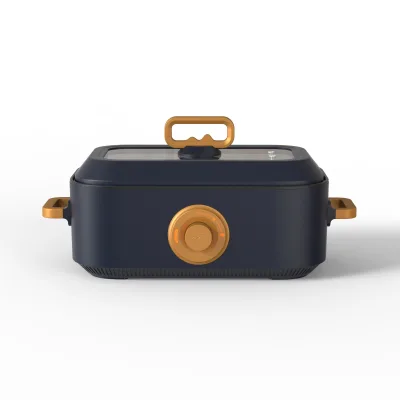


Comprehensive Sourcing Guide
Strategic Sourcing Guide for Multi-Cooker Procurement
Understanding the Product Category and Core Specifications
When sourcing a 5-layer inner pot multi-cooker with a steamer, buyers must first distinguish between the general category of multi-functional cooking appliances and the specific technical constraints of the available supply chain. The term "5-layer inner pot" often implies a complex construction designed for superior heat retention and distribution, potentially involving stainless steel, aluminum alloy, or ceramic composites. However, in the context of the current market data, the available inventory reveals a diverse range of pot materials and layering technologies that do not uniformly match a "5-layer" specification.
The observed product attributes indicate that inner pot materials vary significantly across listings. Some units feature an Aluminum Alloy inner pot, while others utilize Stainless Steel or Ceramic coatings. For instance, specific models listed in the supply chain utilize a Non-Sticking Removable Aluminum Pot, whereas other entries specify Stainless Steel for the housing or inner components. The "5-layer" claim found in marketing materials often refers to a specific manufacturing process that may not be present in every unit within a general search result. Buyers must verify if the specific supplier's model number, such as AL-LV5060M or AL-SK03, actually incorporates a multi-layered construction or if the listing refers to a single-layer pot with a non-stick coating.
Capacity is another critical variable. The supply data shows a wide range of capacities, including 10L, 5L, <4L, and 1.5-2L options. A 5-layer pot is often associated with larger capacities suitable for family-sized cooking, yet the market also offers compact units. The standard dimensions observed include 34cm diameters and 18cm diameters, which directly influence the internal volume and the feasibility of adding a steamer insert. When evaluating a potential supplier, the buyer must confirm that the "multi-cooker" designation includes a dedicated steamer function, as some listed products are defined primarily by their Fuel heating method or specific voltage requirements like 110V OR 220V.
Technical Specifications and Functional Verification
The technical performance of a multi-cooker depends heavily on its heating method, control systems, and pressure capabilities. The current market data presents a dichotomy between fuel-based heating and electric heating methods. Some products are explicitly categorized with a Heating Method of Fuel, which suggests a traditional stovetop or gas-powered design rather than an electric multi-cooker. In contrast, other listings specify electric attributes such as Touch control, Temperature Control Device, and Timing Device.
For a buyer seeking an electric multi-cooker with a steamer, the presence of a Temperature Control Device and Timing Device is essential for precise cooking. The observed power ratings vary from <500W to 900W, with voltage options of 110/220V. It is crucial to verify that the specific model supports the required voltage for the destination market. Furthermore, the Working Pressure is a key specification for pressure cooking functions. One observed model lists a working pressure range of 0-70kpa, which indicates a low-pressure cooking capability suitable for steaming and gentle simmering.
The shape and style of the cooker also impact functionality. The data indicates an Oval shape for some units, while others are described as Integral Type. The Style of the product can influence how the steamer basket fits within the main pot. If the product is an Electric Hot Pot Cooker, the steamer function might be an accessory rather than an integrated component. Buyers should request detailed diagrams to ensure the steamer basket is compatible with the specific inner pot diameter, whether it is 18cm or larger. Additionally, the Housing Material is often 410# Stainless Steel, which provides durability and heat resistance, but the inner pot material determines the cooking surface properties.
Compliance, Certification, and Safety Standards
Navigating the compliance landscape is a critical step in B2B procurement, especially for electrical appliances. The supply data includes several certification markers, such as CCC, ISOCE, RoHS, FDA, and CE/EU. These certifications indicate that certain models have undergone testing for electrical safety, electromagnetic compatibility, and material safety. For example, a model with CCC certification is compliant with Chinese compulsory product certification, while RoHS indicates compliance with restrictions on hazardous substances.
However, buyers must exercise caution. The presence of a certification label on a product listing does not guarantee that every unit in the order will carry that certification, nor does it ensure that the specific model number matches the certification scope. The data lists CE as a low-confidence background fact, suggesting that while it is a common expectation, it may not be explicitly verified for every item in the search results. Therefore, procurement teams must request valid, up-to-date test reports from the supplier for the specific model being ordered.
Material safety is another compliance concern. The inner pot materials listed include Aluminum Alloy, Stainless Steel, and Ceramic. If the product claims to be non-toxic or food-safe, certifications like FDA are relevant. The Inner Pot Material must be verified against the intended use; for instance, ceramic coatings are often marketed for health benefits, while aluminum alloys are valued for heat conductivity. Buyers should ensure that the Inner Pot is indeed removable and non-sticking, as listed in some specifications, to facilitate cleaning and maintenance.
Cost Drivers and Pricing Dynamics
The pricing of multi-cookers is influenced by a complex interplay of factors, including material costs, manufacturing complexity, and customization requirements. The observed price range in the market spans from 2 USD to 65 USD. This wide variance suggests that the market includes both basic, single-function units and more advanced models with multiple features. A unit priced at the lower end of the spectrum may lack advanced features like a Timing Device or Temperature Control, while higher-priced units likely include these functionalities and superior build quality.
Material costs are a primary driver. Units with Stainless Steel housing and Ceramic or Aluminum Alloy inner pots generally command higher prices than those with basic plastic or single-layer metal components. The Customization options, such as Logo and Color Box printing, also add to the cost. The data indicates that customization is available, which can increase the unit price depending on the volume and complexity of the branding.
Order quantity is another significant factor. The MOQ (Minimum Order Quantity) ranges from 1 to 1256 units. Suppliers with lower MOQs may charge a premium per unit due to the lack of economies of scale, while larger orders can negotiate better pricing. The prod_packing method, whether Carton, Corton, or Carton Packing, also affects logistics costs. Bulk packaging is generally more cost-effective for large orders, whereas individual retail packaging increases the per-unit cost.
Typical Applications and Usage Scenarios
The versatility of the 5-layer inner pot multi-cooker with a steamer makes it suitable for various applications, from home cooking to commercial catering. The Usage is explicitly listed as Cooking, but the specific functions depend on the model's capabilities. Models with a Working Pressure of 0-70kpa are ideal for steaming vegetables, cooking rice, and preparing soups without the high pressure of industrial pressure cookers. The Heat-preservation-type feature found in some listings allows for keeping food warm for extended periods, which is useful in buffet settings or family dining.
The Capacity of the unit determines its suitability for different group sizes. A 10L capacity unit is suitable for large families or small commercial kitchens, while a 1.5-2L unit is better for individual or couple use. The Oval shape of some pots may be designed for specific cooking styles, such as roasting or braising, in addition to steaming. The Color options, including Silver, White, Yellow, Green, and Pink, allow buyers to match the appliance to specific kitchen aesthetics or brand identities.
Supplier Evaluation and Quality Control Protocols
Evaluating suppliers requires a rigorous assessment of their production capabilities and quality control measures. The prod_origin is listed as China and Guangdong China, which are major manufacturing hubs for kitchen appliances. Buyers should verify the specific factory location to ensure it aligns with their logistics and ethical sourcing requirements. The prod_model numbers, such as A35, YS-Z16A, and AL-S08K, serve as unique identifiers for specific product lines.
Quality control should focus on the integrity of the Inner Pot and the Housing Material. The Non-Sticking Removable Aluminum Pot must be tested for coating durability and resistance to peeling. The Stainless Steel housing should be checked for weld quality and finish. Buyers should request samples to test the Temperature Control Device and Timing Device for accuracy and reliability. Additionally, the Package Contents, which may include a Power Cord, Measuring Cup, and Plastic Spoon, should be verified to ensure all accessories are present and of good quality.
Long-Term Procurement Considerations and Sustainability
Long-term procurement success depends on the supplier's ability to maintain consistent quality and provide after-sales support. The Customization options, such as Logo and Color Box, are valuable for building a brand, but buyers must ensure that the customization process does not compromise the product's structural integrity. The prod_standard values, such as 34cm or 5-6L, should be treated as specifications to be verified rather than absolute guarantees for every unit.
Sustainability is an emerging consideration in the kitchen appliance market. The use of Aluminum Alloy and Stainless Steel offers recyclability, but the environmental impact of the manufacturing process and the RoHS compliance regarding hazardous substances should be monitored. Buyers should inquire about the supplier's waste management practices and energy efficiency in production. The Voltage compatibility, such as 110V OR 220V, is also a long-term consideration for international distribution, ensuring that the product can be used in various markets without modification.
Summary of Key Verification Points
To ensure a successful procurement of a 5-layer inner pot multi-cooker with a steamer, buyers must systematically verify the following points against the supplied data and supplier claims. The table below summarizes the critical attributes that require confirmation.
| Attribute Category | Key Verification Points | Observed Data Context |
|---|---|---|
| Inner Pot Construction | Verify layer count, material (Aluminum, Steel, Ceramic), and non-stick coating. | Data shows Aluminum Alloy, Stainless Steel, Ceramic; "5-layer" not universally confirmed. |
| Heating & Control | Confirm Heating Method (Fuel vs. Electric), Voltage (110/220V), and Control Type (Touch, Temp). | Mix of Fuel and Electric; Voltage options vary; Touch and Temp controls observed. |
| Capacity & Size | Check Capacity (L) and Diameter (cm) to ensure steamer fit. | Ranges from <4L to 10L; Diameters include 18cm and 34cm. |
| Certifications | Request valid test reports for CCC, RoHS, FDA, CE/EU. | CCC, ISOCE, RoHS, FDA, CE/EU listed; CE confidence noted as low. |
| Packaging & Accessories | Verify contents (Cord, Cup, Spoon) and packing type (Carton). | Contents vary; Packing types include Carton, Corton. |
| Customization | Confirm Logo and Color Box options and MOQ impact. | Customization available; MOQ ranges 1-1256. |
By adhering to these verification protocols and leveraging the observed data points, buyers can navigate the complexities of the multi-cooker market and secure high-quality products that meet their specific operational and commercial needs.
FAQs
Can I customize the logo and color box for this cooker?
Yes, customization for logo and color box is available for this product. Buyers should verify specific MOQ requirements and additional costs before placing a bulk order to ensure branding aligns with supplier capabilities.
What is the working pressure range for the pressure cooker function?
The working pressure range is 0-70kpa for the listed pressure cooker model. This low-pressure setting supports steaming and gentle simmering, though it differs from high-pressure industrial cookers requiring higher ratings.
Which inner pot materials are available for these multi-cookers?
Available inner pot materials include Stainless Steel, Aluminum Alloy, and Ceramic. Buyers must check specific model numbers to confirm the exact material, as listings vary between non-stick aluminum and durable steel options.
How does the heating method differ between available models?
Some models use a Fuel heating method while others are electric with touch controls. Buyers must distinguish between these types as fuel models lack electric features like temperature control devices or timing devices.
What certifications are documented for the electrical models?
Documented certifications include CCC, ISOCE, RoHS, FDA, and CE/EU for specific models. Buyers should request valid test reports for the exact model number to ensure compliance with destination market safety standards.
Can I find units with a capacity of 10 liters?
Yes, units with a 10L capacity are listed in the current inventory. This size suits large families or small commercial kitchens, but buyers should verify if the specific model includes a steamer insert.
What is the origin location for these kitchen appliances?
The products originate from China, with specific manufacturing hubs in Guangdong. Buyers should confirm the exact factory location to align with logistics plans and ethical sourcing requirements for their supply chain.