Source 5 Part Automated Hematology Analyzer for labs, clinics, and hospitals
Explore 30 listings for the 5 Part Automated Hematology Analyzer suitable for clinical diagnostics. Buyers can compare specifications, certifications, and pricing to find the right equipment for their facility needs.
Key considerations
Products List


Manufacturers Fully Automated Portable Hematology Analyzer 5 Parts Hematology Analyzer
$3099.00 - $3399.00
MOQ: 1 Pieces

Lab Automatic 5 Part Blood Hematology Machine Auto Hematology Analyzer
$4700.00 - $5300.00
MOQ: 1 Pieces


3 Part Automated Laboratory Blood Test Machine Auto Hematology Analyzer Price
$2000.00 - $2150.00
MOQ: 1 Pieces


3 Part Hematology Analyzer Hematology Analyzer Blood Hemogram Hematology Analyzer
$1100.00 - $2600.00
MOQ: 1 Pieces

High Quality 5 Part Hematology Analyzer Semi Automatic Hematology Analyzer
$5000.00 - $6000.00
MOQ: 1 sets


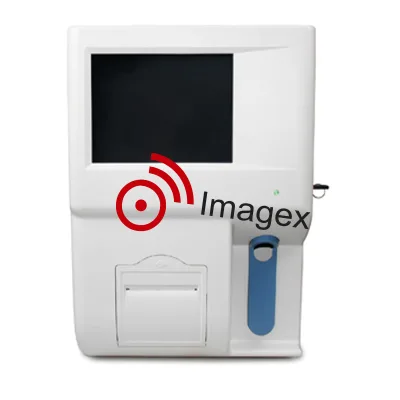

Medical Equipment Auto Hematology Analyzer 3 Part Hematology Analyzer
$1500.00 - $1899.00
MOQ: 1 Pieces


Full Automated 5 Part Machine Blood Hematology Analyzer Cell Counter
$5400.00 - $6750.00
MOQ: 1 Pieces

Comprehensive Sourcing Guide
5 Part Automated Hematology Analyzer Sourcing Guide
Procuring a 5-part automated hematology analyzer requires a disciplined approach to verifying technical capabilities, regulatory compliance, and commercial terms. These devices are critical for clinical laboratories, providing rapid and accurate differential white blood cell counts alongside standard complete blood count (CBC) parameters. Buyers must navigate a market where specifications vary significantly between models, ensuring that the selected instrument aligns with high-throughput demands and specific diagnostic workflows. This guide outlines the essential verification steps for sourcing these analytical systems, focusing on evidence-based decision-making rather than marketing claims.
The sourcing process begins with a clear understanding of the product scope and observed market signals. Buyers should prioritize instruments that offer robust data storage, intuitive user interfaces, and reliable reagent systems. By focusing on verifiable attributes such as throughput rates, power requirements, and physical dimensions, procurement teams can filter out incompatible options early in the selection process. This guide provides a framework for evaluating these factors, ensuring that the final acquisition supports long-term operational efficiency and diagnostic accuracy.
Product Scope and Observed Listing Signals
The market for 5-part automated hematology analyzers presents a wide range of models, each with distinct operational characteristics. Observed listings indicate a diverse product portfolio, with models such as the AJ-5180, AJ-3128, WF-MC-004, BK-6310, BK-6500, and HB7501 representing various tiers of functionality. These devices are generally classified under biochemical apparatus, imaging diagnostic equipment, or biological diagnostics, reflecting their role in comprehensive laboratory analysis. Buyers should note that while the core function remains consistent, the specific classification and model designation often correlate with differences in throughput, sample handling, and data management capabilities.
Key operational signals from observed listings include throughput rates of 60 to 70 tests per hour, which are critical for high-volume clinical settings. Power supply requirements vary, with some models supporting AC220V±10% at 50/60Hz, while others accommodate a broader range of 100~240V. Physical dimensions also differ, with standard packing sizes ranging from compact units to larger systems measuring up to 712587730mm. These specifications are essential for planning laboratory infrastructure, ensuring that the chosen analyzer fits within available space and integrates seamlessly with existing electrical and logistical systems.
Technical Specifications to Verify
When evaluating technical specifications, buyers must verify the instrument’s ability to store and process large volumes of data efficiently. Models like the DF51 and DF55 series offer storage capacities of up to 50,000 results, which is vital for maintaining historical patient data and facilitating trend analysis. The display interface is another critical component, with 10.4-inch TFT touch screens providing an intuitive platform for operation and result review. Ensuring that the main parts are imported can also be a factor in assessing the reliability and longevity of the instrument, as high-quality components often contribute to reduced downtime and improved performance consistency.
Reagent compatibility and test speed are equally important considerations for maintaining operational efficiency. The use of specific reagent systems, such as Lyc-1, Lyc-2, and Dil-C, can impact the cost and availability of consumables over the instrument’s lifecycle. Buyers should verify that the analyzer supports a test speed of up to 60 tests per hour, ensuring that it meets the demands of busy laboratory environments. Additionally, the absence of ethylene oxide sterilization and the availability of neutral or standard export packing should be confirmed to align with local regulatory requirements and logistical preferences.
Compliance and Safety Documentation
Regulatory compliance is a non-negotiable aspect of sourcing medical diagnostic equipment. Buyers must ensure that the hematology analyzer holds valid certifications, such as CE and ISOCE, which indicate adherence to European health, safety, and environmental protection standards. The presence of MSDS documentation for associated reagents is also crucial, providing essential information on the safe handling, storage, and disposal of chemical components. These certifications serve as a baseline for market access and regulatory approval in various regions, and buyers should request copies of these documents to verify their authenticity and current validity.
Safety and sterilization protocols must also be carefully reviewed to ensure they meet local laboratory standards. The observation that certain models are without ethylene oxide sterilization suggests that buyers should confirm the sterilization method used for any disposable components or accessories. Furthermore, the warranty period, typically listed as one year, should be clearly defined in the purchase agreement, outlining the scope of coverage for parts and labor. Buyers should also verify the availability of online technical support, which can be invaluable for troubleshooting issues and minimizing operational disruptions.
Cost Drivers and Commercial Terms
The cost of a 5-part automated hematology analyzer is influenced by several factors, including the model’s specifications, throughput capacity, and included accessories. Observed price ranges in the market span from $1 to $12,000, reflecting the diversity of options available to buyers. Minimum order quantities (MOQ) can vary significantly, ranging from single units to large batches of 100,000, which impacts the initial capital expenditure and inventory management strategy. Buyers should negotiate terms that align with their laboratory’s volume requirements, considering the potential for bulk discounts or flexible payment structures.
Packaging and shipping costs are additional considerations that can affect the total cost of ownership. Products are typically packed in cartons, wooden crates, or standard safety exporting packages, with dimensions and weights varying by model. For instance, some units are packed in cartons with standard dimensions, while others may require wooden packing for enhanced protection during transit. Buyers should clarify who is responsible for shipping and insurance costs, and ensure that the packaging is suitable for the intended destination to prevent damage during transit.
Supplier Qualification and Quality Control
Selecting a qualified supplier is essential for ensuring the reliability and support of the hematology analyzer. Buyers should verify the supplier’s origin, with many products originating from China, specifically Anhui province, which is known for its manufacturing capabilities in medical equipment. The availability of customization options, such as logo printing and specific packing requirements, can also be a differentiator for buyers seeking branded solutions. However, buyers should exercise caution and verify that any customization does not compromise the instrument’s technical integrity or regulatory compliance.
Quality control measures should be a key part of the supplier evaluation process. Buyers should request information on the supplier’s quality management systems, including any adherence to ISO 9001 or ISO 13485 standards, even if these are not explicitly listed for every product. The use of imported main parts can be an indicator of higher quality control standards, as it suggests that the manufacturer sources components from reputable suppliers. Buyers should also inquire about the supplier’s after-sales service capabilities, including the availability of technical support and spare parts, to ensure long-term operational support.
Long-Term Procurement Checks
Long-term procurement success depends on establishing a sustainable relationship with the supplier and ensuring the ongoing availability of consumables and support. Buyers should verify the compatibility of reagents and accessories with the chosen model, as proprietary systems can lock buyers into specific supply chains. The availability of online technical support is a critical factor, providing a channel for resolving issues without the need for extensive on-site visits. Buyers should also consider the instrument’s durability and maintenance requirements, which can impact the total cost of ownership over time.
Regular audits of the supplier’s performance and product quality are recommended to ensure continued satisfaction. Buyers should monitor the instrument’s performance metrics, such as test accuracy and throughput consistency, to identify any potential issues early. Establishing clear communication channels with the supplier for feedback and issue resolution can help maintain a productive partnership. By focusing on these long-term checks, buyers can ensure that their investment in a 5-part automated hematology analyzer delivers sustained value and supports their laboratory’s diagnostic needs.
FAQs
What certifications do the hematology analyzers hold?
The analyzers hold ISOCE and CE certifications. Some models also include MSDS documentation. These certifications ensure compliance with international safety and quality standards for medical diagnostic equipment.
Which models are available for 5 part automated hematology analysis?
Available models include AJ-5180, AJ-3128, BK-6310, BK-6500, HB7501, and DF51 DF55. Each model offers specific dimensions and power supply options to suit different laboratory requirements and space constraints.
Can the products be customized for specific needs?
Yes, customization is available for these hematology analyzers. Buyers can request specific configurations while noting that logo printing and ethylene oxide sterilization may be excluded depending on the selected model and order details.
What is the throughput capacity of these analyzers?
Throughput ranges from 60 to 70 tests per hour depending on the specific model. For instance, the DF51 DF55 series supports up to 60 tests per hour with a storage capacity of up to 50,000 results.
Where are these hematology analyzers manufactured?
These devices originate from Anhui, China. The products are packed in neutral, standard export, carton, or wooden packaging to ensure safe international shipping and compliance with export standards.
What power supply options are supported by the equipment?
The analyzers support AC220V and 110V power supplies with 50/60Hz frequencies. Specific models may require 300va or 400va power capacity, ensuring compatibility with various electrical infrastructures in different regions.