Source 5 Points Adjustable Racing Harness for Track, Rally, and Street
Explore 30 listings of 5 Points Adjustable Racing Harness options from Taiwan suppliers. Buyers can compare certifications like FIA 8853-2016, material compositions, and MOQs to find suitable racing seat belts for professional motorsport applications.
Key considerations
Products List
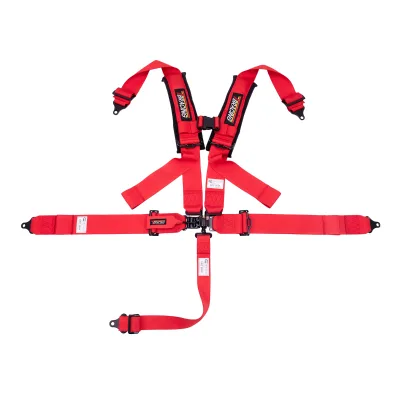
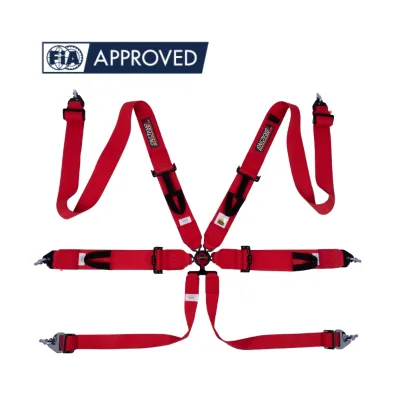
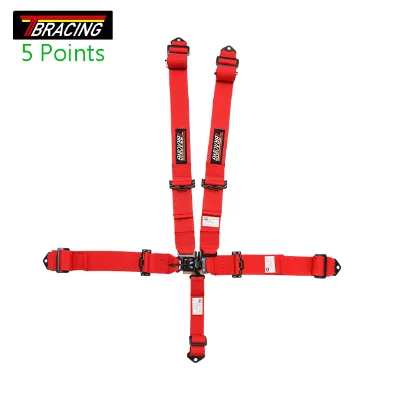
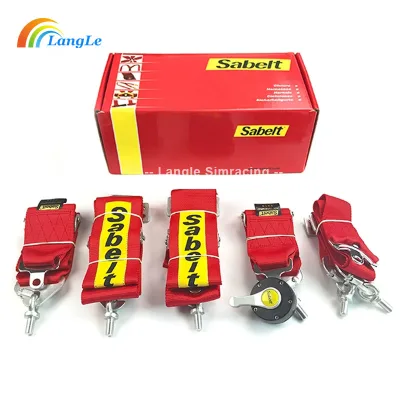
5 Point Red Polyester Racing Harness Safety Lock SFI 16.1 Certified 3 Inch Car Belt Seat
$30.85 - $92.55
MOQ: 1 Minimum
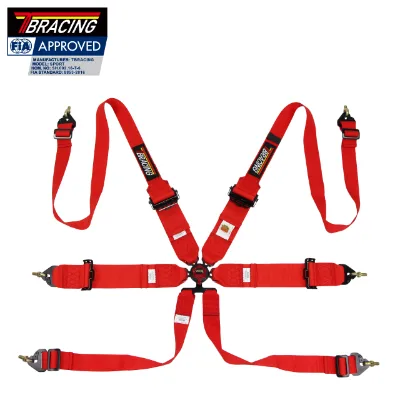
Lightweight Formula 6 Point Race Harness FIA FHR Compatible Red Extender Seat Belt
$71.64 - $171.93
MOQ: 1 pieces
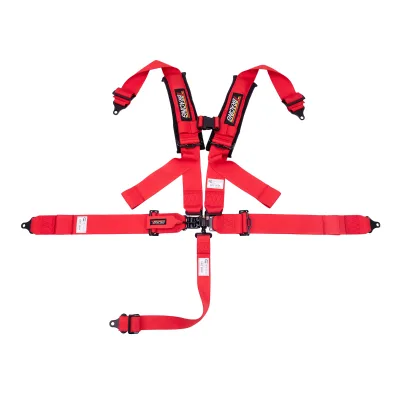
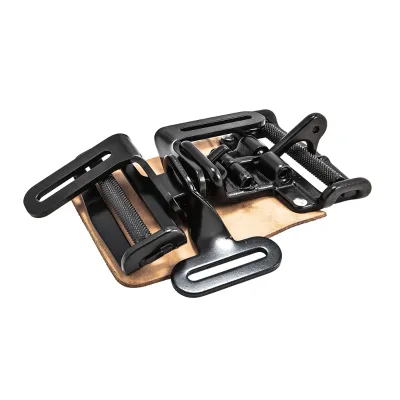
TBRACING LB3 5 Points Safety SFI Racing Harness with Latch and Link for 1969-1988 3 Inch
$10.28 - $20.55
MOQ: 300 Minimum


Race Car 4 Point Racing Safety Harness Seats with 2" Straps Harness Seat Belts
$5.60 - $6.00
MOQ: 100 pieces
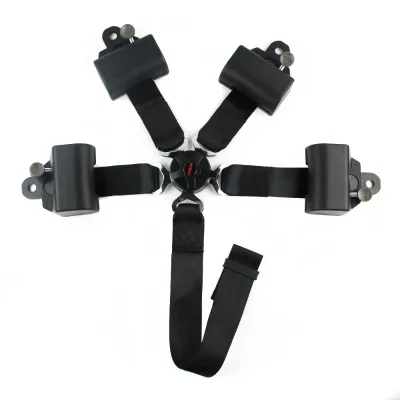

6 Points Adjustable 5 D-Ring Attachment Point Harness Belt Kit Safety Harness
$5.50 - $30.00
MOQ: 500 Pieces


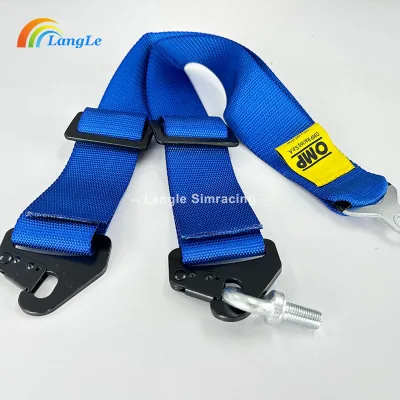


Comprehensive Sourcing Guide
Strategic Sourcing Guide for 5-Point Adjustable Racing Harnesses
Understanding Technical Specifications and Configuration
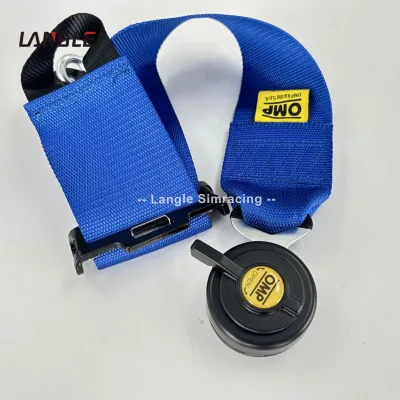
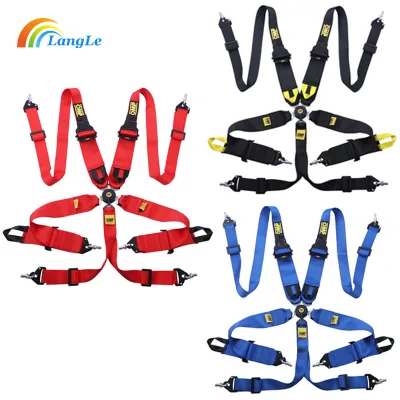
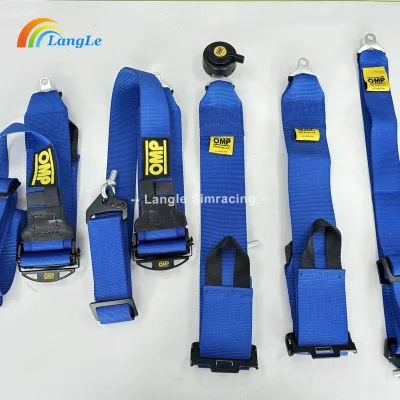
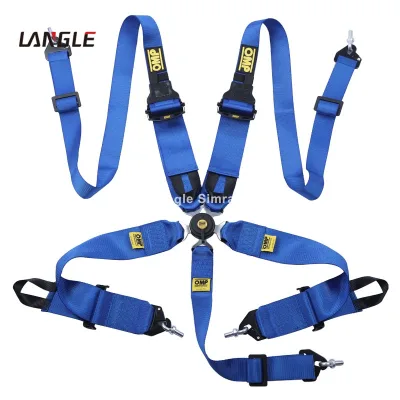
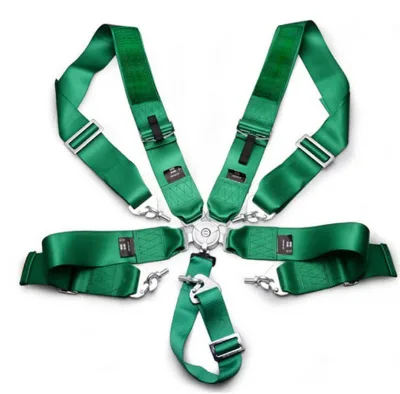
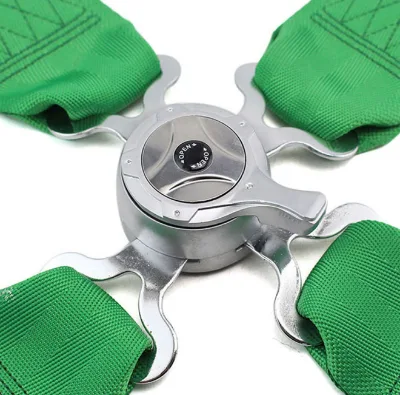
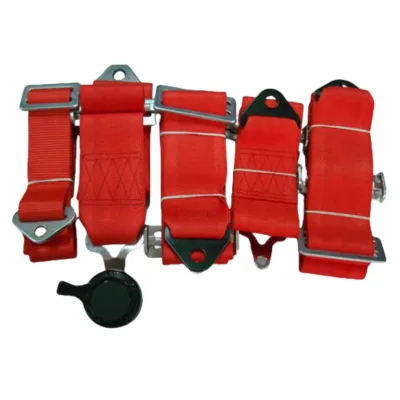
When sourcing a 5-point adjustable racing harness, buyers must first distinguish between the specific configuration requirements of their application. The core keyword implies a restraint system designed to secure the driver at five distinct points: two shoulder straps, two lap straps, and one crotch strap. This configuration is critical for high-performance environments where lateral and longitudinal forces are extreme. Based on observed market data, the primary construction material for these systems is typically a high-tenacity polyester webbing, often reinforced with steel or ABS components at the buckle and anchor points to ensure structural integrity under stress.
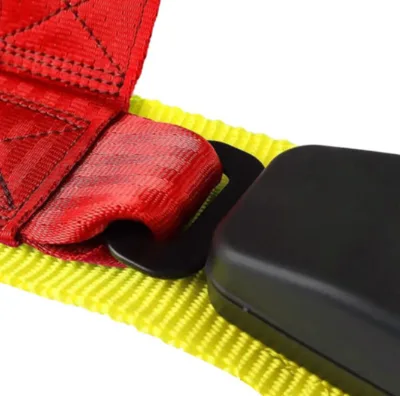
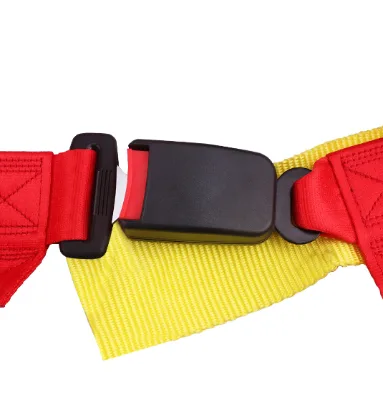
The adjustability feature is a fundamental requirement for a proper fit. The harness must allow for precise length adjustments to accommodate different driver anthropometrics while maintaining a snug fit that prevents excessive movement during cornering or braking. In the current market, specific models such as the "OR-502" and "SF-501" represent the 5-point configuration, while others like the "ECO-D" or "SPORT-3" may offer 6-point alternatives. Buyers must verify that the selected model explicitly states "5 Points" in its technical description, as 6-point systems introduce a third shoulder strap which alters the load distribution and may not be suitable for all vehicle seat geometries. The webbing width is another critical specification; standard professional racing harnesses often utilize 3-inch wide webbing to distribute G-forces across the shoulder and pelvis, reducing the risk of injury. The buckle mechanism, frequently described as a "quick release" or "cam lock" system, must operate reliably even when the driver is wearing a fire-resistant suit and helmet.
Compliance and Certification Verification
In the motorsport industry, certification is not merely a marketing feature but a non-negotiable safety prerequisite. A 5-point harness intended for competitive use must meet rigorous international standards. The most prominent certifications observed in the sector include the FIA 8853-2016 standard, which governs the design, construction, and testing of racing harnesses for professional motorsport. Additionally, the SFI 16.1 standard is a widely recognized benchmark in North American racing, ensuring the product meets specific strength and durability requirements.
Buyers must exercise extreme caution when evaluating product listings. Some products may claim to be "FIA approved" or "SFI certified," but these claims must be backed by valid documentation. The presence of an ISO 9001:2015 or ISO 9001:2008 certification indicates that the manufacturer has a quality management system in place, but it does not replace the specific safety certification of the harness itself. A harness that meets professional motorsport safety requirements must undergo rigorous testing for tensile strength, abrasion resistance, and buckle release force. When sourcing, procurement teams should request the specific test reports associated with the model number (e.g., OR-502 or SF-501) to verify that the product has passed the relevant FIA or SFI dynamic and static load tests. Relying on a harness without current, valid certification can lead to disqualification in sanctioned events and, more critically, severe safety risks for the driver.
Cost Drivers and Pricing Structure
The pricing of racing harnesses is influenced by several distinct factors, primarily the level of certification, the complexity of the buckle system, and the customization options available. The observed price range in the market spans from approximately $2.80 to $178.00 USD. This wide variance reflects the difference between basic, non-certified training equipment and fully certified, professional-grade racing harnesses. Lower-priced items in this range often lack the specific FIA or SFI certifications required for competitive racing and may be intended for track days or lower-level amateur use.
High-end models, which typically command prices at the upper end of the spectrum, incorporate advanced materials, precision-engineered quick-release buckles, and comprehensive certification documentation. The cost is also driven by the Minimum Order Quantity (MOQ). While some suppliers may offer single-item purchases with an MOQ of 1 piece, others may require bulk orders of 50 pieces or more to unlock specific pricing tiers. Customization services, such as OEM branding, custom color selection from a palette of 16 available colors, or tailored packaging, will invariably increase the unit cost. Buyers should analyze the total cost of ownership, including shipping methods (Air, Sea, or Express) and the potential for volume discounts, rather than focusing solely on the unit price. It is essential to correlate the price point with the certification status; a harness priced at the lower end of the spectrum is unlikely to meet the FIA 8853-2016 standard.
Typical Applications and Vehicle Fitment
The application of a 5-point adjustable racing harness extends beyond simple road car modification. These systems are primarily designed for professional motorsport applications, including circuit racing, drag racing, and off-road competitions. The specific model "OR-502" and similar variants are explicitly marketed for "Racing Car Seat" applications, indicating their suitability for roll-caged vehicles where the harness anchors to the chassis rather than the vehicle's original seat belt mounts.
Vehicle fitment is another critical consideration. While many harnesses are designed to be universal and fit "Other Brands" or "Other" vehicles, some models are optimized for specific makes, such as Toyota. However, the term "Universal" in this context usually means the harness can be installed in a wide variety of vehicles provided the vehicle has the necessary anchor points and a roll cage. Buyers must verify that the harness length and anchor point spacing are compatible with their specific vehicle's interior geometry. The "Quick Release" feature is particularly vital for emergency egress in the event of a crash or fire, making it a standard requirement for all racing applications. Furthermore, the harness must be compatible with the driver's safety gear, including fire-resistant suits and helmets, ensuring that the straps do not interfere with the driver's movement or the helmet's retention system.
Supplier Evaluation and Quality Control Protocols
Selecting a reliable supplier is paramount when dealing with safety-critical automotive components. Suppliers should demonstrate a robust quality control process that includes inspection points at the packing stage and final inspection before shipment. The "Q.C. Point" for many professional harnesses is listed as "Packing.Final Inspection," indicating that every unit is checked for defects before leaving the factory. Buyers should prioritize suppliers who offer OEM and ODM customization services, as this indicates a higher level of manufacturing capability and flexibility.
Geographic origin can also be a factor in supplier evaluation. Many high-quality racing harnesses originate from Taiwan, a region known for its precision manufacturing capabilities. When evaluating a supplier, buyers should verify their track record in the motorsport industry and their ability to provide consistent quality. The "Single gross weight" of the product, which can range from 2.68 kg to 3.200 kg depending on the model, serves as a proxy for the amount of material used and the robustness of the construction. A significant deviation from the expected weight range might indicate the use of inferior materials or incomplete components. Additionally, suppliers should provide clear information on their shipping capabilities, offering options for Air, Sea, or Express delivery to ensure timely receipt of goods.
Long-Term Procurement Considerations and Maintenance
Procuring racing harnesses is not a one-time transaction but part of a long-term safety management strategy. Harnesses are subject to wear and tear, UV degradation, and exposure to harsh environmental conditions. Buyers should consider the "Long Durability" and "Eco-friendly" features of the materials, which suggest a focus on longevity and reduced environmental impact. However, even the most durable harness has a finite lifespan and must be replaced according to the manufacturer's recommendations or after a specific number of years, regardless of visible wear.
Maintenance and storage are also critical. The harness should be stored in a cool, dry place away from direct sunlight to prevent the polyester webbing from degrading. Buyers should establish a protocol for regular inspections of the webbing for fraying, cuts, or discoloration, and check the buckle mechanism for smooth operation. The availability of replacement parts, such as buckles or webbing, should be confirmed with the supplier to extend the life of the system. Furthermore, the "Package" options, such as custom color box packing, can aid in organization and storage, ensuring that the harness remains in pristine condition until the next race or track day. By treating the harness as a critical safety asset rather than a mere accessory, buyers can ensure the continued safety and performance of their racing vehicles.
FAQs
What certifications do 5 points adjustable racing harnesses have?
These harnesses typically hold FIA 8853-2016 and SFI 16.1 certifications for professional motorsport safety. Some models also display ISO 9001:2015 or ISO 9001:2008 quality management standards. Buyers must verify specific test reports for the model number to ensure compliance with racing regulations.
Which materials are used for 5 points adjustable racing harnesses?
The main material is high-tenacity polyester webbing reinforced with steel or ABS components at the buckle. This construction ensures structural integrity under extreme stress. The webbing is often 3 inches wide to distribute G-forces effectively across the driver's body during high-speed maneuvers.
Can I customize the color of 5 points adjustable racing harnesses?
Yes, suppliers offer customization with 16 available colors or custom color options. This allows teams to match their vehicle livery or branding requirements. Custom packaging is also accepted, providing flexibility for branding and storage needs during transport and storage.
What is the minimum order quantity for 5 points adjustable racing harnesses?
The minimum order quantity ranges from 1 piece to 50 pieces depending on the supplier and model. Some listings require 10 pieces or 50 pieces as a standard threshold. Bulk orders may unlock specific pricing tiers or customization services not available for single-item purchases.
How are 5 points adjustable racing harnesses shipped to buyers?
Shipping methods include Air, Sea, and Express delivery options to accommodate different urgency levels. The single gross weight typically ranges from 2.68 kg to 3.200 kg per unit. Buyers should consider shipping costs and lead times when selecting the delivery method for their order.
Where are 5 points adjustable racing harnesses manufactured?
The place of origin for these harnesses is primarily Taiwan, China. This region is known for precision manufacturing capabilities in automotive safety components. Buyers should verify the specific factory location to ensure quality control standards are met for their specific order requirements.