Source 5 players rotary gacha machine for Amusement Parks, Hotels, and Clubs
Compare 30 listings for the 5 Players Rotary Gacha Machine with US Plug, featuring varied power ratings, dimensions, and customization options. Buyers can evaluate specifications like voltage, weight, and player capacity across different models to find suitable suppliers.
Key considerations
Products List


The United States Popular High Quality Coin Operated Arcade Game Machine
$975.00 - $1800.00
MOQ: 1 Pieces


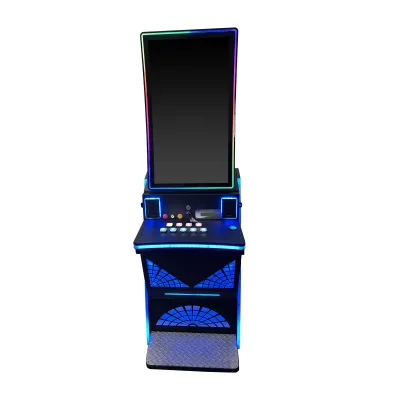


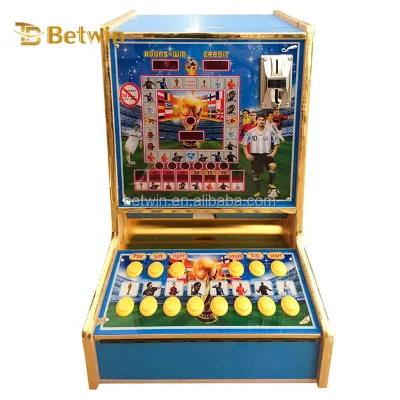


Coin-Operated Vending Arcade Game Machine Multiplayer Slot Game Machine for Arcades
$1695.00 - $1995.00
MOQ: 1 Pieces
Comprehensive Sourcing Guide
Strategic Sourcing Guide for 5-Player Rotary Gacha Machines with US Plug
Understanding the Product Category and Technical Specifications
When sourcing a rotary gacha machine designed for five players, buyers must first distinguish between the specific mechanical architecture and the electrical requirements implied by the "US plug" designation. The core functionality of a rotary gacha machine involves a rotating mechanism that dispenses prizes, often requiring precise motor control and durable structural integrity to handle continuous high-volume usage. The "5 players" specification indicates a multi-station design, which necessitates a larger footprint and a more robust power distribution system compared to single-player units.
Based on observed industry data for similar arcade and amusement equipment, the physical dimensions of such multi-player units typically range significantly. For instance, comparable large-scale arcade machines in the market have been observed with dimensions such as L61W56H120cm or even larger configurations like L150W120H190cm. A 5-player rotary unit would logically require a width and depth sufficient to accommodate five distinct player stations, likely placing it in the larger end of the size spectrum. The weight of these machines is a critical factor for logistics; while single-player units may weigh around 35kg, multi-player commercial units often exceed 150kg to 180kg to ensure stability during operation.
The electrical specification is paramount when the requirement specifies a US plug. The standard voltage for commercial arcade equipment in the United States is 120V. Buyers must verify that the machine's internal power supply unit (PSU) is rated for 120V AC to prevent immediate failure or safety hazards upon connection. Power consumption varies by model; observed data for similar arcade machines indicates power ratings ranging from 120W to 250W. A 5-player unit, with its multiple motors, lighting systems, and potentially a larger display, will likely fall toward the higher end of this range or require a custom configuration. The "US plug" requirement also implies compliance with North American electrical safety standards, which often dictates the physical shape of the connector and the internal wiring gauge.
Compliance and Certification Verification
Navigating the certification landscape is essential for importing amusement machines into the US market. While the specific product listing may not explicitly state every certification for every model, buyers must demand proof of compliance for the target market. Common certifications observed in the global arcade industry include CE (Conformité Européenne), RoHS (Restriction of Hazardous Substances), FCC (Federal Communications Commission), and CCC (China Compulsory Certification). For the US market, FCC certification is particularly critical for any device emitting radio frequency energy, such as the motors and control boards within a gacha machine.
The "US plug" requirement is not merely a physical adapter; it signifies adherence to UL (Underwriters Laboratories) or ETL safety standards, which are often required by US insurance companies and venue operators. While the supplied data mentions CE and RoHS as observed attributes for similar products, buyers cannot assume these automatically cover US safety codes. The presence of certifications like ISO (International Organization for Standardization) indicates a commitment to quality management systems, which is a positive indicator for supplier reliability.
Buyers should verify that the machine's electrical components, including the power cord and plug, are certified for 120V operation. The absence of a specific "UL" label in the product description does not disqualify a machine, but it requires the buyer to request third-party test reports confirming that the final assembly meets US safety requirements. Additionally, if the machine includes a video display or digital interface, FCC compliance is mandatory to prevent electromagnetic interference with other venue equipment.
Cost Drivers and Pricing Structure Analysis
The pricing of a 5-player rotary gacha machine is influenced by several distinct factors, including the complexity of the rotary mechanism, the quality of the display, and the level of customization. The observed price range for similar arcade equipment spans from $120 to $38,510, indicating a vast disparity based on features and build quality. A basic single-player unit might sit at the lower end, whereas a fully automated, 5-player commercial unit with advanced lighting, sound systems, and a large curved display will command a premium price.
Customization is a significant cost driver. The data indicates that "Customized" options and "Customization" availability are standard attributes for these machines. Buyers seeking specific branding, custom graphics, or unique mechanical configurations should anticipate higher costs. The packaging method also affects the final landed cost; while some units use standard cartons, heavy commercial machines often require "Wooden Case Packaging" or "Plywood Case" to prevent damage during international shipping. These specialized packaging solutions add to the overall expense but are necessary for protecting the machine's structural integrity.
Furthermore, the "Condition" of the machine is a key price determinant. The market data specifies "New" as the standard condition for these listings. Buyers should be wary of refurbished units unless explicitly stated, as the mechanical wear on a rotary gacha mechanism can lead to frequent maintenance issues. The inclusion of advanced features, such as a "43" Curved Vertical Screen" or "Touch" interface options, will also push the price toward the higher end of the observed spectrum.
Typical Applications and Operational Environments
The versatility of a 5-player rotary gacha machine makes it suitable for a wide range of commercial environments. The observed usage categories for similar arcade equipment include "Amusement," "Hotel," and "Club." These venues require machines that can withstand high traffic and provide an engaging experience for a diverse demographic. The age range for such machines is typically broad, with data suggesting suitability for users aged 15-50 years old or even 18-99 years old, depending on the specific game mechanics and prize value.
In amusement parks and family entertainment centers, the 5-player configuration allows for social interaction, making it a popular choice for group activities. The machine's ability to support multiple players simultaneously increases throughput and revenue potential. In hotel lobbies or casino clubs, the machine serves as an entertainment amenity, often requiring a more premium aesthetic and robust construction to match the venue's standards. The "Coin Capacity" of such machines can be substantial, with some models supporting "Up to tens of thousands of coins," ensuring they can operate for extended periods without frequent refilling.
The "Version" of the machine, whether "Standalone" or "Linked," also dictates its application. Standalone units are ideal for locations where network integration is not required, while linked versions allow for centralized management of prizes and revenue across multiple machines. The language support, such as "Spanish/English," is crucial for venues in the United States to ensure accessibility for a broad customer base.
Supplier Evaluation and Procurement Logistics
Evaluating a supplier for a 5-player rotary gacha machine requires a focus on their manufacturing capabilities and logistical reliability. The "prod_origin" for these machines is predominantly "China," with specific hubs like "Guangzhou China" noted in the data. Buyers should verify the supplier's ability to handle the specific "US plug" requirement, as this often involves modifying the internal wiring and external connectors to meet North American standards.
The "Lead Time" is a critical logistical factor. Observed data indicates a lead time of approximately "10 Days" for some models, but this can vary significantly based on customization needs and production volume. Buyers must clarify whether this lead time includes the manufacturing of the custom components or just the standard assembly. The "MOQ" (Minimum Order Quantity) for these machines ranges from 1 to 10 units, offering flexibility for small businesses or larger operators looking to equip multiple venues.
When evaluating suppliers, buyers should request detailed information on the "prod_packing" method. For heavy machines weighing up to 180kg, "Wooden Case Packaging" is often necessary to prevent damage during transit. The supplier's ability to provide a "Cartons / Wooden Case" option depending on the order size is a sign of logistical maturity. Additionally, the "Condition" of the machine should be confirmed as "New" to ensure the buyer receives a fully functional unit with a full warranty.
Quality Control and Long-Term Maintenance
Quality control for rotary gacha machines involves rigorous testing of the mechanical rotation, the coin detection system, and the electrical safety. The "Material" of the machine, often "Metal" or "Metal+Acrylic," is a key indicator of durability. Buyers should inspect the quality of the metal frame to ensure it can support the weight of the machine and the stress of continuous operation. The "Currency Detection" system must be reliable, supporting "Multiple Currencies" to accommodate different payment methods in various locations.
Long-term maintenance considerations include the availability of spare parts and the ease of access to internal components. The "prod_standard" for these machines often involves specific dimensions and material grades, such as "L61W56H120cm" or "Metal+Acrylic." Buyers should verify that the supplier offers a warranty period and has a clear protocol for handling mechanical failures. The "Percentage" of operational efficiency, observed in some data as "80%-99.5%," suggests that high-quality machines should maintain a high uptime rate.
For a 5-player unit, the complexity of the control system increases, making the "Version" and "Language" settings important for long-term usability. Buyers should ensure that the software can be updated remotely or via a simple interface to adapt to changing game rules or prize configurations. The "Video Output" capabilities, such as "VGA/HD-Mi/Dp," should be compatible with the venue's existing display infrastructure to avoid additional costs for adapters or upgrades.
Final Procurement Considerations and Verification Steps
Before finalizing the purchase of a 5-player rotary gacha machine with a US plug, buyers must conduct a comprehensive verification of all technical and compliance requirements. The "Product Name" and "prod_model" should be clearly defined to avoid confusion with similar but incompatible units. For example, models like "Naughty Tiger" or "Cosmic Code machine" may have different specifications that do not align with the 5-player requirement.
Buyers should explicitly confirm the "Voltage" is 120V and that the "Plug" type matches the US standard. The "Power" rating should be sufficient to handle the load of five simultaneous players without tripping circuit breakers. The "Weight" of the machine must be considered for floor loading capacity in the intended venue. Finally, the "Usage" category should align with the buyer's business model, whether it is for a high-traffic amusement park or a more exclusive club setting.
By systematically addressing these technical, compliance, and logistical factors, buyers can secure a high-quality 5-player rotary gacha machine that meets their operational needs and adheres to all necessary safety standards. The combination of robust construction, verified certifications, and reliable supplier support ensures a successful procurement outcome for this specialized arcade equipment.
FAQs
What voltage does the 5 players rotary gacha machine require for US plug compatibility?
The machine requires 120V voltage to ensure safe operation with a US plug. This specification aligns with standard North American electrical codes for commercial arcade equipment, preventing immediate failure upon connection.
Which certifications are typically available for these amusement machines?
Common certifications include CE, RoHS, FCC, ISO, and CCC. Buyers should verify FCC compliance specifically for the US market to ensure electromagnetic safety and regulatory adherence for devices emitting radio frequency energy.
How much does a customized 5 player rotary gacha machine weigh?
Weight varies by model, with observed commercial units ranging from 35kg to 180kg. Larger multi-player configurations often exceed 150kg to ensure structural stability during continuous high-volume usage in venues.
Can the machine support multiple currencies for international venues?
Yes, the currency detection system supports multiple currencies. This feature allows the machine to operate flexibly in diverse locations without requiring immediate hardware modifications for different payment methods.
What is the typical lead time for manufacturing these arcade machines?
The lead time is approximately 10 days for standard models. This duration may extend if the order includes significant customization or requires specific packaging solutions like wooden cases for heavy units.
Which packaging methods are used for shipping heavy commercial units?
Heavy units typically use wooden case packaging or plywood cases. This robust method protects the machine's structural integrity during international transit, especially for items weighing over 150kg.
What is the minimum order quantity for sourcing these rotary machines?
The minimum order quantity ranges from 1 to 10 units. This flexibility allows small businesses to purchase single units while larger operators can equip multiple venues with bulk orders.
Which age groups are suitable for using these amusement machines?
These machines are suitable for users aged 15 to 50 years old or 18 to 99 years old. The broad age range ensures accessibility for diverse demographics in family entertainment centers and clubs.