Source 500-1000celsius temperature resistant mica board for Heating, Irons, Kilns
Find 30 listings for 500-1000celsius temperature resistant mica board suitable for heating elements, clothes irons, and industrial kilns. Compare specifications like thermal conductivity, dielectric strength, and custom sizes from verified Chinese manufacturers.
Key considerations
Products List


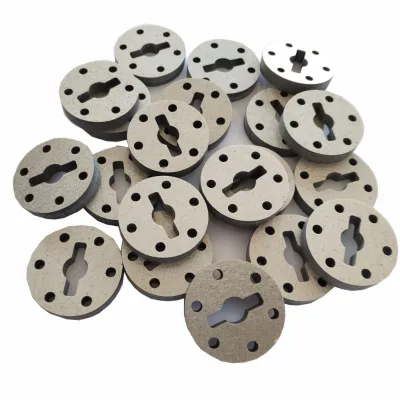


Durable Mica Sheet for Superior Thermal Insulation Solutions Mica Plate
$0.38 - $0.45
MOQ: 1000 Pieces

High-Performance Mica Board for Thermal Insulation and Fire Safety
$4.50 - $5.00
MOQ: 1000 Square Meters


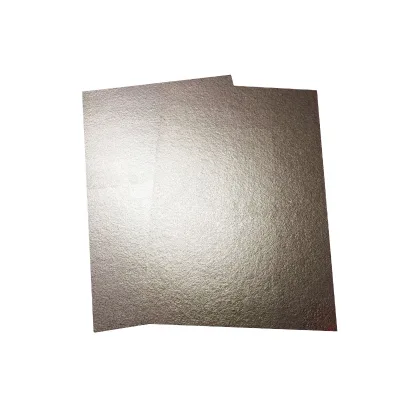
clear mica sheets electrical insulation mica board Heating insulator mica board
$1.22 - $1.52
MOQ: 500 Minimum

Comprehensive Sourcing Guide
Strategic Sourcing Guide for 500-1000°C Temperature Resistant Mica Boards
Understanding the Technical Profile of High-Temperature Mica Boards
When sourcing a 500-1000°C temperature resistant mica board, buyers must first distinguish between the specific material properties that define performance in this thermal range. The core material in question is typically phlogopite rigid mica, which offers exceptional thermal stability and electrical insulation. Based on observed product data, these boards are characterized by a maximum operating temperature of 500°C in specific configurations, while other high-performance variants in the market are designed for environments reaching up to 1000°C or higher, often utilizing refractory properties where the refractoriness is noted to be between 1770°C and specific usage limits for industrial kilns and glass manufacturing.
The physical density of these boards is a critical metric for procurement. Observed specifications indicate a maximum density of 9g/Cm2 for certain rigid forms, while other insulation-focused variants may have a volume density ranging from 0.4 to 0.6g/cm3. This variance suggests that buyers must clarify whether the application requires a dense, high-strength structural plate or a lighter, highly insulating sheet. The tensile strength is another vital parameter, with observed values reaching 150 MPa for rigid plates and flexural strengths of ≥16 kgf/mm2 for specific models. These mechanical properties ensure the board can withstand the thermal expansion and contraction cycles inherent in high-temperature environments without fracturing.
Thermal conductivity is equally important for energy efficiency. Data indicates that certain insulation-grade mica boards possess a thermal conductivity of 0.028 W/(M·K), which is exceptionally low and suitable for applications requiring minimal heat transfer. However, for applications where the board itself acts as a heating element or a structural component in direct contact with high heat, the thermal resistance and dielectric strength become the primary focus. The rated voltage for these materials is observed to be as high as 25kV/mm, with dielectric strength exceeding 18KV/mm in other models, ensuring reliable electrical isolation even under extreme thermal stress.
Compliance, Certification, and Safety Standards
Navigating the regulatory landscape is essential for B2B procurement, particularly when dealing with materials used in industrial heating, aerospace, or chemical processing. The primary certification observed for these products includes CE and ISO standards, which are critical for market access in Europe and international trade. Buyers should verify that the specific batch of mica boards carries valid CE marking and ISO certification, as these indicate adherence to safety and quality management systems.
Combustion performance is a non-negotiable aspect of safety compliance. The observed data lists a combustion performance level of Lv.B1, which denotes a material that is difficult to ignite and has limited flame spread. This classification is vital for applications involving interior wall insulation, underfloor heating, or any scenario where fire safety codes are stringent. For applications in steel smelting, petroleum refining, or chemical industries, the material must also demonstrate high refractoriness, with some specifications noting a refractoriness range of 1770°C, ensuring the board does not degrade or melt under extreme industrial heat.
Furthermore, the crystalline phase of the mica board, often identified as Corundum or Mullite in high-temperature variants, influences its chemical stability. Buyers must ensure that the supplier can provide documentation confirming the crystalline phase and the absence of hazardous substances, especially if the product is intended for environmental protection equipment or food processing machinery. The storage requirements, which specify a dry place at room temperature, also imply that the material's integrity can be compromised by moisture, necessitating proper packaging and handling protocols to maintain compliance with safety standards throughout the supply chain.
Cost Drivers and Pricing Dynamics
The pricing of 500-1000°C temperature resistant mica boards is influenced by a complex interplay of material purity, thickness, customization, and order volume. The observed price range in the market spans from $0.05 to $80 per unit, a wide spectrum that reflects the diversity of product specifications. The lower end of this range typically corresponds to standard, off-the-shelf sheets with minimal customization, while the higher end accounts for custom-sized plates, high-density formulations, or those with specialized certifications.
Customization is a significant cost driver. The availability of custom shapes and sizes, including models ranging from 0.1mm to 100mm in thickness and dimensions like 1800mm600mm10-150mm, allows buyers to tailor the product to their specific machinery. However, this flexibility often incurs additional tooling and setup costs. The Minimum Order Quantity (MOQ) also plays a pivotal role in unit pricing. Observed MOQs range from 1 piece for samples to 1000 pieces for bulk orders. Suppliers offering a "Sample Supplied" option allow buyers to test the material before committing to large volumes, but this may result in a higher per-unit cost compared to full container load (FCL) orders.
Supply ability and logistics further impact the final cost. With a reported supply ability of 1,000,000 pieces per day, suppliers with high capacity can offer more competitive pricing for large orders. However, the origin of the product, often listed as China or specific provinces like Hunan and Guangdong, affects shipping costs and lead times. The packaging details, which include carton boxes, wooden cases, or full container load packing, also contribute to the overall cost structure. Buyers should request a detailed breakdown of costs, including material, processing, packaging, and logistics, to understand the true cost drivers and negotiate effectively.
Typical Applications and Performance Scenarios
The versatility of 500-1000°C temperature resistant mica boards makes them suitable for a wide array of industrial applications. One of the primary use cases is in heating elements, where the material's high dielectric strength and thermal stability are leveraged to create efficient and safe heating components. These boards are commonly found in clothes irons and presses, where consistent heat distribution and electrical insulation are critical for performance and safety.
In the construction sector, these boards serve as insulation materials for underfloor heating, interior and exterior wall insulation, and balcony insulation. The low thermal conductivity of 0.028 W/(M·K) ensures that heat is retained within the desired area, improving energy efficiency. The UV-protected feature of some variants makes them suitable for external applications where exposure to sunlight is a concern. Additionally, the material's ability to withstand high temperatures makes it ideal for use in industrial kilns, glass manufacturing, and ceramic production, where it acts as a refractory lining or insulating barrier.
Other specialized applications include the protection of CPUs and other electric products, where the board provides a thermal barrier to prevent overheating. In the aerospace and chemical industries, the material's high refractoriness and chemical resistance are essential for maintaining safety and performance in extreme environments. The specific application scenarios, such as steel smelting and petroleum refining, require boards that can withstand not only high temperatures but also harsh chemical environments. Buyers must match the specific thermal and mechanical properties of the mica board to the demands of their application to ensure optimal performance and longevity.
Supplier Evaluation and Quality Control Protocols
Selecting the right supplier is a critical step in the procurement process. Buyers should evaluate suppliers based on their production capacity, quality control measures, and ability to meet customization requirements. The observed supply ability of 1,000,000 pieces per day indicates a high-capacity manufacturer capable of handling large orders. However, buyers should also verify the supplier's track record in delivering consistent quality, particularly regarding the tensile strength, density, and thermal conductivity specifications.
Quality control protocols should include rigorous testing of the material's physical and thermal properties. Buyers should request test reports that verify the dielectric strength, refractoriness, and combustion performance of the mica boards. The presence of certifications like CE and ISO is a strong indicator of a supplier's commitment to quality. Additionally, the supplier's ability to provide samples for testing is a valuable service that allows buyers to validate the product's performance before placing a large order.
The packaging and shipping methods are also important aspects of supplier evaluation. The observed packaging details, including carton boxes, wooden cases, and full container load packing, suggest that suppliers have established logistics channels. Buyers should ensure that the packaging is robust enough to protect the brittle mica boards during transit, especially for long-distance shipments. The port of dispatch, often listed as Shunde, Guangzhou, or Shenzhen, indicates the logistical hubs used by the suppliers, which can impact lead times and shipping costs.
Long-Term Procurement Considerations and Strategic Sourcing
For long-term procurement, buyers should consider the total cost of ownership, which includes not only the purchase price but also the maintenance, replacement, and operational costs associated with the mica boards. The high thermal stability and durability of these materials can lead to significant savings over time by reducing energy consumption and minimizing downtime due to equipment failure. However, buyers must also consider the potential for supply chain disruptions and the need for a reliable supplier base.
Strategic sourcing involves building a relationship with suppliers who can provide consistent quality and support. This includes negotiating favorable terms for customization, volume discounts, and lead times. The availability of customization options, such as custom shapes and sizes, allows buyers to optimize their designs and improve the efficiency of their equipment. Buyers should also consider the environmental impact of their procurement decisions, looking for suppliers who adhere to sustainable practices and offer eco-friendly packaging options.
Finally, buyers should stay informed about market trends and technological advancements in the mica board industry. As new materials and manufacturing techniques emerge, the performance and cost of mica boards may change. By maintaining a proactive approach to sourcing and continuously evaluating supplier performance, buyers can ensure that they have access to the best products for their specific needs, ultimately driving efficiency and competitiveness in their operations.
FAQs
What is the maximum operating temperature for these mica boards?
The maximum operating temperature is 500°C for specific configurations, while other high-performance variants reach up to 1000°C or higher. Some models feature refractoriness between 1770°C and specific usage limits for industrial kilns.
Which certifications are available for these temperature resistant boards?
These products typically carry CE and ISO certifications to ensure compliance with international safety standards. Buyers should verify that specific batches include valid CE marking and ISO certification for market access.
Can I order custom shapes and sizes for this mica plate?
Yes, customization is available for both shape and size, including thicknesses from 0.1mm to 100mm. Specific models offer dimensions like 1800mm by 600mm with thickness ranging from 10mm to 150mm.
What is the minimum order quantity for bulk purchases?
The minimum order quantity ranges from 1 piece for samples to 1000 pieces for bulk orders. Suppliers often offer sample supplies to allow testing before committing to larger volume purchases.
How does the thermal conductivity affect insulation performance?
The thermal conductivity is 0.028 W/(M·K), which is exceptionally low for effective heat retention. This property ensures minimal heat transfer, making the boards suitable for underfloor and wall insulation applications.
Where are these mica boards manufactured and shipped from?
The products originate from China, specifically from provinces like Hunan and Guangdong. The ports of dispatch include Shunde, Guangzhou, and Shenzhen for efficient logistics distribution.