Source 50-70kwh electric car for Urban Commuting, Delivery, and Tourism
Explore 30 listings for the 50-70kwh electric car designed for urban commuting, logistics delivery, and tourist transport. Buyers can compare battery voltage, seating capacity, and braking systems across multiple suppliers in China.
Key considerations
Products List

$1700.00 - $1800.00
MOQ: 1 Pieces


SUV Electric Carelectric Car Electric Car SUV Electric Car Low Speed Cars
$4080.00 - $4300.00
MOQ: 4 Pieces


Electric-Car Electric Automobile Car Electric Delivery Car Electric Vehicles Car
$34900.00 - $35500.00
MOQ: 1 Pieces


Electric Vehicles Car High Speed Electric Cars EV Car SUV Electric Car
$29300.00 - $29500.00
MOQ: 1 Pieces

EV Car Cheap Electric Vehicles Electric Automobile Car Electric Motors Vehicles
$30700.00 - $31300.00
MOQ: 1 Pieces

Electric Automobile Car EV Car SUV Electric Car Electric Vehicles Car
$29300.00 - $29500.00
MOQ: 1 Pieces


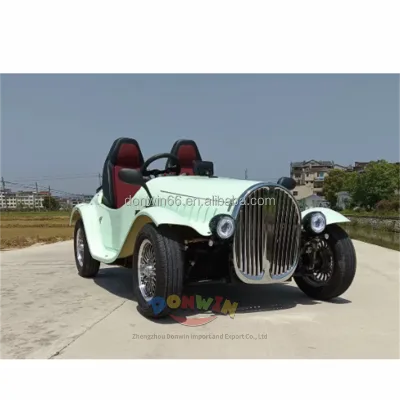
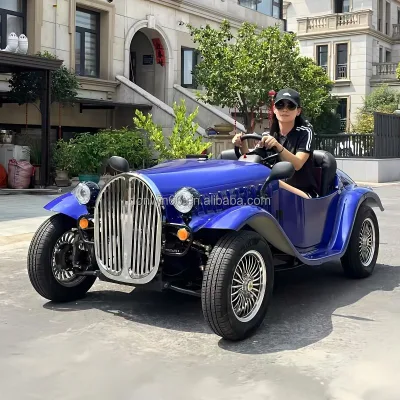


Energy Electric Vehicle Motors Car Automobile Cars Made in China Car SUV Electric
$12000.00 - $20000.00
MOQ: 1 Sets
Comprehensive Sourcing Guide
Sourcing Strategy for High-Capacity Electric Passenger Vehicles
The procurement landscape for electric passenger vehicles with energy capacities in the 50-70kWh range requires a disciplined approach that distinguishes between high-voltage battery systems and the specific vehicle configurations currently available in the supply chain. While the core keyword suggests a focus on modern, long-range battery electric vehicles (BEVs), the available market data reveals a diverse array of offerings, including low-speed electric cars, multi-wheel configurations, and vehicles with varying voltage architectures. Buyers must navigate these distinctions carefully to ensure that the selected procurement strategy aligns with actual product capabilities rather than assumed specifications. The following guide outlines the critical factors for sourcing these vehicles, focusing on technical verification, compliance, and supply chain reliability based on observed market data.
Technical Architecture and Powertrain Verification
When evaluating vehicles in the 50-70kWh category, the primary technical differentiator is the voltage architecture and battery chemistry. The observed market data indicates a prevalence of 60V and 72V systems, which are typically associated with lower-speed electric vehicles or specific commercial applications rather than high-capacity passenger EVs designed for long-distance travel. A 60V system is noted in several product profiles, while 72V systems are also present, often paired with power outputs exceeding 800W or reaching 1200W. Buyers must verify that the advertised energy capacity correlates with the voltage and current specifications provided by the supplier.
The driving type is consistently listed as "Adult," and the usage is designated for "Passenger" transport. However, the body types vary significantly, ranging from closed configurations to open structures with steel frames. The engine power observed in the data includes specific ratings such as 1200W and general categories exceeding 800W. It is crucial to understand that a 1200W motor, while suitable for low-speed urban mobility, may not meet the performance expectations of a high-capacity 50-70kWh vehicle intended for highway speeds. Buyers should request detailed powertrain schematics to confirm whether the vehicle utilizes a high-voltage battery pack capable of delivering sustained power or if the system is optimized for short-range, low-speed operations.
Furthermore, the braking systems observed include hydraulic disc brakes, which are essential for safety in heavier vehicles. The wheel base dimensions in the data range from over 1110mm to specific measurements like 2455mm, indicating a wide variance in vehicle size and stability. A vehicle with a wheelbase of 2455mm and a width of 1517mm suggests a more substantial passenger car, whereas smaller dimensions may indicate a micro-vehicle. Procurement teams must cross-reference the physical dimensions with the energy capacity to ensure the vehicle is not underpowered for its size.
Compliance and Certification Standards
Navigating the regulatory landscape is paramount when sourcing electric vehicles. The observed data highlights a mix of certifications, including CCC (China Compulsory Certification), CE (Conformité Européenne), EEC (European Economic Community), and ISO9001. The presence of CCC and CE certifications suggests that certain models are designed for markets requiring strict safety and emission standards. However, the data also lists standards such as CQC and specific product standards like "230011201600" or "3027 x 1517 x 1620," which likely refer to dimensional specifications rather than safety compliance codes.
Buyers must verify that the specific model they intend to purchase holds the necessary certifications for their target market. For instance, a vehicle marketed with CCC and ISO9001 certificates may be suitable for domestic Chinese markets or regions accepting Chinese standards, but it may require additional testing for European or North American entry. The "EEC" certification is particularly relevant for vehicles intended for the European market, as it indicates compliance with European type-approval regulations. It is essential to request valid, up-to-date certification documents rather than relying on general claims. The absence of specific safety standards like UN regulations in the provided data necessitates a rigorous due diligence process where buyers explicitly ask for the test reports corresponding to the claimed certifications.
Cost Drivers and Pricing Structures
The pricing for electric vehicles in this segment is influenced by several factors, including battery technology, customization options, and packaging requirements. The observed price range spans from $1 to $36,100, a vast disparity that reflects the difference between basic micro-vehicles and more complex, fully equipped passenger cars. The lower end of the spectrum likely corresponds to simple, low-speed vehicles with basic lead-acid batteries, while the higher end may include models with advanced battery management systems and higher power outputs.
The minimum order quantity (MOQ) varies significantly, ranging from 1 unit to 12,000 units. This flexibility allows buyers to test the market with small orders or commit to large-scale procurement for fleet operations. The packaging method is another cost driver; options include iron frame packages, steel frames, and export cartons. Vehicles shipped as CBU (Completely Built Unit) may incur higher shipping costs compared to those shipped in knock-down (CKD) or semi-knock-down (SKD) formats, although the data specifically notes CBU for certain models.
Customization is a significant factor in pricing. The data confirms that customization is available, with color options including white, black, blue, and red, as well as the ability to customize colors. OEM (Original Equipment Manufacturer) services are accepted, allowing buyers to brand the vehicles. However, each customization request, from color changes to structural modifications, will impact the final unit cost and potentially the lead time. Buyers should obtain detailed quotes that break down the costs of standard configurations versus customized features to understand the true cost drivers.
Typical Applications and Operational Use Cases
The applications for these vehicles are diverse, ranging from low-speed urban transport to specific commercial uses. The "Usage" is listed as "Passenger," and the "Driving Type" is "Adult," indicating that these vehicles are designed for personal or small-group transport. The "Seat No." varies, with some models listed as BEV (Battery Electric Vehicle) and others as PHEV (Plug-in Hybrid Electric Vehicle), although the latter is less common in the observed low-speed segment. The operation methods include handlebar or steering controls, suggesting a range of vehicle types from three-wheeled configurations to four-wheeled cars.
The "Feature" description of "Smart & Easy Driving" implies the inclusion of modern conveniences, though the specific technologies are not detailed in the data. The "Max Speed" observed is 30km/h, which is typical for low-speed electric vehicles (LSEVs) intended for short-distance travel in controlled environments like gated communities, university campuses, or industrial parks. For buyers seeking vehicles for public road use, a 30km/h speed limit may be insufficient, and they must verify if the vehicle can be upgraded or if a different model is required for higher-speed applications.
The "40hq" capacity of 10PCS indicates that these vehicles are relatively large, requiring significant container space. This logistical detail is crucial for buyers planning international shipments, as it affects the total shipping cost per unit. The "Product Origin" is primarily Fujian and Taizhou, China, which are known manufacturing hubs for electric vehicles. Understanding the regional capabilities of these suppliers can help buyers assess the supply chain resilience and the potential for localized support.
Supplier Evaluation and Operational Due Diligence
Evaluating suppliers requires a focus on their ability to deliver consistent quality and meet the specific technical requirements of the buyer. The data shows that suppliers offer OEM services and accept T/T (Telegraphic Transfer) payments, which are standard practices in the industry. However, the lack of specific lead times in the provided data necessitates direct communication with suppliers to establish realistic delivery schedules. Buyers should inquire about the production cycle for customized orders, as these often take longer than standard configurations.
The "Product Packing" options, such as steel frames and export cartons, indicate a focus on protecting the vehicle during transit. Buyers should verify the durability of the packaging to ensure that the vehicles arrive without damage. Additionally, the "Standard" specifications, such as the dimensions provided, should be used to verify that the supplier's production lines can consistently meet these tolerances. A supplier that can provide detailed technical drawings and quality control reports is preferable to one that only provides general descriptions.
Quality Control and Long-Term Procurement Considerations
Quality control is critical for electric vehicles, particularly regarding battery safety and structural integrity. The observed "Battery" type is Lead-Acid, which is a mature technology but may not offer the energy density or longevity of lithium-ion batteries found in higher-end 50-70kWh vehicles. Buyers must clarify the battery chemistry to ensure it meets their performance expectations. The "Braking Method" of hydraulic disc brakes is a positive indicator of safety, but buyers should request test results for braking performance under various conditions.
Long-term procurement considerations include the availability of spare parts and after-sales support. The "Customization" and "OEM" capabilities suggest that suppliers are willing to work with buyers on specific needs, but this also means that standard parts may not be universally compatible. Buyers should establish a clear agreement on the supply of spare parts and the warranty terms before finalizing any contract. The "Certification" status should be reviewed annually to ensure continued compliance with changing regulations.
Comparative Analysis of Vehicle Specifications
To assist in decision-making, the following table summarizes the key specifications observed in the market data. This comparison highlights the variance in voltage, power, and dimensions, which are critical for selecting the right vehicle for specific applications.
| Specification | Model A (DABEN) | Model B (BAWANG) | Model C (x3) | Model D (JT03) |
|---|---|---|---|---|
| Voltage | 60V | 72V | N/A | 72V |
| Engine Power | 1200W | >800W | N/A | N/A |
| Max Speed | 30km/H | N/A | N/A | N/A |
| Battery Type | Lead-Acid | N/A | N/A | N/A |
| Wheel Base | >1110mm | N/A | N/A | 2455mm |
| Dimensions | 230011201600 | N/A | N/A | 3027 x 1517 x 1620 |
| Certification | CCC, CE | N/A | CCC, ISO9001 | CCC, CQC |
| Packing | Iron Frame | Steel | Steel Frame | CBU |
| Origin | Fujian, China | Taizhou | China | China |
This table illustrates that while some models share similar voltage and power ratings, their physical dimensions and certification levels vary significantly. Buyers must carefully match these specifications to their operational requirements. For instance, a buyer requiring a vehicle with a wheelbase of over 2400mm would need to select Model D, whereas a buyer prioritizing a compact design might consider Model A. The diversity in certifications also underscores the need for thorough verification to ensure compliance with local regulations.
In conclusion, sourcing electric vehicles in the 50-70kWh range requires a nuanced understanding of the available market data. By focusing on technical verification, compliance checks, and supplier evaluation, buyers can make informed decisions that align with their specific needs. The observed data provides a solid foundation for this process, but continuous due diligence is essential to navigate the complexities of the global electric vehicle market.
FAQs
What voltage systems are available for these electric cars?
Available voltage systems include 60V and 72V configurations. These lower voltage architectures typically support lead-acid batteries and are suited for low-speed passenger transport rather than high-capacity long-range applications.
Which certifications do the electric passenger vehicles hold?
Common certifications include CCC, CE, EEC, and ISO9001. Buyers must verify specific model compliance for their target market, as standards like CQC or dimensional codes may not guarantee international roadworthiness.
Can I customize the color and body type of the vehicle?
Customization is available for colors such as white, black, blue, and red. The body type is typically closed, but OEM services allow for structural modifications and branding to meet specific buyer requirements.
What is the maximum speed of these low-speed electric cars?
The observed maximum speed is 30km/h for many models. This speed is typical for controlled environments like campuses or industrial parks and may be insufficient for public highway travel without specific upgrades.
How many units can be shipped in a 40ft container?
A 40ft high cube container typically holds 10 pieces of these vehicles. This capacity depends on the specific vehicle dimensions, such as the 3027 x 1517 x 1620mm model, affecting total shipping logistics.
What battery types are used in these electric passenger vehicles?
Lead-acid batteries are the standard type observed in the current supply data. Buyers seeking high-capacity 50-70kWh systems must verify if the supplier offers alternative chemistry or higher voltage architectures beyond the standard 60V or 72V.