Find 7000 Series Aluminum Window Profile for Villa, Transport, Decoration
Source 30 listings for 7000 Series Aluminum Window Profile suitable for villa, transport, and decoration applications. Buyers can compare customization options, surface finishes, and delivery times from verified suppliers in China.
Key considerations
Products List


Aluminum Profile for Doors and Windows Frame Profile Window with Best Price
$3000.00 - $3500.00
MOQ: 500 kg

Extrusion Custom Quality Aluminum Profile for Aluminium Window and Door
$3000.00 - $3500.00
MOQ: 500 kg


High Quality Aluminum Window Profile Suppliers Aluminum Section Profiles
$3000.00 - $3500.00
MOQ: 500 kg

High Quality Aluminum Profile for Doors and Windows, Door Profiles Aluminum
$3000.00 - $3500.00
MOQ: 500 kg
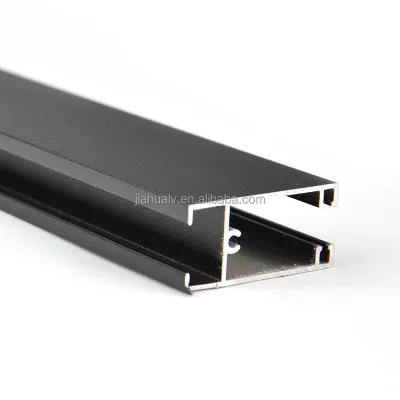


Aluminium Profiles of Window and Door 6000 Series Anodized/Powder Coated Profile Aluminum
$3100.00 - $3300.00
MOQ: 25 Tons


High-Quality Custom Aluminum Window Profiles for Long-Lasting Performance
$3500.00 - $4500.00
MOQ: 5 Tons


Comprehensive Sourcing Guide
Strategic Sourcing Guide for 7000 Series Aluminum Window Profiles
Understanding the Alloy Series and Market Reality
When sourcing aluminum profiles for window and door applications, the distinction between alloy series is critical for performance, cost, and structural integrity. The core keyword "7000 Series Aluminum Window Profile" often triggers a search for high-strength alloys, typically based on zinc. However, a rigorous analysis of the available supply chain data reveals a significant discrepancy between this specific search term and the dominant market offerings for standard architectural applications. The provided product facts consistently highlight the 6000 Series (specifically grades 6063 and 6061) as the primary material for window and door aluminum profiles. These alloys are renowned for their excellent extrudability, corrosion resistance, and moderate strength, making them the industry standard for residential and commercial fenestration.
Buyers searching for 7000 series profiles must first verify if the supplier actually stocks this specific high-strength alloy for window applications. While 7000 series alloys exist and offer superior tensile strength, they are less common in standard window extrusions due to lower corrosion resistance and higher processing costs compared to the 6000 series. The observed market data indicates that the majority of available profiles, including those labeled as "Window & Door Aluminium Profile," are explicitly defined as Alloying Ingredient: Grade: 6000 Series. If a buyer's project requires the specific mechanical properties of a 7000 series alloy, they must confirm that the supplier can source or extrude this specific grade, as the default inventory appears to be heavily skewed toward 6063 and 6061. Misidentifying the series can lead to procurement of profiles that are either over-engineered for the application or, conversely, lack the necessary structural integrity if the buyer assumes 7000 series properties from a 6000 series product.
Technical Specifications and Geometric Capabilities
The technical feasibility of sourcing aluminum profiles relies heavily on understanding the available temper, shape, and dimensional tolerances. The supply chain data indicates a robust range of Temper options, specifically T3-T8, which covers a broad spectrum of hardness and workability. For window applications, the T5 temper is frequently cited (e.g., model 6063-T5-01), offering a good balance of strength and formability. However, the availability of T3 through T8 suggests that suppliers can accommodate specialized structural requirements that might necessitate the higher strength of the T6 or T8 tempers, which are more common in the 7000 series.
Geometric customization is a primary driver in this market. The observed product attributes list Shape as both Square and Customized Shape, indicating that extrusion dies can be tailored to complex cross-sections. The Size specification confirms that lengths are available from 1m to 8m, providing flexibility for long-span window installations without the need for splicing. Furthermore, the Tolerance is noted as ±1%, a critical metric for ensuring that profiles fit together seamlessly in large curtain wall systems or high-precision window assemblies.
The Processing Service capabilities further expand the technical scope. Suppliers offer Bending, Welding, Punching, and Cutting services. This is essential for transforming raw extruded profiles into finished window frames. For instance, the Aluminum Window Profile attributes mention Soudproof (likely a typo for Soundproof) and Folding capabilities, suggesting that the profiles are designed for complex assembly methods. The Application is explicitly listed as Door & Window, confirming the intended use case. Buyers must ensure that the specific 7000 series profile they require can be processed using these standard services, as high-strength alloys can sometimes present challenges during bending or welding compared to the more malleable 6000 series.
Surface Finishing and Aesthetic Options
The longevity and aesthetic appeal of aluminum window profiles are largely determined by the surface finishing process. The data presents a diverse array of finishing options, including Anodic Oxidation, Powder Coating, Powder Spraying, and Mill Finish. The Surface attribute specifically lists Sliver Anodized (Silver), White, Black, Champagne, and Brown as available colors. This variety allows buyers to match profiles to specific architectural styles, from modern minimalist designs to traditional villa aesthetics.
For buyers seeking 7000 series profiles, the choice of surface finish is particularly important. While the 6000 series responds exceptionally well to anodizing, the 7000 series may require specific pretreatment to ensure adhesion and corrosion resistance. The observed Surface Finishing options include Chemical Polishing for polished aluminum profiles, which adds a premium aesthetic layer. The prod_packing details, such as EPE and Paper Wrapped or Plastic Film Wrapped, indicate that suppliers prioritize protection during transit to prevent surface damage, which is crucial for maintaining the integrity of the finish before installation.
Buyers should verify that the chosen surface treatment is compatible with the specific alloy. For example, if a 7000 series profile is selected for its strength, the surface finish must not compromise its corrosion resistance. The data confirms that SGS and BV are the standards associated with these products, suggesting that third-party verification of surface quality and coating thickness is a standard part of the supply chain.
Compliance, Certification, and Quality Assurance
In the B2B procurement of construction materials, compliance with international standards is non-negotiable. The supplied facts explicitly mention SGS and BV as the relevant standards or verification bodies. These organizations provide third-party testing and certification, ensuring that the aluminum profiles meet specific quality and safety requirements. Buyers must insist on seeing current certification reports that validate the alloy composition, tensile strength, and surface coating thickness.
The prod_standard field lists these certifications, implying that the supplier has undergone external audits. However, for a specialized alloy like the 7000 series, buyers should not assume that the standard 6000 series certifications automatically apply. It is essential to request specific test data for the 7000 series profile to verify that it meets the required mechanical properties for the intended application. The Tolerance of ±1% is a quantitative measure of quality that should be verified through random sampling during the production process.
Additionally, the Brand Name "JIA HUA ALUMINIUM PROFILES" is mentioned in the data, but buyers should not rely on a single brand for their entire procurement. Instead, they should evaluate the supplier's ability to provide consistent quality across different batches. The Standard Export Packing ensures that the products are protected, but the internal quality control measures, such as Online technical support for troubleshooting, are equally important for resolving issues that may arise during the installation phase.
Cost Drivers and Procurement Logistics
The cost of aluminum window profiles is influenced by several factors, including the alloy series, surface finishing, and order volume. The observed MOQ (Minimum Order Quantity) ranges from 1 to 500, offering flexibility for both small trial orders and large-scale projects. The Delivery Time varies, with some entries indicating 15-21 days and others 25 days, depending on the complexity of the order and the customization required. The Sample lead time is noted as 15 days after receiving the mold fee, which is a significant consideration for buyers requiring custom 7000 series profiles.
The Selling Units are listed as Single item, suggesting that suppliers may be willing to sell small quantities, but the MOQ of up to 500 implies that bulk pricing is likely available for larger orders. Buyers should be aware that the Mold Fee for custom shapes or specific 7000 series extrusions can be a substantial upfront cost. The Trial Order is accepted, which is a valuable option for buyers to test the quality and fit of the profiles before committing to a large purchase.
The Place of Origin is consistently listed as Guangdong, China, a major hub for aluminum extrusion. This location advantage often results in competitive pricing due to the concentration of suppliers and raw material availability. However, buyers must factor in logistics costs and potential tariffs when calculating the total landed cost. The Customization attribute confirms that the market supports tailored solutions, but this comes with the trade-off of higher unit costs and longer lead times compared to standard off-the-shelf profiles.
Supplier Evaluation and Long-Term Procurement Strategy
Selecting the right supplier requires a deep dive into their capabilities beyond the basic product listing. The data shows that suppliers offer Bending, Welding, Punching, and Cutting services, which indicates a vertical integration that can streamline the procurement process. Buyers should evaluate whether the supplier can handle the entire workflow from extrusion to finishing, reducing the risk of coordination errors between different vendors.
For buyers specifically targeting 7000 series profiles, the supplier's experience with high-strength alloys is paramount. They should ask for case studies or references where the supplier has successfully processed 7000 series profiles for window applications. The Application attributes, such as Villa, Folding, and Modern, suggest that the profiles are suitable for high-end residential projects. Buyers should ensure that the supplier understands the specific demands of these applications, such as the need for soundproofing or thermal breaks.
Long-term procurement considerations include the stability of the supply chain and the ability to scale. The Delivery Time of 15-25 days is a standard range, but buyers should negotiate lead times for large orders to ensure timely project completion. The Sample policy, requiring a mold fee, should be clearly understood, as this fee may be deductible from the final order if the volume is sufficient. Finally, the Online technical support mentioned in the data is a crucial resource for resolving any issues that arise during the installation or assembly of the profiles, ensuring a smooth procurement experience from start to finish.
FAQs
What alloy series is used for most window and door aluminum profiles?
Most window and door aluminum profiles use the 6000 series, specifically grades 6063 and 6061. While 7000 series alloys exist, the available supply chain data indicates that 6000 series is the industry standard for fenestration due to its excellent extrudability and corrosion resistance.
Which temper options are available for aluminum window profiles?
Available temper options range from T3 to T8, covering various hardness levels. The T5 temper is frequently cited for models like 6063-T5-01, offering a balance of strength and formability suitable for standard window applications.
Can I get customized shapes and sizes for aluminum profiles?
Yes, suppliers offer customized shapes and sizes ranging from 1 meter to 8 meters in length. The product attributes confirm that both square and custom shapes are available, with a standard tolerance of plus or minus 1 percent.
What surface finishing options are available for aluminum profiles?
Surface finishing options include anodic oxidation, powder coating, powder spraying, and mill finish. Available colors include silver, white, black, champagne, and brown, with some profiles also featuring chemical polishing for a premium aesthetic.
How long is the delivery time for aluminum profile orders?
Delivery times typically range from 15 to 25 days depending on order complexity. Sample orders require 15 days after receiving the mold fee, while standard trial orders are accepted with a lead time of approximately 25 days.
What certifications do these aluminum profiles meet?
The profiles meet standards verified by SGS and BV organizations. These third-party certifications ensure that the products adhere to specific quality and safety requirements regarding alloy composition, tensile strength, and surface coating thickness.
What is the minimum order quantity for aluminum window profiles?
The minimum order quantity ranges from 1 to 500 units, allowing for both small trial orders and large-scale projects. Suppliers accept trial orders, making it easier to test quality before committing to bulk purchases.
Where are these aluminum profiles manufactured?
These profiles are manufactured in Guangdong, China, a major hub for aluminum extrusion. This location offers competitive pricing due to the concentration of suppliers and raw material availability, though logistics costs must be factored into the total price.