Source Foldable PVC Inflatable Chair for Living Room Camping Outdoor
Explore 30 options for the Foldable PVC Inflatable Chair suitable for living rooms, camping, and outdoor events. Buyers can compare specifications, certifications, and pricing from verified Chinese manufacturers offering custom sizes and logos.
Key considerations
Products List


Pink PVC Inflatable Air Sofa Chair Self Inflating Chair Inflatable Outdoor Chair
$95.92 - $106.35
MOQ: 1000 Pieces

Inflatable Sofa Chair for Adults Portable Waterproof Inflatable Lounge Air Sofa Chair
$45.87 - $50.84
MOQ: 1000 Pieces

Inflatable Loungers Air Sofa Couch Beach Camping Chairs Inflatable PVC Portable Sofa
$41.16 - $45.61
MOQ: 1000 Pieces

PVC Lounger Sofa Air Chair Outdoor Ultra Lounge Chair Inflatable Air Sofa
$95.92 - $106.35
MOQ: 1000 Pieces

Inflatable Ottoman Lounge Sofa PVC Chair Ottoman Fast Inflate Lunch Inflatable Stool
$10.60 - $11.72
MOQ: 500 Pieces

Inflatable Lounge Chair with Ottoman Blow up Chaise Lounge Portable Lazy Sofa
$10.92 - $12.08
MOQ: 1000 Pieces
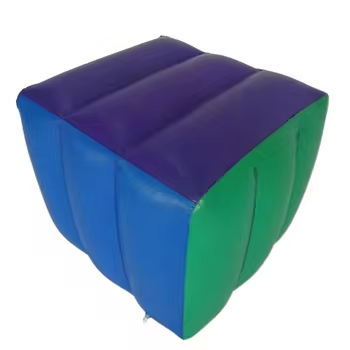
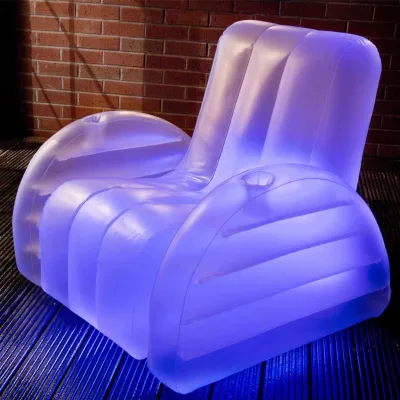
LED Inflatable Transparent Chair Light up Different Colors Party Events OEM Customized
$1.99 - $10.23
MOQ: 200 pieces
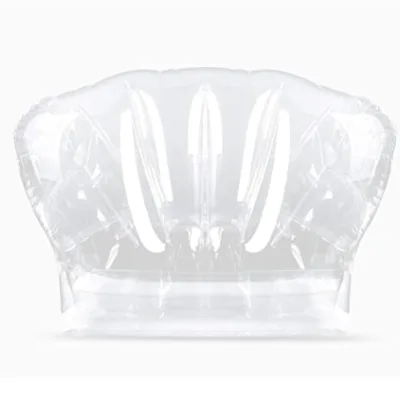
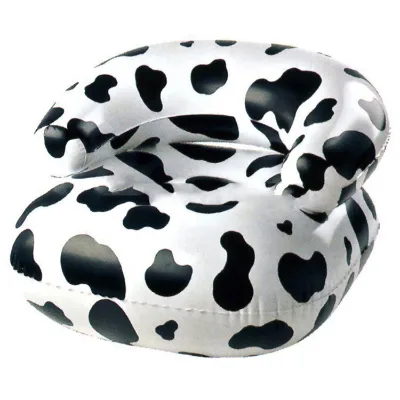


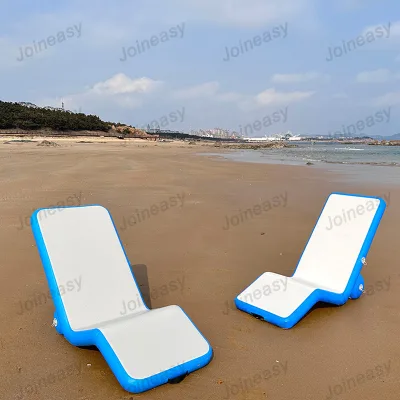


Flocked Surface Waterproof Blow up Portable Inflatables Chairs with Ottoman
$8.40 - $10.70
MOQ: 500 Pieces
Comprehensive Sourcing Guide
Sourcing Guide for Foldable PVC Inflatable Chairs
The global market for portable seating solutions has seen a significant shift toward lightweight, versatile, and space-efficient designs. Among these, the Foldable PVC Inflatable Chair has emerged as a critical category for both B2B procurement and specialized retail sectors. These products, often marketed under keywords such as "Inflatable Air Bag Sofa Bed" or "Inflatable Sofa," offer a unique value proposition by combining the structural integrity of reinforced PVC with the portability of air-filled technology. For procurement professionals, sourcing these items requires a disciplined approach that balances technical specifications, regulatory compliance, and supply chain reliability. This guide outlines the essential factors for evaluating and acquiring foldable PVC inflatable chairs, ensuring that the final selection meets the rigorous demands of modern commercial and recreational applications.
Technical Specifications and Material Composition
When evaluating a Foldable PVC Inflatable Chair, the primary focus must be on the material composition and structural design. The supplied data confirms that the frame material for these units is predominantly PVC (Polyvinyl Chloride). This material choice is standard for inflatable furniture due to its durability, resistance to tearing, and ability to hold air pressure effectively. However, the specific grade of PVC used can vary significantly between suppliers, influencing the product's lifespan and safety profile. Buyers should verify the thickness of the PVC layers, as this directly correlates with the product's load-bearing capacity. The observed data indicates a carrying capacity of up to 200kgs for certain models, suggesting that high-quality units are engineered to support substantial weight without structural failure.
The physical dimensions and form factor are equally critical. The product specifications list various models, including HH-0150, MX-F05, and MX-F66, each potentially offering different size profiles. While some listings specify a standard size of 73x73x52cm, others note that the size is "Customized." This variability allows for tailored solutions but requires precise communication during the ordering process. The "Foldable" and "Folded" attributes highlight the product's ability to be compressed for storage and transport, a feature essential for applications in camping, festivals, and compact living spaces. The "Single" type designation suggests that the base unit is a standalone chair, though some configurations may be part of larger "Livingroom Sofa Sets." Additionally, the absence of armrests in certain models indicates a minimalist design intended for maximum portability, while others may include structural reinforcements for comfort.
Compliance and Certification Verification
In the realm of inflatable furniture, particularly those intended for use by the general public or in commercial settings, compliance with safety standards is non-negotiable. The supply chain data highlights several specific certifications that are critical for market entry, particularly in North America and Europe. These include EN71, ASTM, CPC (Children's Product Certificate), and Phthalate Free certifications. The EN71 standard is the European norm for safety of toys, which often applies to inflatable products intended for recreational use. Similarly, ASTM standards represent the American Society for Testing and Materials, providing a benchmark for safety and performance in the United States.
The presence of "Low Cadmium" and "Phthalate Free" attributes is a strong indicator of material safety, ensuring that the PVC used does not contain harmful heavy metals or plasticizers that could leach out over time. For buyers targeting the children's market or the hospitality sector, verifying that the supplier can provide valid test reports for these specific certifications is a mandatory step. The data also mentions ISOCondition:New and general ISO references, though these should be treated as background context rather than specific, verified standards without further documentation. Buyers must explicitly request current test certificates from the supplier to confirm that the specific batch of chairs being ordered meets these regulatory requirements. Relying on generic claims without documented proof can lead to significant liability issues and product recalls.
Cost Drivers and Pricing Structures
Understanding the cost structure of foldable PVC inflatable chairs is essential for effective budgeting and negotiation. The observed price range in the market spans from $1.99 to $373 USD, a wide disparity that reflects differences in material quality, production complexity, and order volume. The lower end of this spectrum likely corresponds to basic, single-layer PVC units with minimal customization, while the higher end may include multi-layer reinforced chairs, custom branding, and specialized packaging.
A significant driver of cost is the Minimum Order Quantity (MOQ). The data indicates an MOQ range of 1 to 1000 units, with specific listings citing 500 or 1000 units as standard thresholds. Suppliers often offer tiered pricing, where the unit cost decreases as the order volume increases. For buyers with lower volume needs, the per-unit cost will be higher, but the flexibility to order smaller batches reduces inventory risk. Conversely, large-scale procurement can leverage economies of scale to secure more competitive pricing. Another cost factor is the customization level. Attributes such as "Customized Logo," "Silk Screen," "UV," and "Roller" printing add to the production complexity and cost. Buyers must weigh the marketing value of custom branding against the additional expense, especially if the order quantity is near the MOQ threshold.
Typical Applications and Usage Scenarios
The versatility of foldable PVC inflatable chairs makes them suitable for a diverse range of applications. The data explicitly lists usage scenarios including "Living Room," "Outdoor," "Camping," "Bar," "Cafe," "Restaurant," "Hotel," and "Bedroom." This broad applicability stems from the product's ability to serve as temporary or permanent seating depending on the environment. In the hospitality sector, these chairs are ideal for outdoor patios, poolside areas, or temporary event setups where traditional furniture is impractical. The "Camping Hiking Festivals Outdoor Picnics" application highlights their utility in recreational contexts where portability is paramount.
Furthermore, the "Modern Style" and "Modern Style" attributes suggest that these products are designed to fit contemporary aesthetic trends, making them viable for residential use in living rooms or bedrooms. The "Easy Install" feature is particularly relevant for commercial venues that require quick setup and teardown, such as pop-up shops or event spaces. Buyers should consider the specific environment in which the chairs will be used. For instance, chairs intended for outdoor commercial use may require higher UV resistance and reinforced seams compared to those for indoor residential use. The "Carrying Capacity" of 200kgs ensures that the chairs can be used in high-traffic areas without immediate concern for structural failure, provided the material quality is consistent.
Supplier Evaluation and Sourcing Strategy
Selecting the right supplier is a critical step in the procurement process. The data indicates that the place of origin for these products is primarily Guangdong, China, a region known for its robust manufacturing capabilities in plastic and inflatable goods. When evaluating potential suppliers, buyers should look for evidence of OEM/ODM capabilities, as the data confirms that "OEM/ODM: Yes" is a common offering. This indicates that suppliers are willing to customize the product design, branding, and specifications to meet specific buyer requirements.
Key evaluation criteria should include the supplier's ability to provide consistent quality control and their track record with the specific certifications mentioned earlier. Buyers should verify the supplier's production capacity to ensure they can meet the required lead times, especially for large orders. The "Customization" attribute being available suggests that suppliers are flexible, but this flexibility must be managed through clear communication and detailed specifications. Additionally, the packaging method, whether "Color Box," "Carry Bag," or "Master Carton," should be evaluated based on the logistics requirements of the buyer. Proper packaging is essential to prevent damage during transit, particularly for inflatable items that may be compressed.
Quality Control and Long-Term Procurement Considerations
Ensuring the long-term viability of the product line requires a robust quality control (QC) strategy. Buyers should implement a QC plan that includes pre-production sample approval, in-process inspections, and final random inspections before shipment. Given the variability in PVC quality and the critical nature of air retention, testing for air leakage and seam strength is essential. The "Testing: CPC, En71, ASTM" data point suggests that third-party testing is a standard practice, and buyers should insist on seeing these reports for every production batch.
Long-term procurement considerations also involve the lifecycle of the product. While the "Condition: New" attribute indicates the products are manufactured fresh, the durability of the PVC material over time is a key factor. Buyers should inquire about the warranty terms and the supplier's policy on defective units. The "Customized" nature of the product means that replacement parts or reordering may require specific attention to ensure consistency. Furthermore, the "Folded" and "Portable" features imply that the product will undergo repeated cycles of inflation and deflation. Buyers should verify that the supplier uses high-quality valves and seams that can withstand this stress without failing.
| Feature Category | Key Observation from Data | Procurement Action Item |
|---|---|---|
| Material | PVC Frame Material | Verify PVC thickness and grade for durability. |
| Certification | EN71, ASTM, Phthalate Free | Request current test reports for all batches. |
| MOQ | 1 to 1000 units | Negotiate tiered pricing based on volume. |
| Customization | Logo, Size, Printing | Define exact specs for OEM/ODM requirements. |
| Packaging | Color Box, Carry Bag, Master Carton | Ensure packaging meets shipping and storage needs. |
| Capacity | 200kgs Carrying Capacity | Validate load testing for intended use cases. |
In conclusion, sourcing foldable PVC inflatable chairs requires a meticulous approach that prioritizes material quality, regulatory compliance, and supplier reliability. By leveraging the available data on specifications, certifications, and applications, buyers can make informed decisions that align with their specific market needs. The wide range of customization options and the global demand for portable seating solutions offer significant opportunities, provided that the procurement process is grounded in rigorous verification and clear communication.
FAQs
What certifications do these chairs meet for safety?
These chairs meet EN71, ASTM, and CPC standards with Phthalate Free and Low Cadmium attributes. Buyers must request current test reports for every batch to verify compliance before purchasing for commercial or children's use.
How much weight can the inflatable chairs support?
Certain models support a carrying capacity of up to 200kgs. This load-bearing limit depends on the specific PVC thickness and construction quality of the selected unit.
Can I customize the logo and size of the chair?
Yes, customization is available for logos, sizes, and printing methods like Silk Screen or UV. The product model and standard size are often customizable to fit specific buyer requirements.
What is the minimum order quantity for these products?
The minimum order quantity ranges from 1 to 1000 units depending on the supplier and specific model. Some listings specify an MOQ of 500 or 1000 units for standard orders.
Where are these foldable chairs manufactured?
The products originate from Guangdong, China, a region known for plastic manufacturing. Buyers should verify the specific factory location and lead times during the sourcing process.
How are the chairs packaged for shipping?
Packaging options include Color Box, Carry Bag, or Master Carton depending on the order volume. Proper packaging is essential to prevent damage during transit for these inflatable items.