Source 72V Mini Electric Car with Steering Wheel for logistics, tours, and estates
Explore 30 listings of the 72V Mini Electric Car with Steering Wheel available from Chinese manufacturers. Buyers can compare specifications like motor power, battery capacity, and dimensions to find suitable options for commercial or personal use.
Key considerations
Products List


72V Mini Electric Vehicle 1080kg Short Distance Mobility Car with Cargo Bed
$5756.00 - $6056.00
MOQ: 1 Pieces


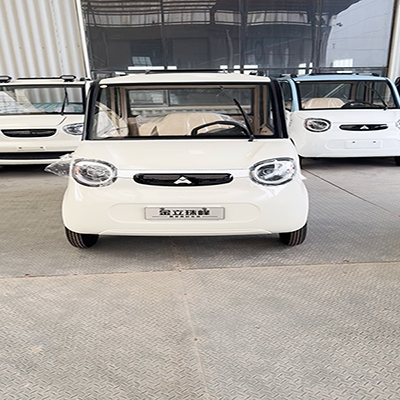
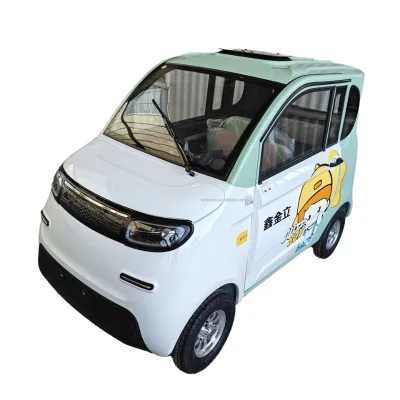


High-Performance Mini Electric Vehicle New EV Car with 4 Doors and 4 Wheels
$3850.00 - $4043.00
MOQ: 1 Pieces


High-Performance Mini Electric Car New Energy Vehicle with 4 Doors and 4 Wheels
$3850.00 - $4043.00
MOQ: 1 Pieces

Mini Electric Vehicle New EV Car with Exceptional Space and High Efficiency
$3850.00 - $4043.00
MOQ: 1 Pieces


Keyu Worry-Free After-Sales 72V 4 Wheel Electric Mini Car for Travel
$2500.00 - $3200.00
MOQ: 1 Pieces


Keyu Worldwide Supply Chain 4 Wheel 72V Mini Electric Car for Travel
$2650.00 - $2900.00
MOQ: 1 Pieces
Comprehensive Sourcing Guide
Strategic Sourcing Guide for 72V Mini Electric Cars with Steering Wheels
The global demand for compact electric mobility solutions has surged, particularly in the segment of 72V mini electric cars equipped with steering wheels. These vehicles, often categorized as low-speed electric vehicles (LSEVs) or micro-cars, offer a practical alternative for short-range urban commuting, campus transport, and industrial logistics. For B2B procurement professionals, navigating this market requires a disciplined approach to verifying technical specifications, ensuring regulatory compliance, and evaluating supplier capabilities. This guide synthesizes observed market data and industry standards to provide a robust framework for sourcing these specific vehicles without relying on unverified claims.
Technical Architecture and Powertrain Specifications
The core of any 72V mini electric car lies in its powertrain architecture. Based on observed product data, the voltage system is a critical differentiator. While some units operate on 60V systems, the specific target keyword of "72V" aligns with a robust subset of the market designed for higher torque and extended range. The observed specifications indicate that these vehicles typically utilize a 72V battery configuration, with capacities ranging from 100Ah to 160Ah. This variance directly impacts the vehicle's driving range, with specific models citing a range of up to 165km under standard conditions.
The motor selection is equally vital for performance evaluation. Market observations reveal a spectrum of motor outputs, including 3kW and 6kW variants. A 6kW motor, paired with a 72V system, generally offers superior gradeability, with observed data suggesting a capability of 20-30% inclines. In contrast, 3kW units are suitable for flatter terrain and lighter loads. The body type is consistently observed as "Closed," providing necessary weather protection and safety features compared to open-frame alternatives. The steering wheel mechanism is a standard feature in these models, ensuring driver control and maneuverability in tight spaces.
When evaluating the physical dimensions, buyers should note the variance in chassis sizes. Observed specifications list dimensions such as 296014601590 mm and 230014601590 mm. These measurements dictate the vehicle's footprint and cargo capacity. The curb weight also varies significantly, ranging from 420kg to 600kg, which influences the vehicle's stability and the required braking system. For models requiring higher payload capacity, the 600kg variant with a 6kW motor is often the preferred configuration.
Compliance, Certification, and Regulatory Standards
Navigating the regulatory landscape is perhaps the most critical step in sourcing these vehicles. Unlike standard passenger cars, mini electric cars often fall into specific regulatory categories that vary by destination market. The observed product data highlights a recurring presence of CE, EEC, and CCC certifications. The CE mark indicates conformity with health, safety, and environmental protection standards for products sold within the European Economic Area. The EEC certification is frequently cited alongside CE, suggesting compliance with specific European vehicle directives. Additionally, the CCC (China Compulsory Certification) is a mandatory requirement for products sold within the Chinese market.
Buyers must verify that the supplier can provide valid, up-to-date documentation for these certifications. It is important to note that while some listings mention "EEC: Yes," the specific scope of this certification (e.g., type approval for road use vs. off-road use) must be confirmed. Relying on a generic "EEC" label without specific type approval numbers can lead to customs clearance issues or legal liabilities in the destination country. Furthermore, while some background knowledge suggests standards like EN71, these are typically associated with toy safety and may not apply to full-sized electric vehicles; therefore, buyers should focus on automotive-specific standards relevant to their target market.
The presence of safety features such as ABS (Anti-lock Braking System) and EBD (Electronic Brakeforce Distribution) is another compliance indicator. Observed data confirms that ABS+EBD is listed as a standard feature on certain models, which is a significant advantage for vehicle stability and safety. Buyers should explicitly request test reports or certification documents proving the functionality of these systems, rather than accepting them as implied features.
Cost Drivers and Pricing Dynamics
The pricing structure for 72V mini electric cars is influenced by several key variables. The observed price range in the market spans from approximately $648.3 to $8,000 USD. This wide disparity is not merely a reflection of brand value but is driven by the technical specifications and configuration options selected. The primary cost drivers include the battery capacity (100Ah vs. 160Ah), motor power (3kW vs. 6kW), and the inclusion of optional configurations such as air conditioning.
The battery system represents a substantial portion of the total cost. A 72V/160Ah battery pack will inherently cost more than a 72V/100Ah unit, directly impacting the final price and the vehicle's advertised range. Similarly, the motor size affects the manufacturing cost and the vehicle's performance capabilities. A 6kW motor system is more expensive to produce than a 3kW system but offers better performance for hilly terrain or heavier loads.
Other factors influencing cost include the body material and finish. While the standard body type is closed, the quality of the plastic cover and the paint finish (White, Black, Blue, Red, or Customizable) can affect the price. Customization services, which are widely available in this market, also add to the cost. Buyers must balance their budget against their specific operational needs. For instance, a fleet operator requiring long-range capability for a 165km route will need to invest in the higher-capacity battery, whereas a short-range campus shuttle might suffice with a lower-cost configuration.
Typical Applications and Operational Use Cases
The versatility of 72V mini electric cars makes them suitable for a diverse range of applications. Their compact dimensions and closed body style make them ideal for urban environments where space is at a premium. Common use cases include last-mile delivery services, where the vehicle's ability to navigate narrow streets and its cargo capacity are advantageous. The observed dimensions, such as the 2300mm length, allow for easy maneuverability in congested areas.
Institutional and industrial settings also represent a significant market segment. Universities, large factories, and gated communities often utilize these vehicles for internal transportation. The 1-2 seat configuration and the presence of a steering wheel make them suitable for personnel transport, security patrols, and maintenance staff. The electric powertrain ensures zero emissions, which is a critical requirement for many eco-conscious organizations and indoor facilities.
For logistics applications, the "Pick Up" variants, such as the EV-600 model, offer enhanced utility. These models often feature a cargo bed or a modified rear section, allowing for the transport of goods. The gradeability of 20-30% ensures that these vehicles can handle slight inclines often found in industrial yards or delivery routes. The optional air conditioning configuration is particularly valuable for operators working in extreme weather conditions, ensuring driver comfort and productivity during long shifts.
Supplier Evaluation and Manufacturing Capabilities
When selecting a supplier, buyers must look beyond the product listing and assess the manufacturing capabilities and location. The observed data indicates that these vehicles originate from various regions in China, including Taizhou, Henan, Zhejiang, and Shandong. Each region may have different specializations; for example, Zhejiang is known for its automotive manufacturing ecosystem, while Taizhou has a strong presence in component manufacturing.
A critical aspect of supplier evaluation is the ability to handle customization. The market data confirms that OEM (Original Equipment Manufacturer) services are accepted, and customization is available. This includes options for branding, color customization, and specific configuration changes. Buyers should verify the supplier's capacity to handle these requests without compromising quality. The "Steel" and "Nude Packing" options observed in the data suggest that suppliers offer different packaging solutions to suit various shipping requirements.
The Minimum Order Quantity (MOQ) is another factor to consider. The observed MOQ range is between 1 and 24 units. This flexibility allows buyers to test the market with small orders or to fulfill large fleet requirements. However, buyers should be aware that the container loading capacity varies. For instance, a 40HQ container can hold 10 to 12 units depending on the specific model and packing method. Understanding these logistics constraints is essential for accurate cost calculation and supply chain planning.
Quality Control and Long-Term Procurement Considerations
Ensuring long-term reliability requires a rigorous quality control (QC) process. Buyers should prioritize suppliers who offer comprehensive testing and validation procedures. The presence of standard features like ABS+EBD and the specific motor configurations should be verified through on-site inspections or third-party testing. The "Sea Worthy" packing standard observed in some listings indicates a commitment to protecting the product during transit, which is a positive indicator of the supplier's attention to detail.
Long-term procurement considerations also involve the availability of spare parts and after-sales support. Since these vehicles are electric, the battery and motor are critical components that may require replacement or maintenance over time. Buyers should negotiate service agreements that include access to genuine spare parts and technical support. The "Customizable" nature of the vehicles means that non-standard parts may be required, making it essential to establish a clear supply chain for these items.
Finally, buyers should consider the total cost of ownership (TCO). While the initial purchase price is a significant factor, the operational costs, including energy consumption and maintenance, play a crucial role in the overall economics. The 72V system's efficiency and the vehicle's range directly impact these costs. By selecting a vehicle with the appropriate motor power and battery capacity for the intended application, buyers can optimize their TCO and ensure a sustainable investment.
Summary of Key Specifications and Variants
To assist in the decision-making process, the following table summarizes the key technical specifications and variants observed in the market for 72V mini electric cars with steering wheels.
| Feature | Observed Specification | Notes |
|---|---|---|
| Voltage System | 72V (Standard), 60V (Alternative) | 72V preferred for higher torque/range |
| Battery Capacity | 72V/100Ah or 72V/160Ah | 160Ah offers up to 165km range |
| Motor Power | 3kW or 6kW | 6kW for 20-30% gradeability |
| Body Type | Closed | Provides weather protection |
| Dimensions | 230014601590 mm or 296014601590 mm | Varies by model (e.g., EV300 vs. EV-600) |
| Curb Weight | 420kg to 600kg | Influences stability and payload |
| Safety Features | ABS+EBD (Standard on some) | Verify specific model inclusion |
| Certifications | CE, EEC, CCC | Verify validity for target market |
| Colors | White, Black, Blue, Red, Customizable | OEM branding available |
| Origin | Taizhou, Henan, Zhejiang, Shandong | Regional manufacturing hubs |
| MOQ | 1 to 24 Units | Flexible for testing or bulk orders |
| Packing | Steel, Nude, Sea Worthy | Depends on shipping requirements |
This guide provides a structured approach to sourcing 72V mini electric cars, emphasizing the importance of verifying technical details, compliance, and supplier capabilities. By adhering to these principles, buyers can make informed decisions that align with their operational needs and regulatory requirements.
FAQs
What certifications do 72v mini electric cars with steering wheel have?
These vehicles typically hold CE, EEC, and CCC certifications. Buyers must verify specific type approval numbers for EEC compliance to ensure road legality in target markets.
Which battery options are available for 72v mini electric cars with steering wheel?
Standard configurations include 72V/100Ah or 72V/160Ah battery packs. The 160Ah option supports a driving range of up to 165km under standard conditions.
Can I customize the color of 72v mini electric cars with steering wheel?
Yes, customization is available for colors including White, Black, Blue, and Red. Suppliers also offer fully customizable color options to meet specific branding requirements.
What is the minimum order quantity for 72v mini electric cars with steering wheel?
The minimum order quantity ranges from 1 to 24 units depending on the supplier. This flexibility allows for small test orders or larger fleet procurement.
How does motor power affect 72v mini electric cars with steering wheel performance?
Motors range from 3kW to 6kW, with 6kW units offering 20-30% gradeability. Higher power is preferred for hilly terrain or heavier load requirements.
Where are 72v mini electric cars with steering wheel manufactured?
Production origins include Taizhou, Henan, Zhejiang, and Shandong in China. Each region has different manufacturing specializations affecting component quality and supply chain logistics.