Source Long Range Electric Sedan for Fleet, Rental, and Daily Commute
Source a Long Range Electric Sedan from 30 verified listings. Compare key attributes such as battery type, drive mode, and exterior color to find the right vehicle for your specific operational needs and budget constraints; compare the available evidence and request quotations based on your requirements.
Key considerations
Products List


Exceptional Electric Luxury Sedan - Pristine Condition, Low Mileage
$29700.00 - $48000.00
MOQ: 1 Pieces

Stylish and Comfortable Five-Seater Electric Sedan for Modern Drivers
$29700.00 - $48000.00
MOQ: 1 Pieces


Forthing S7 600km Long Range Electric Vehicle China Factory Supplier Sedan
$18100.00 - $18700.00
MOQ: 3 units


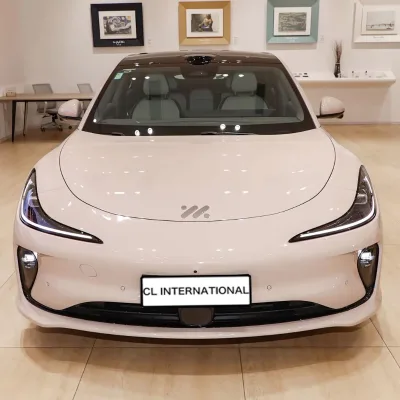


$1700.00 - $1800.00
MOQ: 1 Pieces


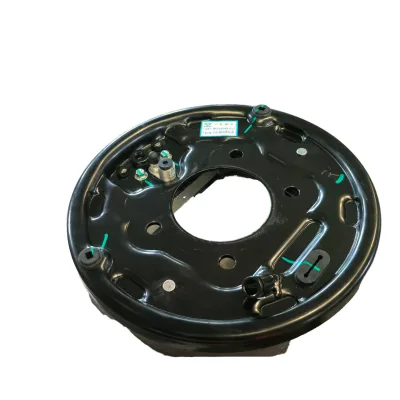


New Energy Car Long Range Pure Electric Vehicle Feifan F7 Sedan Used Electric Car
$29215.38 - $40753.85
MOQ: 5 Pieces

Comprehensive Sourcing Guide
Long Range Electric Sedan Sourcing Guide
Procuring a long-range electric sedan requires distinguishing between pure electric models and hybrid variants, as the supplied data reveals a mix of fuel types including pure electric, electric and gasoline, and gasoline-only options. Buyers must carefully verify the energy type specification to ensure the vehicle aligns with their zero-emission goals, noting that some listings describe ternary lithium battery systems while others indicate dual-fuel capabilities. This distinction is critical for fleet planning, as the operational range and charging infrastructure requirements differ significantly between a pure electric sedan like the Xiao Peng P5 and a hybrid alternative.
The market data indicates a wide variance in vehicle conditions, ranging from new units to used inventory, which directly impacts the expected lifespan and maintenance schedule of the acquired assets. Sourcing teams should prioritize listings that explicitly state a "New" condition when seeking warranty coverage and predictable performance, while used units may offer cost savings but require rigorous inspection of battery health and structural integrity. Understanding the specific body style, such as the 4-door 5-seat sedan configuration, ensures the selected vehicle meets the passenger capacity and cargo needs of the intended commercial or private application.
Product Scope and Observed Listing Signals
The observed product listings demonstrate a diverse range of exterior colors, including black, silver, and gray, allowing buyers to match corporate branding or personal preferences without compromising on the core electric powertrain specifications. While the data confirms the availability of customization options, procurement teams must clarify the extent of these modifications during the initial inquiry phase to avoid misunderstandings regarding factory-standard versus bespoke configurations. The presence of multiple model names, such as the Xiao Peng P7 and Benz E, suggests a broad inventory scope, yet the specific technical attributes like drive type and braking systems must be cross-referenced with the actual unit being sourced.
Listing signals also reveal significant variations in physical dimensions and weight, with standard measurements ranging from approximately 4750mm to 5092mm in length and weights spanning from 1603kg to 2295kg. These dimensional differences influence parking requirements, garage compatibility, and overall vehicle dynamics, making it essential for buyers to verify the exact standard dimensions against their logistical constraints before finalizing an order. The observed packing methods, ranging from roll-on-roll-off shipping to nude packing, further indicate that logistics planning must be tailored to the specific vehicle's protection needs and the chosen shipping route.
Technical Specifications to Verify
Buyers must rigorously verify the motor structure and battery type, as the data highlights permanent magnet motors paired with ternary lithium batteries as a common configuration for high-performance electric sedans. The maximum power output observed ranges from 153kw to 343, and maximum torque varies between 258nm and higher values, which directly correlates with acceleration capabilities and hill-climbing performance. It is imperative to confirm these specific power figures for the exact model unit, as generic listings may aggregate data from different trims or model years, leading to inaccurate expectations regarding the vehicle's dynamic performance.
The braking system and drive mode specifications are equally critical, with electromagnetic braking and front-wheel drive identified as key attributes in the current market data. Verification of the disc brake type and the presence of an Anti-lock Braking System (ABS) ensures that the vehicle meets safety standards for emergency stopping scenarios. Additionally, the wheelbase measurement of 2705mm and tire size of 235/50 R18 provide essential data for assessing ride comfort and handling characteristics, requiring buyers to ensure these specifications match the intended road conditions and passenger comfort requirements.
Compliance and Safety Documentation
Compliance verification must extend beyond basic safety features to include specific management certifications, such as the ISO certification noted in the product attributes, which indicates adherence to quality management standards. Buyers should request documentation proving that the vehicle's manufacturing process and final assembly comply with the relevant international standards, particularly for electric vehicles where battery safety and electromagnetic compatibility are paramount. The presence of a rear radar system suggests advanced driver assistance capabilities, but the specific functional scope and regulatory approval for these systems in the destination market must be confirmed prior to purchase.
Safety documentation should also address the vehicle's structural integrity, specifically the 4-door 5-seat sedan body structure and the overall body style classification. Procurement teams need to ensure that the vehicle meets the crash safety standards of the importing country, which may require additional testing or certification beyond the factory standards. The condition of the vehicle, whether new or used, dictates the necessary inspection protocols, with used units requiring a comprehensive history report and structural integrity assessment to validate the safety claims made in the listing.
Cost Drivers and Commercial Terms
The observed price range of 7 to 75,000 USD reflects a vast spectrum of vehicle conditions, models, and specifications, necessitating a clear definition of the budget ceiling and minimum acceptable quality standards. Buyers should analyze the cost drivers associated with the specific model, such as the displacement range of 2500-4000CC for hybrid variants or the pure electric powertrain costs for models like the Xiao Peng series. Understanding the relationship between the listed price and the actual value of the battery capacity, motor power, and included features is essential to avoid overpaying for a vehicle that does not meet the long-range performance criteria.
Commercial terms regarding the minimum order quantity (MOQ) and lead times are variable, with observed MOQs ranging from 1 to 100 units, allowing for both single-unit acquisitions and bulk fleet purchases. The shipping method, whether roll-on-roll-off or standard export packing, significantly impacts the total landed cost and must be factored into the overall budget calculation. Buyers must negotiate clear terms regarding the transfer of risk, insurance coverage during transit, and the specific delivery location to ensure that the logistical costs do not erode the financial benefits of the procurement.
Supplier Qualification and Quality Control
Supplier qualification should focus on verifying the origin of the vehicles, with data indicating production in China and specific regions like Fujian, which may influence the supply chain reliability and export capabilities. Buyers must assess the supplier's ability to provide consistent quality across different models, ensuring that the technical specifications such as the automatic gearbox and steering configuration remain consistent with the order requirements. The presence of a "New" condition designation suggests a direct supply chain from the manufacturer, whereas used units may require a more complex verification process to ensure the vehicle's history and maintenance records are accurate.
Quality control protocols must be established to verify the physical attributes of the vehicle upon arrival, including the exterior color, body style, and specific dimensions like the 488018961450mm standard. Buyers should implement a pre-shipment inspection to confirm that the battery type, motor structure, and braking systems match the agreed-upon specifications before the goods leave the origin facility. This proactive approach helps mitigate the risk of receiving vehicles that do not meet the long-range electric sedan criteria, ensuring that the final product aligns with the operational needs of the organization.
Long-Term Procurement Checks
Long-term procurement success depends on establishing a framework for ongoing performance monitoring, particularly regarding the battery health and range retention of the electric sedans. Buyers should implement a schedule for regular inspections of the ternary lithium battery systems to ensure they maintain their capacity over time, as degradation can significantly impact the vehicle's utility and resale value. The observed maximum speed and power output figures serve as baseline metrics for performance, and any deviation from these standards during the vehicle's lifecycle should trigger a detailed technical review.
Sourcing teams must also plan for the end-of-life management of the vehicles, considering the specific battery type and the availability of recycling or disposal services in the destination market. The initial selection of a vehicle with a robust body structure and reliable braking system contributes to its longevity, but ongoing maintenance of the electromagnetic braking system and automatic gearbox is essential to prevent premature failure. By integrating these long-term checks into the procurement strategy, organizations can ensure that their fleet of long-range electric sedans remains a cost-effective and reliable asset over its entire operational life.
FAQs
What models are available as long range electric sedans?
Available models include the Xiao Peng P5, Xiao Peng P7, and Ford Mondeo. These vehicles offer varying specifications such as body styles and drive modes. Buyers can select from options like FWD or pure electric configurations. Customization is available for certain units. The selection covers different price points and technical attributes to suit diverse procurement needs.
Can I customize the exterior color of these sedans?
Yes, customization is available for these long range electric sedans. Buyers can choose from exterior colors such as black, silver, or gray. This flexibility allows for specific branding or aesthetic preferences. Custom orders may require coordination with the supplier to ensure the desired color is applied during production or preparation.
What is the typical MOQ for these electric vehicles?
The observed MOQ range is 1 to 100 units. This flexibility supports both single-unit purchases and larger fleet acquisitions. Buyers can negotiate based on their specific volume requirements. The wide range indicates that suppliers accommodate various order sizes, making it easier to source small batches or bulk quantities without strict minimum constraints.
How are these sedans packed for shipping?
Packing methods vary by model and supplier. Options include Roll-on-Roll-off Ship, Nude Packing, and Standard Export Packing. The choice depends on the specific vehicle type and logistics requirements. Buyers should confirm the packing method with the supplier to ensure safe transport. Proper packing is essential to protect the vehicle during international transit.
What certifications do these electric sedans hold?
Some units hold ISO management certifications. This indicates adherence to certain quality and management standards. Buyers should verify specific certification details with the supplier for each model. Certifications may vary by manufacturer and region. Ensuring compliance with local standards is crucial for import and registration in the target market.
What is the origin of these long range electric sedans?
The primary origin is China, with some units sourced from Fujian. This region is a major hub for automotive manufacturing. Buyers can expect competitive pricing and a wide variety of models. Sourcing from China offers access to advanced electric vehicle technology and established supply chains for global distribution.