Source Solar Powered Mini Car for City, Golf, and Cargo
Compare 30 Solar Powered Mini Car listings from verified Chinese manufacturers. Buyers can evaluate specifications like battery type, speed, and seating capacity to find the right vehicle for city transport, golf courses, or cargo delivery; compare the available evidence and request quotations based on your requirements.
Key considerations
Products List


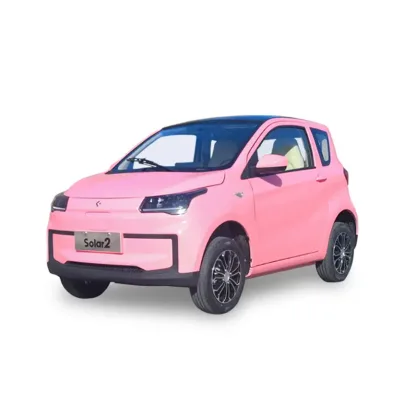

CCC Approved Passenger Solar Energy New Design Mini Car with Low Price Hy
$1050.00 - $1150.00
MOQ: 9 Pieces


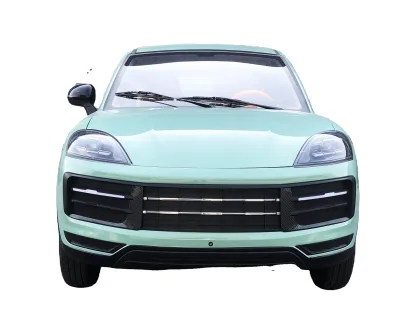
Energy Car's New 4-Wheel Mini Electric Cars Solar Powered Safety Designed
$4000.00 - $4500.00
MOQ: 1 units
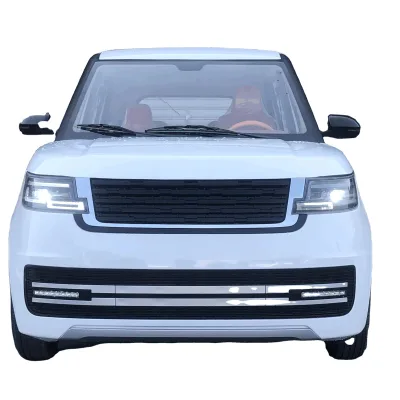

Electric Car Mini New Energy Micro Vehicles Electric Vehicle Electric Car
$1500.00 - $2000.00
MOQ: 1 Pieces


4X2 Solar Powered New Energy Electric Mini Scooter Car/Patrol Car/Utility Vehicle
$1.00 - $9999.00
MOQ: 4 unit


Mini Electric Vehicle New EV Car with Exceptional Space and High Efficiency
$3850.00 - $4043.00
MOQ: 1 Pieces


Comprehensive Sourcing Guide
Solar Powered Mini Car Sourcing Guide
The market for solar-powered mini cars presents a unique procurement challenge where observed listings often conflate electric utility vehicles with solar-specific capabilities. While the supplied data confirms the existence of electric mini cars with lithium-ion and lead-acid battery options, explicit solar integration remains a specific attribute requiring rigorous verification against standard electric models. Buyers must distinguish between vehicles designed for city commuting and those intended for golf courses or cargo transport, as the power source and application scenarios vary significantly across the observed product range.
Procurement strategies should prioritize understanding the actual power architecture, as the observed listings include vehicles with power outputs ranging from 600W to 1700W and battery voltages of 48V. The presence of "solar" in a product title does not guarantee a functional solar charging system; instead, it may refer to a marketing descriptor for small electric vehicles. Sourcing teams must explicitly request technical diagrams showing solar panel integration, as the standard electric configurations listed rely entirely on grid charging via intelligent controllers and aviation aluminum chargers.
Product Scope and Observed Listing Signals
The observed product scope reveals a diverse array of mini vehicles, including models with closed bodies for passenger use and open bodies suitable for golf courses or cargo transport. Listings indicate a wide range of body styles, from standard mini cars to buggies, with seating capacities varying between three and four passengers. Buyers must carefully align their procurement needs with these specific configurations, as a vehicle designed for a golf course with a maximum speed of 20-30 km/h differs fundamentally from a city commuter vehicle capable of speeds up to 33 km/h.
Listing signals also highlight significant variations in physical dimensions and weight, with some models measuring 251012401640 mm and weighing 300 kg, while others are significantly larger. The observed data includes specific dimensions like 369513402130 mm for certain models, indicating that size constraints are a critical factor in selection. Procurement teams should verify whether the listed dimensions match the intended operational environment, ensuring that the vehicle's ground clearance and wheel distance meet the specific terrain requirements of the application scenario.
Technical Specifications to Verify
Technical verification must focus on the powertrain and battery systems, as the observed data lists both lithium-ion and lead-acid maintenance-free battery types. Buyers should confirm the specific voltage and capacity of the battery, noting that some models operate at 48V while others may utilize different configurations. The motor controller specifications, such as the Enpower Intelligent Controller or 60V1000W systems, are critical for ensuring compatibility with the intended power source and charging infrastructure.
Suspension and braking systems also require detailed scrutiny, with observed listings specifying front Macpherson independent suspension and electromagnetic braking systems. These components directly impact vehicle stability and safety, particularly for models with a gradeability of 20-30% and a minimum ground clearance of 170mm. Procurement teams must validate that the suspension and braking specifications align with the operational demands of the intended application, whether it involves navigating city streets or traversing uneven golf course terrain.
Compliance and Safety Documentation
Compliance verification is essential given the diverse certification landscape observed in the listings, which includes GSV, EPA, CE, DOT, EEC, CCC, and ISO 9001 standards. Buyers must ensure that the specific model they intend to purchase holds the necessary certifications for their target market, as a vehicle certified for one region may not be legally operable in another. The presence of multiple certifications suggests a complex regulatory environment where documentation must be meticulously reviewed to avoid import or operational restrictions.
Safety features are another critical area of verification, with observed listings mentioning warning lights and UV-resistant sunshade roofs as standard exterior features. However, the absence of explicit safety test results in the provided data necessitates a request for third-party safety reports from the supplier. Procurement teams should demand evidence that the electromagnetic braking system and suspension components have been tested under conditions relevant to the vehicle's maximum speed and load capacity to ensure passenger and cargo safety.
Cost Drivers and Commercial Terms
Cost drivers in this sector are heavily influenced by the battery technology and power source, with lithium-ion batteries typically commanding a higher price point than lead-acid alternatives. The observed power range of 600-1700W and varying battery types suggest that energy density and charging efficiency are primary factors in pricing. Buyers should analyze the total cost of ownership, considering that higher power output and advanced battery chemistry may reduce long-term operational costs despite a higher initial investment.
Commercial terms such as minimum order quantity (MOQ) and packaging methods also significantly impact the overall procurement cost. The observed MOQ range of 1-30 units and packaging options including naked, container, and wooden crates indicate flexibility in order sizes but also variability in shipping and handling expenses. Procurement teams must negotiate terms that account for these logistical differences, ensuring that the chosen packaging method protects the vehicle during sea transport while minimizing unnecessary costs associated with oversized or over-packaged units.
Supplier Qualification and Quality Control
Supplier qualification should prioritize manufacturers with a proven track record in producing electric mini vehicles, as evidenced by the diverse range of models and certifications observed. Buyers must verify the supplier's ability to provide consistent quality across different product lines, from golf carts to city commuter vehicles, by reviewing their production capacity and quality control processes. The presence of specific standards like 3380, 1499, and 1610 in the data suggests that suppliers adhere to certain manufacturing benchmarks, which should be validated through on-site audits or third-party assessments.
Quality control measures must extend beyond the final product to include the supply chain for critical components like the motor controller and battery. The observed use of aviation aluminum chargers and intelligent controllers indicates a focus on component quality, but buyers should request detailed specifications and test reports for these parts. Ensuring that the supplier maintains strict quality control over the assembly process is vital to prevent issues related to battery life, motor performance, and overall vehicle reliability in the field.
Long-Term Procurement Checks
Long-term procurement checks should focus on the availability of spare parts and the supplier's support infrastructure, as the complexity of electric powertrains requires ongoing maintenance. Buyers must verify that the supplier offers a reliable supply chain for critical components like the Enpower Intelligent Controller and specific battery types to minimize downtime. The observed customization options suggest that suppliers may offer tailored solutions, but long-term support agreements should be established to ensure continued access to parts and technical assistance.
Performance monitoring over time is also crucial, as the observed specifications for maximum speed and driving mileage may degrade with use. Procurement teams should implement a system to track vehicle performance against the initial specifications, such as the 50-90 km driving mileage at efficient speed, to identify any deviations that may indicate quality issues. Establishing clear performance benchmarks and regular review cycles will help ensure that the fleet continues to meet operational requirements and maintains the safety and efficiency standards expected in the market.
FAQs
What is the body style of the Solar Powered Mini Car?
The Solar Powered Mini Car features a mini body style with a closed body type. It is designed as a new condition vehicle suitable for city applications. The unit includes four seats and utilizes an electromagnetic braking system for safety.
Can the Solar Powered Mini Car be customized for specific needs?
Yes, customization is available for the Solar Powered Mini Car to meet specific buyer requirements. The product supports various configurations while maintaining its core electric drive and lithium-ion battery power source. Buyers can request tailored solutions for their unique operational scenarios.
Which certifications does the Solar Powered Mini Car hold?
The Solar Powered Mini Car holds multiple certifications including GSV, EPA, CE, DOT, EEC, CCC, and ISO 9001. These standards ensure the vehicle meets international safety and quality requirements. Buyers can verify these credentials to confirm compliance with local regulations in their target markets.
How is the Solar Powered Mini Car packed for shipping?
The Solar Powered Mini Car is available in naked, container, or wooden packing options depending on the specific model and order requirements. This flexibility allows for secure transport via sea freight. The packaging choice ensures the vehicle arrives in optimal condition for immediate deployment.
What is the maximum speed of the Solar Powered Mini Car?
The maximum speed of the Solar Powered Mini Car ranges from 20 to 33 km per hour depending on the specific model configuration. Some variants are designed for golf courses with lower speeds, while others offer higher efficiency for general city transport. This range ensures safe operation in various urban environments.
What is the origin location of the Solar Powered Mini Car?
The Solar Powered Mini Car originates from China, where it is manufactured by established suppliers. The product meets specific standards such as 3380, 1499, and 1610 during production. Buyers can expect reliable sourcing from this region with established logistics channels for international delivery.
Which battery type powers the Solar Powered Mini Car?
The Solar Powered Mini Car is powered by either a lithium-ion battery or a lead-acid maintenance-free battery depending on the model. Voltage options include 48V systems with power outputs ranging from 600 to 1700 watts. This variety allows selection based on specific range and performance needs.