Source AWD Family SUV Electric Car for Commuting, Travel, and Cargo
Explore 30 listings of AWD Family SUV Electric Car options with varying battery capacities, motor powers, and dimensions. Buyers can compare specifications like range, weight, and drive modes to find suitable vehicles for personal or commercial use; compare the available evidence and request quotations based on your requirements.
Key considerations
Products List


New Cars Electric Family Electric Automobile Car EV Car High Speed Electric Cars
$35700.00 - $36100.00
MOQ: 1 Pieces


Electric Powered Family Drive SUV Car with 7 Seats High Speed Long Nedc Range Car
$35700.00 - $36100.00
MOQ: 1 Pieces


electric Car Electric Vehicle Long Range 7 Seats for Family Drive Zero Emission Ecofriendly
$34800.00 - $35100.00
MOQ: 1 Pieces

SUV Electric Carelectric Car Electric Car SUV Electric Car Low Speed Cars
$4080.00 - $4300.00
MOQ: 4 Pieces


$1700.00 - $1800.00
MOQ: 1 Pieces

Five Seater Family SUV with Electric Seat Adjustment DC Charging Electric Car
$16600.00 - $17000.00
MOQ: 3 units


Electric Vehicles High Speed EV Car Family Car Electric Cars Adults Vehicle
$12000.00 - $20000.00
MOQ: 1 Sets

CE Certificate New Energy Luxury Passenger Vehicle Family Electric Car Adult SUV
$12000.00 - $20000.00
MOQ: 1 Sets

Energy Electric Vehicle Motors Car Automobile Cars Made in China Car SUV Electric
$12000.00 - $20000.00
MOQ: 1 Sets

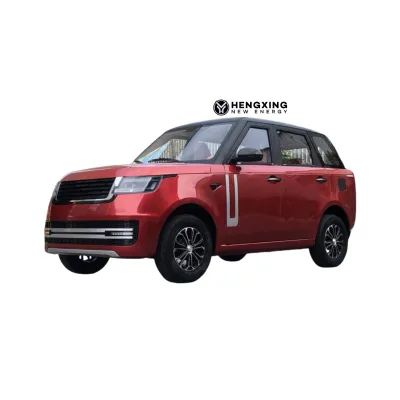


4-Wheel Family Electric Vehicle with Battery, New Energy Car From Manufacturer
$2399.00 - $2499.00
MOQ: 9 Pieces


Versatile Five-Door Electric Vehicle New EV Car for Family Needs at Great Prices
$4150.00 - $4358.00
MOQ: 1 Pieces


Comprehensive Sourcing Guide
AWD Family SUV Electric Car Sourcing Guide
Sourcing an all-wheel-drive family SUV electric vehicle requires careful alignment of technical specifications with commercial realities. The current market presents a diverse array of models, ranging from compact urban EVs to larger SUV platforms. Buyers must distinguish between rear-wheel-drive configurations and true all-wheel-drive systems, as many listed products specify rear drive or single-motor setups. Understanding the drivetrain architecture is critical for ensuring the vehicle meets performance expectations for varied terrain and family usage scenarios.
Procurement teams should also evaluate the physical dimensions and interior capacity of potential candidates. Observed listings show significant variation in body styles, including open and closed configurations, which directly impact cargo space and passenger comfort. The curb weight and battery capacity are key indicators of range and handling characteristics. Buyers need to verify whether the listed specifications correspond to the exact trim level required for their specific operational needs, avoiding assumptions based on generic model names.
Product Scope and Observed Listing Signals
The observed product range includes several distinct electric vehicle models, such as the ID. 4 CROZZ PRO, ID. 6 X PURE+, and ID. 4X pure+. These models exhibit varying dimensions, with wheelbases ranging from 2765mm to 2965mm and overall lengths exceeding 4.6 meters. The listings indicate a mix of body structures, primarily SUVs, with some entries noting closed body types. This diversity suggests that buyers can find options suitable for different family sizes, though the specific drivetrain configuration must be confirmed for each variant.
Price points for these vehicles span a wide range, reflecting differences in battery capacity, motor power, and feature sets. Some listings highlight high-capacity batteries around 84.8kWh, supporting cruising ranges up to 550km, while others describe lower-speed electric cars with different power outputs. The presence of models like JT03 and JC01 indicates that the market also includes smaller, potentially lower-speed vehicles. Buyers must carefully cross-reference the model codes with their specific requirements for speed, range, and seating capacity to avoid mismatches.
Technical Specifications to Verify
Motor power and torque are critical performance indicators for family SUVs. Listings show maximum motor powers ranging from over 800W for smaller units to 150kw and 160kw for larger SUVs. Torque figures, such as 310 N.M, influence acceleration and towing capability. Buyers should verify the motor type, with permanent magnet synchronous motors being common in the observed data. It is essential to confirm whether the vehicle utilizes a single-speed transmission or a more complex gearbox, as this affects maintenance and driving dynamics.
Battery technology and range are paramount for electric vehicle adoption. The observed data includes ternary lithium batteries with capacities up to 84.8kWh. Buyers must verify the actual usable capacity and the claimed maximum cruising range under standard test cycles. Additionally, the drive mode, whether rear-wheel drive or all-wheel drive, significantly impacts handling and efficiency. Confirming the voltage system, such as 72V for smaller units, helps in assessing compatibility with charging infrastructure and overall electrical architecture.
Compliance and Safety Documentation
Certification requirements vary significantly by target market. The observed listings include CE, CCC, EEC, and EPA certifications, indicating that different models are intended for different regulatory environments. Buyers must ensure that the vehicle holds the necessary certifications for their specific country of import. For instance, CCC certification is relevant for the Chinese market, while CE and EEC are crucial for European compliance. Verifying these documents is a non-negotiable step to avoid customs delays and legal liabilities.
Safety features and structural integrity are also key documentation areas. Listings mention seat belt configurations, specifically noting front seat belt status. Buyers should request detailed safety test reports and structural integrity assessments. The body structure, identified as SUV in several cases, should be evaluated for crashworthiness standards. Additionally, verifying the origin of the vehicle, with China being a common source, helps in understanding the manufacturing quality and supply chain reliability.
Cost Drivers and Commercial Terms
The cost of an electric SUV is heavily influenced by battery capacity and motor specifications. Larger batteries, such as the 84.8kWh unit observed, contribute significantly to the final price. Motor power and torque also play a role, with higher performance units commanding premium prices. Buyers should analyze the cost per kilowatt-hour and per kilowatt of motor power to compare value across different models. Understanding these drivers helps in negotiating better terms and identifying cost-effective options that still meet performance needs.
Minimum order quantities and packaging terms affect the total landed cost. Observed MOQs range from 1 to 9 units, offering flexibility for small-scale procurement. Packaging options, including CBU (Completely Built Unit) and no specific packing, impact shipping logistics and insurance costs. Buyers should clarify whether customization is available, as this can add to the unit price but may be necessary for specific market requirements. Understanding these commercial terms allows for accurate total cost of ownership calculations.
Supplier Qualification and Quality Control
Supplier qualification is essential for ensuring consistent quality and reliable delivery. Buyers should verify the supplier’s manufacturing capabilities, particularly for electric vehicle assembly. The presence of multiple models, such as the ID. series and others, suggests a diverse production line. It is important to assess the supplier’s track record in producing electric vehicles and their ability to meet specific technical requirements. Quality control processes, including pre-shipment inspections, should be clearly defined and agreed upon.
Standardization and customization options also impact supplier selection. Some listings indicate available customization, which can be beneficial for specific branding or feature requirements. However, buyers must ensure that customization does not compromise safety or compliance. Verifying the supplier’s ability to provide consistent product standards, such as the specified dimensions and weights, is crucial. Establishing clear communication channels and quality assurance protocols helps in maintaining high standards throughout the procurement process.
Long-Term Procurement Checks
Long-term success in electric vehicle procurement depends on after-sales support and parts availability. Buyers should inquire about warranty terms, service networks, and the availability of spare parts. The complexity of electric drivetrains requires specialized maintenance, so ensuring access to qualified technicians is vital. Additionally, software updates and connectivity features may require ongoing support from the manufacturer. Establishing a clear service agreement helps in minimizing downtime and operational disruptions.
Market trends and technological advancements also influence long-term procurement strategies. The electric vehicle market is rapidly evolving, with improvements in battery technology and charging infrastructure. Buyers should stay informed about emerging standards and regulations that may affect their fleet operations. Regularly reviewing the performance of procured vehicles and gathering feedback from end-users helps in making informed decisions for future purchases. This proactive approach ensures that the procurement strategy remains aligned with business goals and technological capabilities.
FAQs
What is the maximum speed of the ID. 4 CROZZ PRO?
The maximum speed of the ID. 4 CROZZ PRO is 160km/H. This performance is achieved using a permanent magnet synchronous motor with a maximum power of 150kw and a torque of 310 N.M for efficient driving.
Which battery type is used in the ID. 6 X PURE+?
The ID. 6 X PURE+ utilizes a Ternary Lithium Battery. This battery type supports a maximum cruising range of 550km and provides a capacity of 84.8kwh for reliable long-distance electric travel.
Can I find AWD family SUV electric cars with CE certification?
Yes, CE certification is available for specific electric vehicle models listed. While some models show CCC certification, the CE mark indicates compliance with European safety standards for certain electric car variants.
What are the dimensions of the ID. 4 CROZZ PRO?
The ID. 4 CROZZ PRO measures 4592mm in length, 1852mm in width, and 1629mm in height. These dimensions define its body structure as an SUV with a wheelbase of 2765mm for stable handling.
How much does the ID. 6 CROZZ PURE+ weigh?
The ID. 6 CROZZ PURE+ has a curb weight of 2293kg. This weight includes the vehicle structure and battery, contributing to its rear drive configuration and overall stability on various road surfaces.
Which model offers customization options for electric vehicles?
Customization is available for specific electric car models in the current inventory. Buyers can request tailored specifications, though standard models like the JT03 and JC01 have fixed dimensions and packing requirements.
What is the wheelbase of the ID. 6 X PURE+?
The wheelbase of the ID. 6 X PURE+ is 2965mm. This extended wheelbase contributes to a spacious interior and improved ride comfort compared to models with shorter wheelbases like the 2765mm variant.