Source 87cc Gasoline Plate Compactor for Road Repair, Trench Backfilling, and Foundation Work
Find and compare 30 listings for the 87cc Gasoline Plate Compactor, featuring varying plate sizes, vibration frequencies, and engine brands. Evaluate specifications such as centrifugal force and travel speed to select the right machine for your construction project.
Key considerations
Products List


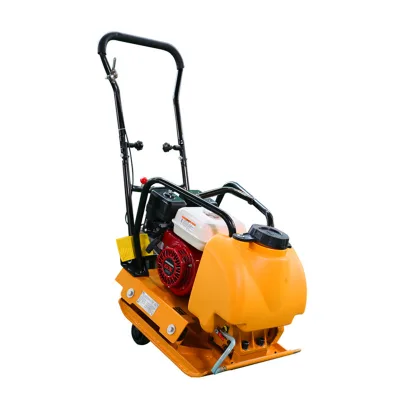
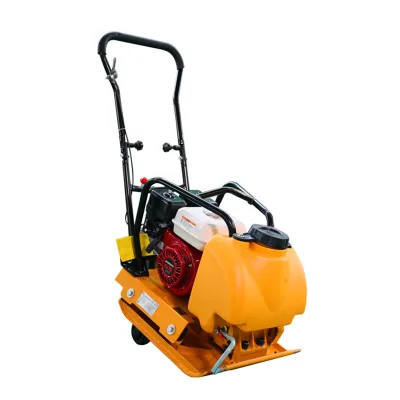


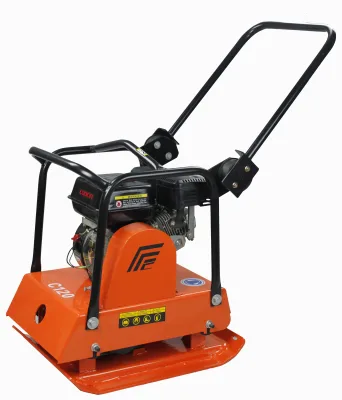
High Quality Gasoline Diesel Handheld Road Construction Plate Compactor
$160.00 - $350.00
MOQ: 1 Pieces


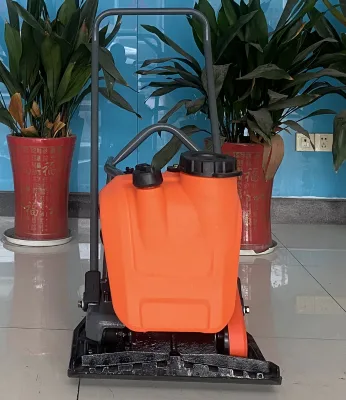
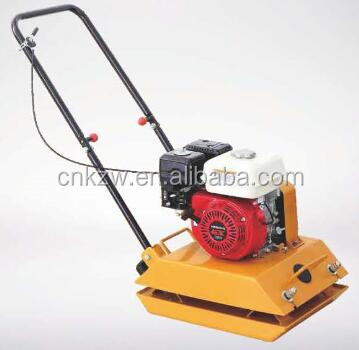




Comprehensive Sourcing Guide
87cc Gasoline Plate Compactor Sourcing Guide
Procuring a 87cc Gasoline Plate Compactor requires a disciplined approach to verifying technical alignment, regulatory compliance, and supplier reliability. These machines are essential for soil compaction in construction, landscaping, and utility trench backfilling, where achieving optimal density is critical for structural integrity. Buyers must navigate a market characterized by varying engine specifications, vibration frequencies, and plate dimensions to ensure the selected unit matches the specific soil conditions and project scale. This guide provides a structured framework for evaluating listings, interpreting technical data, and mitigating procurement risks associated with heavy machinery imports.
The following sections detail the critical verification steps for sourcing these compactors. By focusing on observable listing signals, precise technical parameters, and commercial terms, buyers can make informed decisions that balance performance requirements with cost efficiency. The guidance emphasizes evidence-based verification over marketing claims, ensuring that the final procurement aligns with operational needs and safety standards.
Product Scope and Observed Listing Signals
The market for plate compactors exhibits a wide range of specifications, with observed listing prices spanning from $160 to $8,000 USD. This broad variance often reflects differences in engine quality, plate material thickness, and included accessories rather than just brand prestige. Buyers should treat the lower end of this range as indicative of basic, entry-level units, while higher prices may correlate with enhanced durability, branded engines, or additional certifications. Understanding this spectrum helps in setting realistic budget expectations and identifying listings that may be outliers due to unusual specifications or bundled services.
Minimum Order Quantities (MOQ) in this category typically range from 1 to 10 units, suggesting that most suppliers cater to both individual contractors and small-scale distributors. An MOQ of 1 allows for easy sampling and testing, which is crucial for verifying machine performance before committing to larger orders. However, buyers should be aware that ordering single units may result in higher per-unit costs compared to bulk purchases. The presence of customization options in many listings indicates that suppliers are willing to adapt packaging, color, or minor technical details to meet specific buyer requirements, providing flexibility in the sourcing process.
Technical Specifications to Verify
Engine power and type are primary determinants of a compactor’s performance, with observed specifications ranging from 5.5HP to 9HP. While the core keyword specifies an 87cc engine, buyers must verify the actual horsepower and engine brand, as listings may feature Honda or other reputable brands that impact longevity and parts availability. The engine type is consistently listed as petrol or gasoline, which is standard for portable compactors, but buyers should confirm fuel efficiency and maintenance requirements. Matching the engine power to the plate size and weight ensures adequate centrifugal force for effective soil compaction without overloading the machine.
Vibration frequency and travel speed are critical for operational efficiency, with observed frequencies around 5000 to 5500 times per minute and speeds between 25cm/s and 40cm/s. Higher vibration frequencies generally provide better compaction depth, while travel speed affects the pace of work. Buyers should verify the plate size, which varies from 5036mm to 6045cm, ensuring it suits the trench width or area being compacted. Additionally, the axle type, whether uniaxial monowheel or biaxial three-wheel, influences stability and maneuverability, so selecting the appropriate configuration for the terrain is essential for safe and efficient operation.
Compliance and Safety Documentation
Certifications such as ISO 9001, CE, RoHS, and EPA are frequently cited in listings, indicating adherence to quality management and environmental standards. Buyers must verify the validity of these certifications, as they are crucial for market access in regions with strict regulatory requirements, particularly in Europe and North America. The CE mark, for instance, is a mandatory conformity marking for products sold within the European Economic Area, ensuring that the machine meets health, safety, and environmental protection standards. Similarly, ISO 9001 certification suggests that the manufacturer has a robust quality management system in place, which can be a proxy for product consistency and reliability.
Safety features and documentation are equally important, with listings often highlighting video outgoing-inspections and warranty periods of up to 3 years. Buyers should request detailed safety manuals and ensure that the machine includes necessary guards and emergency stop mechanisms. The warranty period provides a safety net for early failures, but buyers must clarify the terms, including coverage for parts and labor, and the process for claiming warranty service. Verifying that the supplier provides comprehensive documentation, including user manuals and maintenance guides, is essential for safe operation and long-term machine care.
Cost Drivers and Commercial Terms
The cost of a plate compactor is influenced by several factors, including engine brand, plate material, and packaging. Listings show packing options ranging from wooden cases to cartons, with wooden cases offering superior protection during transit but at a higher cost. Buyers should assess the necessity of robust packaging based on the shipping distance and handling conditions, as damaged goods can lead to significant delays and additional expenses. The weight of the machine, observed around 90kg, also impacts shipping costs, so buyers should calculate total landed costs, including freight and insurance, to make accurate budget comparisons.
Commercial terms such as payment methods, lead times, and after-sales support should be clearly defined in the purchase agreement. Buyers should negotiate for secure payment terms, such as using escrow services or letters of credit, to mitigate financial risk. Lead times can vary based on production schedules and shipping logistics, so buyers should confirm expected delivery dates and penalties for delays. Additionally, understanding the supplier’s after-sales support structure, including availability of spare parts and technical assistance, is crucial for minimizing downtime and ensuring the machine remains operational throughout its lifecycle.
Supplier Qualification and Quality Control
Supplier qualification involves verifying the manufacturer’s background, production capacity, and quality control processes. Buyers should request business licenses, factory audits, and references from previous clients to assess the supplier’s reliability. The origin of the product, often listed as Jiangsu, China, or Ningbo, China, can provide insights into the local industrial ecosystem and supply chain efficiency. Buyers should also check for any negative feedback or disputes associated with the supplier, as these can indicate potential issues with product quality or customer service.
Quality control measures, such as video outgoing-inspections and core component verification, are vital for ensuring that the delivered machine meets the agreed specifications. Buyers should insist on pre-shipment inspections, either through third-party agencies or by requesting detailed video evidence of the machine’s operation and condition. The core components, particularly the engine, should be verified for authenticity and quality, as counterfeit or substandard engines can lead to premature failure. Establishing a clear quality assurance protocol with the supplier helps in maintaining consistency and reducing the risk of receiving defective units.
Long-Term Procurement Checks
Long-term procurement success depends on establishing a strong relationship with the supplier and implementing continuous improvement processes. Buyers should conduct regular performance reviews of the machines in the field, collecting feedback from operators on durability, ease of use, and maintenance needs. This feedback can be used to negotiate improvements in future orders, such as enhanced engine performance or better ergonomic designs. Building a partnership with the supplier allows for collaborative problem-solving and access to new product developments, ensuring that the procurement strategy remains aligned with evolving project requirements.
Monitoring market trends and technological advancements in plate compactor technology is also essential for staying competitive. Buyers should stay informed about new engine technologies, such as more fuel-efficient or emission-compliant models, and evaluate whether upgrading to newer models offers a better total cost of ownership. Additionally, buyers should regularly review their supplier base to ensure they are getting the best value and service. By maintaining a proactive approach to supplier management and market analysis, buyers can optimize their procurement strategy and achieve long-term cost savings and operational efficiency.
FAQs
What certifications do the 87cc gasoline plate compactors have?
The products hold ISO 9001, CE, RoHS, CS, and EPA certifications. These standards ensure compliance with international safety and quality requirements for industrial machinery used in construction and roadwork applications.
Which engine types are available for these plate compactors?
Available engines include petrol and gasoline types with power ranging from 6.5HP to 9HP. Some models specifically feature Honda brand engines to ensure reliable performance and durability during heavy-duty compaction tasks.
Can I customize the specifications of the plate compactor?
Yes, customization is available for these machines to meet specific project needs. Buyers can request adjustments to dimensions, power output, or packing methods like wooden cases or cartons depending on the supplier.
What is the typical travel speed of the vibrating plate compactor?
Travel speeds vary between 25cm/s and 40cm/s depending on the specific model. This range allows operators to choose between faster coverage or more precise compaction control for different soil types.
How deep can the plate compactor effectively compact soil?
The compaction depth ranges from 30cm to 35cm for standard models. This capability ensures efficient ground preparation for foundations, trenches, and small-scale paving projects without requiring multiple passes.
What is the warranty period for the 87cc Gasoline Plate Compactor?
The standard warranty period provided is 3 years for the machine. This coverage typically includes core components like the engine, ensuring long-term reliability and support for professional contractors and rental companies.