Source Abrasion-Resistant African Wax Print Fabric for Garment, Home Textile, and Bag
Find 30 verified listings for Abrasion-Resistant African Wax Print Fabric suitable for garment, home textile, and bag applications. Buyers can compare specifications including material, weight, and packing options from multiple suppliers in China.
Key considerations
Products List


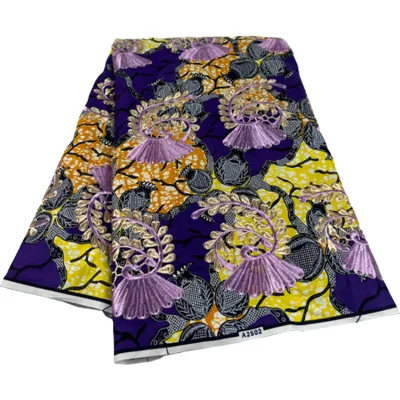
Disperse Printed Fabric Africa Wax Fabric African Dress Fabric South Africa
$0.18 - $0.80
MOQ: 5000 Meters


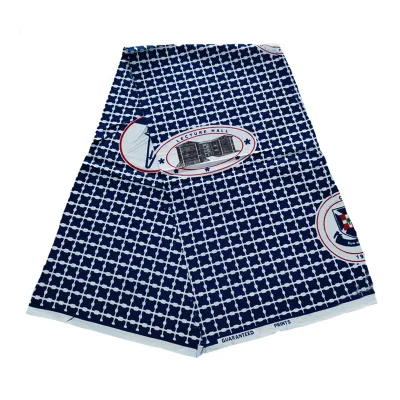
Premium 100% Cotton Real African Wax Print Fabric for Traditional Garments
$0.83 - $0.86
MOQ: 9000 Yards





Comprehensive Sourcing Guide
Strategic Sourcing Guide for Abrasion-Resistant African Wax Print Fabric
Understanding the Technical Profile of Wax Print Fabrics
Sourcing abrasion-resistant African wax print fabric requires a precise understanding of the material composition and structural integrity that defines this category. Based on available product data, the core material composition for these textiles often centers on 100% cotton or 100% polyester, with specific variants utilizing a blend of 100% polyester. The choice between cotton and polyester significantly influences the fabric's tactile feel, dye absorption, and resistance to wear. Cotton-based variants, such as those described with a 100% cotton fiber composition, typically offer a natural hand feel and are often associated with traditional wax print aesthetics. In contrast, polyester-based options provide enhanced durability and moisture resistance, which are critical for applications requiring high abrasion resistance.
The physical construction of the fabric is equally vital. The observed technical specifications indicate that the fabric is produced using woven techniques, specifically utilizing combed yarn types for cotton variants or filament fibers for polyester options. The fiber cross-section for certain high-performance models is noted as hollow filament, a structural feature that can contribute to bulk and insulation while maintaining tensile strength. The weight of the fabric is a primary determinant of its durability; the observed range spans from 110 to 150 GSM (grams per square meter), with specific standard references pointing to 150 GSM as a benchmark for heavier, more durable stock. This weight range ensures the fabric possesses sufficient mass to withstand mechanical friction without premature thinning or tearing.
Width specifications are another critical technical parameter, with observed data indicating standard widths of 46 inches or 47 inches, alongside broader ranges extending from 115 cm to 300 cm. This variability allows buyers to select widths that minimize waste during the cutting and sewing phases of garment or home textile production. The fabric type is generally categorized as plain or twill, with the plain weave being the most common substrate for wax printing due to its uniform surface area. The printing process itself is diverse, encompassing pigment, disperse, digital, and nano printing technologies. These methods affect the colorfastness and the depth of the pattern, which directly correlates with the visual longevity of the abrasion-resistant finish.
Compliance, Certification, and Quality Standards
When procuring industrial-grade wax print fabrics, verifying compliance with recognized standards is essential to ensure the product meets safety and quality expectations. The supply chain data highlights several relevant standards and certifications. One observed standard is SGS, a globally recognized inspection, verification, testing, and certification company. The presence of SGS in the product attributes suggests that the fabric has undergone third-party testing for quality assurance, though the specific test parameters (such as colorfastness to rubbing or tensile strength) must be confirmed with the supplier.
In addition to third-party certifications, intrinsic material standards are frequently cited. For instance, "100% cotton" and "100% polyester" are listed as product standards, indicating that the fiber composition is a verified attribute rather than a marketing claim. Buyers must ensure that the "100% cotton" designation aligns with the intended application, as pure cotton may require specific finishing treatments to achieve the desired abrasion resistance. Similarly, the "150gsm" standard represents a specific weight benchmark that buyers should request as a baseline for heavy-duty applications.
The functional attributes of the fabric also serve as a proxy for compliance with performance standards. The observed list includes functions such as shrink-resistant, tear-resistant, anti-static, and waterproof capabilities. These are not merely features but indicators of the fabric's ability to meet rigorous usage standards. For example, a "tear-resistant" classification implies that the fabric has passed specific tensile strength tests, while "anti-static" properties suggest compliance with electrostatic discharge standards relevant to industrial environments. Buyers should verify that these functional claims are backed by test reports, particularly for the "abrasion-resistant" attribute, which is the core requirement of this sourcing guide.
Cost Drivers and Pricing Dynamics
The pricing of abrasion-resistant African wax print fabric is influenced by a complex interplay of material costs, production techniques, and order volume. The observed price range in the market spans from $0.18 to $16.00 USD per unit, a variance that reflects differences in material quality, printing complexity, and order quantity. The lower end of this spectrum typically corresponds to basic polyester variants or smaller order quantities, while the higher end likely reflects premium 100% cotton options with complex digital or nano printing and higher GSM weights.
Order volume is a primary cost driver, as evidenced by the observed Minimum Order Quantity (MOQ) range of 1 to 100,000 units. Suppliers offering an MOQ of 1 are likely catering to sample procurement or prototyping, which carries a significantly higher unit cost due to the lack of economies of scale. Conversely, orders approaching 100,000 units can leverage bulk material purchasing and optimized production runs, driving the unit price down. Buyers must balance their immediate needs with long-term inventory goals to optimize costs.
Material composition is another significant factor. 100% cotton fabrics generally command a higher price than polyester equivalents due to the cost of raw cotton and the more labor-intensive processing required for combed yarns. Furthermore, the printing technology used impacts the final price. Digital and nano printing, while offering superior color accuracy and detail, often incur higher setup and running costs compared to traditional pigment or disperse printing. The packing method also plays a role; options such as bale packing, roll packing, or plastic bag packaging may have different associated costs, with bale packing often being more cost-effective for large-scale shipping.
Typical Applications and Usage Scenarios
The versatility of abrasion-resistant African wax print fabric makes it suitable for a wide array of applications across multiple industries. The observed usage categories include clothes, industrial textiles, home textiles, and garments. This broad applicability stems from the fabric's combination of aesthetic appeal and functional durability. In the garment sector, the fabric is ideal for creating durable clothing items such as jackets, trousers, and skirts that require a robust finish to withstand daily wear and tear. The "wax print" style, often characterized by colorful and plain patterns, adds a distinct cultural and visual element that is highly valued in fashion design.
In the home textile sector, the fabric is utilized for bedding, curtains, and general home decor. The specific functional attributes observed, such as "black-out" capabilities and "shrink-resistant" properties, make it particularly suitable for curtain applications where light control and dimensional stability are required. The "high strength" and "tear-resistant" features further support its use in heavy-duty home textiles that may be subjected to frequent handling.
Industrial applications also represent a significant market segment. The fabric's "anti-static" and "waterproof" properties are critical for use in industrial settings where safety and protection are paramount. Additionally, the fabric is noted for use in bag manufacturing, where abrasion resistance is essential to prevent tearing during transport and handling. The "hollow filament" fiber type observed in some variants suggests potential applications in insulation or specialized industrial textiles where thermal properties are also a consideration.
Supplier Evaluation and Sourcing Criteria
Evaluating suppliers for abrasion-resistant African wax print fabric requires a systematic approach to verify their capability to deliver consistent quality. The origin of the products is a key indicator of supply chain maturity, with observed locations including China, specifically Changxing, Huzhou, and Huzhou, Zhejiang. These regions are known for their textile manufacturing infrastructure, but buyers should still conduct due diligence on individual supplier capabilities.
Key evaluation criteria include the supplier's ability to provide samples, such as the "A4 Sample for Free" observed in the data. This allows buyers to physically assess the fabric's weight, texture, and print quality before committing to a large order. The availability of customization is another critical factor; the data confirms that customization is available, including client color and design acceptance. Buyers should verify the supplier's capacity to handle custom orders, including the lead time and the minimum quantities required for custom runs.
The supplier's technical expertise in handling different fiber types and printing methods is also essential. A capable supplier should be able to demonstrate proficiency in producing both 100% cotton and 100% polyester variants, as well as executing various printing techniques like pigment, disperse, digital, and nano printing. The ability to meet specific width requirements, ranging from 46 inches to 300 cm, is another technical benchmark to verify. Finally, the supplier's quality control processes, including adherence to standards like SGS and the ability to provide test reports for abrasion resistance, are non-negotiable for ensuring product reliability.
Quality Control and Long-Term Procurement Considerations
Maintaining quality control throughout the procurement lifecycle is essential for ensuring the longevity and performance of abrasion-resistant African wax print fabric. Buyers should implement a rigorous quality assurance protocol that includes pre-production sample approval, in-process inspections, and final shipment verification. The observed functional attributes, such as "abrasion-resistant," "anti-distortion," and "tear-resistant," must be validated through independent testing to ensure they meet the specific requirements of the end application.
Long-term procurement considerations involve building a sustainable relationship with suppliers who can consistently deliver high-quality products. This includes evaluating the supplier's ability to maintain consistent color fastness and pattern alignment across large production runs. The "customization" aspect of the product line suggests that buyers may need to work closely with suppliers to refine designs and specifications over time. It is also important to consider the environmental impact of the production process, particularly regarding the dyes and finishing agents used in the printing and treatment of the fabric.
The packaging method, whether roll, bale, or plastic bag, should be selected based on the logistics requirements of the buyer. Proper packaging ensures that the fabric remains protected during transit, preventing damage that could compromise the abrasion-resistant properties. Additionally, buyers should monitor the supplier's lead times and production capacity to ensure that supply chain disruptions do not impact their operations. By focusing on these quality control and long-term strategic factors, buyers can secure a reliable supply of high-performance wax print fabric that meets their specific needs.
Comparative Analysis of Fabric Specifications
To facilitate informed decision-making, the following table summarizes the key technical specifications observed in the market for abrasion-resistant African wax print fabric. This comparison highlights the variations in material, weight, and functionality that buyers should consider when selecting a product.
| Specification Category | Observed Attribute | Typical Value / Range | Relevance to Abrasion Resistance |
|---|---|---|---|
| Material Composition | Fiber Type | 100% Cotton, 100% Polyester, Blend | Determines base durability and feel |
| Weight | GSM | 110-150 GSM (Standard 150gsm) | Higher GSM generally indicates better wear resistance |
| Weave Structure | Technique | Woven (Plain, Twill) | Tight weave improves tear and abrasion resistance |
| Yarn Type | Yarn | Combed (Cotton), Filament (Polyester) | Combed yarns offer smoother, stronger surfaces |
| Functional Features | Properties | Shrink-Resistant, Tear-Resistant, Anti-Static | Direct indicators of performance under stress |
| Printing Method | Print Type | Pigment, Disperse, Digital, Nano | Affects colorfastness and surface integrity |
| Width | Dimension | 46"/47", 115CM-300CM | Impacts cutting efficiency and waste |
| Origin | Location | China (Huzhou, Changxing) | Indicates manufacturing hub and potential logistics |
This comparative analysis underscores the importance of selecting the right combination of material, weight, and weave to achieve the desired level of abrasion resistance. Buyers should use this data as a baseline for discussions with suppliers, ensuring that the final product specifications align with their specific application requirements.
FAQs
What material compositions are available for this fabric?
The fabric is available in 100% cotton or 100% polyester compositions. Buyers can select combed yarn for cotton variants or hollow filament for polyester options to match specific durability needs.
Which printing technologies are used for the wax print patterns?
Manufacturers utilize pigment, disperse, digital, and nano printing technologies for these fabrics. These methods ensure vibrant colors and pattern depth suitable for both garment and home textile applications.
Can buyers request custom designs and colors for this fabric?
Yes, customization is available including client color and design acceptance. Suppliers offer A4 samples for free to verify quality before proceeding with custom orders based on specific client requirements.
What are the standard weight and width specifications for this fabric?
Standard weights range from 110 to 150 GSM with 150 GSM being a common benchmark. Widths typically span 46 to 47 inches or extend up to 300 centimeters for broader industrial applications.
Which functional properties does this fabric offer for industrial use?
The fabric provides shrink-resistant, tear-resistant, anti-static, and waterproof functions. High strength and abrasion resistance make it suitable for heavy-duty industrial textiles, bags, and protective garments.
How does the minimum order quantity affect pricing for this fabric?
Prices range from 0.18 to 16 USD depending on order volume and material type. Minimum order quantities vary from 1 unit for samples to 100,000 units for bulk production runs.