Source Abrasion Resistant Neoprene Diving Socks for snorkeling, surfing, and scuba diving
Compare 30 listings for Abrasion Resistant Neoprene Diving Socks suitable for underwater sports. Buyers can evaluate features like thickness, material, and MOQ across verified suppliers in China.
Key considerations
Products List
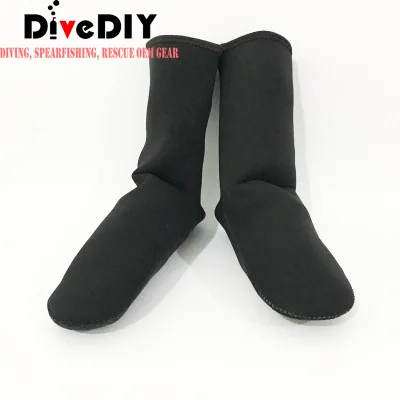
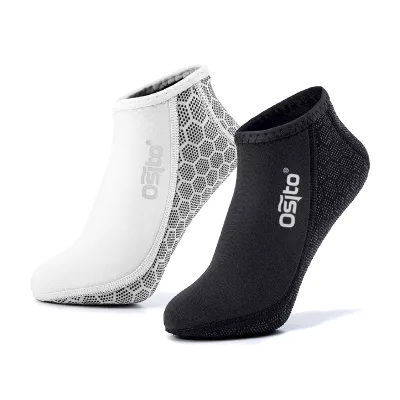
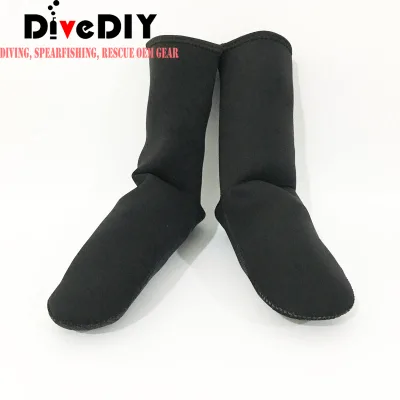
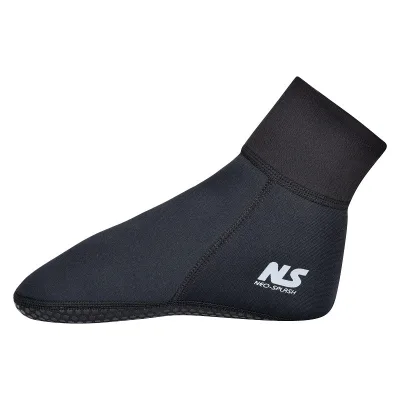
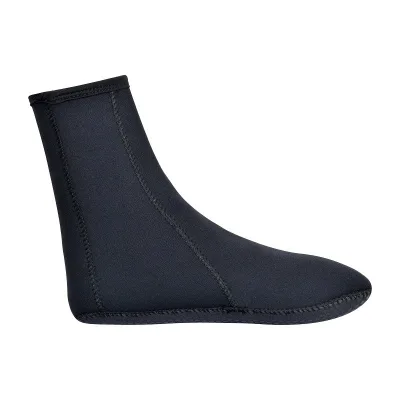
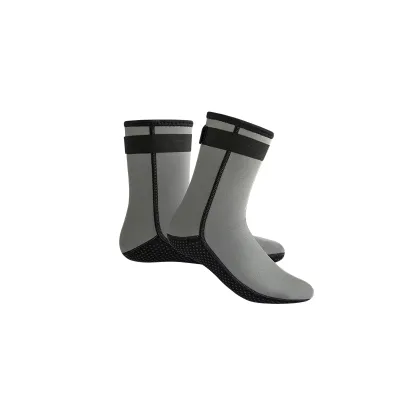
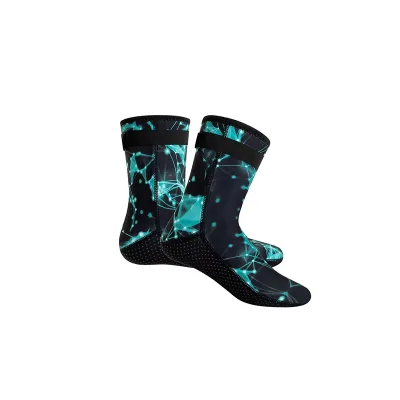
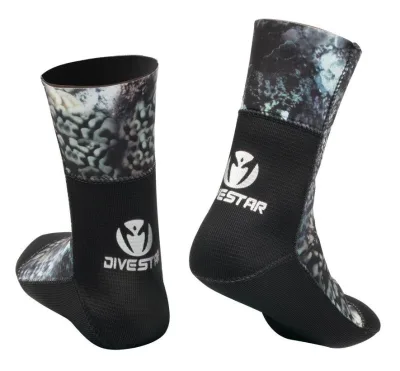
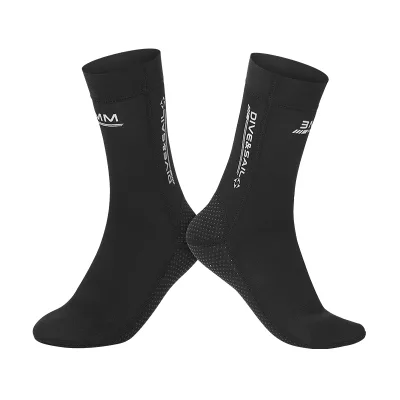
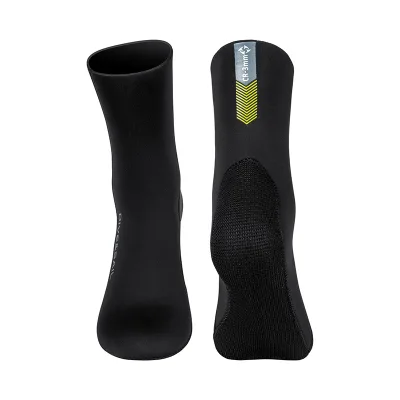
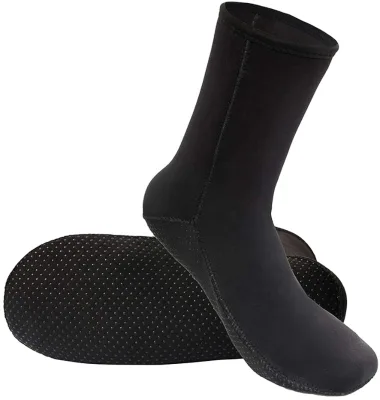
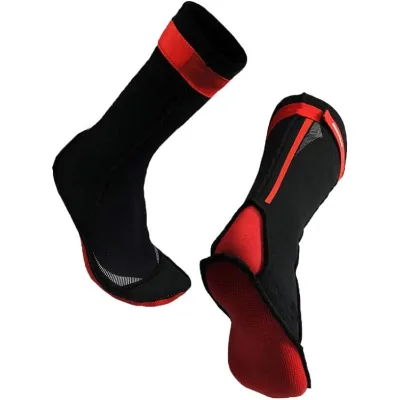


Comprehensive Sourcing Guide
Strategic Sourcing Guide for Abrasion Resistant Neoprene Diving Socks
Understanding Material Composition and Technical Specifications
When sourcing abrasion-resistant neoprene diving socks, the primary focus must be on the specific material composition and technical attributes that define durability and performance in aquatic environments. The core material identified in available product data is neoprene, often specified with thickness variations such as 2mm or 3mm. This thickness is a critical determinant of thermal insulation and protection against underwater hazards. The 3mm variant, explicitly noted in supplier listings, offers a balance between flexibility and the robustness required for abrasion resistance against rocky substrates or rough seabeds.
The upper material composition is equally vital. While neoprene serves as the primary insulating layer, the outer shell often incorporates additional materials to enhance durability. Available data indicates that rubber is frequently used as an outsole material, providing the necessary grip and resistance to wear. In some configurations, the upper material may also include nylon, polyester, or cotton fabric blends, which can influence the sock's breathability and structural integrity. The lining material, often described as knitting, fabric, or cotton fabric, plays a significant role in comfort and moisture management, ensuring the sock remains breathable and quick-drying even after prolonged exposure to water.
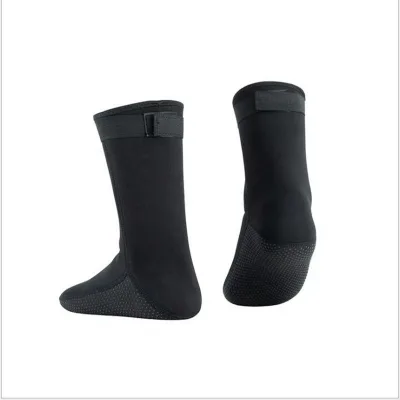
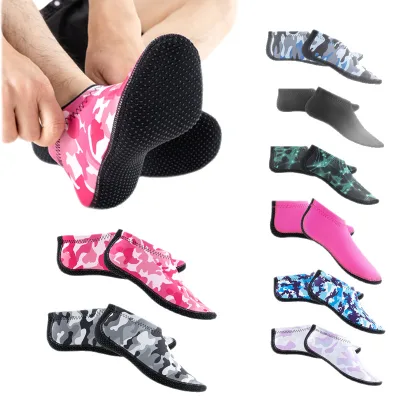
Technical specifications extend beyond material to include the construction techniques employed. Products are available in knitted, nonwoven, or woven formats, with printed designs being a common stylistic choice. The presence of a fasten strap, either with or without, is a functional specification that affects the fit and security of the sock during high-intensity activities like freediving or spearfishing. The thickness specification, ranging from standard to thick, directly correlates with the level of protection offered. Buyers must verify that the "abrasion-resistant" claim is backed by the specific thickness and the inclusion of rubberized or reinforced outsoles, as these are the physical attributes that prevent tearing and puncturing in rough underwater conditions.
Compliance, Certification, and Safety Standards
In the B2B procurement of diving equipment, verifying compliance and certifications is a non-negotiable step to ensure product safety and market readiness. The supply chain data for neoprene diving socks indicates that certain manufacturers hold management certifications such as BSCI (Business Social Compliance Initiative) and ISO standards. Specifically, ISO certifications are mentioned in the context of management systems, which suggests a commitment to quality control processes, though the specific ISO standard (e.g., ISO 9001) should be verified against the supplier's current documentation rather than assumed.
Product-specific certifications are also critical. The data references CE marking, which is a mandatory conformity mark for products sold within the European Economic Area. This certification implies that the diving socks meet the essential health, safety, and environmental protection requirements. However, buyers must treat this as an observation of the supplier's current status rather than a universal guarantee for all listed products. It is essential to request valid test reports or certificates of conformity to confirm that the specific batch of neoprene socks complies with the relevant safety standards for diving gear.
Furthermore, the origin of the products is predominantly China, with specific mentions of Shanghai as a place of origin and port of dispatch. This geographic concentration can influence logistics and compliance with import regulations in various regions. Buyers should ensure that the supplier can provide documentation verifying the origin and that the products adhere to the safety regulations of the destination market. While some background information mentions standards like OEKO-TEX or ISO 13485, these should not be assumed to apply to diving socks unless explicitly confirmed by the supplier, as these standards often pertain to medical devices or textile safety rather than specialized diving equipment.
Cost Drivers and Pricing Dynamics
The pricing structure for abrasion-resistant neoprene diving socks is influenced by several variable factors, including material thickness, customization requirements, and order volume. The observed price range in the market spans from approximately $0.92 to $30.00 USD. This wide variance is not arbitrary; it reflects differences in material quality, thickness (2mm vs. 3mm), and the complexity of the manufacturing process. Thicker neoprene with reinforced rubber outsoles naturally commands a higher price point due to the increased material cost and labor involved in production.
Order volume is another significant cost driver. The Minimum Order Quantity (MOQ) varies widely, ranging from as low as 1 pair to as high as 1000 pairs. Suppliers offering lower MOQs, such as 50 pairs or 100 pieces, may charge a premium per unit to cover the setup costs for smaller production runs. Conversely, bulk orders often benefit from economies of scale, reducing the unit cost. The supply type also impacts pricing; products available as in-stock items may be priced differently compared to those requiring OEM (Original Equipment Manufacturer) or ODM (Original Design Manufacturer) services. Customization, such as adding a specific logo or altering the packaging, introduces additional costs that must be factored into the total procurement budget.
Additionally, packaging and logistics costs play a role in the final price. Standard packaging often involves PP bags or OPP bags, with single package sizes typically around 10x10x15 cm or 15x10x10 cm. Custom packaging solutions, which are available upon request, will incur extra charges. The gross weight of a single package is noted as 0.200 kg, which is a useful metric for calculating shipping costs. Buyers should request detailed quotations that break down the unit price, tooling fees for customization, and shipping costs to understand the true cost of ownership.
Typical Applications and Usage Scenarios
Abrasion-resistant neoprene diving socks are designed for a diverse range of underwater activities where foot protection is paramount. The primary applications identified include underwater sports, swimming, snorkeling, surfing, and various forms of diving such as scuba diving and freediving. The specific mention of "underwater diving" and "spearfishing" highlights the socks' utility in environments where sharp rocks, coral, or marine life pose a threat to bare feet.
The versatility of these socks is further demonstrated by their suitability for different gender and age groups. Products are available for men, women, kids, and unisex users, ensuring that protection is accessible to all participants in water sports. The style of the socks, ranging from regular and sport to casual and printed, allows them to be integrated into various gear setups. The "all seasons" designation indicates that these socks are not limited to tropical waters; they provide thermal insulation in cooler environments, making them suitable for year-round use.
The functional attributes of the socks, such as being waterproof, quick-drying, and breathable, support their use in high-intensity scenarios. For instance, during freediving or spearfishing, where agility and comfort are crucial, the socks must not restrict movement while providing a barrier against abrasion. The inclusion of features like fasten straps ensures a secure fit, preventing the socks from slipping off during vigorous activity. Buyers should consider the specific demands of their target market's activities when selecting the appropriate thickness and material composition to ensure optimal performance.
Supplier Evaluation and Selection Criteria
Selecting the right supplier for neoprene diving socks requires a rigorous evaluation process that goes beyond price comparisons. The supply type, whether in-stock, OEM, or ODM, should align with the buyer's business model. Suppliers offering OEM and ODM services provide flexibility for branding and customization, which is essential for companies looking to establish a unique market presence. The ability to accept customized logos and packaging is a key indicator of a supplier's capability to meet specific brand requirements.
Geographic location and logistics capabilities are also critical factors. With the majority of suppliers located in China, specifically in Shanghai, buyers must assess the supplier's experience with international shipping and export documentation. The port of dispatch being Shanghai is a standard reference point, but buyers should verify the supplier's reliability in meeting lead times and handling customs clearance. The supply ability, noted as 10,000 pieces per month for some suppliers, provides insight into the production capacity and the ability to scale orders during peak seasons.
Quality control processes should be a central part of the supplier evaluation. While management certifications like BSCI and ISO suggest a commitment to quality, buyers should request samples to physically inspect the abrasion resistance, stitching quality, and material consistency. The presence of specific model numbers, such as YH-CL-#1086 or NS001, can help in tracking specific product lines and ensuring consistency across orders. Additionally, the supplier's responsiveness to inquiries and their willingness to provide detailed product specifications are indicators of their professionalism and reliability.
Quality Control and Long-Term Procurement Considerations
Ensuring the long-term success of a procurement strategy for neoprene diving socks involves establishing robust quality control measures and planning for future scalability. The physical attributes of the socks, such as the neoprene thickness and rubber outsole, must be consistently maintained across production batches. Buyers should implement a sampling protocol to verify that the abrasion resistance and thermal properties meet the specified standards before accepting large shipments.
Long-term procurement considerations also include the stability of the supply chain. Given the observed MOQ ranges and the potential for customization, buyers should negotiate terms that allow for flexible ordering while maintaining cost efficiency. The ability to source in-stock items for immediate needs while planning OEM orders for future growth can help manage inventory levels effectively. Furthermore, maintaining a relationship with suppliers who offer ODM services can provide a competitive edge by allowing for continuous product innovation and adaptation to market trends.
Finally, buyers should remain vigilant regarding regulatory changes and certification requirements. As the diving industry evolves, new safety standards may emerge, and suppliers must be capable of adapting their production processes to comply. Regular audits and communication with suppliers regarding their certification status and quality control measures will help mitigate risks and ensure a steady supply of high-quality, abrasion-resistant neoprene diving socks. By focusing on these strategic elements, buyers can build a resilient supply chain that supports their business growth and customer satisfaction.
FAQs
What materials are used for Abrasion Resistant Neoprene Diving Socks?
These socks primarily use neoprene, often with rubber outsoles for grip. Some variants include nylon, polyester, or cotton fabric blends in the upper or lining to enhance durability and breathability during underwater activities.
Which certifications should I verify for diving socks?
Verify management certifications like BSCI and ISO, along with product-specific CE marking for European compliance. Buyers must request valid test reports to confirm that specific batches meet safety standards for diving gear.
How does thickness affect the performance of these socks?
Thickness ranges from standard to thick, with 2mm or 3mm options available. The 3mm variant offers better thermal insulation and robustness against abrasion from rocky substrates compared to thinner alternatives.
Can I order custom logos and packaging for these socks?
Yes, suppliers accept customized logos and offer custom packaging options upon request. Standard packaging typically involves PP or OPP bags, but buyers can negotiate specific designs for their brand requirements.
What is the typical minimum order quantity for these products?
Minimum order quantities vary widely, ranging from 1 pair to 1000 pairs. Some suppliers list specific MOQs like 50 pairs or 100 pieces, while others may accept small orders depending on stock availability.
Where are these diving socks typically manufactured and shipped from?
Products originate predominantly from China, with Shanghai frequently cited as the place of origin and port of dispatch. Buyers should verify export documentation to ensure compliance with destination market regulations.
What usage scenarios are these socks suitable for?
They are designed for underwater sports, swimming, snorkeling, surfing, scuba diving, and freediving. The waterproof and quick-drying features make them ideal for protecting feet against sharp rocks and coral in various aquatic environments.