Source ABS Adjustable Adult Bicycle Helmet for Road, MTB, and Commuting
Find 30 ABS Adjustable Adult Bicycle Helmet options featuring PC shells and EPS liners. Compare sizes, colors, and customization for road racing, mountain biking, and general riding needs.
Key considerations
Products List
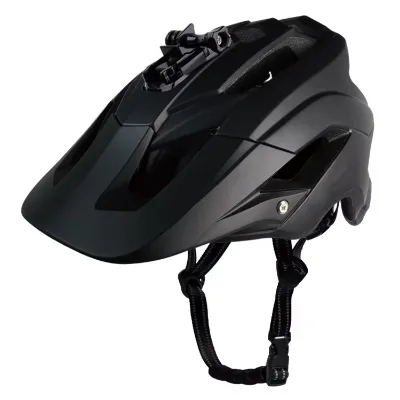
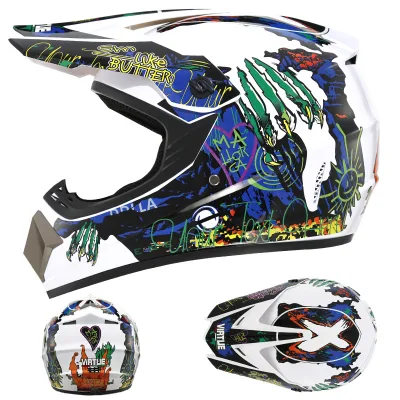
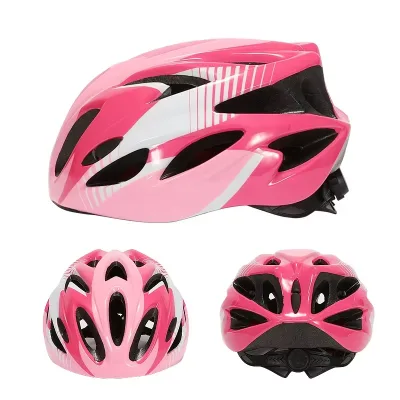
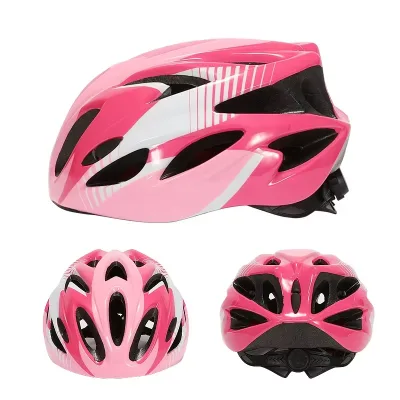
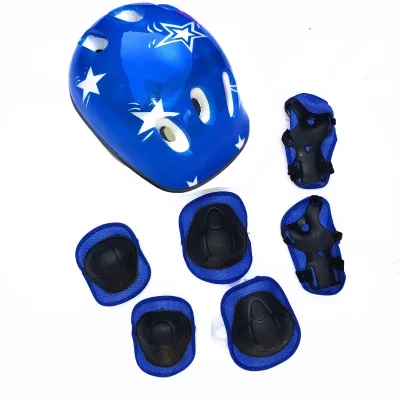

Bicycle Bike Cycling Portable Durable Safety Helmets for Children and Adults
$1.00 - $1.40
MOQ: 1000 Pieces


Adjustable Adult Unisex Cycling Bike Bicycle Safety Helmets for Outdoor Sports
$3.55 - $4.50
MOQ: 100 Pieces


Adjustable Helmet with LED Light Bicycle Bike Helmet Bicycle Sport for Adults
$13.50 - $15.80
MOQ: 500 Pieces


Adjustable Size Cycling Helmet Speed Safety Breathable Teenagers Adults Bike Road Helmets
$33.45 - $34.60
MOQ: 500 Pieces


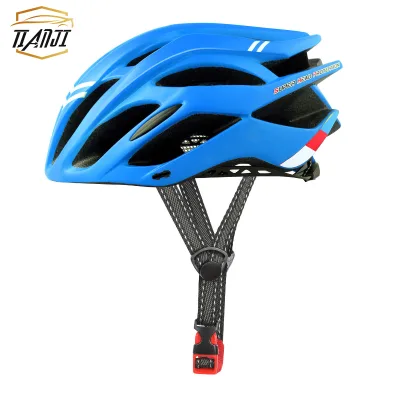


Comprehensive Sourcing Guide
ABS Adjustable Adult Bicycle Helmet Sourcing Guide
Sourcing ABS adjustable adult bicycle helmets requires a careful balance between cost-efficiency and structural integrity, particularly when evaluating materials that differ from the industry-standard polycarbonate (PC) shells. While many premium helmets utilize in-mold technology with PC outer shells for superior impact dispersion, ABS (Acrylonitrile Butadiene Styrene) variants often rely on a different manufacturing process, typically involving a hard outer shell bonded to an Expanded Polystyrene (EPS) liner. Buyers must recognize that ABS offers distinct advantages in terms of durability and cost, but it may lack the lightweight profile and high-impact energy absorption characteristics of PC or composite materials. Therefore, the procurement strategy must focus on verifying the specific construction method, ensuring that the "adjustable" fit system provides secure retention without compromising the helmet's structural balance.
The adult market demands helmets that accommodate a wide range of head sizes, often requiring adjustable sizing mechanisms such as dial-fit systems or snap-fit adjusters. In the context of the supplied data, observed specifications indicate sizes ranging from 54-58 cm and hoop sizes of 57-60 cm, which suggests a focus on standard adult head circumferences. Procurement teams should prioritize suppliers who offer customizable molds and color options, as this flexibility allows for brand differentiation in competitive markets. However, the distinction between "ABS" and "PC" materials is critical; while some listings may use these terms interchangeably or offer both, the material choice directly influences weight, ventilation efficiency, and safety performance. Buyers must explicitly confirm whether the product is strictly ABS or a PC/ABS blend to align with their quality standards and target price points.
Product Scope and Observed Listing Signals
The observed market signals indicate a diverse range of product configurations, with prices ranging from $1 to $34.6 USD and Minimum Order Quantities (MOQs) varying from 2 to 1000 pieces. This wide price band suggests a spectrum of quality tiers, from basic entry-level models to more feature-rich options with advanced ventilation and customization. The presence of 20 air vents in some listings highlights a focus on aerodynamics and rider comfort, which are key selling points for adult cyclists engaged in road or mountain biking. Buyers should analyze these signals to determine their target segment; lower-priced items with higher MOQs may indicate mass-produced, standardized designs, while higher-priced items with lower MOQs often support custom branding and specialized material compositions.
Listing attributes reveal a strong emphasis on customization, with options for Pantone colors, custom logos, and specific EPS mold selections. The data shows that suppliers accept customized patterns and offer a variety of colorways, including black, white, blue, and camouflage options, catering to diverse aesthetic preferences. Additionally, the mention of "In-mold technology" in some attributes contrasts with the ABS keyword, indicating that buyers must scrutinize product descriptions to ensure the material matches their expectations. The observed weight of 256g for certain models provides a benchmark for lightweight performance, which is a critical factor for adult riders concerned with fatigue and performance. Procurement teams should use these signals to filter suppliers based on their ability to meet specific technical and aesthetic requirements.
Technical Specifications to Verify
When evaluating technical specifications, the first priority is confirming the outer shell material and construction method. While the core keyword specifies ABS, the supplied data includes references to PC (Polycarbonate) shells and in-mold technology. Buyers must verify if the helmet is a traditional ABS shell bonded to EPS or if it utilizes a more advanced in-mold process where the shell is fused with the liner. The thickness of the shell, noted as 0.75mm or 1mm in some listings, is a critical indicator of durability and impact resistance. Thicker shells generally offer better protection but may add weight, so buyers should request detailed material specifications to ensure the product meets their safety and performance criteria.
Fit and adjustability are equally important technical aspects that require verification. The observed size range of 54-58 cm and hoop sizes of 57-60 cm suggest a focus on adult head sizes, but buyers should confirm the availability of adjustable dial systems or strap mechanisms that provide a secure and comfortable fit. The mention of 18 different EPS molds indicates that suppliers have the capability to produce helmets for various head shapes, which is essential for ensuring proper coverage and protection. Additionally, the weight of the helmet, observed at 256g, should be compared against industry standards for ABS helmets to ensure it is not excessively heavy. Buyers should also verify the number and placement of air vents, as adequate ventilation is crucial for rider comfort during extended rides.
Compliance and Safety Documentation
Safety compliance is non-negotiable for bicycle helmets, and buyers must ensure that all products meet the relevant regional standards. The supplied data mentions ISOCE certification and CE marking, which are critical for markets in Europe and other regions requiring strict safety adherence. However, buyers should verify the specific standard under which the helmet is certified, such as EN1078 for non-motorized cycles or ASTM F1447 for the US market. It is essential to request valid test reports from accredited laboratories to confirm that the helmet has passed impact attenuation, strap strength, and field of vision tests. Relying solely on supplier claims without documented proof can lead to significant legal and safety risks.
In addition to certification, buyers should assess the quality of the EPS liner and its density. High-density EPS is crucial for effective energy absorption during impacts, and the supplied data confirms the use of high-density EPS in some models. Buyers should inquire about the manufacturing process of the EPS liner, including whether it is molded to fit the specific shell shape for optimal coverage. The presence of a retention system that meets safety standards is also vital; buyers should verify that the straps and buckles are durable and easy to adjust, ensuring a secure fit for adult riders. Documentation should also include information on the helmet's lifespan and recommended replacement intervals, as EPS degrades over time and loses its protective capabilities.
Cost Drivers and Commercial Terms
The cost of ABS adjustable adult bicycle helmets is influenced by several factors, including material costs, manufacturing complexity, and customization requirements. The observed price range of $1 to $34.6 USD reflects these variations, with lower prices typically associated with standardized designs and higher volumes. Customization, such as specific Pantone colors, custom logos, and unique EPS molds, adds to the production cost and may increase the MOQ. Buyers should negotiate pricing based on their volume commitments and the level of customization required, keeping in mind that higher customization often leads to higher per-unit costs and longer lead times.
Commercial terms, including MOQs and payment conditions, vary significantly among suppliers. The observed MOQ range of 2 to 1000 pieces allows for flexibility, but buyers should be aware that lower MOQs may come with higher unit prices. Payment terms should be negotiated to mitigate risk, with options such as partial upfront payment and balance upon shipment being common. Buyers should also consider the cost of shipping and logistics, as helmets are bulky and can incur high freight charges. Understanding the total landed cost, including duties and taxes, is essential for accurate budgeting and profitability analysis. Clear communication of commercial terms with suppliers helps avoid misunderstandings and ensures a smooth procurement process.
Supplier Qualification and Quality Control
Supplier qualification is a critical step in the sourcing process, requiring a thorough assessment of the supplier's manufacturing capabilities and quality management systems. Buyers should verify the supplier's location, with Guangdong and Hebei being common origins for bicycle helmets in China, and assess their production capacity to ensure they can meet order volumes and deadlines. Requesting factory audits or third-party inspections can provide insights into the supplier's quality control processes, including raw material inspection, in-process checks, and final product testing. Suppliers with established quality management systems are more likely to deliver consistent product quality and meet safety standards.
Quality control measures should be integrated into the procurement process to minimize defects and ensure product reliability. Buyers should define clear quality acceptance criteria, including visual inspections for surface defects, fit checks for adjustability, and functional tests for strap strength and buckle durability. Sampling is a recommended practice before placing large orders, allowing buyers to verify that the production samples meet the agreed-upon specifications. Establishing a clear communication channel with the supplier for addressing quality issues and implementing corrective actions is essential for maintaining product quality. Regular follow-ups and performance evaluations help build a strong supplier relationship and ensure continuous improvement.
Long-Term Procurement Checks
Long-term procurement success depends on continuous monitoring of supplier performance and market trends. Buyers should establish key performance indicators (KPIs) to track supplier reliability, including on-time delivery rates, product quality consistency, and responsiveness to issues. Regular reviews of supplier performance help identify areas for improvement and strengthen the partnership over time. Additionally, staying informed about changes in safety standards and market demands is crucial for adapting procurement strategies. Buyers should regularly update their supplier base to include new players who may offer innovative designs or better pricing, ensuring they remain competitive in the market.
Sustainability and ethical sourcing are increasingly important considerations for long-term procurement. Buyers should assess suppliers' environmental practices, including waste management and energy efficiency, and inquire about the recyclability of helmet materials. Ensuring that suppliers adhere to ethical labor practices and provide safe working conditions is also essential for maintaining brand reputation and compliance with global standards. By integrating sustainability and ethical considerations into their procurement strategy, buyers can contribute to a more responsible and resilient supply chain. Continuous engagement with suppliers on these topics fosters a culture of shared values and long-term mutual benefit.
FAQs
What materials are used for the helmet shell and inner layer?
The helmet shell is made of PC polycarbonate using in-mold technology, while the inner layer consists of high-density EPS expanded polystyrene. This combination ensures durability and impact absorption for road and mountain racing applications.
Can the helmet size be adjusted for different head circumferences?
Yes, the helmet features an adjustable size range of 54-58 cm with an adjustor mechanism. This allows a secure fit for adults and ensures the product remains suitable for various head shapes during riding activities.
How many air vents does the helmet include for ventilation?
The helmet is equipped with 20 air vents to provide effective airflow and cooling during use. This design supports comfort for both road bike racing and mountain racing scenarios in universal seasonal conditions.
Is customization available for the helmet color and logo?
Customization is available for both colors and logos, with options including Pantone colors and specific brand markings. Buyers can request customized molds, and the product accepts various color combinations like black, white, and blue.
What is the minimum order quantity for purchasing these helmets?
The minimum order quantity is 100 pieces per color or size, though some listings indicate 150 pieces per color. This MOQ applies to the standard adult bicycle helmet models available from the supplier in Guangdong, China.
Which certifications does the helmet meet for safety standards?
The helmet meets ISOCE certification standards and references CE certification for safety compliance. These certifications ensure the product adheres to required safety protocols for adult use in various riding environments.