Source ABS Black Lip Glaze Container for Cosmetic, Make-up, Medicine
Compare 30 listings of ABS Black Lip Glaze Container with varying capacities, dimensions, and certifications like ISO 9001. Buyers can evaluate options from Guangdong and Ningbo for cosmetic and medicine applications.
Key considerations
Products List


2 Oz Wide Mouth Cosmetic Glass Jar Amber Container with Black Plastic Lid
$0.15 - $0.30
MOQ: 3000 Pieces




Comprehensive Sourcing Guide
Strategic Sourcing Guide for ABS Black Lip Glaze Containers
The global cosmetic packaging market continues to demand high-quality, versatile containers that balance aesthetic appeal with functional integrity. For procurement professionals specializing in the beauty sector, the "ABS Black Lip Glaze Container" represents a critical component in product lines ranging from luxury lip glosses to everyday cosmetic essentials. Sourcing these items requires a disciplined approach that merges technical specification analysis with rigorous supplier evaluation. This guide provides a comprehensive framework for buyers navigating the supply chain for these specific packaging solutions, ensuring that procurement decisions are grounded in verified data and industry best practices.
Technical Specifications and Material Composition
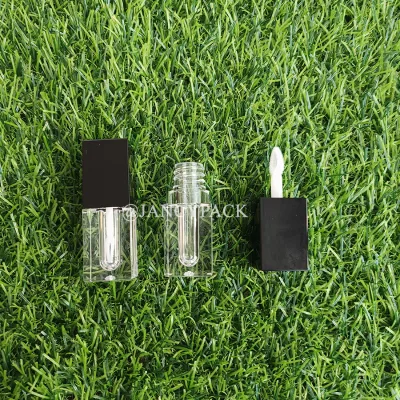
Understanding the precise technical attributes of the container is the first step in any successful sourcing strategy. The core material for this category is Acrylonitrile Butadiene Styrene (ABS), a thermoplastic polymer known for its strength, toughness, and glossy finish. In the context of lip glaze packaging, the ABS material offers a distinct advantage over standard polyethylene or polypropylene by providing a premium, rigid feel that enhances brand perception. The specific product observations indicate a "Square" shape with dimensions typically around 19*56mm for specific models, though variations exist in the market.
The capacity of these containers varies significantly depending on the specific model and intended volume. While some observations point to a 1.4ml capacity, other data points reference capacities of 3ml, 7ml, and even up to 33ml. Buyers must verify the exact volume requirements for their specific formulation, as the wall thickness and internal geometry directly impact the fill level. The wall thickness is observed at 0.1 mm in certain specifications, a dimension that must be carefully monitored to ensure the container can withstand the pressure of the product without deforming or leaking.
The sealing mechanism is another critical technical factor. The standard configuration for these containers involves a "Cap With Brush," which is essential for the application of liquid lip glazes. The brush applicator must be compatible with the ABS cap material to ensure a secure fit and smooth dispensing. Furthermore, the surface handling often includes "Silk Screen Printing," allowing for brand logos and instructions to be applied directly to the black surface. The color profile is predominantly black, though "Multi-Colored" options are available in the broader market, requiring buyers to specify their exact color requirements to avoid batch inconsistencies.
Compliance, Certification, and Regulatory Standards
In the cosmetics industry, regulatory compliance is non-negotiable. When sourcing ABS lip glaze containers, buyers must prioritize suppliers who can demonstrate adherence to international quality management standards. The available data highlights "ISO" and "ISO 9001" certifications as key indicators of a supplier's commitment to quality control processes. These certifications suggest that the manufacturing facility operates under a systematic framework for managing quality, which is vital for maintaining consistency across large production runs.
While specific material safety certifications like FSC (Forest Stewardship Council) are mentioned in background contexts, they are generally more relevant to paper-based packaging. For plastic containers, the focus should remain on the material's compliance with food-grade or cosmetic-grade safety standards. Buyers should verify that the ABS plastic used is free from harmful substances such as BPA and is suitable for direct contact with cosmetic formulations. The "recyclable" feature noted in product attributes is a growing market requirement, and suppliers should be able to provide documentation regarding the recyclability of the specific ABS grade used.
Additionally, the "Industrial Use" classification for these containers is explicitly listed as "Cosmetic," which implies that the materials are selected to withstand the chemical composition of lip products. However, buyers should not assume compliance based solely on the product name. It is essential to request specific test reports or material safety data sheets (MSDS) to confirm that the container does not interact negatively with the lip glaze formula, which could lead to discoloration, degradation, or leakage.
Cost Drivers and Pricing Dynamics
The pricing structure for ABS lip glaze containers is influenced by several variables, including material costs, order volume, and customization requirements. The observed price range for these items is between $0.10 and $0.60 USD per unit. This wide range reflects the diversity in capacity, complexity of the applicator, and the level of customization involved. Smaller capacity containers, such as the 1.4ml variants, tend to fall on the lower end of the spectrum, while larger capacities or those with complex brush mechanisms may command higher prices.
Minimum Order Quantity (MOQ) is a significant cost driver in this sector. The observed MOQ range spans from 100 to 12,000 pieces. For startups or brands testing new products, suppliers with lower MOQs around 100 pieces offer a lower barrier to entry. However, these smaller orders often carry a higher unit cost. Conversely, bulk orders approaching the 12,000-piece threshold can significantly reduce the per-unit price, making them more economical for established brands with high volume needs. Buyers should negotiate based on their projected sales volume to optimize the balance between inventory holding costs and unit pricing.
Customization is another factor that impacts cost. While "Customization" is listed as available, adding specific branding, unique mold designs, or specialized printing techniques like silk screen printing will increase the overall cost. The "Selling Units" are typically structured as multiples of 100, which simplifies inventory management but requires buyers to plan their orders carefully to avoid excess stock. Additionally, the "Sample" policy, often listed as "Freight Collect," means that buyers must cover shipping costs for prototypes, which should be factored into the initial budgeting process.
Typical Applications and Market Fit
The primary application for ABS black lip glaze containers is in the cosmetic industry, specifically for lip gloss and liquid lipstick products. The sleek black finish provides a modern, premium aesthetic that aligns well with high-end beauty brands. The "Square" shape offers a distinct visual identity compared to traditional cylindrical tubes, allowing brands to differentiate their products on retail shelves. The "Cap With Brush" feature is particularly suited for viscous liquids, ensuring precise application and minimizing waste.
Beyond standard lip gloss, these containers can be adapted for other liquid cosmetic applications. The "Function" attributes list "Make-up" and "Medicine," suggesting versatility in use cases. However, the primary design intent remains focused on cosmetics. The "Used for: Women" attribute indicates a target demographic, though the neutral black color and functional design make these containers suitable for unisex or gender-neutral beauty lines as well.
The packaging also supports various marketing strategies. The "Silk Screen Printing" capability allows for high-quality branding on the container surface, which is crucial for brand recognition. The "Layer Packed in Carton" specification ensures that the containers are protected during transit, maintaining their pristine condition until they reach the manufacturing line. This robust packaging is essential for preventing damage to the delicate brush applicators and the glossy finish of the ABS material.
Supplier Evaluation and Verification
Selecting the right supplier is critical for ensuring product quality and supply chain reliability. Buyers should look for suppliers with a verified "Place of Origin" in manufacturing hubs known for plastic packaging, such as Guangdong, China. The presence of specific model numbers like "JC-1789," "LG-2217," and "LG-256" indicates that suppliers have established product lines with standardized specifications. However, buyers must verify that the specific model they are sourcing matches their technical requirements, as dimensions and capacities can vary even within the same product family.
When evaluating suppliers, buyers should request detailed product data sheets that confirm the material composition, dimensions, and capacity. The "Gross weight per batch" of 3.0 kg and "Package size per batch" of 30X30X30 cm are useful metrics for logistics planning, but these figures should be validated against the actual order size. Suppliers should also be transparent about their production capabilities, including lead times and the ability to handle custom orders.
It is important to note that while some suppliers may claim certifications like ISO 9001, buyers should request valid certificates and verify their authenticity. The "Standard" specifications, such as dimensions like 15.893.5mm or 3.5ml Size: 16.3119mm, should be cross-referenced with the supplier's actual product offerings to ensure accuracy. Suppliers who can provide samples for testing and demonstrate a clear quality control process are preferable to those who cannot.
Quality Control and Long-Term Procurement
Implementing a robust quality control (QC) process is essential for mitigating risks associated with plastic packaging. Buyers should establish clear acceptance criteria for the containers, focusing on visual defects, dimensional accuracy, and functional performance. The "Thickness" of 0.1 mm must be consistent across the batch to ensure structural integrity. Any deviation could lead to leaks or breakage during filling and distribution.
Long-term procurement considerations include the stability of the supply chain and the supplier's ability to scale. As the brand grows, the demand for containers will increase, and the supplier must be capable of meeting higher volumes without compromising quality. The "Customization" option should be leveraged to create a unique product identity, but buyers should ensure that the customization process is repeatable and consistent.
Furthermore, buyers should consider the environmental impact of their packaging choices. The "recyclable" feature is a significant selling point, and suppliers should be able to provide information on the recycling process for the specific ABS material used. As regulations regarding plastic packaging become stricter, having a sustainable supply chain will be a competitive advantage.
Conclusion
Sourcing ABS black lip glaze containers requires a meticulous approach that balances technical specifications, regulatory compliance, and cost efficiency. By understanding the material properties, verifying certifications, and evaluating suppliers based on concrete data, buyers can secure a reliable supply chain for their cosmetic products. The diversity in capacity, shape, and customization options allows for significant flexibility in product design, but it also demands careful attention to detail to ensure that the final product meets the highest standards of quality and performance. Through diligent research and strategic partnership with qualified suppliers, brands can achieve a competitive edge in the dynamic cosmetics market.
FAQs
What is the minimum order quantity for these containers?
The minimum order quantity starts at 100 pieces for this product. Some listings indicate higher thresholds up to 12,000 pieces depending on the specific model and customization level required for your order.
Which certifications do the manufacturers hold?
Manufacturers of these containers typically hold ISO and ISO 9001 certifications. These credentials indicate adherence to international quality management standards essential for cosmetic packaging production.
How is the container sealed and what is the capacity?
The container features a cap with a brush for sealing and application. Capacities vary by model, with observed options including 1.4ml, 7ml, and up to 33ml depending on the specific product code selected.
Can the product be customized for branding?
Yes, customization is available for these lip glaze containers. Buyers can request silk screen printing on the black ABS plastic surface to add logos or specific design elements to the packaging.
What is the material composition of the container?
The container is made from ABS plastic, which provides a rigid and glossy finish. The cap material is also specified as ABS to ensure compatibility and structural integrity for the brush applicator.
Where is the product manufactured?
The primary place of origin for these containers is Guangdong, China. Some specific product models may also originate from Ningbo, indicating multiple manufacturing hubs within the region.