Source Acrylic Display Box for Cosmetics, Supermarkets, and Home
Find 30 verified options for the Acrylic Display Box designed for cosmetics, supermarkets, and home use. Compare specifications like size, thickness, and customization to select the right unit for your retail needs.
Key considerations
Products List


Comprehensive Sourcing Guide
Acrylic Display Box Sourcing Guide
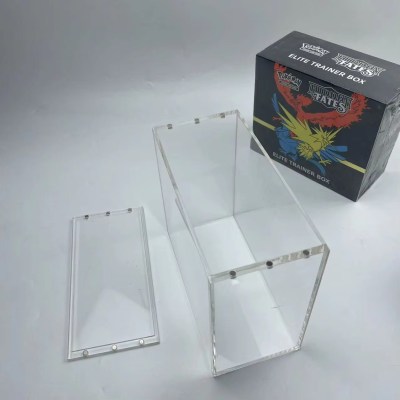
Acrylic display boxes are transparent or translucent storage and presentation units widely used in retail environments to showcase products such as cosmetics, lipsticks, and toothbrushes. These displays are typically manufactured from polymethyl methacrylate (PMMA), a material known for its clarity, durability, and ease of fabrication. The primary function of these units is to enhance product visibility while providing organized storage, making them a staple in supermarkets, specialty stores, and exhibition shows. Buyers must understand that while the core material is consistent, the specific design, size, and customization options vary significantly across suppliers, requiring careful evaluation of technical specifications and commercial terms.
The market for acrylic displays is characterized by a high degree of customization, with many manufacturers offering tailored solutions to meet specific branding and spatial requirements. Products are often observed as single items, allowing for flexible ordering quantities, though minimum order quantities (MOQs) can range from 10 to 500 units depending on the complexity of the design. The observed price range in the market is broad, spanning from very low-cost basic units to higher-priced luxury options, reflecting differences in material thickness, finishing quality, and additional features such as logo printing or specialized packaging. Procurement teams must navigate this variability by clearly defining their functional needs and verifying that the supplier’s capabilities align with their volume and quality expectations.
Product Scope and Observed Listing Signals
Acrylic display boxes are primarily designed for indoor use, serving as static or semi-static fixtures in retail and exhibition settings. The observed product attributes indicate a strong focus on cosmetic display, with specific models tailored for items like lipsticks and toothbrushes. These units are often described as having a "luxury and durable" or "fashion and luxury" aesthetic, suggesting that they are intended to elevate the perceived value of the displayed products. The material is noted as being waterproof and dustproof, which adds to their longevity in various indoor environments, although they are explicitly marked as not antitheft, meaning they do not include electronic security components.
The physical characteristics of these displays vary, with sizes ranging from medium to middle dimensions, and shapes typically being rectangular. Some models feature a single-layer fixed compartment design, while others may offer more complex structures. The acrylic thickness is a critical variable, with observed specifications ranging from 1.8mm to 12mm, directly impacting the rigidity and premium feel of the unit. Additionally, the displays are often available in clear and white color options, and some models are designed to be unfolded from a compact state, facilitating easier storage and transportation before assembly at the point of sale.
Technical Specifications to Verify
When evaluating acrylic display boxes, the most critical technical parameter is the material thickness, which directly influences structural integrity and visual appeal. Buyers should verify the exact millimeter thickness of the acrylic sheets used, as options can range from 1.8mm to 12mm. Thicker acrylic provides greater durability and a more premium look but increases weight and cost. It is also essential to confirm the hardness of the material, as some products are described as "partial hard," which may affect their resistance to scratching or impact during handling and transport. Ensuring that the thickness matches the intended load-bearing requirements for the specific products being displayed is a key step in preventing damage or deformation.
Another vital specification is the dimensional accuracy and standardization of the units. While some suppliers offer customized sizes, others adhere to specific standards, such as 240240237mm or 24x10x16cm (LxWxH). Buyers must verify whether the displayed dimensions are internal or external, as this affects the actual usable space for products. Additionally, the presence of a "3D packing" or specific carton packaging should be confirmed to ensure that the displays arrive without scratches or cracks. The style of the display, often described as "simplicity," should also be assessed against the brand’s aesthetic requirements, as the design must complement the retail environment without overwhelming the products.
Compliance and Safety Documentation
While acrylic is a widely used and generally safe material, buyers must ensure that the displays comply with relevant safety and environmental regulations in their target markets. Although specific certifications are not explicitly listed in the observed data, it is prudent to request documentation confirming that the acrylic material is free from harmful substances such as BPA or other toxic additives, especially if the displays are used in environments where direct contact with cosmetics or personal care items is likely. Buyers should also verify that the manufacturing process adheres to local environmental standards, particularly regarding waste management and chemical usage during the fabrication of the acrylic sheets.
Safety considerations also extend to the physical design of the display boxes. Since these units are often placed in high-traffic areas such as supermarkets and exhibition shows, the edges and corners should be smooth and free of sharp points to prevent injury. Buyers should request images or samples to inspect the finishing quality, ensuring that the acrylic is properly polished and that there are no rough edges or burrs. Additionally, if the displays are intended for use in regions with strict fire safety regulations, buyers should inquire about the flame retardancy of the acrylic material, as standard acrylic is combustible and may require treatment to meet specific safety codes.
Cost Drivers and Commercial Terms
The cost of acrylic display boxes is influenced by several factors, including the material thickness, customization level, and packaging requirements. Thicker acrylic and more complex designs, such as those with multiple compartments or specific shapes, will naturally command higher prices. The observed price range of 0.01-59 USD reflects this variability, with lower prices likely corresponding to thinner, simpler units and higher prices to thicker, more customized options. Buyers should also consider the cost of logo printing, which is available as a customization option, as this can add to the overall unit cost, especially for small order quantities.
Commercial terms, particularly minimum order quantities (MOQs) and payment terms, play a significant role in the total cost of ownership. The observed MOQ range of 10-500 units suggests that suppliers are flexible, catering to both small businesses and larger retailers. However, buyers should be aware that ordering closer to the MOQ may result in better per-unit pricing. Additionally, the packaging method, whether it is 3D packing, carton, or plastic film and foam, can impact shipping costs and the risk of damage during transit. Buyers should negotiate clear terms regarding packaging standards and liability for damage to ensure that the final delivered cost aligns with their budget expectations.
Supplier Qualification and Quality Control
Selecting a reliable supplier for acrylic display boxes requires a thorough assessment of their manufacturing capabilities and quality control processes. Buyers should verify the supplier’s business type, as many are manufacturers based in regions like Shanghai and Guangdong in China, which are known for their acrylic fabrication expertise. It is important to confirm that the supplier has the necessary equipment to produce the desired thickness and finish, and to inquire about their quality control procedures, including how they inspect for scratches, bubbles, or dimensional inaccuracies. Requesting samples before placing a large order is a critical step to evaluate the actual quality of the material and the precision of the fabrication.
Furthermore, buyers should assess the supplier’s ability to handle customization requests, as many products offer customized sizes and logo printing. A qualified supplier should be able to provide detailed technical drawings and prototypes for approval before mass production. It is also advisable to check the supplier’s track record in terms of delivery reliability and customer service, as these factors can significantly impact the procurement process. Buyers should establish clear communication channels and agree on specific quality metrics, such as acceptable tolerance levels for dimensions and surface finish, to ensure that the final products meet their expectations.
Long-Term Procurement Checks
To ensure a successful long-term procurement relationship, buyers should regularly review the performance of the acrylic display boxes in the field. This includes monitoring for any issues related to durability, such as yellowing, cracking, or scratching, which can affect the aesthetic appeal and functionality of the displays. Buyers should also gather feedback from retail staff and customers regarding the ease of use and stability of the units, as these insights can inform future design improvements. Regularly assessing the condition of the displays over time helps in identifying any systemic quality issues and allows for proactive adjustments in supplier selection or product specifications.
Additionally, buyers should stay informed about changes in material technology and market trends that may impact the availability and cost of acrylic display boxes. This includes monitoring for new eco-friendly acrylic options or innovative design features that could enhance the value of the displays. Maintaining a diversified supplier base can also mitigate risks associated with supply chain disruptions or price fluctuations. By continuously evaluating supplier performance and market conditions, buyers can ensure that their procurement strategy remains aligned with their business goals and customer expectations, leading to sustained success in their retail and exhibition operations.
FAQs
What materials are used for acrylic display boxes?
Acrylic display boxes are primarily manufactured from high-quality acrylic material. This material offers clarity and durability, making it suitable for showcasing cosmetics and other retail products. The acrylic thickness can range from 1.8mm to 12mm depending on the specific model and structural requirements. This ensures the display box is both sturdy and visually appealing for indoor exhibition and store use.
Can acrylic display boxes be customized for specific brands?
Yes, customization is available for acrylic display boxes to meet specific brand needs. Buyers can request customized sizes, with standard dimensions like 240*240*237mm or 24x10x16cm often used as a baseline. Logo printing can also be customized or left without printing. This flexibility allows businesses to tailor the display box to their exact retail space and marketing requirements effectively.
What is the typical MOQ for acrylic display boxes?
The minimum order quantity for acrylic display boxes typically ranges from 10 to 500 units. This range allows for flexibility depending on the supplier and the complexity of the customization. Buyers seeking smaller quantities can find suppliers with lower MOQs, while larger orders may benefit from economies of scale. It is advisable to confirm the specific MOQ with the manufacturer before placing an order.
Where are acrylic display boxes manufactured?
Acrylic display boxes are primarily manufactured in China, with key production hubs in Shanghai and Guangdong. These regions are known for their robust manufacturing capabilities and supply chain efficiency. Buyers can source these products directly from manufacturers in these locations, ensuring access to a wide variety of models and customization options. The origin is clearly stated as China for most listings.
How are acrylic display boxes packaged for shipping?
Acrylic display boxes are packaged using methods such as 3D packing, carton packaging, or plastic film and foam. These packaging options are designed to protect the acrylic material during transit. The choice of packaging may depend on the size and shape of the display box. Proper packaging ensures that the product arrives in perfect condition, maintaining its clarity and structural integrity for retail display.
What types of products can be displayed in acrylic boxes?
Acrylic display boxes are versatile and can display a variety of products, including cosmetics, lipsticks, and toothbrushes. They are suitable for use in supermarkets, specialty stores, and home settings. The clear material allows for excellent visibility of the displayed items, enhancing their appeal. Some models are specifically designed for hanging retail products, offering additional flexibility for different retail environments.