Source Seamless Ribbed Athletic Wear Set for Gym, Yoga, and Fitness
Find and compare 30 Seamless Ribbed Athletic Wear Set options from verified suppliers. Evaluate high-waist designs, long-sleeve tops, and moisture-wicking fabrics suitable for gym, yoga, and fitness activities.
Key considerations
Products List


Breathable Seamless High-Waisted Leggings & Sports Bra Activewear Set"
$10.00 - $20.00
MOQ: 100 pieces

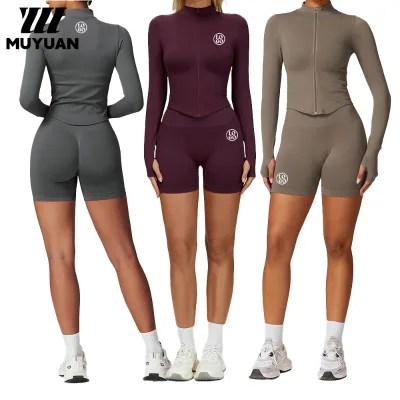
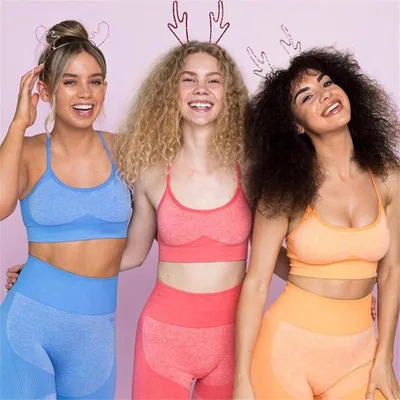


Comprehensive Sourcing Guide
Seamless Ribbed Athletic Wear Set Sourcing Guide
Sourcing seamless ribbed athletic wear sets requires a strategic balance between aesthetic appeal, functional performance, and supply chain reliability. The seamless knitting technology eliminates side seams, reducing chafing and enhancing the garment’s contour-hugging fit, which is a primary driver for consumer adoption in the yoga and fitness sectors. Buyers must navigate a market where product variations are frequent, with models ranging from two-piece sets to three-piece ensembles, each offering distinct utility for different workout intensities. Understanding the specific construction methods and material compositions is essential to ensure the final product meets both brand standards and end-user expectations for durability and comfort.
The procurement process is further complicated by the prevalence of OEM services, where suppliers offer customized logo printing and packaging solutions. This flexibility allows brands to differentiate their offerings but introduces complexity in quality control and lead time management. Buyers need to establish clear communication channels regarding sample approval processes, as the tactile feel of ribbed fabrics and the precision of seamless joins are difficult to assess from images alone. A disciplined approach to verifying supplier capabilities and product specifications before placing bulk orders is critical to mitigating the risk of receiving goods that do not match the approved prototype.
Product Scope and Observed Listing Signals
The current market landscape for seamless athletic wear is characterized by a diverse range of product configurations, primarily focusing on women’s sports sets designed for activities such as yoga, gym workouts, cycling, and general fitness. Listings indicate a strong preference for high-waist designs, which provide abdominal support and a flattering silhouette, often paired with long-sleeve tops or sleeveless options to accommodate varying climate conditions and style preferences. The product count in observed datasets suggests a robust inventory of models, with specific identifiers like ZC-3093, 758-WXDK, and EF061009 representing distinct variations in cut, pattern, and functional features such as butt-lift construction or moisture-wicking properties.
Pricing and minimum order quantities (MOQ) vary significantly across suppliers, reflecting differences in material quality, production complexity, and brand positioning. Observed price points range from $4 to $20 USD, with MOQs spanning from as low as 2 sets for sampling or small boutique orders up to 1,000 sets for larger commercial batches. This wide variance necessitates careful budgeting and volume planning. Buyers should note that lower price points may correlate with basic polyester blends or simpler seamless constructions, while higher tiers often involve advanced fabric technologies, custom packaging, and more rigorous quality assurance protocols. Understanding these signals helps in aligning procurement strategies with target market segments.
Technical Specifications to Verify
Material composition is the most critical technical specification to verify, as it directly impacts the garment’s performance, durability, and care requirements. While many listings highlight the use of polyester, the specific blend ratios, particularly the inclusion of spandex or elastane for stretch and recovery, must be confirmed. The seamless knitting process relies heavily on the elasticity of the yarn; therefore, buyers should request detailed fabric composition sheets to ensure the material meets the required stretch recovery rates and moisture-wicking capabilities. Additionally, the weight of the fabric, often indicated by standard weights such as 0.2kg or 0.3kg per piece, serves as a proxy for thickness and opacity, which are key factors in preventing see-through issues during dynamic movements.
Construction details, including sleeve length, waist type, and pocket configuration, must be strictly aligned with the product design brief. High-waist designs are prevalent, but the exact rise and compression level can vary between models. Buyers should verify whether the ribbed texture is consistent throughout the garment or if there are variations in knit density for aesthetic or functional purposes. Furthermore, the absence of pockets in many seamless sets is a common design choice to maintain a smooth silhouette, but this should be explicitly confirmed to avoid discrepancies between the order and the delivered product. Model numbers such as 25EFC1227001 or Yoga set-EFT041 should be cross-referenced with physical samples to ensure that the specific technical attributes, such as the "butt lift" description, are accurately represented in the final manufacturing.
Compliance and Safety Documentation
While specific certification statuses are not universally disclosed in all listings, buyers must ensure that all products comply with the safety and labeling regulations of their target markets. This includes verifying that the materials used, particularly dyes and finishes, meet restricted substance lists (RSL) for azo dyes, formaldehyde, and heavy metals. For products originating from China, buyers should request test reports from accredited laboratories to confirm compliance with standards such as REACH in Europe or CPSIA in the United States, depending on the destination. The absence of explicit certification mentions in product descriptions does not imply non-compliance, but it places the onus on the buyer to proactively request and validate these documents before shipment.
Labeling and packaging requirements are another area of strict compliance. Products must carry accurate fiber content labels, care instructions, and country of origin markings, such as "Made in China" or specific city origins like Hefei, as observed in some listings. Buyers should also verify that the packaging, whether it is a simple polybag or a customized carton, meets environmental regulations regarding plastic usage in certain regions. Ensuring that the "piece" standard and quantity per carton are clearly documented helps in avoiding customs delays and ensures that the product arrives ready for retail display or direct-to-consumer fulfillment.
Cost Drivers and Commercial Terms
The cost of seamless ribbed athletic wear sets is influenced by several key drivers, including the complexity of the seamless knitting pattern, the quality of the raw materials, and the level of customization required. Custom logo printing and specialized packaging, such as branded polybags or cartons, add to the unit cost but are essential for brand identity. Buyers should analyze the trade-off between MOQ and unit price, as higher volumes often yield better pricing but require greater capital commitment and storage capacity. The observed MOQ range of 1 to 1,000 sets offers flexibility, but buyers must calculate the total landed cost, including shipping and duties, to determine the true profitability of each order.
Lead times and sample policies are critical commercial terms that affect inventory planning and time-to-market. Many suppliers offer sample orders with a lead time of approximately 7 days, which is valuable for rapid prototyping and quality verification. However, bulk production lead times can vary, with some suppliers citing delivery times of 3-5 working days for samples and longer periods for bulk orders. Buyers should negotiate clear terms regarding production schedules, payment milestones, and penalties for delays. Understanding the supplier’s capacity and current order backlog is essential to ensure that products arrive in time for seasonal launches or promotional campaigns.
Supplier Qualification and Quality Control
Supplier qualification should begin with a thorough assessment of their OEM capabilities and production history. Buyers should verify the supplier’s experience in manufacturing seamless garments, as this requires specialized knitting machinery and skilled operators. Requesting references or case studies from previous clients can provide insight into the supplier’s reliability and consistency. Additionally, buyers should assess the supplier’s responsiveness to communication and their ability to provide detailed technical feedback on design feasibility. A supplier that proactively suggests improvements to the design or material selection demonstrates a higher level of expertise and partnership potential.
Quality control measures must be established before production begins to minimize the risk of defects. Buyers should define clear acceptance criteria for fabric quality, stitching integrity, and dimensional accuracy. Implementing a pre-production sample approval process is crucial, as it allows for the verification of fit, color, and texture before bulk manufacturing commences. During production, buyers may consider hiring third-party inspection services to conduct in-line or final random inspections. These inspections should focus on critical quality attributes such as seam strength, fabric elasticity, and the accuracy of logo placement and packaging. Establishing a robust quality control protocol ensures that the final product meets the brand’s standards and reduces the likelihood of returns or customer dissatisfaction.
Long-Term Procurement Checks
Building a sustainable supply chain for seamless athletic wear requires ongoing monitoring of supplier performance and market trends. Buyers should regularly review supplier metrics, including on-time delivery rates, defect rates, and responsiveness to issues. Establishing a scorecard system can help in objectively evaluating suppliers and identifying areas for improvement. Additionally, buyers should stay informed about advancements in seamless knitting technology and fabric innovations, such as sustainable materials or enhanced moisture-wicking properties. Incorporating these innovations into future orders can help maintain a competitive edge in the market.
Relationship management is also key to long-term success. Maintaining open and transparent communication with suppliers fosters trust and collaboration, leading to better problem-solving and innovation. Buyers should consider developing strategic partnerships with a select group of suppliers rather than relying on a large, fragmented base. This approach allows for deeper integration of processes, better pricing stability, and more consistent quality. Regularly revisiting procurement strategies and adapting to changes in consumer preferences and regulatory environments ensures that the sourcing function remains agile and effective in delivering value to the business.
FAQs
What is the typical lead time for sample orders?
Sample orders are supported with a lead time of 7 days. This allows buyers to verify product quality before committing to larger quantities, ensuring the Seamless Ribbed Athletic Wear Set meets specific requirements.
Can I request customized logo printing on the set?
Yes, customized logo printing is available for these products. Buyers can add branding to the Seamless Ribbed Athletic Wear Set, which is often made from materials like Nylon and Spandex for durability and comfort.
What is the minimum order quantity for this set?
The minimum order quantity varies but can be as low as 2 sets for specific items. Some listings show an MOQ range from 1 to 1000, allowing flexibility for different business sizes seeking seamless ribbed athletic wear sets.
Which packaging options are available for bulk orders?
Packaging options include 1 piece per polybag or 40 pieces per carton. Customized packaging is also supported, ensuring the Seamless Ribbed Athletic Wear Set arrives safely while meeting specific branding or logistical needs.
How many pieces are included in the standard set?
The standard set typically includes either 2 or 3 pieces depending on the specific model. Common configurations feature high-waist leggings paired with long-sleeve tops or sleeveless options for versatile fitness and yoga activities.
Where are these athletic wear sets manufactured?
These products originate from China, with specific production locations including Hefei. Buyers can source seamless ribbed athletic wear sets directly from these regions, ensuring access to established manufacturing capabilities and supply chains.
What materials are used to make the fabric?
Materials include Polyester, Nylon, and Spandex blends for optimal performance. These fabrics provide moisture-wicking properties and stretch, making the Seamless Ribbed Athletic Wear Set suitable for intense gym, yoga, and cycling sessions.