Source Acusto Magnetic EAS Pencil Tag for Retail and Warehouse
Find and compare 27 Acusto Magnetic EAS Pencil Tag options designed for jewelry stores, garment shops, and supermarkets. These AM system tags feature 58kHz frequency, ABS plastic construction, and magnetic unlock modes to support effective retail loss prevention strategies.
Key considerations
Products List






Comprehensive Sourcing Guide
Acusto Magnetic EAS Pencil Tag Sourcing Guide
Sourcing acusto magnetic (AM) EAS pencil tags requires a disciplined approach to verifying technical compatibility, commercial terms, and supplier reliability. These hard tags are essential components in retail loss prevention systems, designed to secure high-value merchandise such as jewelry, garments, and electronics. Buyers must navigate a market where specifications vary significantly between manufacturers, particularly regarding physical dimensions, internal magnetic rod lengths, and packaging configurations. This guide provides evidence-based procurement strategies to ensure that the selected tags integrate seamlessly with existing security infrastructure while meeting operational and compliance requirements.
The following sections detail the critical verification steps for product scope, technical specifications, compliance, cost structures, supplier qualification, and long-term procurement checks. Each section is structured to help buyers make informed decisions, avoiding common pitfalls such as mismatched frequencies, inadequate packaging, or unclear commercial terms. By focusing on observable listing signals and trusted category knowledge, this guide aims to streamline the sourcing process and mitigate risks associated with bulk procurement of security hardware.
Product Scope and Observed Listing Signals
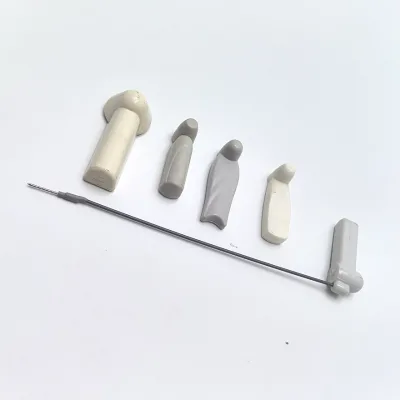
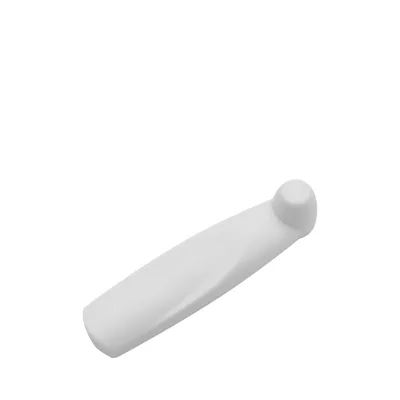
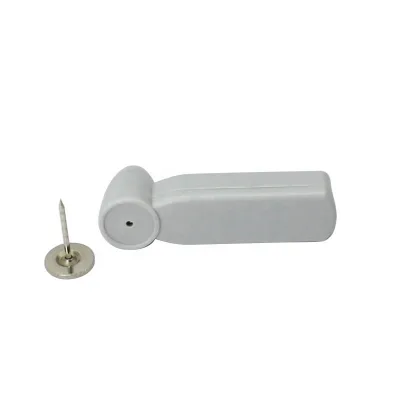
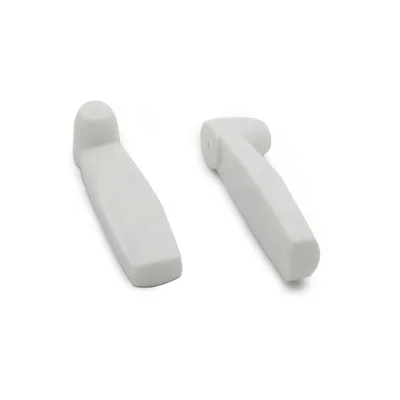
The observed product landscape for acusto magnetic EAS pencil tags reveals a diverse range of models, primarily identified by their physical dimensions and internal components. Listings frequently reference specific model numbers such as HR-HT101, HR-HT117, and HR-HT134, which correspond to mini and midi pencil tags. These tags typically feature dimensions around 46x13mm or 51x13mm, constructed from ABS plastic with an internal magnetic rod or bar, often specified as 25mm in length. The color options generally include black, white, grey, or custom colors, allowing retailers to align the tags with their brand identity or store aesthetics.
Applications for these tags span various retail environments, including jewelry stores, garment stores, supermarkets, shopping arcades, warehouses, video stores, and bookstores. The primary function is antishoplifting and loss protection, utilizing a magnetic unlock mode for removal at the point of sale. Buyers should note that while the core technology is consistent, the specific application contexts may dictate different tag sizes or durability requirements. For instance, high-value items in jewelry stores might require more robust tags compared to those used in bookstores, although the fundamental AM technology remains the same across these use cases.
Technical Specifications to Verify
Verifying the frequency and detection signal is paramount to ensuring compatibility with existing EAS systems. The observed listings consistently indicate a frequency of 58kHz and an acusto magnetic detection signal, which is the standard for AM systems. Buyers must confirm that the tags they source operate at this exact frequency to avoid false alarms or failure to trigger the security gates. Additionally, the detect distance is typically listed in the range of 1.2-2.0m, which should be validated against the specific requirements of the retail environment to ensure adequate coverage without excessive sensitivity.
Physical dimensions and packaging details are critical for both inventory management and operational efficiency. Tags are available in various sizes, such as 46x13mm for mini pencil tags and 51x13mm for midi pencil tags, with some listings specifying a lanyard for easier attachment. Packaging configurations vary, with common carton sizes including 40x30x15cm, 37x25.5x22.5cm, and 45x35x30cm, containing 1000 pieces per carton. Buyers should verify the single package size and gross weight, which can range from 8kg to 12kg per carton, to plan for storage and handling logistics effectively.
Compliance and Safety Documentation
Compliance with regional safety and environmental standards is a non-negotiable aspect of sourcing EAS tags. The observed listings frequently mention CE certification, indicating that the products meet European health, safety, and environmental protection standards. Buyers should request valid CE certificates from suppliers to ensure that the tags comply with relevant directives, particularly if the products are intended for sale or use in the European market. This documentation serves as proof that the manufacturer has adhered to rigorous testing and quality control processes.
While CE certification is commonly cited, buyers should also inquire about RoHS compliance, which restricts the use of hazardous substances in electrical and electronic equipment. Although RoHS is listed as a low-confidence background fact, it is a critical consideration for environmentally conscious procurement and regulatory compliance in many jurisdictions. Buyers should explicitly ask suppliers to confirm RoHS compliance and provide supporting documentation, ensuring that the tags do not contain restricted substances such as lead, mercury, or cadmium. This step is essential for maintaining brand reputation and avoiding potential legal issues related to environmental regulations.
Cost Drivers and Commercial Terms
Understanding the cost drivers and commercial terms is essential for effective budgeting and negotiation. The observed price range for acusto magnetic EAS pencil tags is relatively low, spanning from $0.01 to $4.51 per unit, reflecting the commodity nature of these security components. However, the final cost will be influenced by factors such as order volume, customization requirements, and packaging specifications. Buyers should anticipate that larger orders may attract volume discounts, while custom colors or specialized packaging may incur additional charges.
Minimum Order Quantities (MOQ) are a significant commercial term, with observed listings indicating MOQs ranging from 1 to 5000 pieces. A common MOQ is 1000 pieces, often packaged in a single carton, which aligns with standard shipping and handling practices. Buyers should negotiate MOQs based on their inventory needs and storage capacity, considering that smaller orders may result in higher per-unit costs. Additionally, payment terms, lead times, and shipping costs should be clearly defined in the contract to avoid unexpected expenses and ensure timely delivery.
Supplier Qualification and Quality Control
Supplier qualification is a critical step in mitigating procurement risks. Buyers should verify the supplier's location, with many observed listings indicating origins in Guangdong, China, a major hub for electronics and security equipment manufacturing. It is advisable to request business licenses, factory audits, and references from other clients to assess the supplier's reliability and production capacity. Buyers should also evaluate the supplier's ability to provide consistent quality, as variations in manufacturing processes can lead to defects in the tags, such as weak magnetic rods or fragile ABS plastic casings.
Quality control measures should be established to ensure that the delivered products meet the specified standards. Buyers should implement incoming inspection protocols, checking for dimensional accuracy, material integrity, and functional performance of the tags. Random sampling from each shipment can help identify potential issues early, allowing for corrective actions before the tags are deployed in retail environments. Additionally, buyers should maintain open communication with suppliers to address any quality concerns promptly and ensure continuous improvement in product quality.
Long-Term Procurement Checks
Long-term procurement success depends on establishing a robust relationship with suppliers and implementing continuous improvement strategies. Buyers should conduct regular performance reviews, assessing suppliers based on delivery times, product quality, and responsiveness to issues. This ongoing evaluation helps identify potential risks and opportunities for optimization, ensuring that the supply chain remains efficient and reliable. Buyers should also stay informed about industry trends and technological advancements in EAS systems, as these developments may impact the relevance and effectiveness of the procured tags.
Furthermore, buyers should consider the scalability of their procurement strategy to accommodate future growth or changes in retail operations. This may involve negotiating flexible contracts that allow for adjustments in order volumes or specifications as needed. By maintaining a proactive approach to supplier management and quality assurance, buyers can ensure that their acusto magnetic EAS pencil tags continue to meet the evolving needs of their retail environments, providing effective loss prevention and enhancing overall operational efficiency.
FAQs
What is the detection signal type for this tag?
The detection signal is Acusto Magnetic, operating at a frequency of 58kHz. This system design ensures reliable performance in retail environments like jewelry stores and supermarkets for loss prevention.
Can I customize the color of the EAS pencil tag?
Yes, customization is available for the product color. Buyers can select from black, white, or grey options, or request custom colors to match specific branding requirements for garment or warehouse security.
Which dimensions are available for the mini pencil tag?
The mini pencil tag features dimensions of 46x13mm or 45x13mm depending on the specific model. These compact sizes are designed for secure attachment to merchandise in various retail settings.
How is the tag unlocked after purchase?
The tag utilizes a magnetic unlock mode for removal. This mechanism allows authorized staff to easily detach the hard tag from merchandise using a dedicated magnetic detacher tool at the point of sale.
What is the minimum order quantity for these tags?
The minimum order quantity is 1000 pieces per carton. This standard packaging requirement applies to the EAS AM pencil tags intended for retail loss prevention and security applications.
Where are these electronic labels manufactured?
These products originate from Guangdong, China. The manufacturing location supports the production of ABS plastic tags with magnetic rods for use in jewelry stores, garment stores, and warehouses.
What material is used to construct the tag body?
The tag body is constructed from ABS plastic combined with a 25mm magnetic rod. This durable material composition ensures the tag withstands handling while maintaining effective anti-shoplifting functionality.