Source Active Stretch Anti-Bacterial Kids Wetsuit for Surfing
Find 30 Active Stretch Anti-Bacterial Kids Wetsuit options for swimming, snorkeling, and diving. Compare 2-3mm neoprene thickness, flatlock stitching, and OEM customization services from verified Chinese manufacturers to find the best fit for young water sports enthusiasts; compare the available evidence and request quotations based on your requirements.
Key considerations
Products List


2.5mm Neoprene Wetsuit for Kids, Girls, Boys Swimming, Diving, Surfing
$18.00 - $20.00
MOQ: 200 Pieces


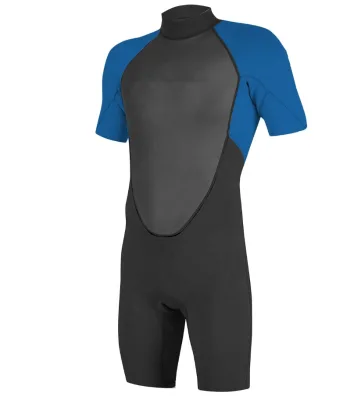


Children 2mm Neoprene Kids Diving Suit Wetsuit for Boys Girls Keep Warm
$9.90 - $12.90
MOQ: 500 Pieces


Comprehensive Sourcing Guide
Active Stretch Anti-Bacterial Kids Wetsuit Sourcing Guide
Procuring active stretch anti-bacterial kids wetsuits requires identifying manufacturers who specialize in neoprene blends designed for young athletes. The observed market data indicates a strong focus on children's age groups, with specific listings highlighting materials like 90% superstretchy neoprene combined with 10% nylon or polyester and spandex. Buyers must verify that the "anti-bacterial" claim is supported by specific fabric treatments or material compositions, as the provided facts emphasize stretch and warmth rather than explicit antimicrobial certifications.
When evaluating product listings, procurement teams should look for specific design features such as flatlock stitching to prevent chafing during high-activity water sports. The observed inventory includes items suitable for surfing, snorkeling, and swimming, with thicknesses ranging from 2mm to 3mm to provide adequate thermal protection. It is critical to distinguish between general wetsuits and specialized buoyancy vests, ensuring the selected product matches the intended activity, whether it is competitive diving or casual beach play.
Product Scope and Observed Listing Signals
The current market signals reveal a diverse range of products under the active stretch category, including long-sleeved swimsuit sets and one-piece designs tailored for specific age brackets like 5-7 years and 8-13 years. Buyers should note that while some listings explicitly mention "anti-cold weather" and "light superstretchy" features, others focus on buoyancy and general water safety. This variation suggests that the "anti-bacterial" attribute may be a specific customization option rather than a universal standard across all available neoprene kids' gear.
Sourcing strategies must account for the wide variety of packaging and model numbers observed, such as C025, C059, and ATM-9-23, which often dictate the specific material composition and fit. The presence of OEM and ODM services indicates that many suppliers are willing to customize colors and designs, but buyers must confirm if these customizations include the specific anti-bacterial treatment required for their brand standards. Understanding these listing signals helps in filtering out generic swimwear from specialized performance gear.
Technical Specifications to Verify
Technical verification begins with confirming the exact material composition, as observed listings specify 90% superstretchy neoprene plus 10% nylon or polyester blends. Buyers must ensure the thickness specification aligns with the intended water temperature, with observed data showing options ranging from 2mm to 3mm. It is essential to validate that the "active stretch" claim corresponds to the actual elasticity of the neoprene blend, which directly impacts the child's range of motion during vigorous activities like surfing or diving.
Stitching quality is another critical technical parameter, with flatlock stitching being a common feature in the observed data to minimize skin irritation. Procurement teams should verify the durability of these seams under repeated stretching and exposure to saltwater, as poor stitching can compromise the suit's integrity. Additionally, the single package size and gross weight data provided in listings serve as benchmarks for logistics planning, ensuring that the physical dimensions of the product match the expected shipping requirements.
Compliance and Safety Documentation
While the observed data mentions CE certification as a background possibility, buyers must not assume this status without explicit documentation from the supplier. Safety compliance for children's water sports gear often requires rigorous testing for chemical safety, particularly regarding the dyes and neoprene treatments used. Procurement teams should request specific test reports that verify the absence of harmful substances and confirm the efficacy of any anti-bacterial claims made by the manufacturer.
Documentation regarding the product's suitability for specific age groups is equally important, as the observed listings target children from 5 years up to 14 years and older. Buyers need to ensure that the sizing standards, such as S/M/L/XL/XXL, are consistent with international safety norms for children's apparel. Verifying that the product meets the necessary safety standards for the target market is a prerequisite for avoiding liability issues and ensuring the safety of young users in aquatic environments.
Cost Drivers and Commercial Terms
Cost structures for these specialized wetsuits are heavily influenced by the material composition, specifically the ratio of neoprene to nylon or spandex. The observed supply ability of 5000 sets per week suggests that volume can significantly impact unit pricing, but buyers must also consider the costs associated with custom designs and OEM services. Understanding the relationship between material quality and price is essential, as higher stretch and durability often command a premium over standard neoprene options.
Commercial terms such as MOQ and lead times vary widely, with observed ranges from 1 to 500 units and sample lead times as short as 7 days. Buyers should negotiate based on the specific customization requirements, as custom colors and designs may increase the minimum order quantity and extend production schedules. It is vital to clarify whether the quoted price includes packaging details like OPP bags or boxes, as these can add to the overall landed cost of the product.
Supplier Qualification and Quality Control
Supplier qualification should focus on manufacturers with a proven track record in producing neoprene gear for children, as evidenced by their specific product models and age group targeting. Buyers must assess the supplier's capacity to maintain consistent quality across batches, especially when dealing with custom orders that require specific anti-bacterial treatments. The presence of in-stock items and a supply ability of 5000 sets per week indicates a robust production line, but regular quality audits are necessary to maintain standards.
Quality control protocols must include checks for stitching integrity, material elasticity, and the accuracy of size charts. Since the observed data highlights features like "anti-friction" and "warmth," suppliers should provide evidence that these attributes are consistently met in every production run. Establishing a clear communication channel for addressing defects and ensuring that the final product matches the agreed-upon specifications is crucial for maintaining brand reputation and customer satisfaction.
Long-Term Procurement Checks
Long-term procurement success depends on establishing a reliable supply chain that can adapt to changing market demands and seasonal fluctuations. Buyers should monitor the supplier's ability to maintain consistent lead times and material availability, as the observed data shows a wide range of production origins from Dongguan to Shanghai. Building a partnership with a supplier who offers flexible OEM and ODM services will allow for continuous product improvement and customization over time.
Regular performance reviews are essential to ensure that the wetsuits continue to meet the evolving safety and performance standards of the children's market. Procurement teams should track customer feedback regarding the durability and comfort of the suits, using this data to refine future orders. By maintaining a proactive approach to supplier management, buyers can secure a steady supply of high-quality, active stretch anti-bacterial wetsuits that meet the needs of their young customers.
FAQs
What materials are used in the neoprene kids wetsuit?
The wetsuit is constructed from a blend of 90% superstretchy neoprene and 10% nylon. This specific composition ensures the fabric remains lightweight while providing excellent flexibility and durability for children. The material choice supports active movement during water sports without restricting the wearer's range of motion.
Can the wetsuit be customized for specific brands?
Yes, customization is available through OEM and ODM services. Buyers can request customized colors and designs to match their brand identity. The manufacturer supports tailored production runs, allowing for unique styling options while maintaining the core functional attributes required for effective thermal protection and comfort during aquatic activities.
What thickness options are available for the neoprene suits?
The product line offers thickness options of 2mm, 2.5mm, and 3mm. These variations allow buyers to select the appropriate thermal protection level based on water temperature and activity intensity. Thinner options suit warmer conditions, while thicker variants provide enhanced insulation for colder environments, ensuring versatility across different seasons and locations.
How is the stitching designed to prevent chafing?
The suits utilize flatlock stitching to minimize skin irritation and friction. This construction method creates smooth seams that lie flat against the body, reducing the risk of chafing during prolonged wear. The anti-friction design enhances comfort for children, making the wetsuit suitable for extended periods of swimming, surfing, and other water-based exercises.
What is the typical lead time for sample orders?
Sample orders are supported with a lead time of seven days. This rapid turnaround allows buyers to evaluate product quality, fit, and material performance before committing to larger production runs. The efficient sample process facilitates quicker decision-making and ensures that the final bulk order meets the specific requirements and expectations of the purchasing team.
Which industries and activities are these wetsuits suitable for?
These wetsuits are designed for beach activities, snorkeling, swimming, scuba diving, and surfing. The versatile design supports various water sports, making them ideal for both recreational and professional use. The durable construction and thermal properties ensure reliable performance across different aquatic environments, catering to a wide range of user needs and preferences.